Enhancing vocabulary Normal Worksheets for Ages 3-5
4 filtered results
-
From - To
Boost your child's language skills with our "Enhancing Vocabulary Normal Worksheets for Ages 3-5". These engaging printables are designed to introduce young learners to new words and concepts in a fun and interactive way. By incorporating playful activities and visually appealing illustrations, our worksheets help children build a robust vocabulary foundation, crucial for their linguistic development. Ideal for both classroom and at-home learning, they encourage kids to explore and express themselves confidently. Start your child’s educational journey with tools that make learning an adventure. Explore our collection today and watch your child’s vocabulary blossom!
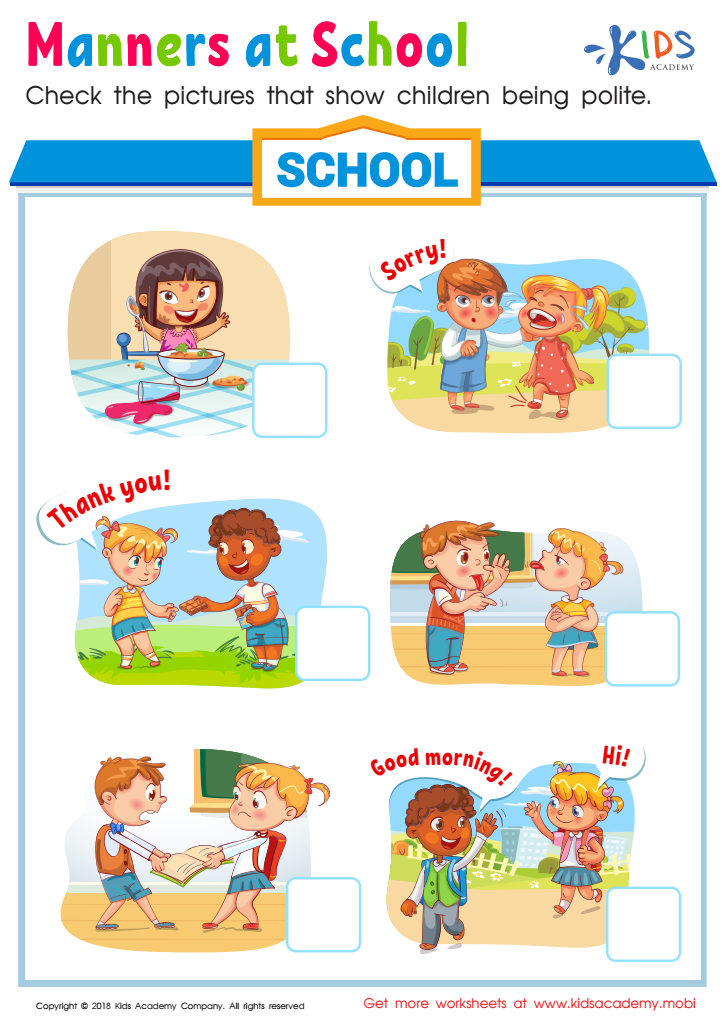
Manners at School Worksheet
 Assign to My Students
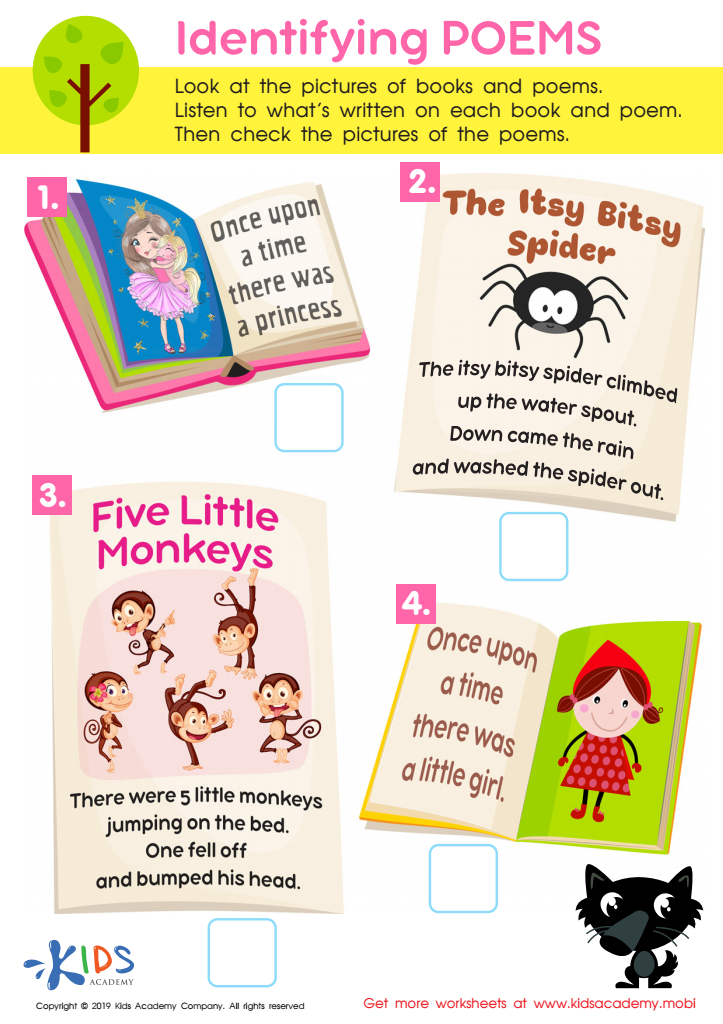
Identifying Poems Worksheet
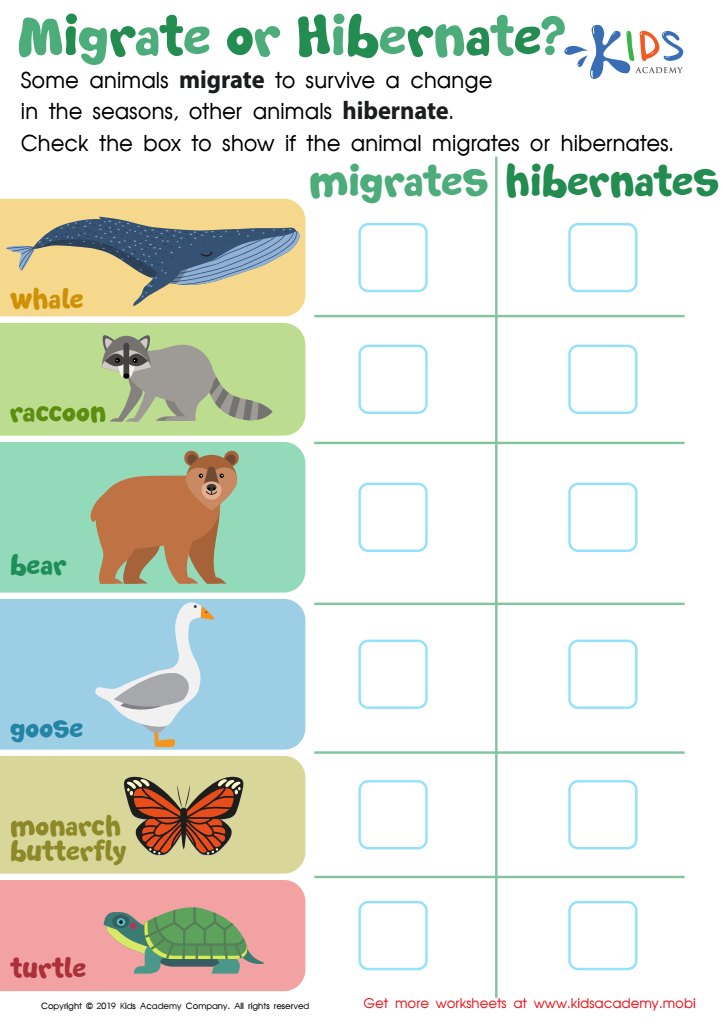
Migrate or Hibernate? Worksheet
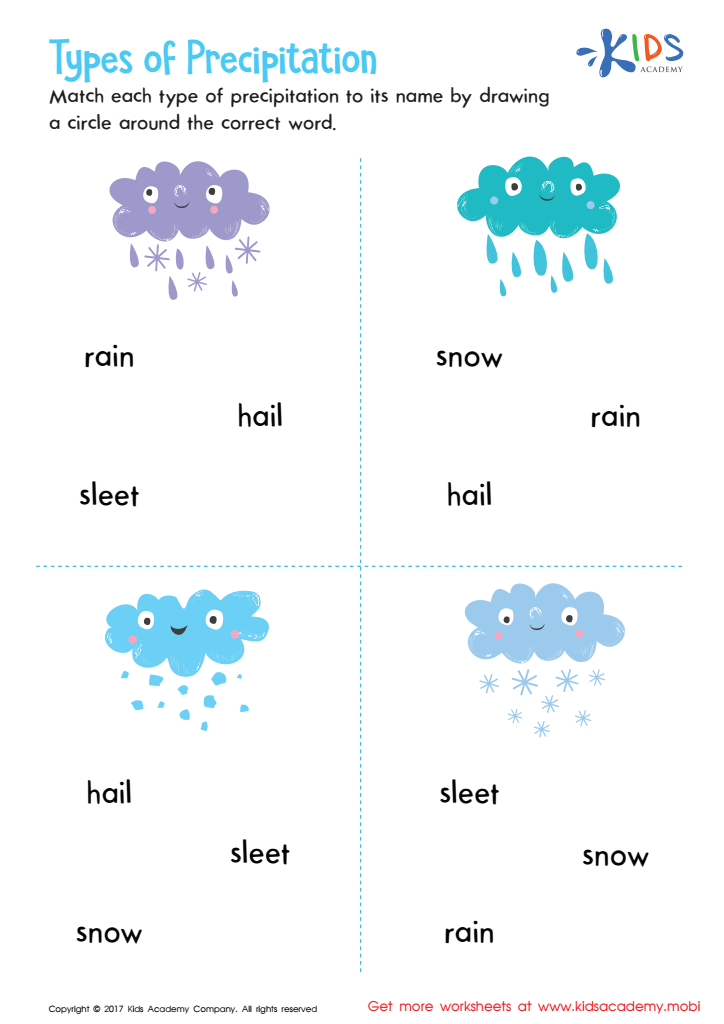
Types of Precipitation Printable






Enhancing vocabulary for children aged 3-5 is crucial as it lays the foundation for their overall language development and academic success. During these formative years, a child's brain is exceptionally receptive to learning new words and concepts. A robust vocabulary not only facilitates better communication but also supports cognitive development.
When parents and teachers actively engage in vocabulary-building activities, they help children understand and express their thoughts, emotions, and experiences more effectively. This enriched communication fosters stronger relationships, as children can articulate their needs and engage in more meaningful interactions with both peers and adults.
Moreover, a strong vocabulary is a key predictor of reading comprehension skills. As children progress in their educational journey, those with a well-developed vocabulary are better equipped to decode and understand complex texts, thereby enhancing their learning experiences across all subjects.
Research also indicates that children with extensive vocabularies tend to achieve higher academic success. They can grasp new concepts quickly and think critically and creatively. Beyond academia, a well-developed vocabulary boosts a child's confidence and ability to participate in various social and intellectual endeavors.
Therefore, parents and teachers play a vital role in creating a rich linguistic environment through interactive reading, conversations, and educational activities, ensuring children thrive both in school and in life.








