Handwriting Skills Normal Worksheets for Ages 3-5
7 filtered results
-
From - To
Discover our "Handwriting Skills Normal Worksheets for Ages 3-5" designed to nurture young learners' handwriting abilities. These engaging, printable worksheets are crafted to enhance fine motor skills, letter formation, and pen control in preschoolers and kindergarteners. Our curriculum aligns with early educational standards, offering a fun and interactive approach to mastering handwriting. Each worksheet provides clear instructions and bright visuals to keep children motivated and excited about learning. Ideal for both classroom and home use, these resources support your child's early writing journey, making the path to proficient handwriting a delightful adventure.
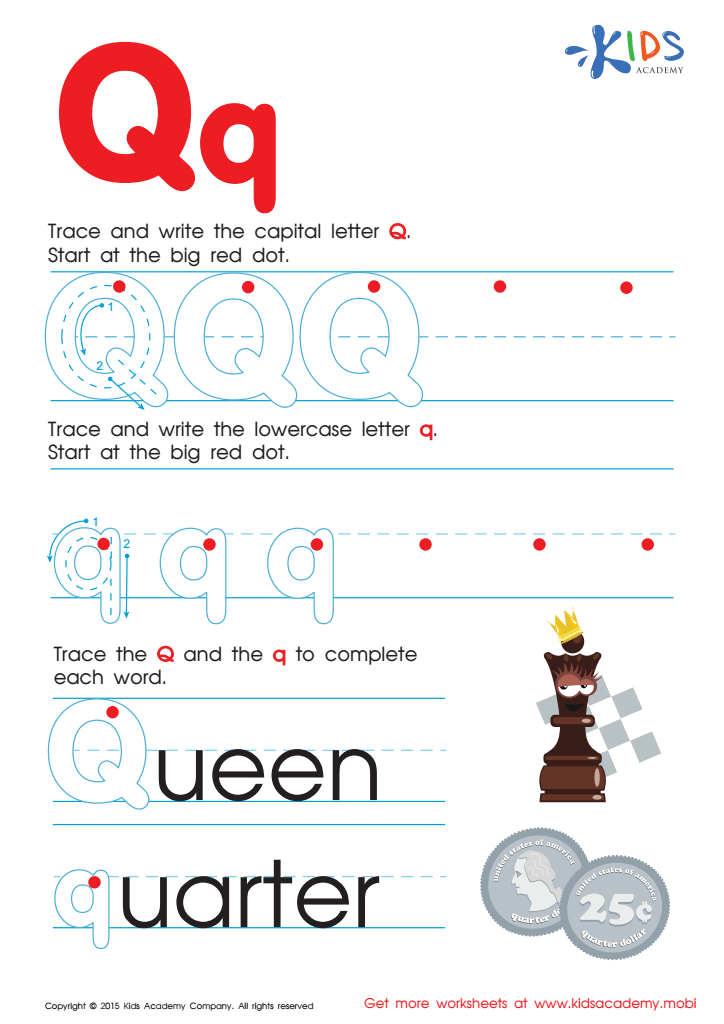
Letter Q Tracing Page
 Assign to My Students
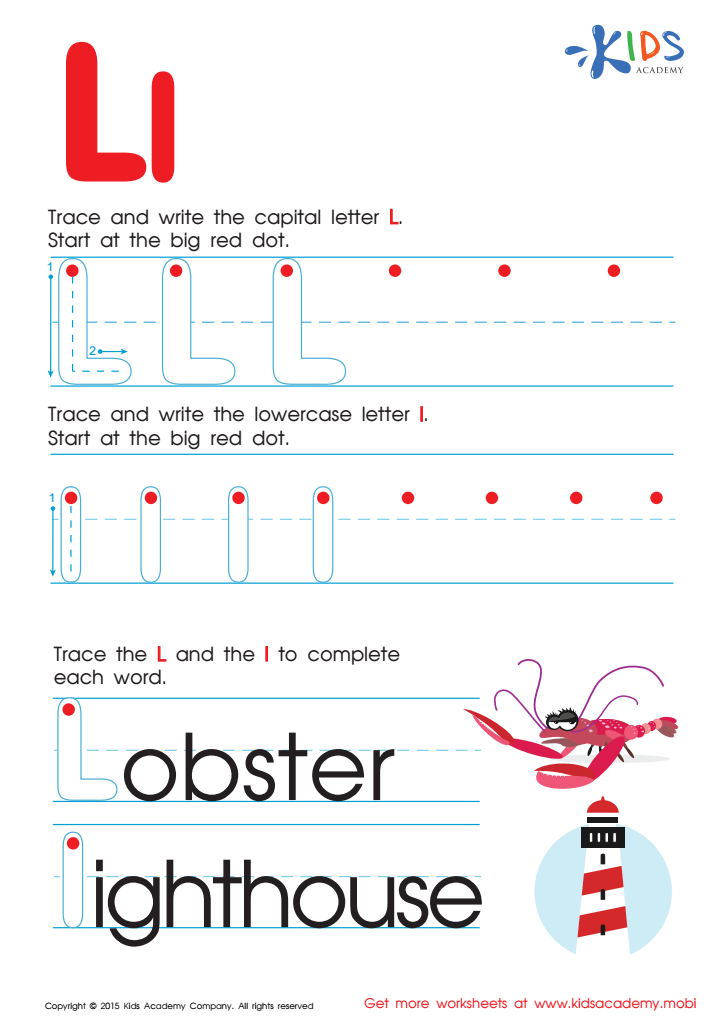
Letter L Tracing Page
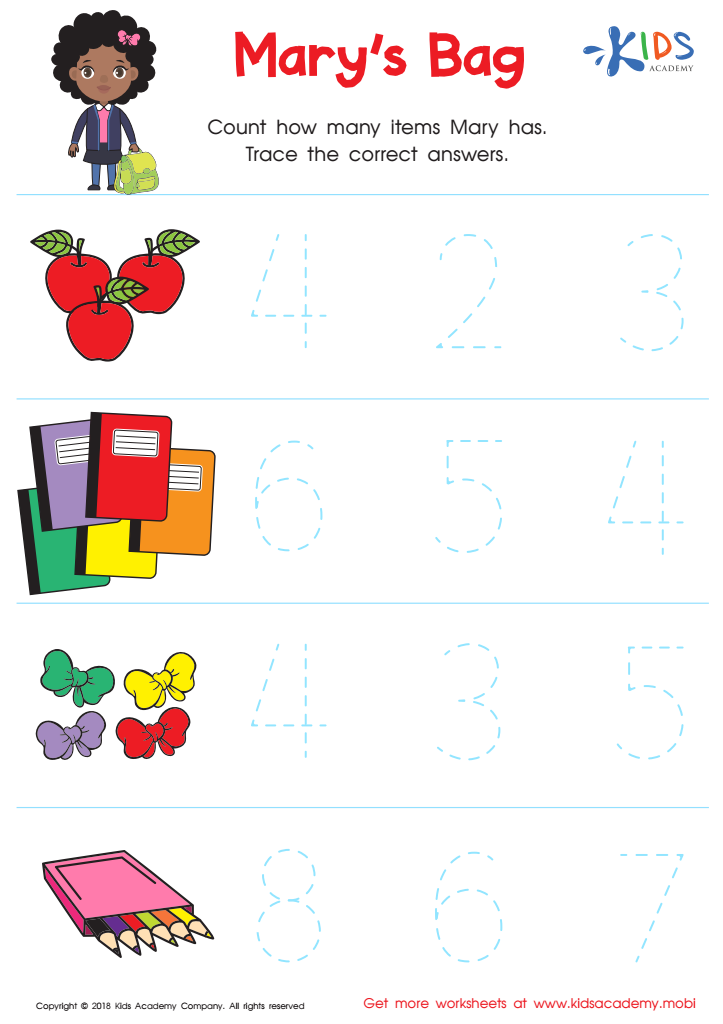
Kindergarten Number Tracing: Mary's Bag Worksheet
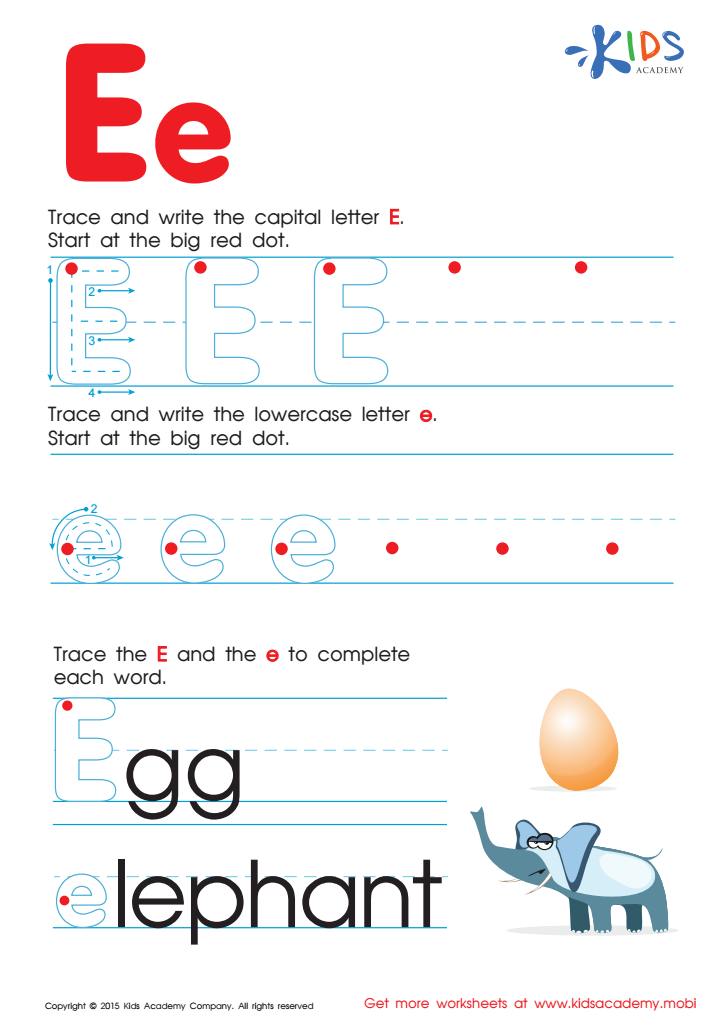
Letter E Tracing Page
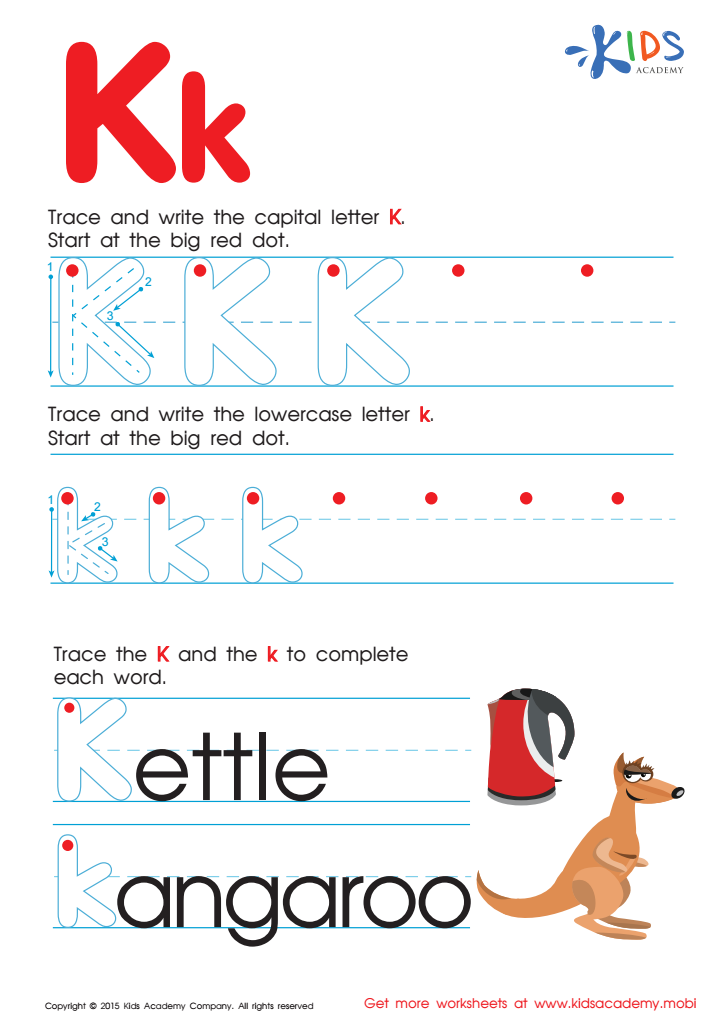
Letter K Tracing Page
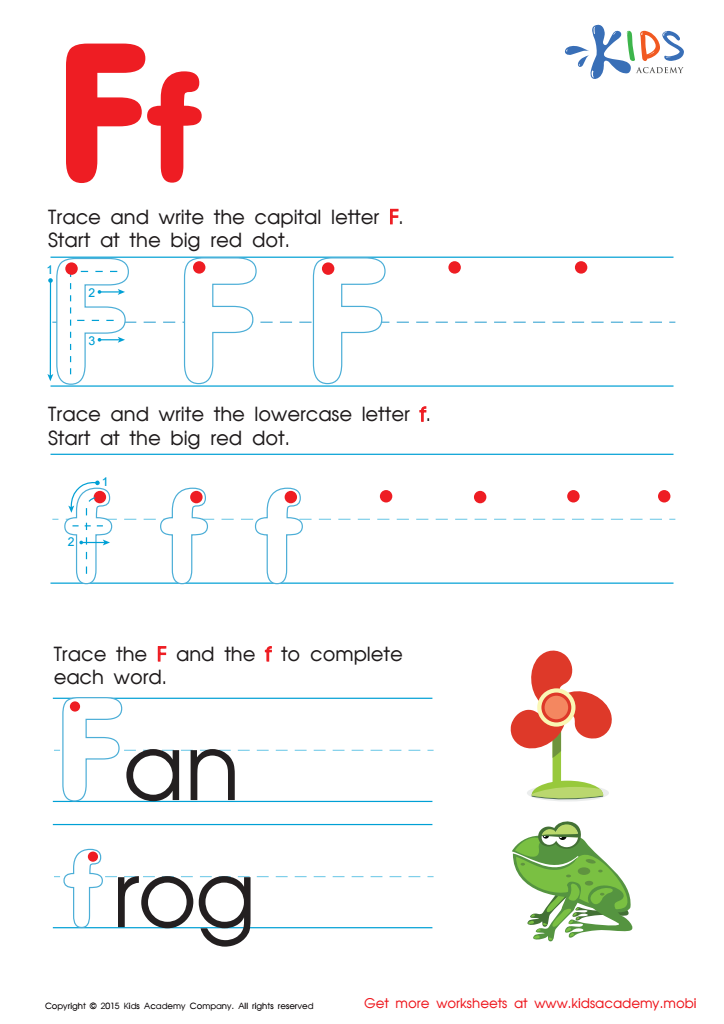
Letter F Tracing Page
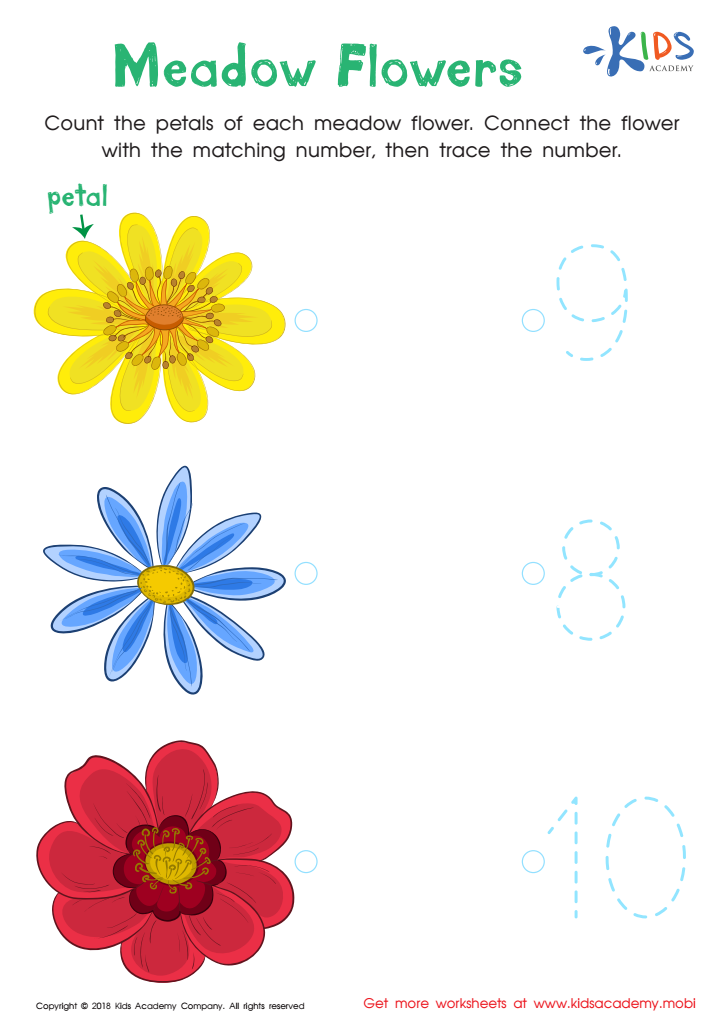
Kindergarten Number Tracing: Medow Flowers Worksheet








Handwriting skills are an essential area of development for children aged 3-5, and it is crucial for both parents and teachers to prioritize these skills during early childhood. At this young age, children are developing their fine motor skills, hand-eye coordination, and dexterity, all of which are foundational for successful handwriting. Mastery of these skills not only facilitates legible writing but also supports other educational and developmental milestones.
Good handwriting practice enhances a child's ability to recognize and remember letters, boosting literacy skills and reading readiness. Writing letters and words also aids in the learning of language structures and expands vocabulary. Beyond academics, handwriting fosters invaluable cognitive skills, such as focus, patience, and attention to detail.
Additionally, early handwriting development encourages creativity and self-expression, as children feel more confident in their ability to communicate thoughts and stories. This can translate into a more positive attitude toward learning overall, giving them a head start in their educational journey.
Moreover, these formative years are the optimal time for children to start developing muscle memory for accurate letter formation, making the learning process smoother and more enjoyable. Therefore, it is imperative for parents and teachers to support and cultivate handwriting skills from ages 3-5, laying a strong foundation for future academic and personal success.








