Observational skills Normal Worksheets for Ages 3-5
4 filtered results
-
From - To
Enhance your child's observational skills with our engaging Normal Worksheets designed for ages 3-5! These worksheets promote critical thinking and encourage young learners to explore their surroundings. With fun activities that include identifying patterns, analyzing objects, and drawing conclusions, children will develop their attention to detail and enhance cognitive abilities. Our user-friendly design ensures that both parents and educators can easily implement these exercises at home or in the classroom. Foster curiosity and strengthen observational skills in your little ones as they enjoy each activity! Start downloading and watch your child's learning journey flourish with our worksheets today!
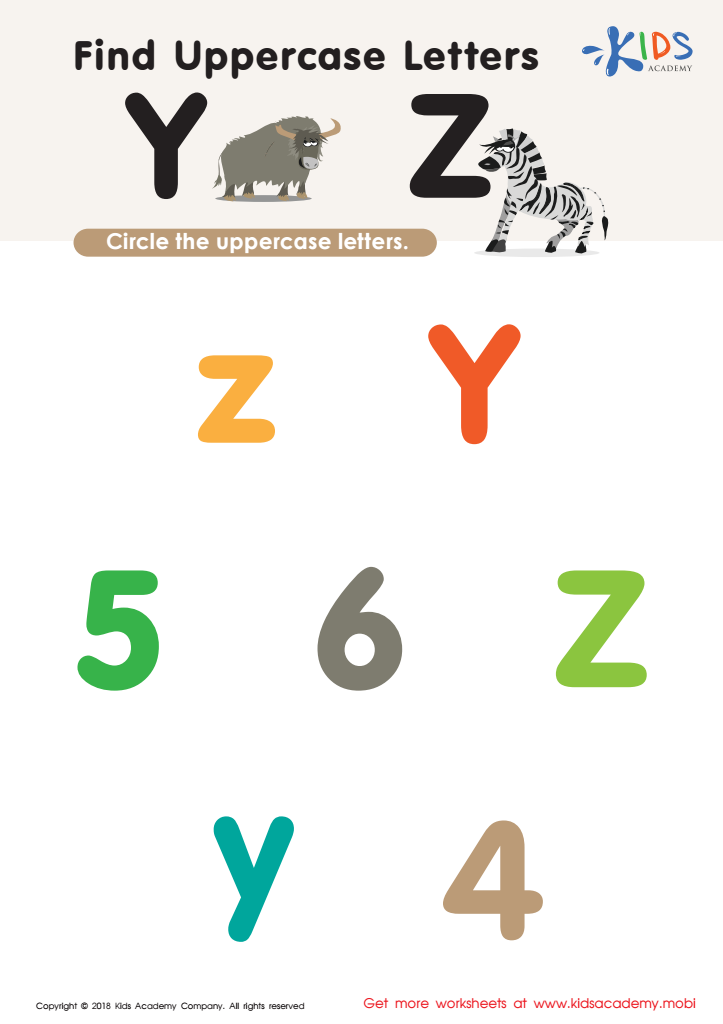
Find Uppercase Letters Y Z Worksheet
 Assign to My Students
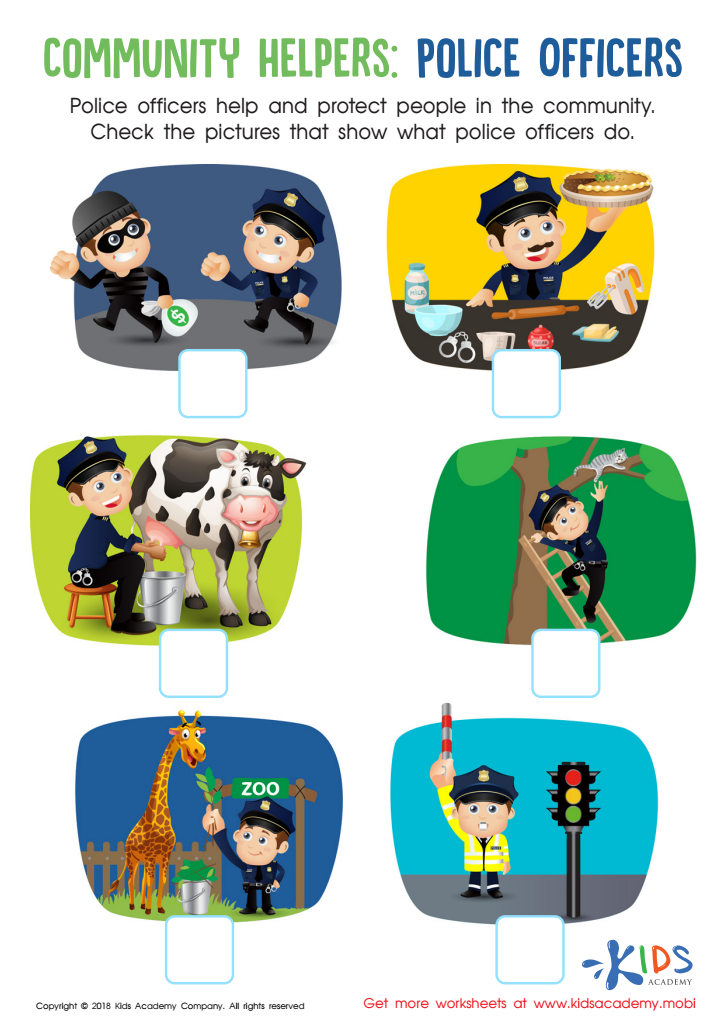
Police Officers Community Helpers Worksheet
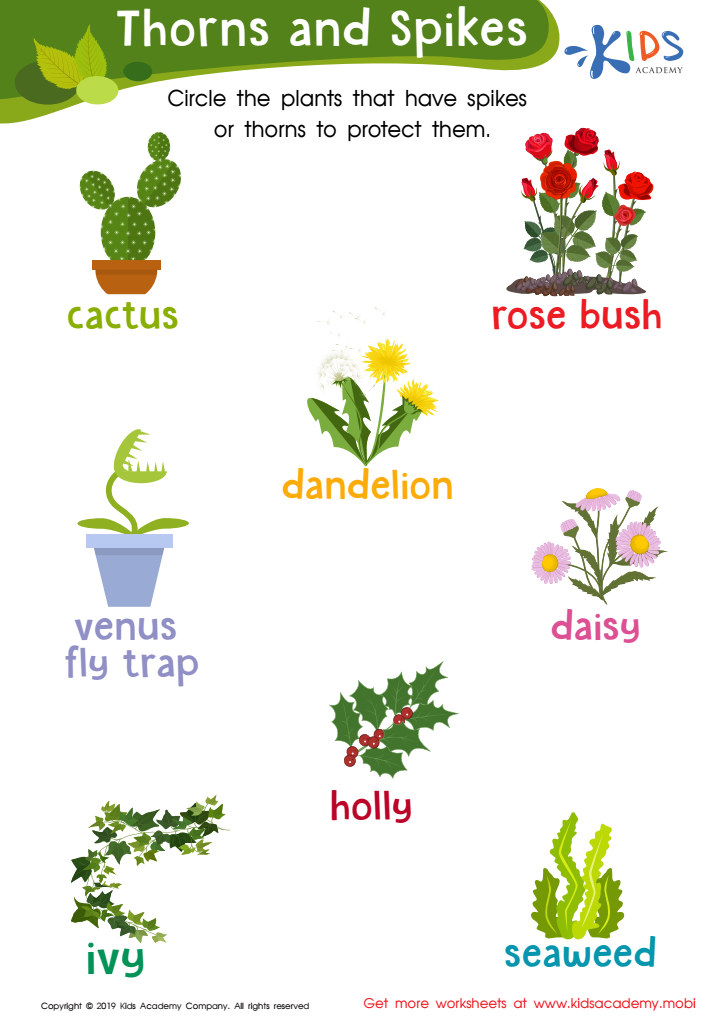
Thorns and Spikes Worksheet
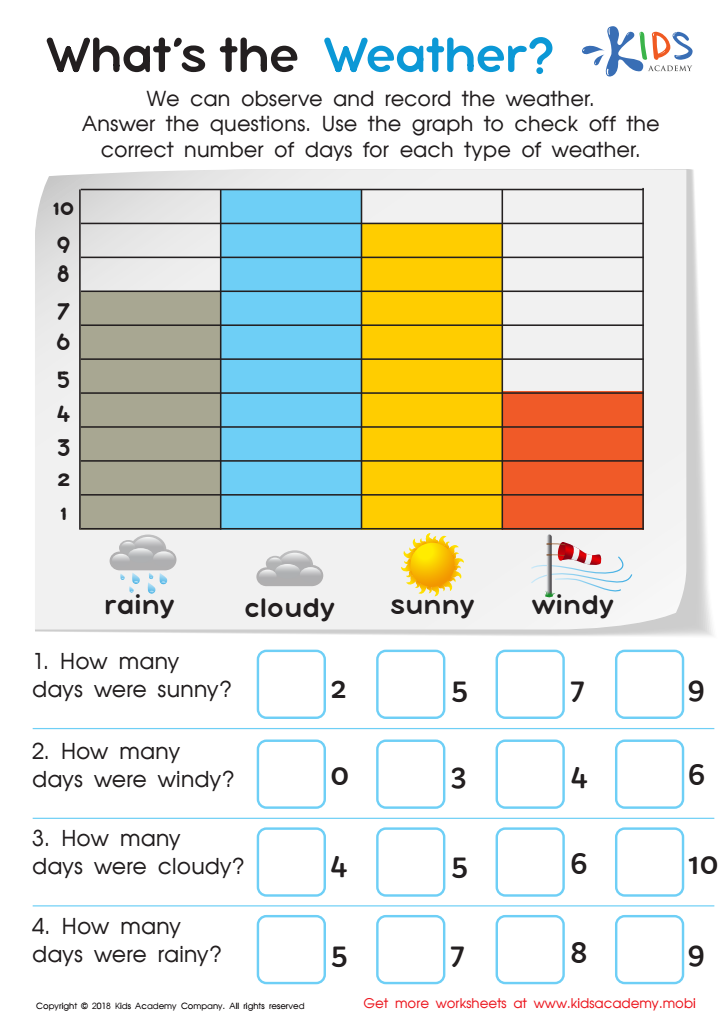
What's the Weather? Worksheet








Observational skills are fundamental for children ages 3-5 as they serve as the building blocks for learning and understanding the world around them. During this critical developmental stage, children are naturally curious and engage in exploration. Parents and teachers play a crucial role in nurturing this curiosity through fostering strong observational skills.
Developing these skills helps children notice details, patterns, and relationships, enhancing their cognitive abilities and preventing future challenges in academic settings. For instance, by observing their environment, children learn concepts of math, science, and language through real-world experiences. Furthermore, kids with sharpened observational abilities are often more adept at problem-solving and critical thinking.
In addition, these skills are essential for social development. They enable children to read emotional cues and body language, enhancing their ability to interact with peers and caregivers. This social awareness fosters empathy and emotional intelligence, which are vital for fostering healthy relationships.
Parents and teachers should employ strategies, such as open-ended questions, interactive play, and outdoor exploration, to facilitate the development of these skills. By prioritizing observational skills, adults can significantly influence children’s academic readiness, emotional well-being, and overall growth during these formative years.








