Visual recognition Normal Worksheets for Ages 3-5
5 filtered results
-
From - To
Discover our "Visual Recognition Normal Worksheets for Ages 3-5," designed to enhance early learning and cognitive skills in young children. These engaging worksheets help toddlers and preschoolers develop essential visual recognition abilities through colorful and interactive activities. Whether identifying shapes, matching objects, or categorizing images, our curriculum fosters critical thinking and improves focus. With age-appropriate designs and user-friendly layouts, these printables make learning fun and effective. Encourage your child's development and build a strong foundation for future learning with our wide selection of visual recognition worksheets tailored specifically for ages 3-5. Perfect for home or classroom use!
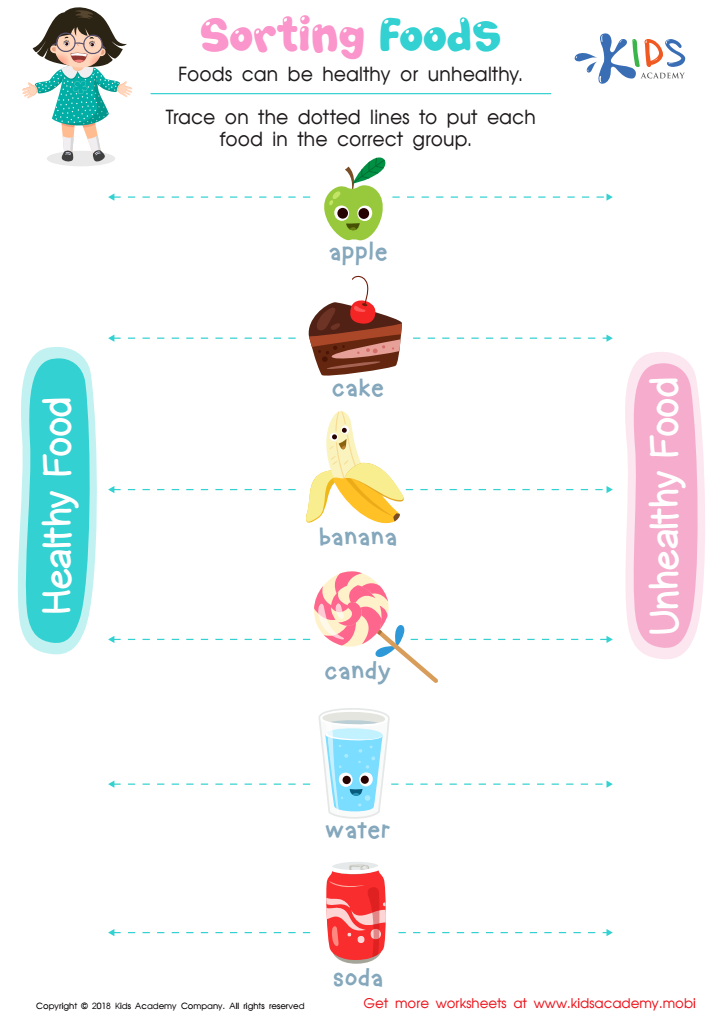
Sorting Food Worksheet
 Assign to My Students
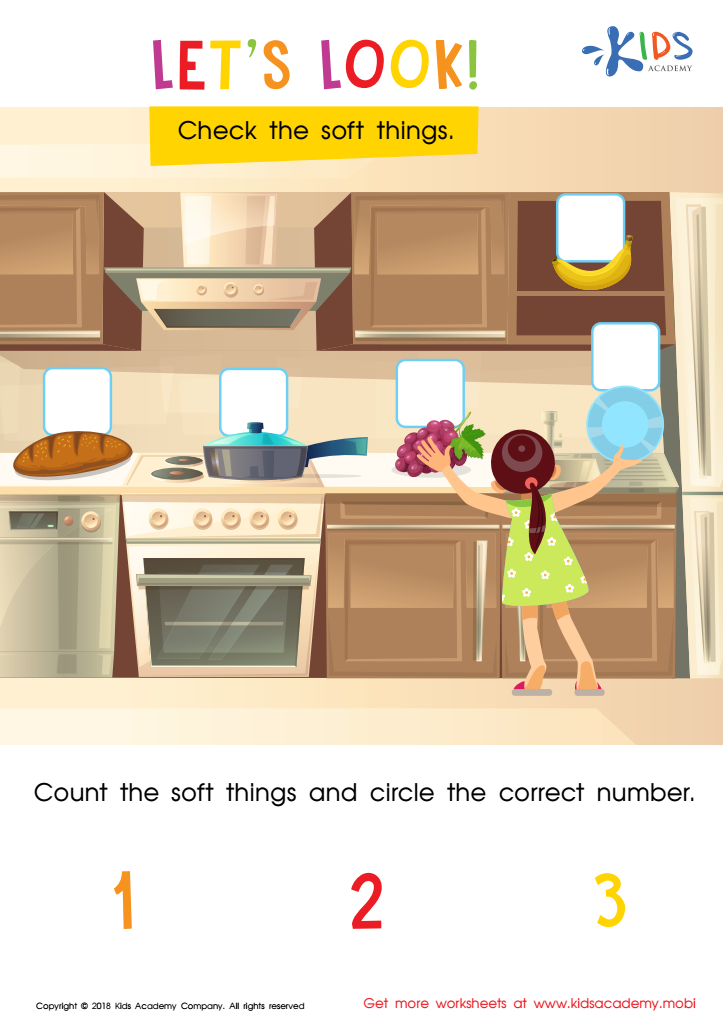
Let's Look! Assessment Worksheet
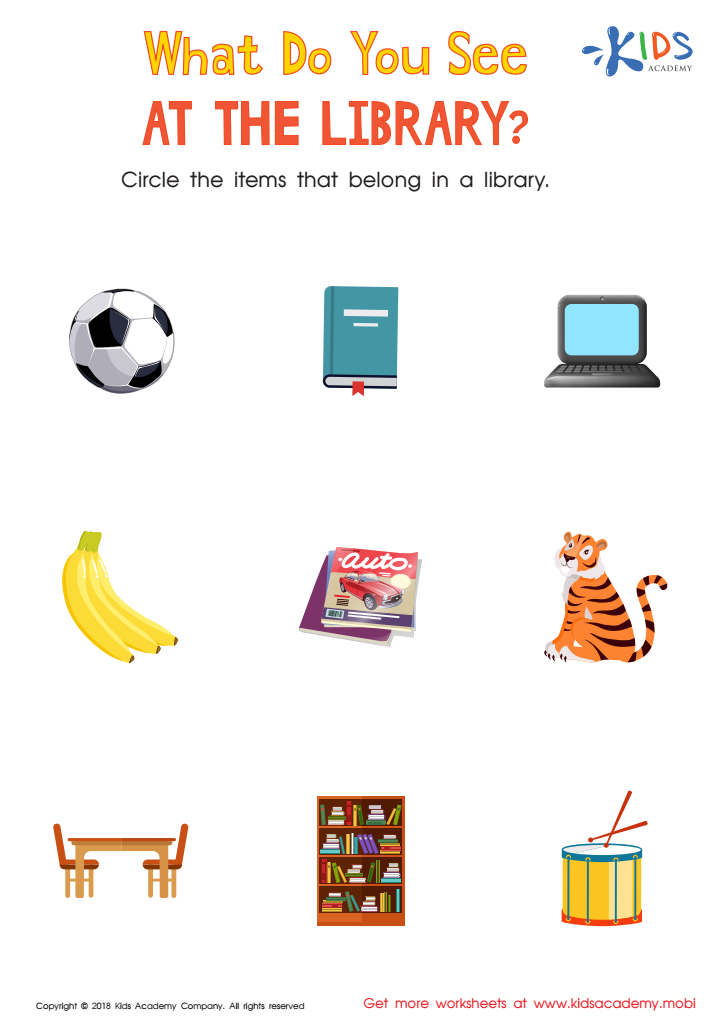
What Do you See at the Library? Worksheet

The Four Seasons Worksheet
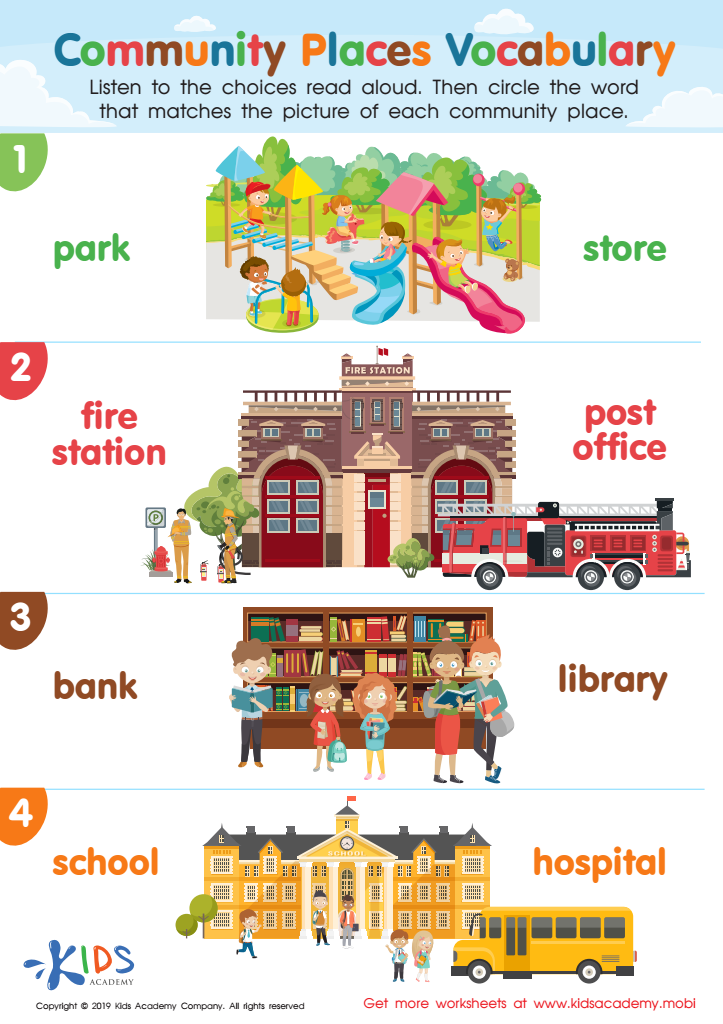
Community Places Vocabulary Worksheet








Visual recognition is a crucial cognitive skill for children aged 3-5, forming the foundation for their learning and development. At this stage, children begin to identify and understand symbols, shapes, colors, and expressions, which are essential for mastering literacy and numeracy concepts. By developing visual recognition skills, children enhance their ability to recognize letters and numbers, participate in reading activities, and comprehend visual cues in their environment.
Parents and teachers should prioritize visual recognition because it directly influences a child's academic success and everyday interactions. Early exposure to visual stimuli helps children build their vocabulary, fosters critical thinking, and encourages independent exploration. Engaging with books, educational games, and hands-on activities can enrich their visual experiences, leading to improved concentration and memory retention.
Moreover, strong visual recognition skills support social development, as children learn to interpret facial expressions and body language, which is vital for forming relationships and mastering social cues. In essence, supporting visual recognition is integral to nurturing well-rounded individuals prepared for future learning challenges and interpersonal interactions. Investing in tools and activities that enhance these skills can significantly impact their overall growth and confidence in both academic and social situations.








