Problem-solving abilities Normal Math Worksheets for Ages 3-5
6 filtered results
-
From - To
Discover our collection of Problem-Solving Abilities Normal Math Worksheets designed specifically for ages 3-5. These engaging and age-appropriate worksheets help young learners develop critical thinking and problem-solving skills through fun and interactive activities. Children will explore basic math concepts through colorful visuals and engaging exercises, enhancing their cognitive abilities in an enjoyable way. Perfect for both classroom and home use, these worksheets provide a solid foundation in early math education, preparing preschoolers and kindergarteners for future academic success. Equip your child with the tools they need to become confident problem solvers with our expertly crafted worksheets.

Making 19 with Pizza! Worksheet
 Assign to My Students

Adding at the Hospital Worksheet
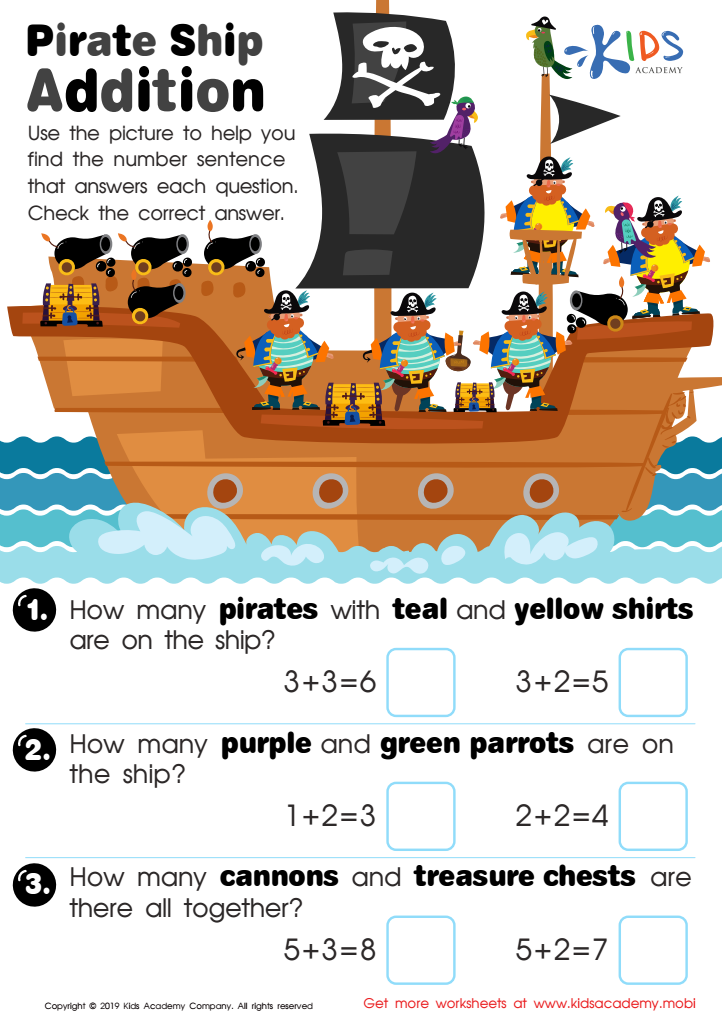
Pirate Ship Addition Worksheet
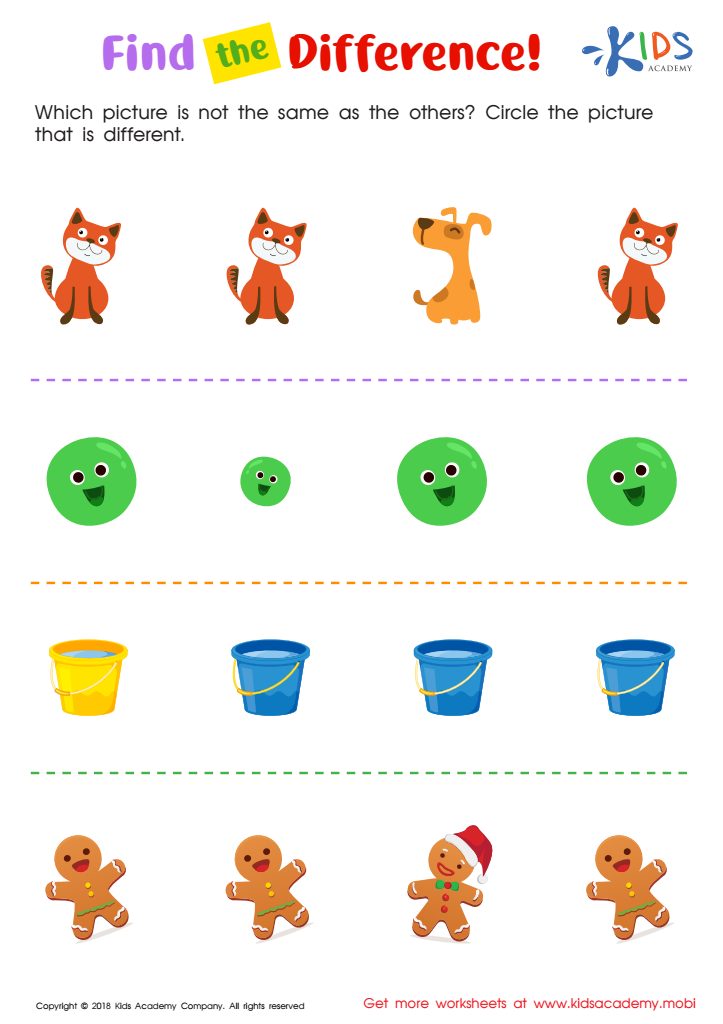
Find the Difference Worksheet
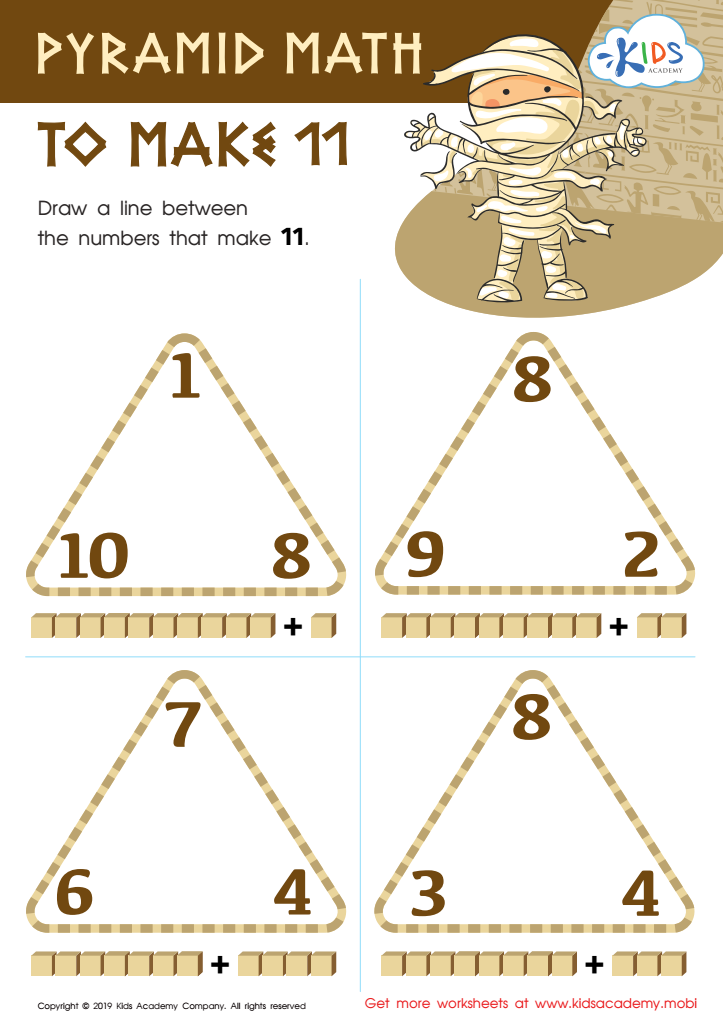
Pyramid Math to Make 11 Worksheet








Problem-solving abilities in early childhood (ages 3-5) hold monumental importance for both parents and teachers, as these skills form the foundation for academic success and day-to-day functioning. At this developmental stage, children are naturally curious and absorb information quickly. Introducing problem-solving through normal math activities enables them to develop critical thinking and cognitive skills.
Early exposure to math concepts like counting, pattern recognition, and simple addition helps children build a strong understanding of numbers and their practical application. This foundation is pivotal for more complex academic subjects they will encounter later. More so, engaging in problem-solving activities fosters independence, creativity, and resilience—key life skills that transcend academic settings.
For parents, nurturing these skills can be as simple as involving kids in everyday activities that require counting or sorting objects, and for teachers, integrating interactive and playful math lessons can provide ample opportunities for kids to explore and learn. Encouraging a positive attitude towards problem-solving from a young age sets the stage for a lifelong love of learning and equips children with the tools they need to navigate challenges both inside and outside the classroom. Therefore, investing time and effort into cultivating these abilities promises long-term benefits for a child’s intellectual and personal development.








