Visual discrimination Normal Math Worksheets for Ages 3-5
8 filtered results
-
From - To
Enhance your child's foundational math skills with our Visual Discrimination Normal Math Worksheets for ages 3-5. These engaging activities focus on sharpening visual discrimination abilities, critical for early learning. Kids will enjoy sorting, matching, and identifying numbers, shapes, and patterns, stimulating cognitive development. Designed by experts, these worksheets provide fun, interactive tasks to boost confidence in recognizing differences and similarities. Perfect for preschoolers, these resources support key learning objectives while keeping young minds entertained. Unlock your child’s potential with Kids Academy’s premium quality, printable worksheets – where learning meets play!
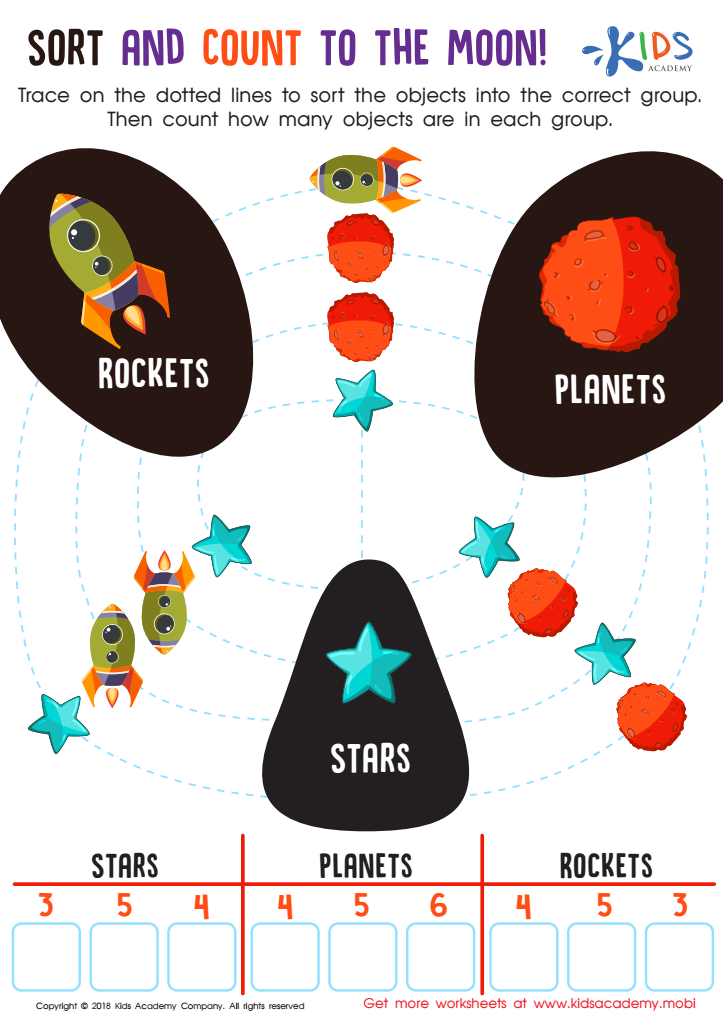
Sort and Count to the Moon Worksheet
 Assign to My Students
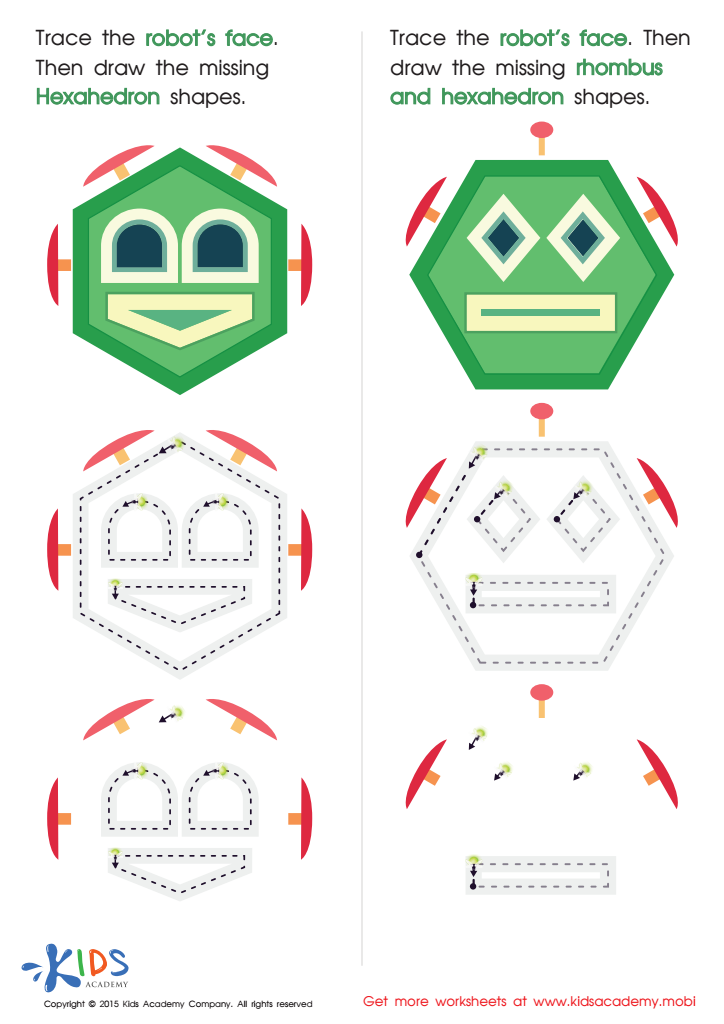
Practice Drawing Hexahedrons And a Rhombus Worksheet
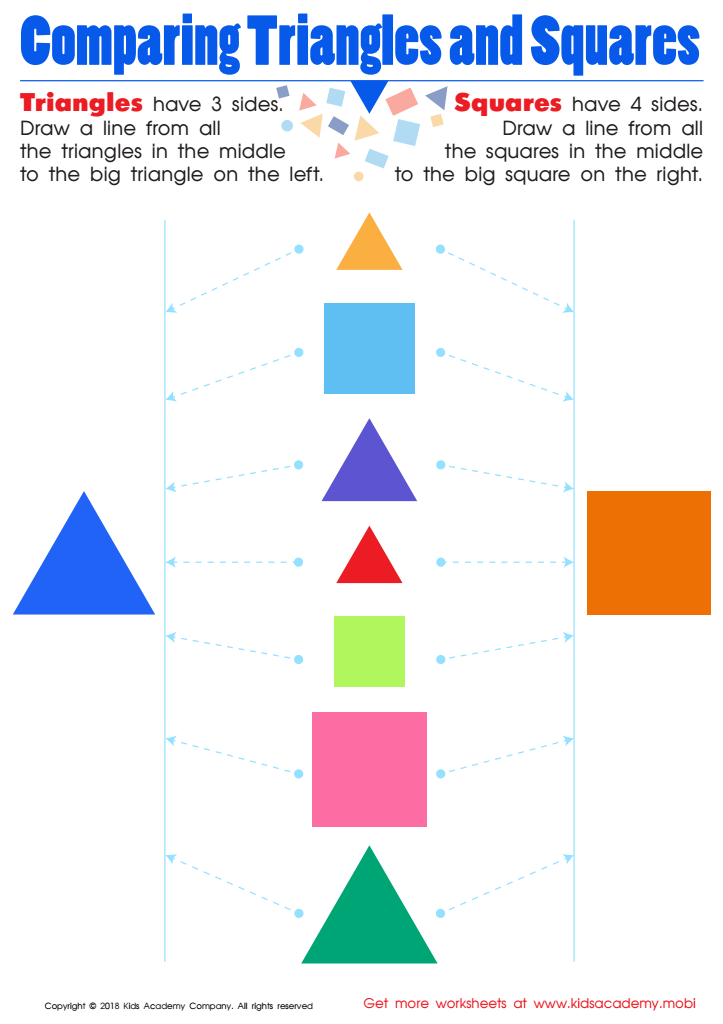
Comparing Triangles Squares Worksheet
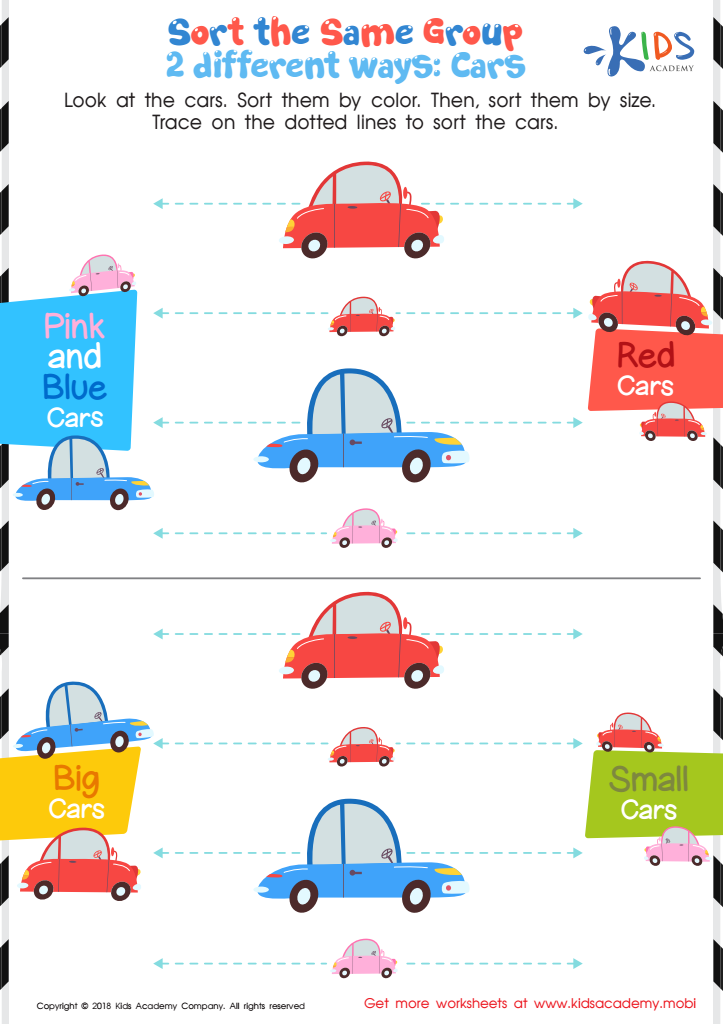
Sort the Same Group 2 Different Ways: Cars Worksheet
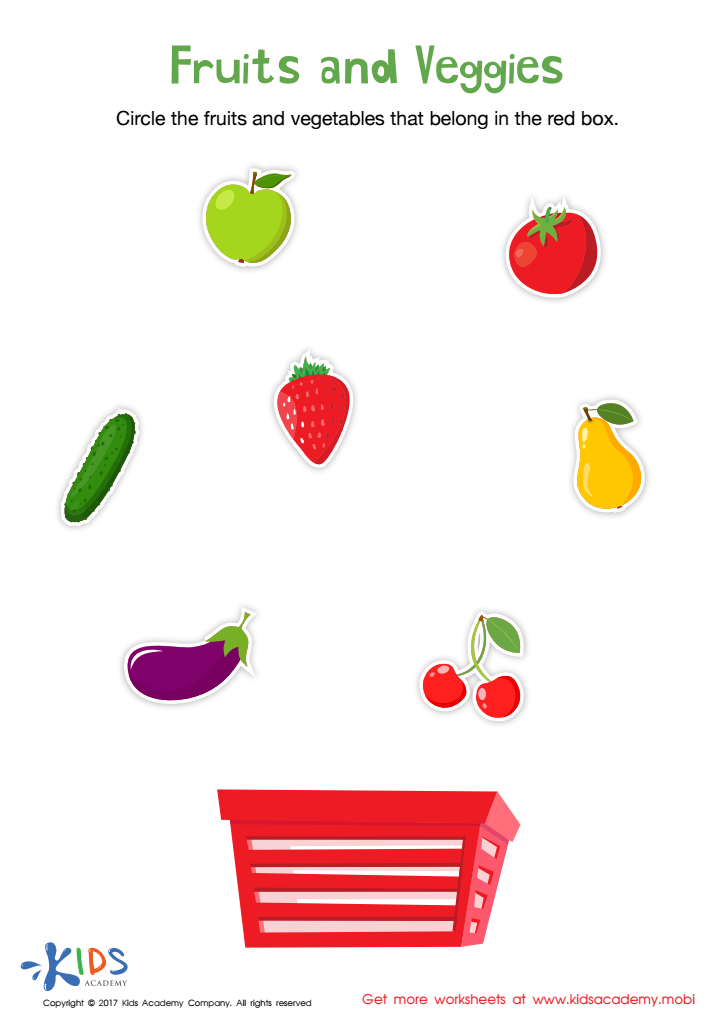
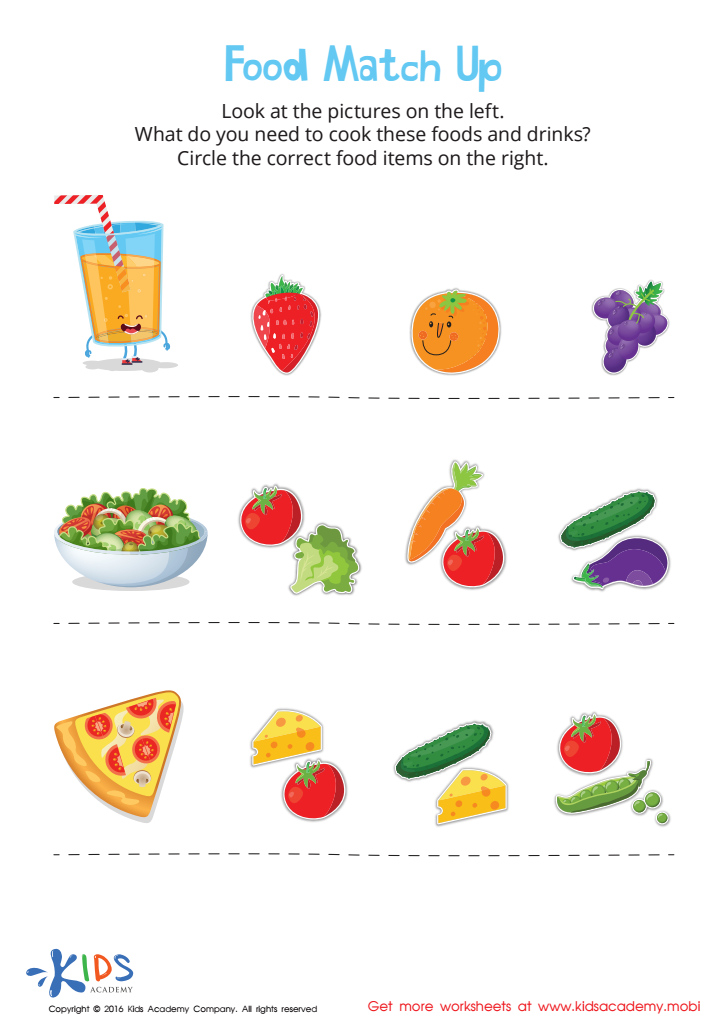
Food Match Up Worksheet
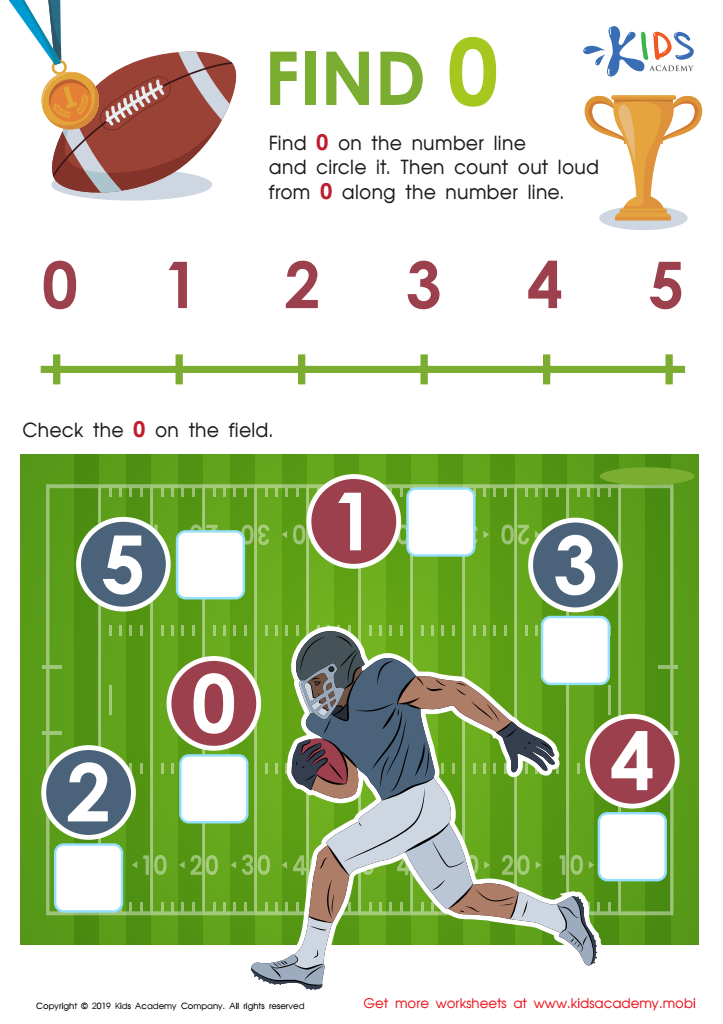
Find 0 Worksheet
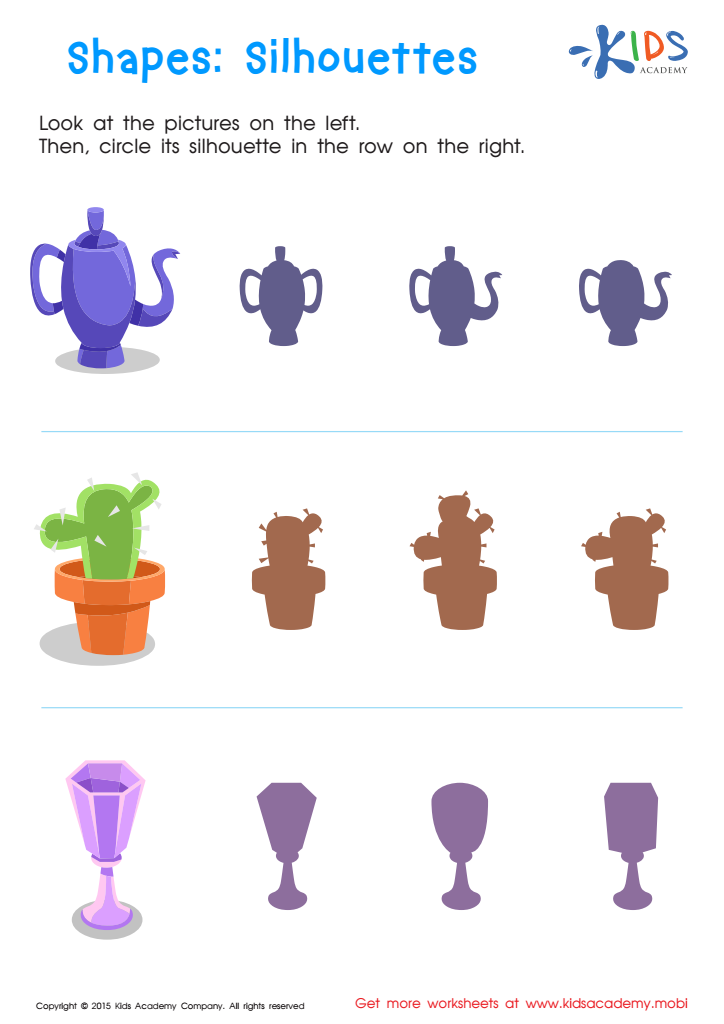
Silhouettes – Shapes Worksheet





Visual discrimination in early math is crucial for children's developmental progress, particularly between the ages of 3 and 5. At this tender age, kids' brains are highly receptive to new information, and foundational skills in visual discrimination can pave the way for future mathematical understanding. Visual discrimination involves the ability to perceive differences and similarities in size, shape, pattern, and quantity among objects. This skill enables children to distinguish between different numbers and symbols which is fundamental for basic math operations like counting, sorting, and pattern recognition.
When parents or teachers invest time in nurturing visual discrimination, they are essentially setting the stage for more complex cognitive abilities. Activities like sorting by shape or size, matching identical items, and recognizing the order in sequences help sharpen attention to detail and problem-solving skills. These abilities support not only mathematical competencies but also reading and writing, as children become adept at spotting differences in letters and words.
Moreover, visual discrimination exercises can make learning engaging and fun, capturing children's natural curiosity. Games, puzzles, and hands-on activities serve a dual purpose of educating and entertaining, thereby enhancing motivation and a positive attitude towards learning. By fostering visual discrimination skills early on, parents and teachers help children build a strong, versatile foundation for lifelong academic and personal success.








