Vocabulary development Normal Math Worksheets for Ages 3-5
4 filtered results
-
From - To
Discover our engaging "Vocabulary Development Normal Math Worksheets" designed specifically for children aged 3-5. These worksheets seamlessly combine foundational math concepts with vocabulary enhancement, laying a balanced educational groundwork for young learners. Our thoughtfully crafted activities promote word recognition and comprehension while familiarizing your child with essential math terms in a fun and interactive way. Ideal for at-home learning or classroom use, these worksheets encourage cognitive growth and mathematical fluency through play-based learning experiences. Help your little ones build confidence and skills with our vibrant, easy-to-follow worksheets that make learning enjoyable. Start nurturing their mathematical vocabulary today!
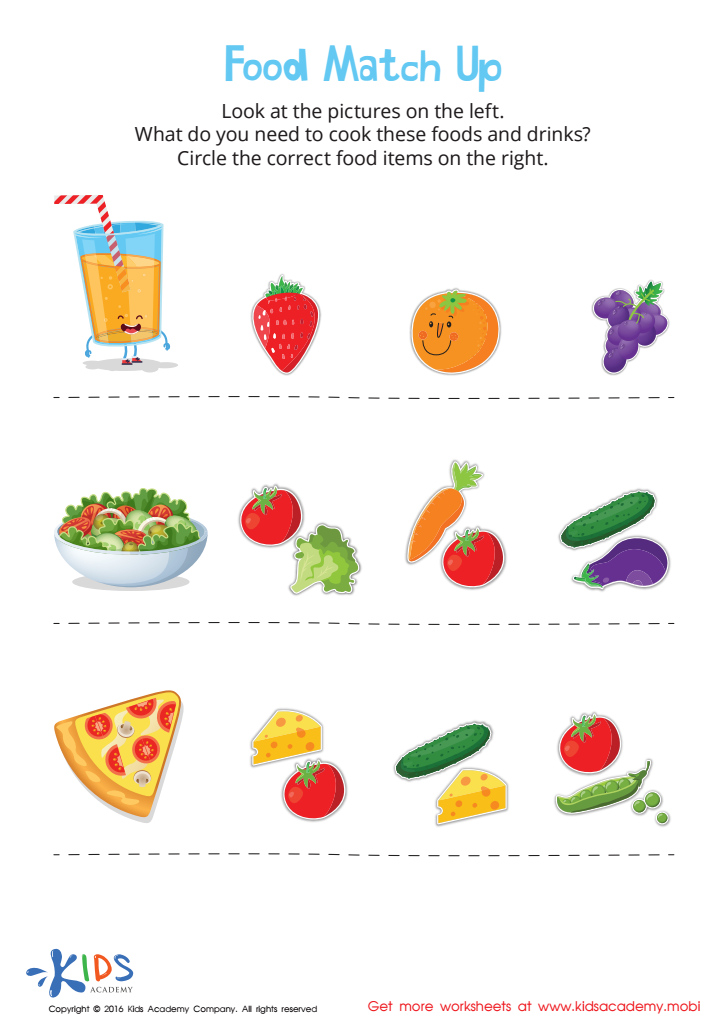
Food Match Up Worksheet
 Assign to My Students
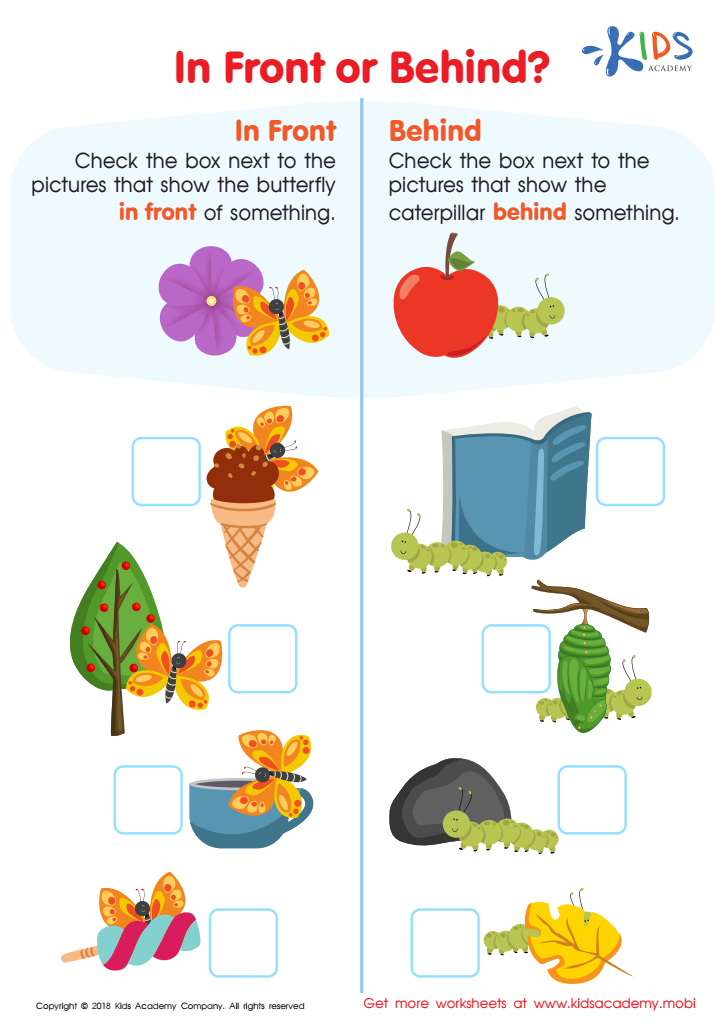
In Front or Behind Worksheet
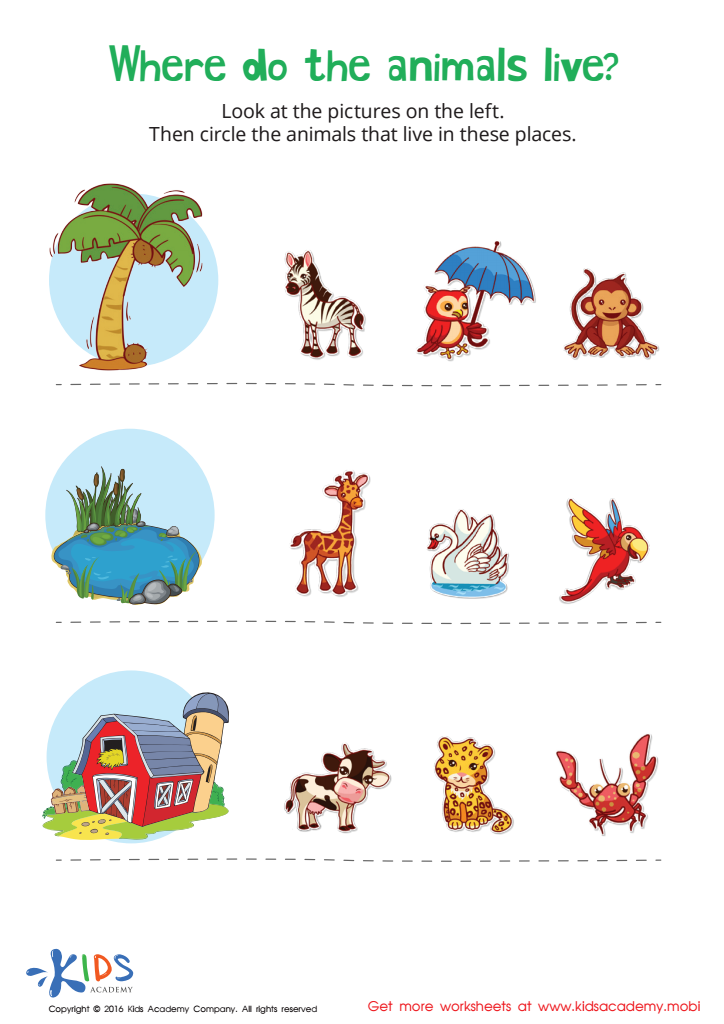
Where Animals Live Worksheet
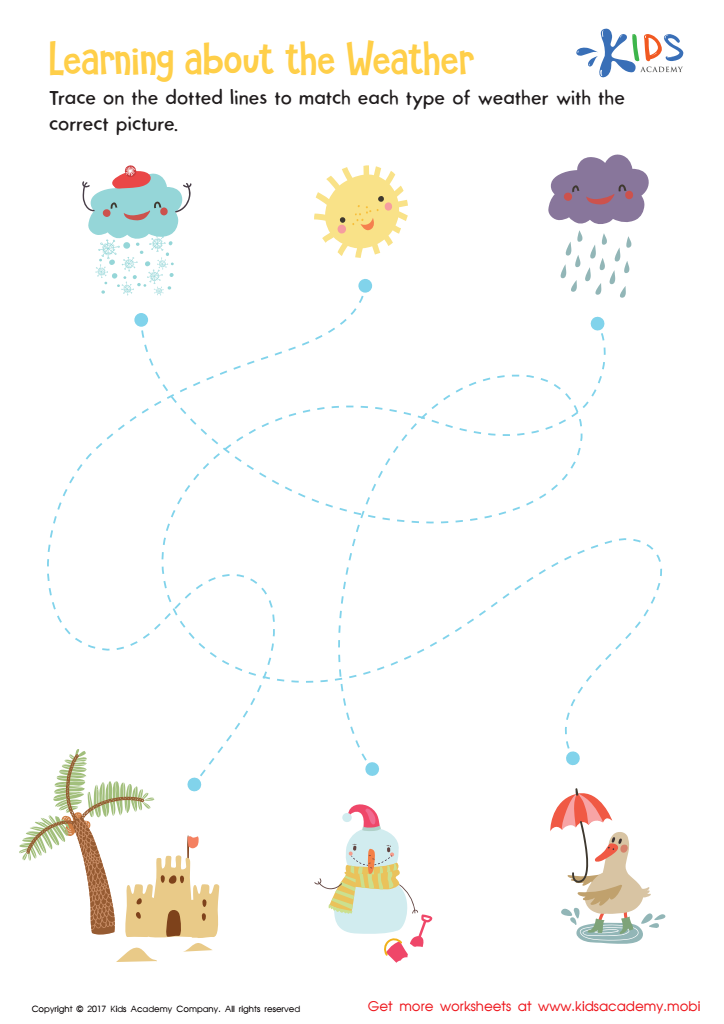







Vocabulary development in early childhood, particularly for children aged 3-5, is crucial because it forms the foundation for future literacy and overall cognitive skills. A rich vocabulary enhances a child's ability to communicate effectively, express ideas, and comprehend complex concepts later in life. As children engage in conversations, listen to stories, and participate in reading activities, their understanding of language expands significantly.
In the context of early mathematics, vocabulary development plays an essential role in shaping a child's ability to grasp mathematical concepts. Introducing mathematical vocabulary such as "more," "less," "add," "subtract," and "equal" helps children articulate their understanding of numbers and operations. This linguistic skill is necessary for problem-solving and mathematical reasoning, enabling children to make connections and develop a positive attitude toward math.
Moreover, strong vocabulary skills are linked to academic success across all subjects. Parents and teachers can foster vocabulary development through engaging activities, storytelling, and interactive play. By laying a solid vocabulary groundwork, adults can set young learners on a path toward lifelong learning and achievement, equipping them with the tools they need for effective communication and critical thinking as they grow.








