Fine Motor Skills Normal Matching Worksheets for Ages 3-5
4 filtered results
-
From - To
Enhance your child's fine motor skills with our engaging Normal Matching Worksheets designed specifically for ages 3-5. These fun, interactive sheets offer an effective way to promote hand-eye coordination, precision, and dexterity through matching activities. Each worksheet features colorful illustrations and themes that capture children’s attention while encouraging learning. These resources are perfect for preschool classrooms or at-home learning and help build a foundation for essential early academic skills. With easy-to-use formats and enjoyable tasks, our Fine Motor Skills matching worksheets provide a delightful experience that inspires young learners to explore and grow through play and creativity. Start matching today!
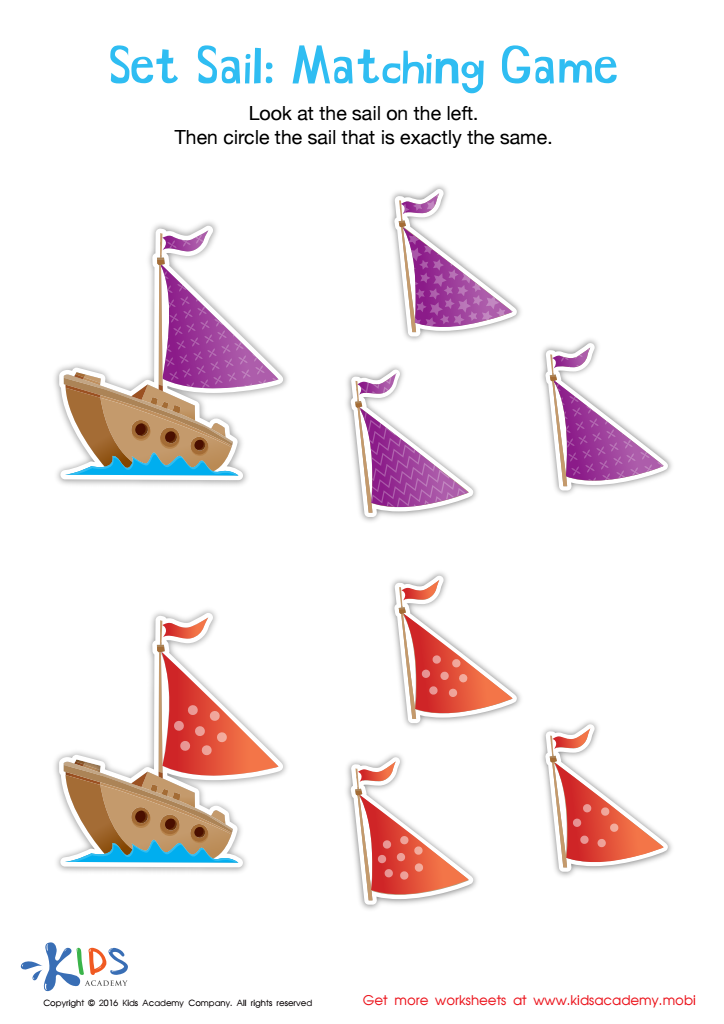
Set Sail Worksheet
 Assign to My Students

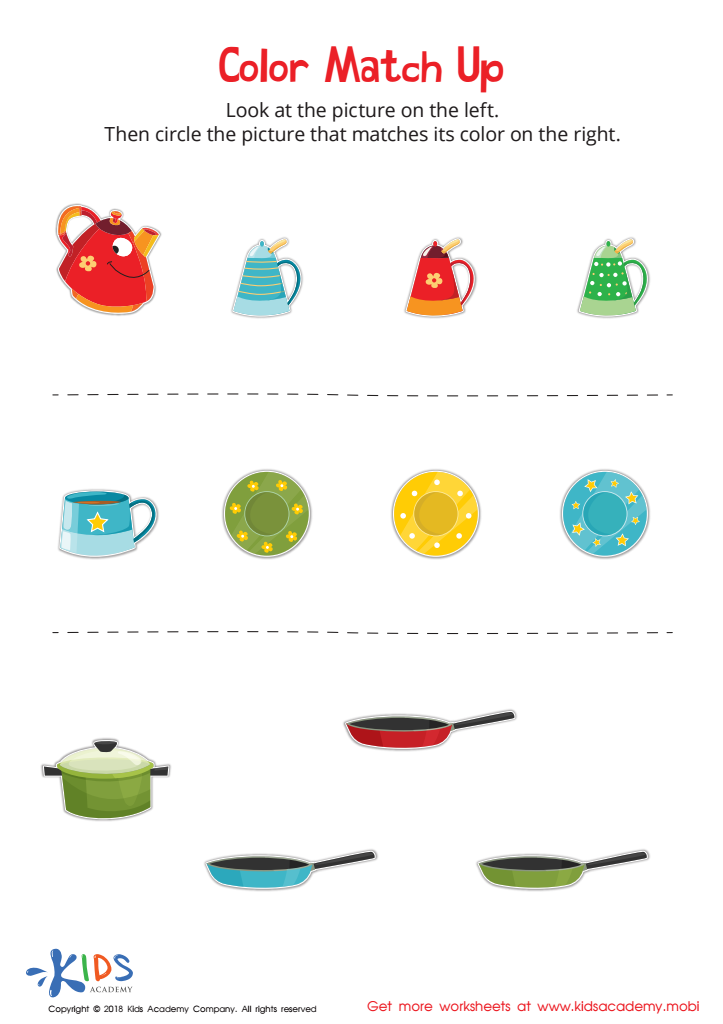
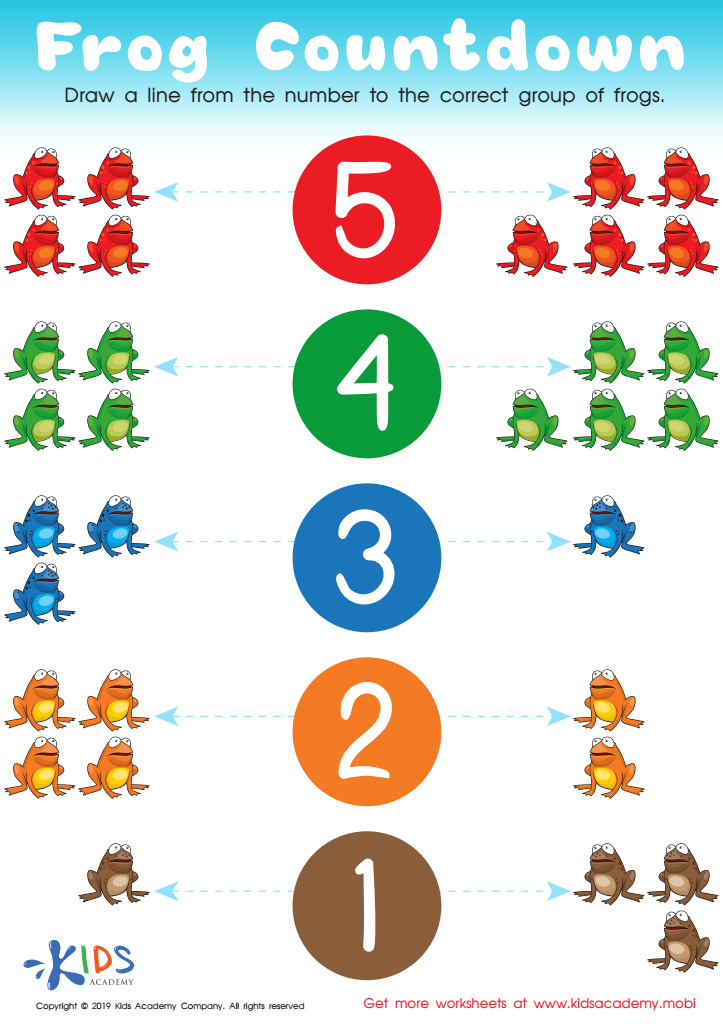
Frog Countdown Worksheet


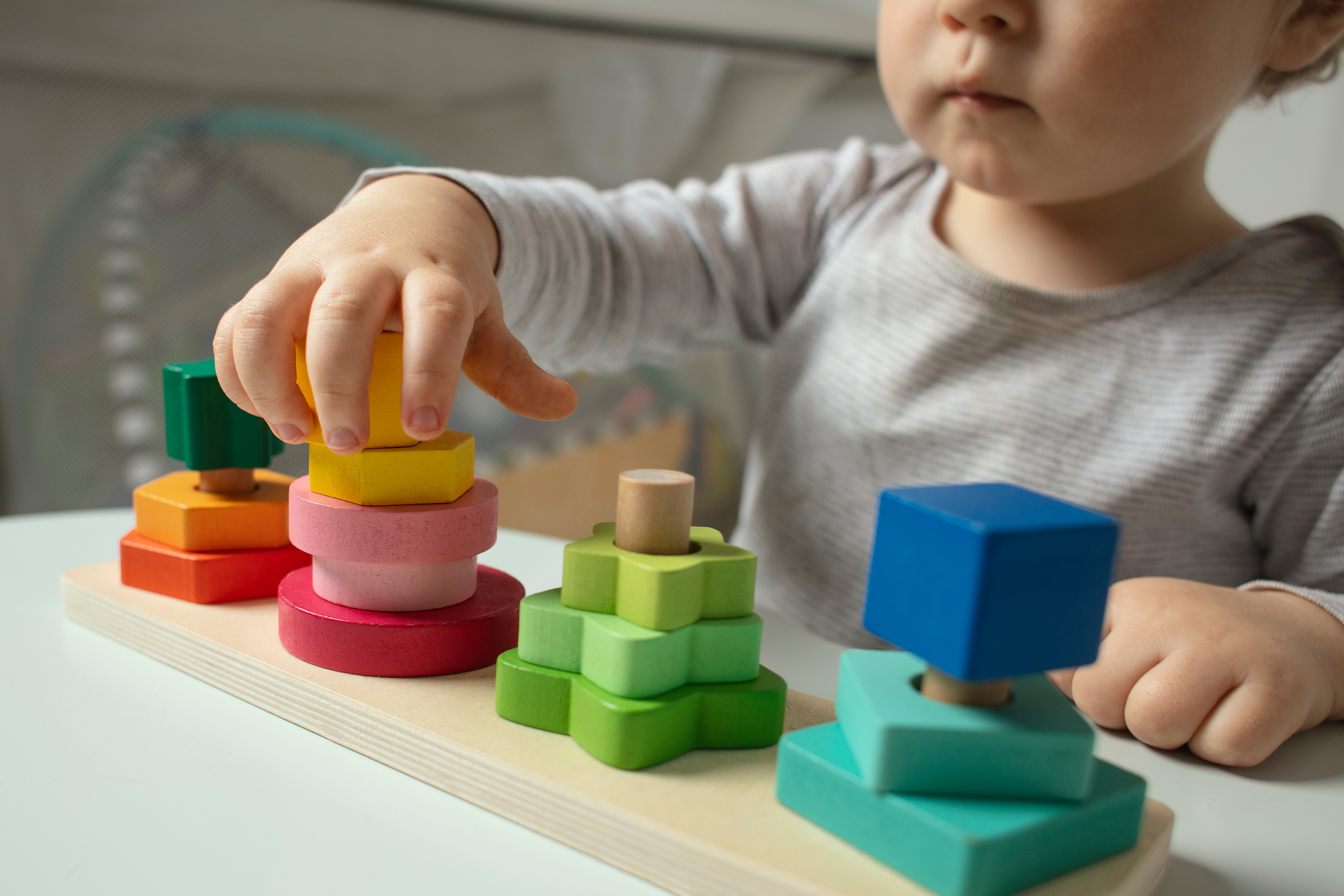


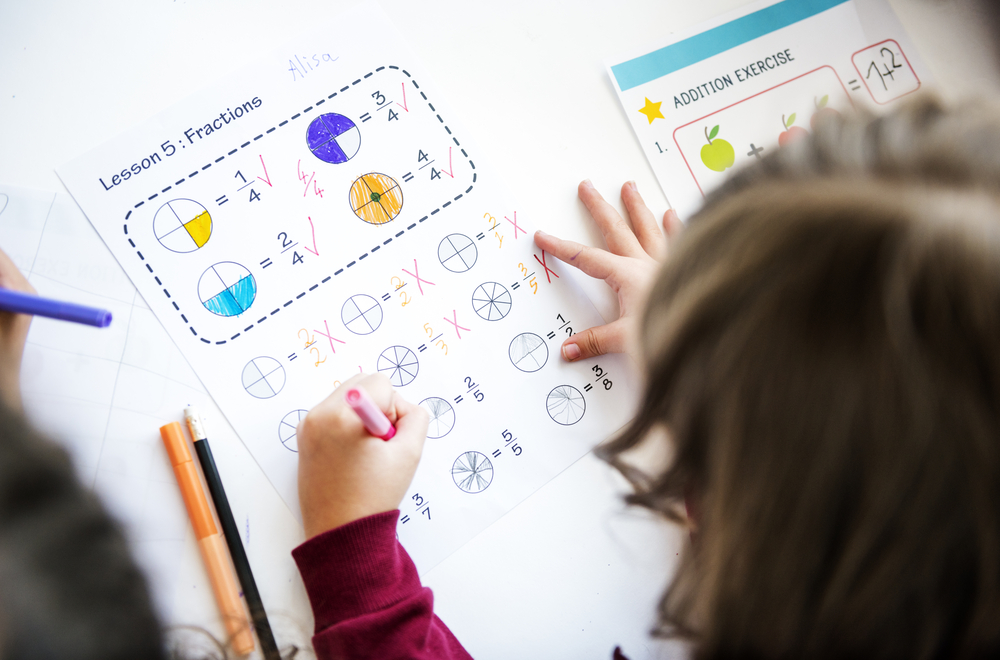


Fine motor skills are essential for children's overall development, especially between the ages of 3-5 when they undergo significant growth in these abilities. Parents and teachers should prioritize activities that enhance fine motor skills, such as normal matching games, as they contribute to a child's dexterity and coordination. These skills are fundamental for tasks like writing, buttoning shirts, using scissors, and eventually participating in sports or other complex activities.
Engaging in normal matching exercises helps strengthen the muscles in a child's hands and encourages neural connections that facilitate learning. Children develop hand-eye coordination and spatial awareness, both crucial for their academic journey. Additionally, these games foster cognitive skills, as they require concentration, problem-solving, and memory.
Moreover, early development of fine motor skills can lead to increased self-esteem and independence in young children as they master new tasks. For parents and teachers, recognizing the importance of fine motor development during these formative years means providing children with an enriched learning environment, setting them up for success in school and beyond. By integrating fun and engaging fine motor activities into daily routines, adults play a vital role in children's preparedness for future challenges.








