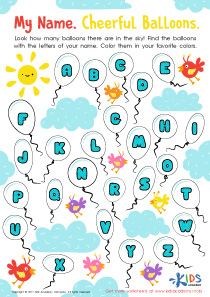
Alphabet tracing Normal ABC Order Worksheets for Ages 3-6
4 filtered results
-
From - To
Introduce your little learners to the world of letters with our "Alphabet Tracing Normal ABC Order Worksheets for Ages 3-6." Perfect for preschool and kindergarten-aged children, these worksheets help kids practice proper letter formation while sequentially exploring the alphabet. Each page features inviting tracing activities and vibrant illustrations to keep young minds engaged and motivated. Developed to align with early learning standards, our worksheets ensure that kids not only recognize but also perfect their handwriting skills. Provide your child with a fun, educational experience that lays the foundation for reading and writing success. Start their alphabet adventure today!
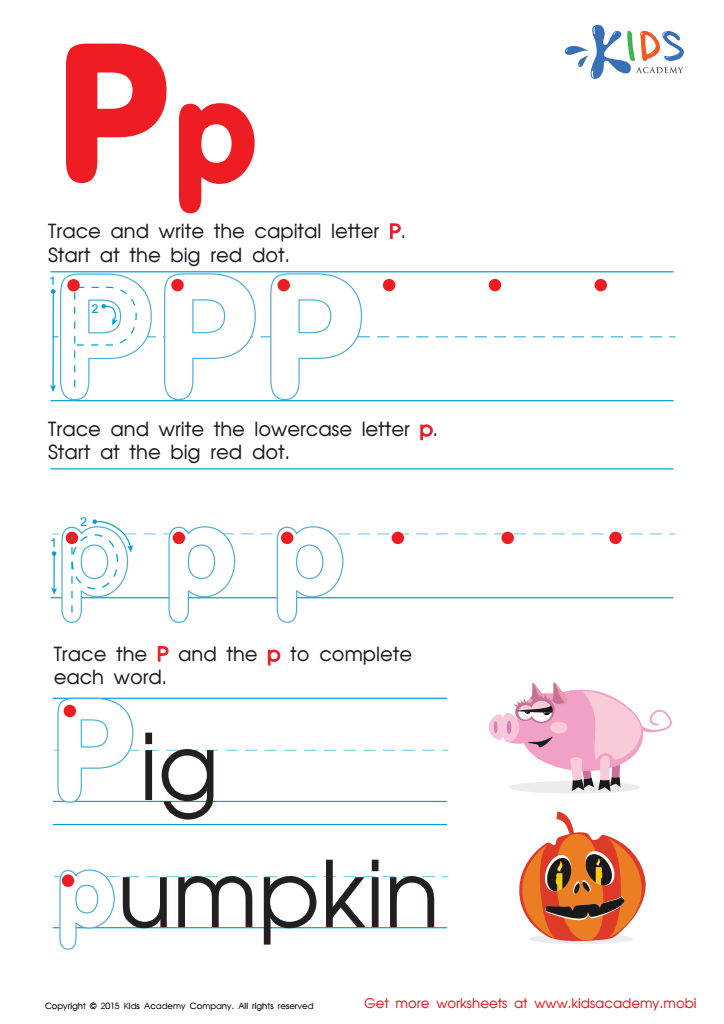
Letter P Tracing Page
 Assign to My Students


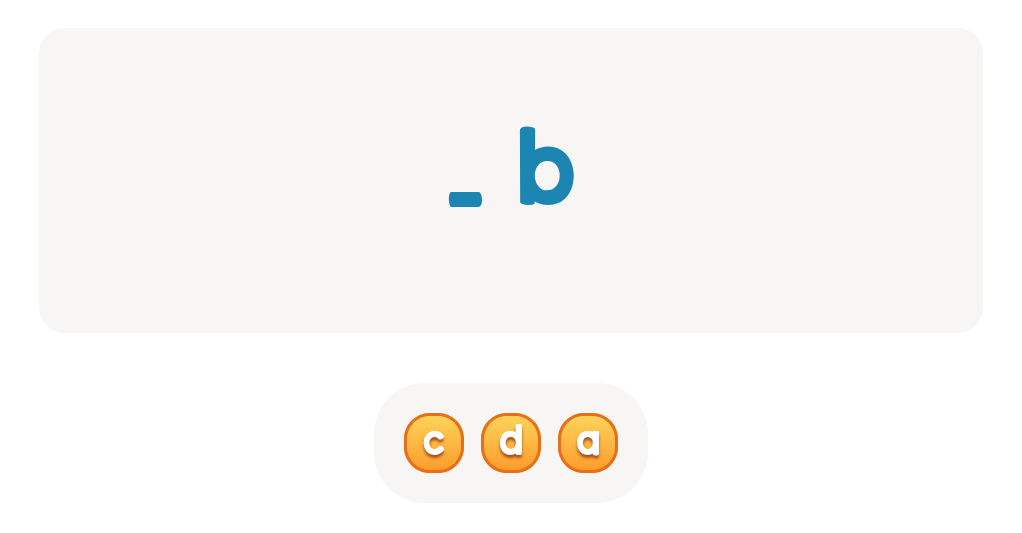


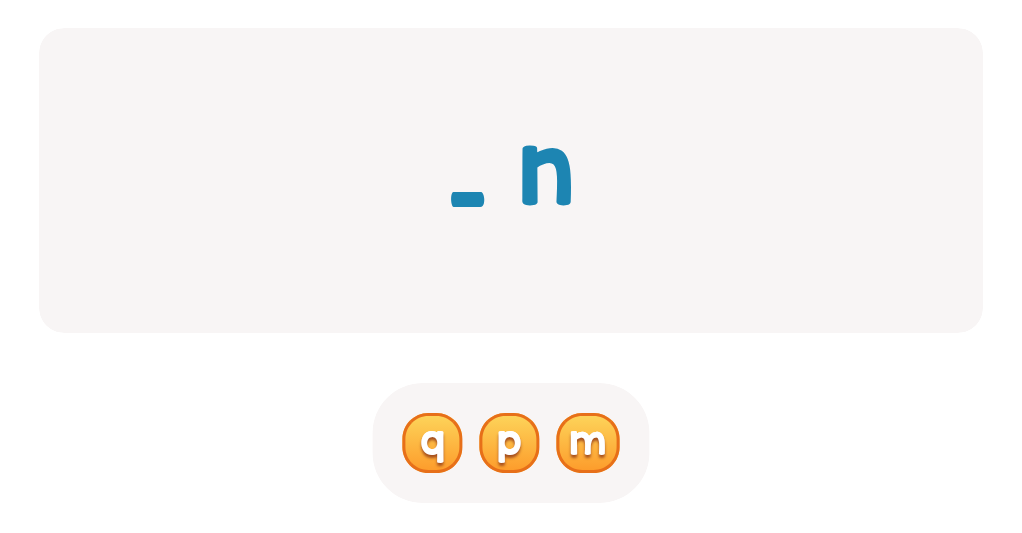



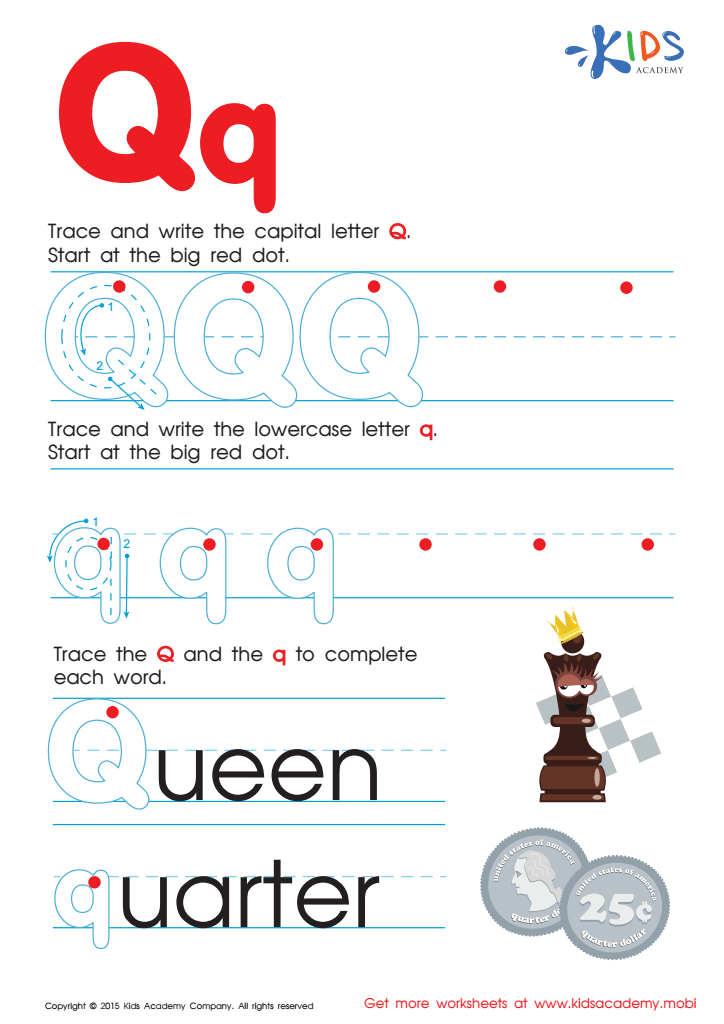
Letter Q Tracing Page

Letter H Tracing Page
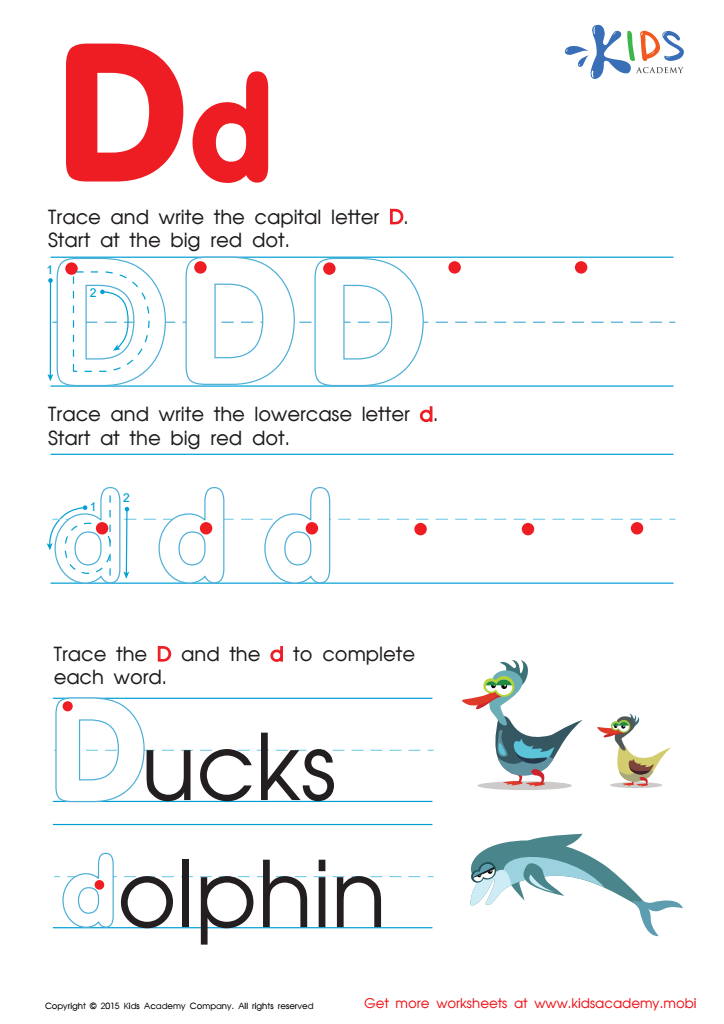
Letter D Tracing Page








Alphabet tracing in the normal ABC order for children ages 3-6 is a fundamental activity that plays a vital role in early childhood development. At this sensitive stage, children's brains are rapidly developing, and engaging them in Alphabet tracing is an excellent way to foster multiple essential skills.
First, it aids in letter recognition by helping children memorize the shape and order of the alphabet. Consistent practice in reading and writing the letters reinforces their familiarity and lays down a strong foundation for future literacy. Understanding the order of the alphabet serves as a milestone in their cognitive development, making tasks like organizing and reading more intuitive.
Second, it enhances fine motor skills. The controlled movements required to trace letters help develop the muscles in children's hands and fingers, preparing them for more complex writing tasks. This fine motor refinement is crucial not only for education but also for everyday activities like buttoning shirts and tying shoelaces.
Additionally, alphabet tracing boosts concentration and patience. Young children often have limited attention spans, and engaging in this structured activity helps lengthen their focus time, enhancing their ability to concentrate on tasks.
Ultimately, alphabet tracing in the regular ABC order ensures a balanced combination of cognitive, motor, and behavioral development, laying a robust groundwork for school success and everyday life skills. Teachers and parents who emphasize this practice are setting their children up for both immediate and long-term educational success.