Spelling practice Normal Consonant Digraphs Worksheets for Ages 3-6
4 filtered results
-
From - To
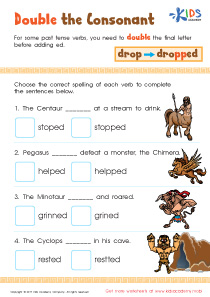
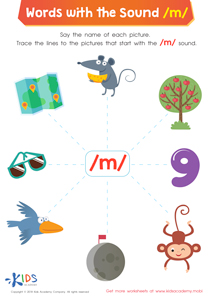
Unlock early literacy skills with our Spelling Practice: Normal Consonant Digraphs Worksheets designed for ages 3-6. These engaging and colorful worksheets help young learners master common consonant digraphs such as "ch," "sh," "th," and "wh." Perfect for preschool and kindergarten students, our worksheets develop spelling, reading, and phonetic awareness through fun and interactive activities. By incorporating pictures and simple words, children will strengthen their language abilities in an enjoyable way. Support your child’s early education journey—download these effective resources and watch their confidence and skills soar!
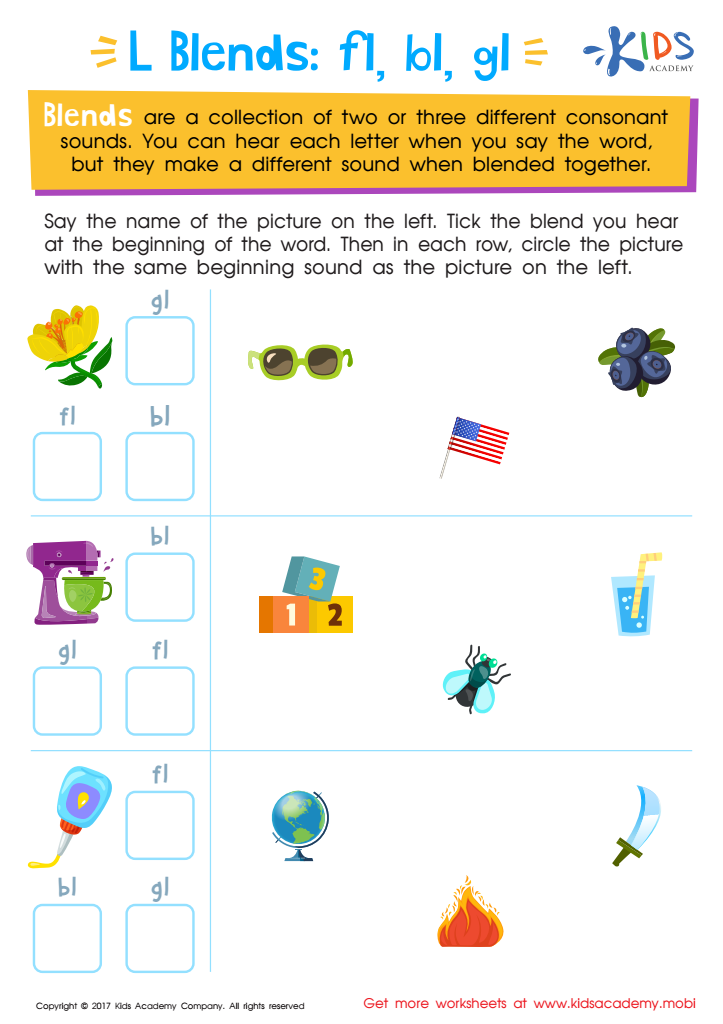
Blending Consonants: "Fl", "Bl" and "Gl" Printable
 Assign to My Students
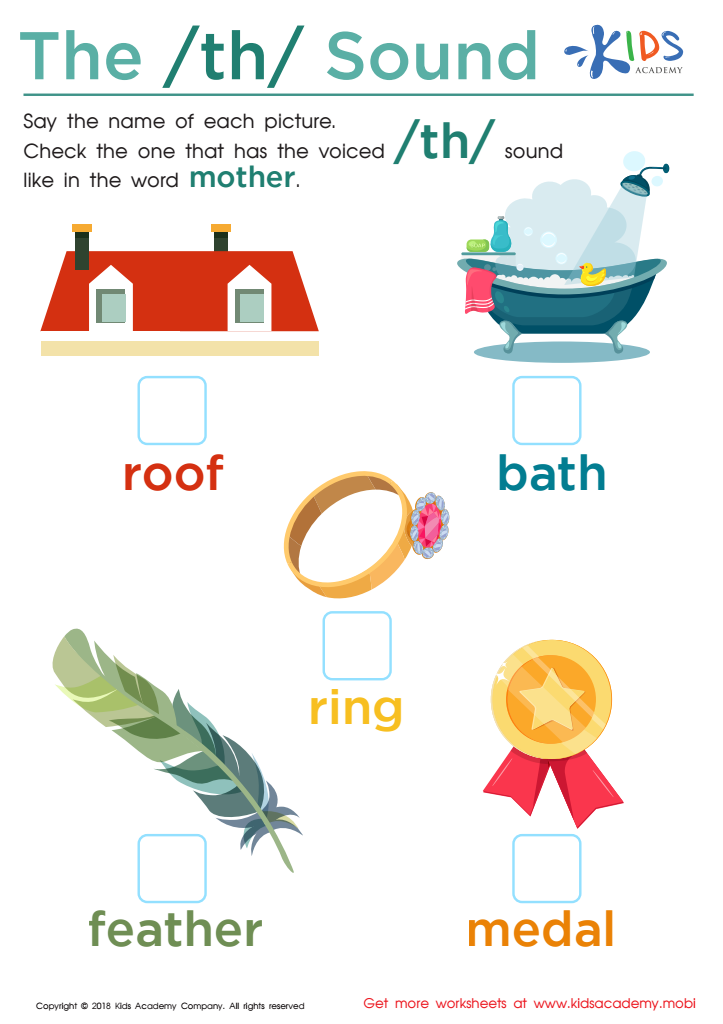
The /th/ Sound Worksheet
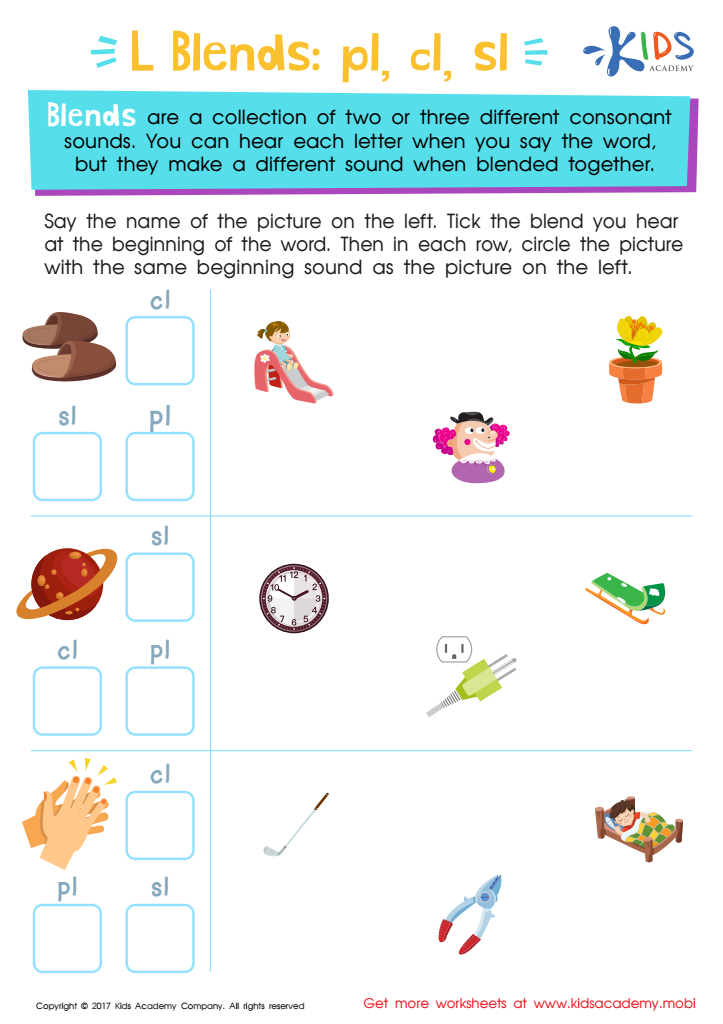
L Blends: "Pl", "Cl" and "Sl" Printable
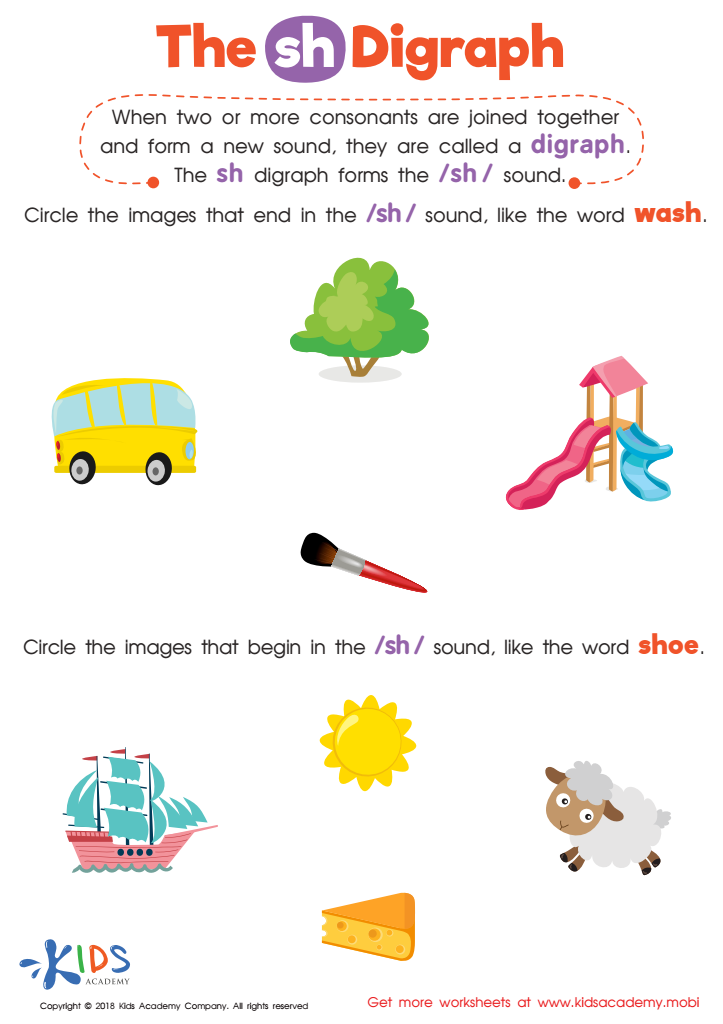
The SH Digraph Worksheet


Spelling practice with normal consonant digraphs (pairs of consonants that together make a single sound, like "sh," "ch," and "th") is crucial for children aged 3-6 because it lays the foundation for effective reading and writing skills. At this early stage, young minds are highly receptive and curious, making it an optimal period for learning critical language concepts. Consonant digraphs often appear in common words that form the basis of everyday language. By mastering these, children can significantly enhance their vocabulary, phonemic awareness, and decoding skills—abilities that contribute to fluency in reading and ease in spelling.
Parents and teachers play a key role in this learning phase as they are the primary facilitators of the child's educational environment. Interactive and engaging spelling practices can make learning fun, which in turn helps in better retention of information. For instance, using games, flashcards, and songs to teach digraphs can transform complex concepts into easily understandable and enjoyable experiences. This early intervention also helps to identify and support children who may have learning difficulties, allowing for timely and effective strategies to be implemented.
In summary, prioritizing consonant digraph practice equips children with essential language skills that are building blocks for future literacy, ensuring a strong academic start and fostering lifelong learning capabilities.