Fine Motor Skills Normal Alphabet Worksheets for Ages 3-6 - Page 3
55 filtered results
-
From - To
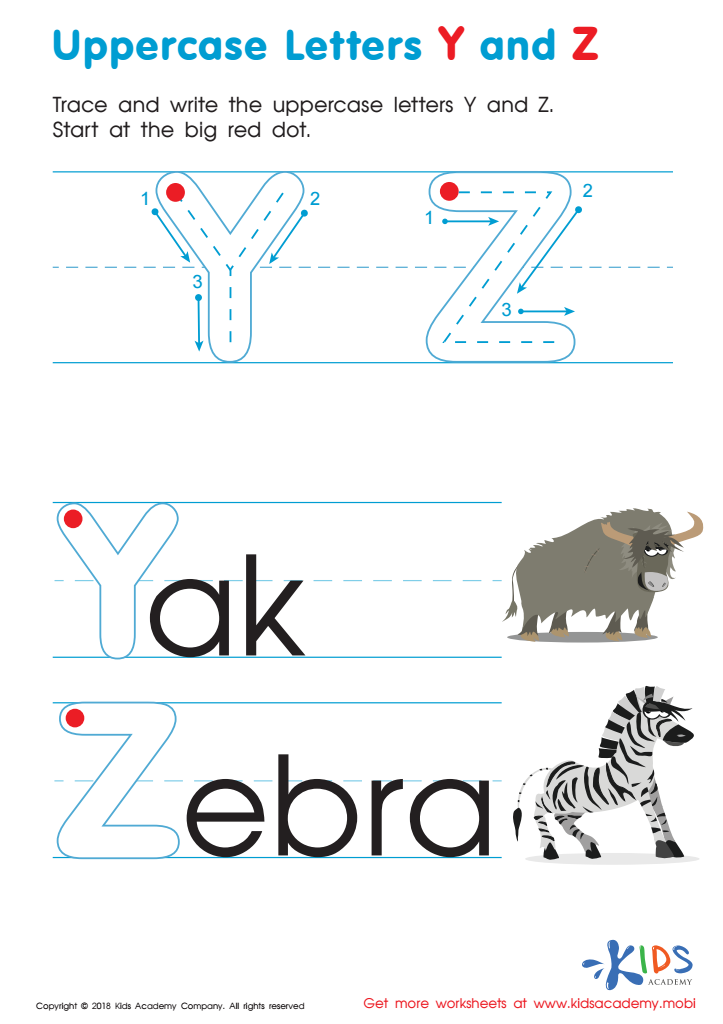
Uppercase Letters Y Z Worksheet
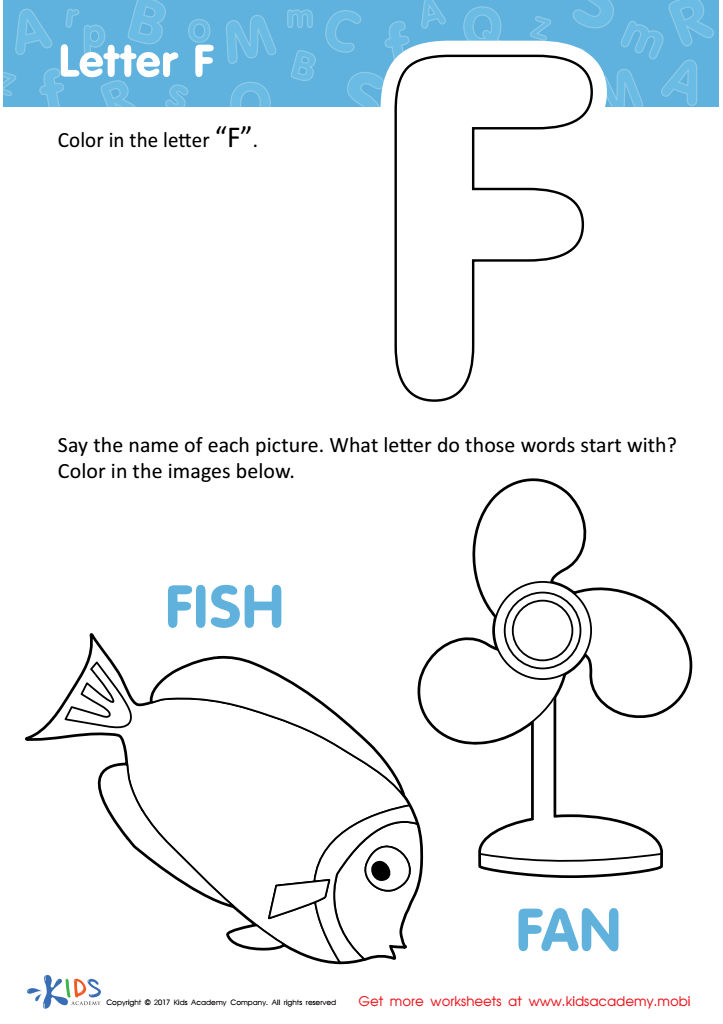
Letter F Coloring Sheet
 Assign to My Students
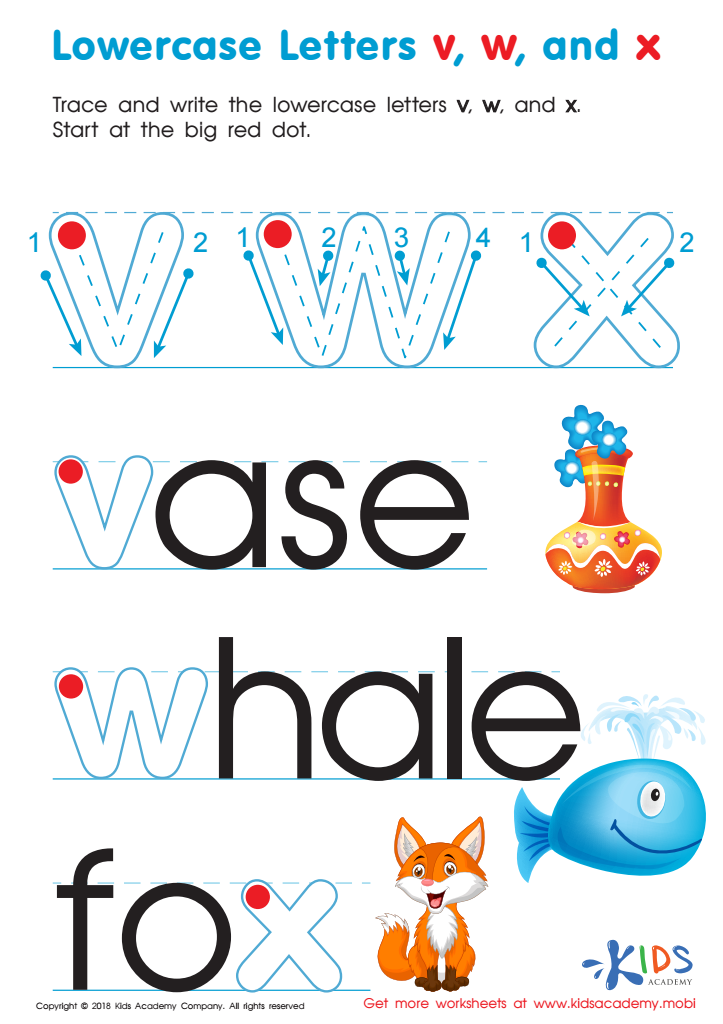
Lowercase Letters v w x Worksheet
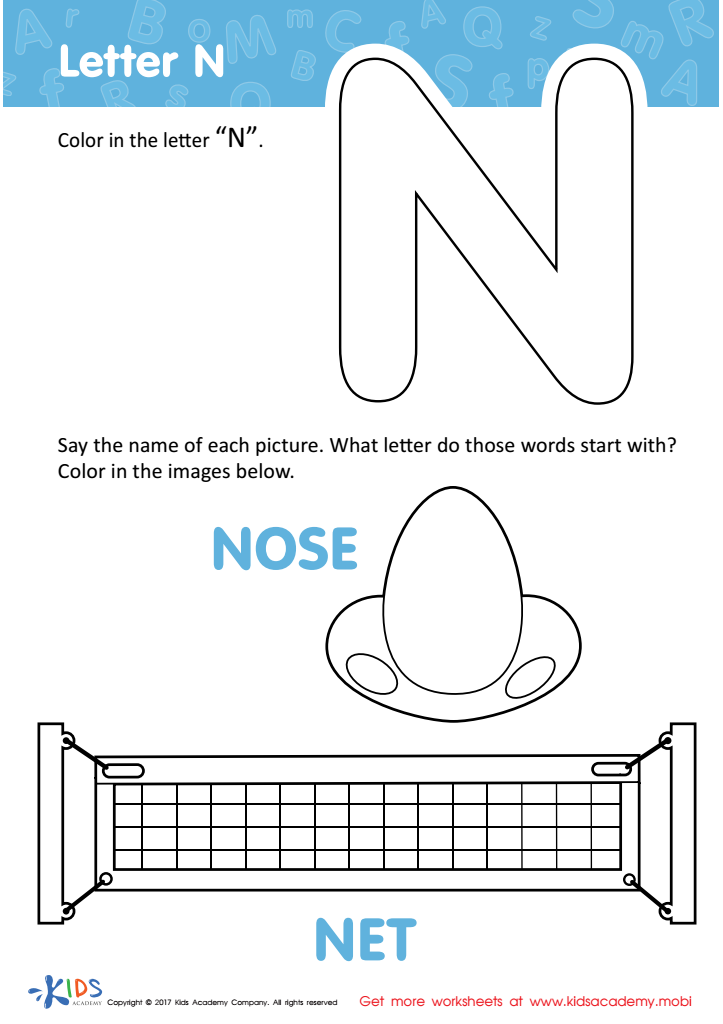
Letter N Coloring Sheet
Assign to My Students
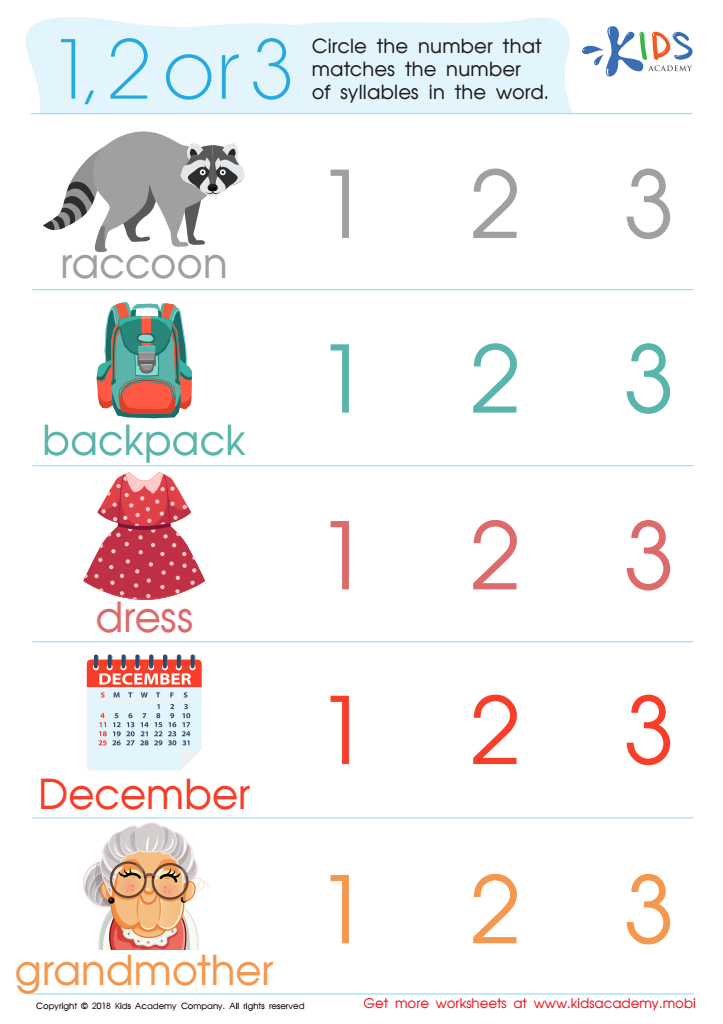
1, 2 or 3? Worksheet
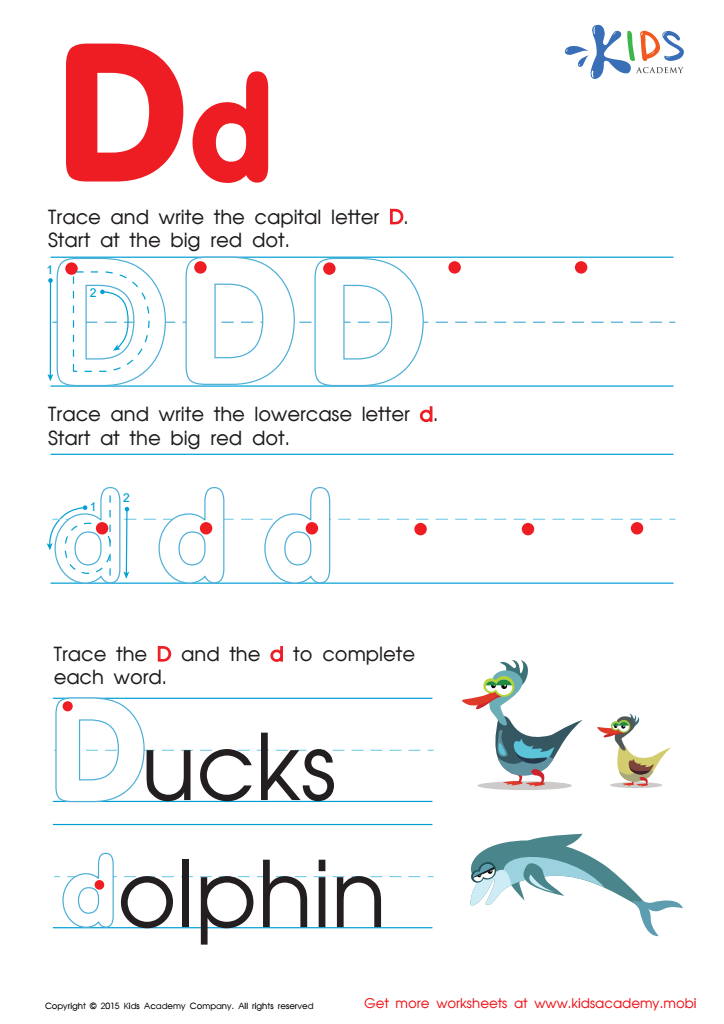
Letter D Tracing Page
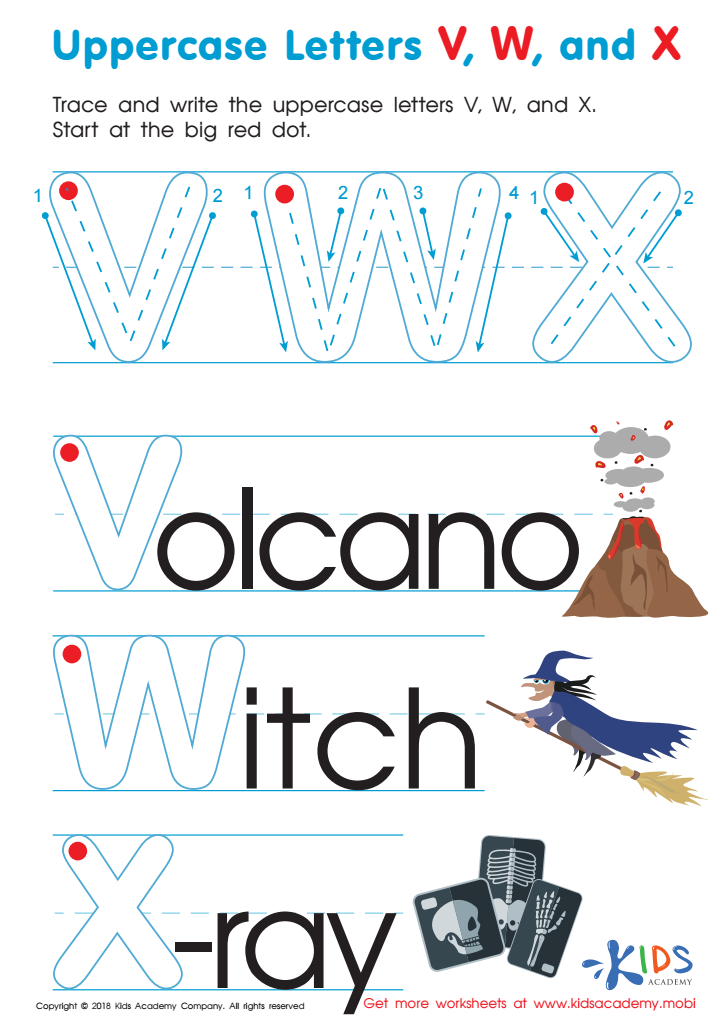
Uppercase Letters V, W, and X Worksheet






Fine motor skills are essential for children aged 3-6, as they form the foundation for various everyday tasks and academic success. During this critical developmental period, children are honing their ability to control small muscles in their hands and fingers, which is crucial for activities such as writing, cutting, and buttoning clothes. Mastery of fine motor skills is linked to improved hand-eye coordination and cognitive development.
When children engage in activities that strengthen fine motor skills, such as threading beads, coloring, or playing with dough, they not only develop the dexterity needed to hold a pencil properly, but also enhance their concentration and patience. This skill acquisition supports their ability to write letters and form words, critical for literacy and communication.
Moreover, parent and teacher involvement is vital. By creating a supportive environment that encourages these activities, they can foster a child's confidence and independence. Fine motor skills do not just contribute to academic readiness; they also promote self-esteem as children gain the ability to accomplish tasks independently. Ultimately, nurturing fine motor skills in early childhood lays a solid groundwork for future learning and development.







