Problem-Solving Skills Normal Alphabet Worksheets for Ages 3-6
6 filtered results
-
From - To
Enhance your child’s problem-solving abilities with our engaging Normal Alphabet Worksheets, specially designed for ages 3-6. These worksheets combine essential alphabet learning with fun problem-solving activities that encourage critical thinking and creativity. As children navigate through various challenges, they develop important cognitive skills while exploring letters and sounds. Ideal for both home and classroom use, these resources promote independent learning and boost confidence in young learners. Our worksheets are easy to print and perfectly suited for your little one's educational needs. Start building a strong foundation in problem-solving today and watch them thrive in their early educational journey!
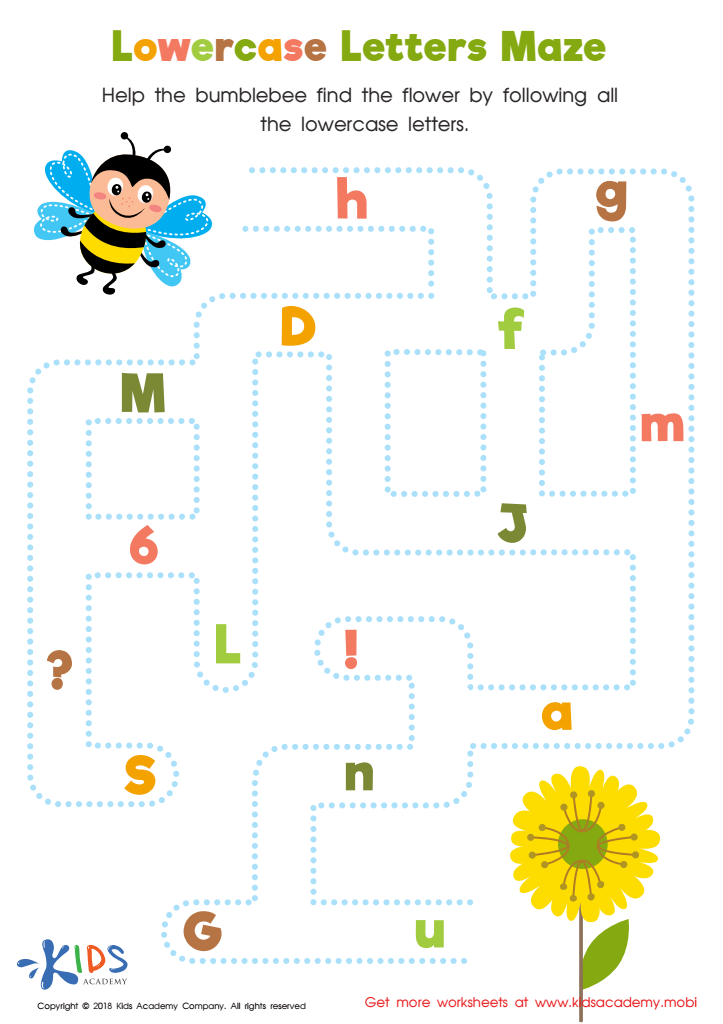
Lowercase Letters Maze Worksheet
 Assign to My Students
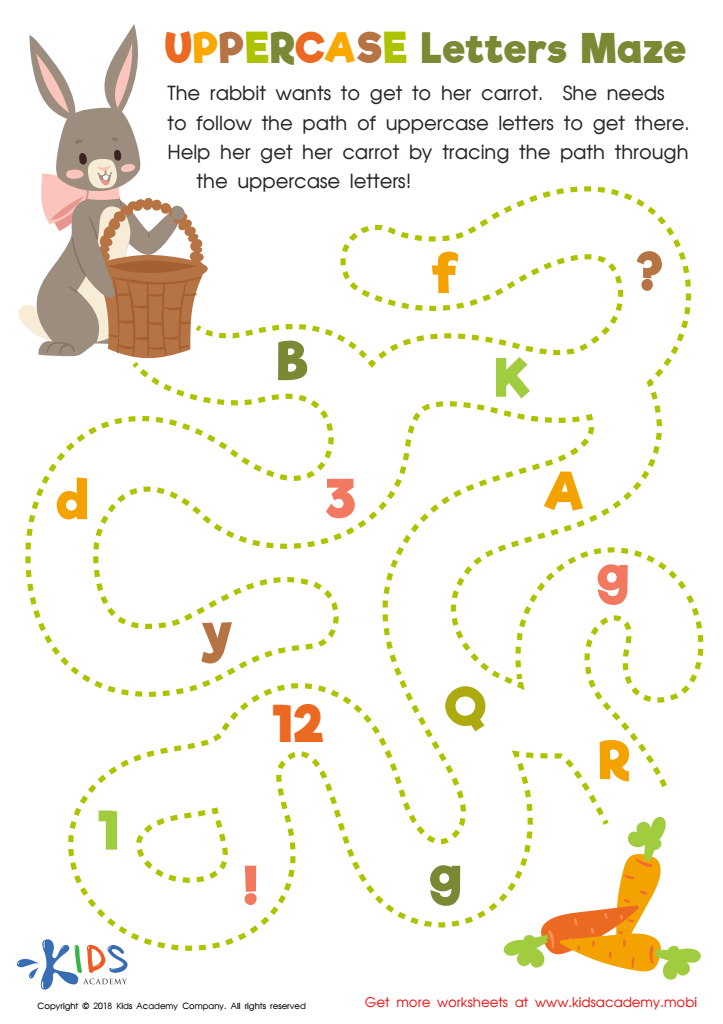
Uppercase Letters Maze Worksheet
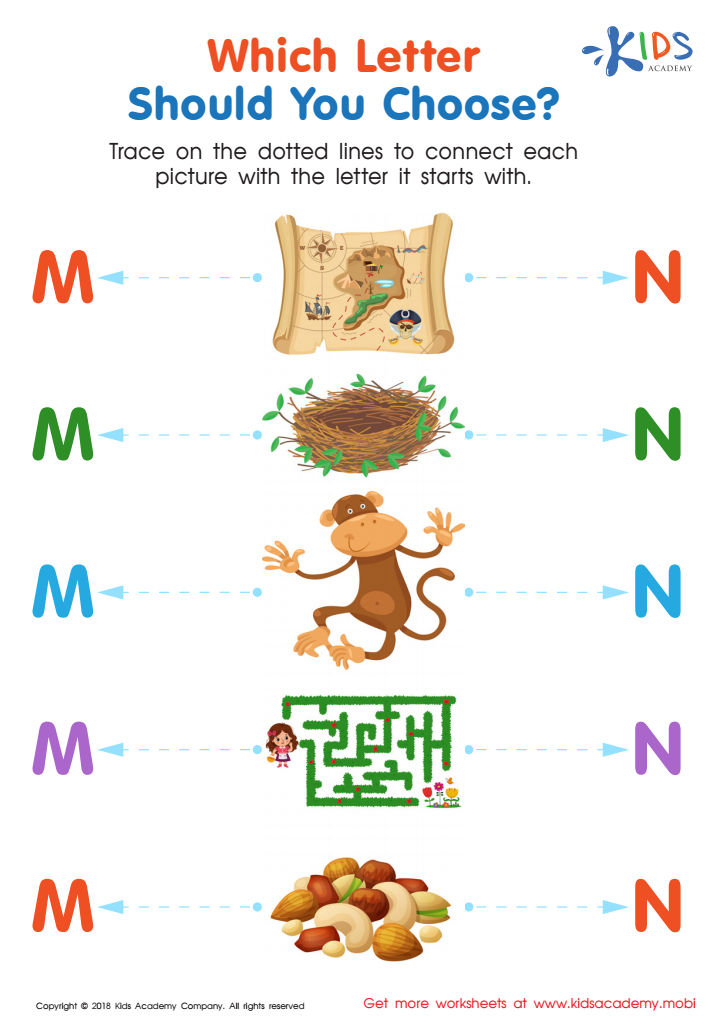
Which Letter Should you Choose? Worksheet
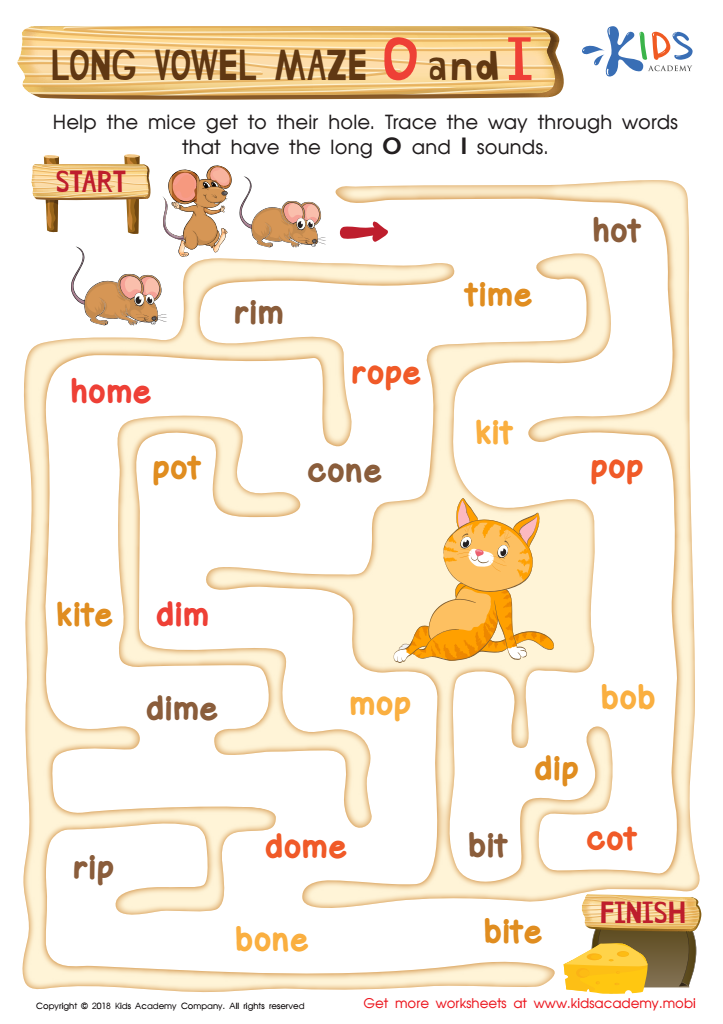
Long Vowel Maze /o/ and /i/ Worksheet
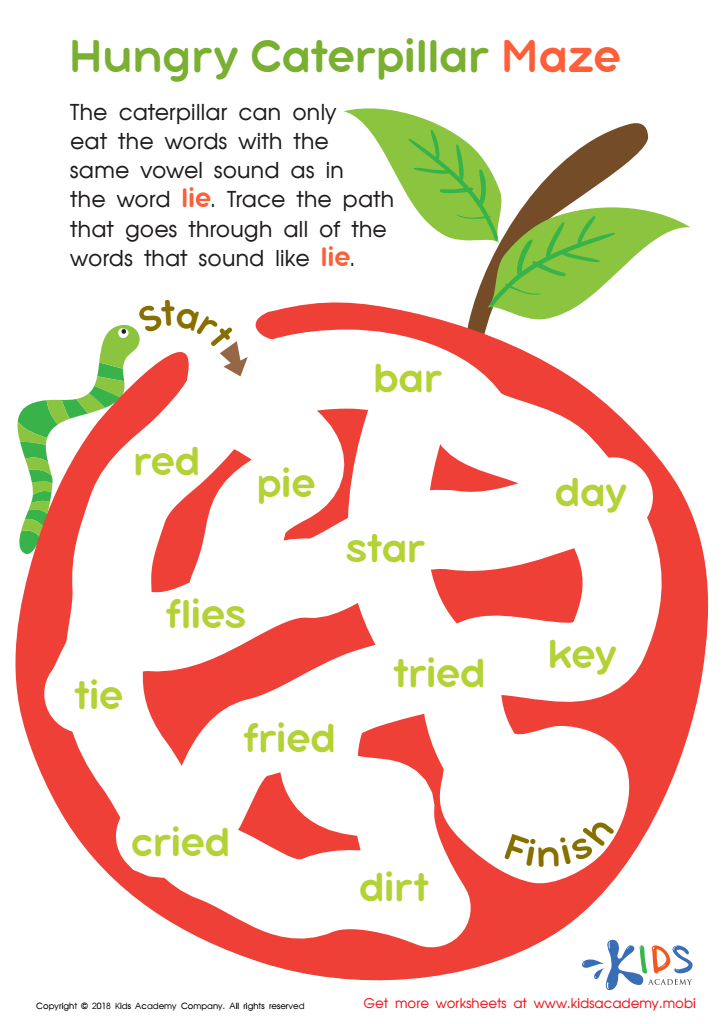
Hungry Caterpillar Maze Worksheet
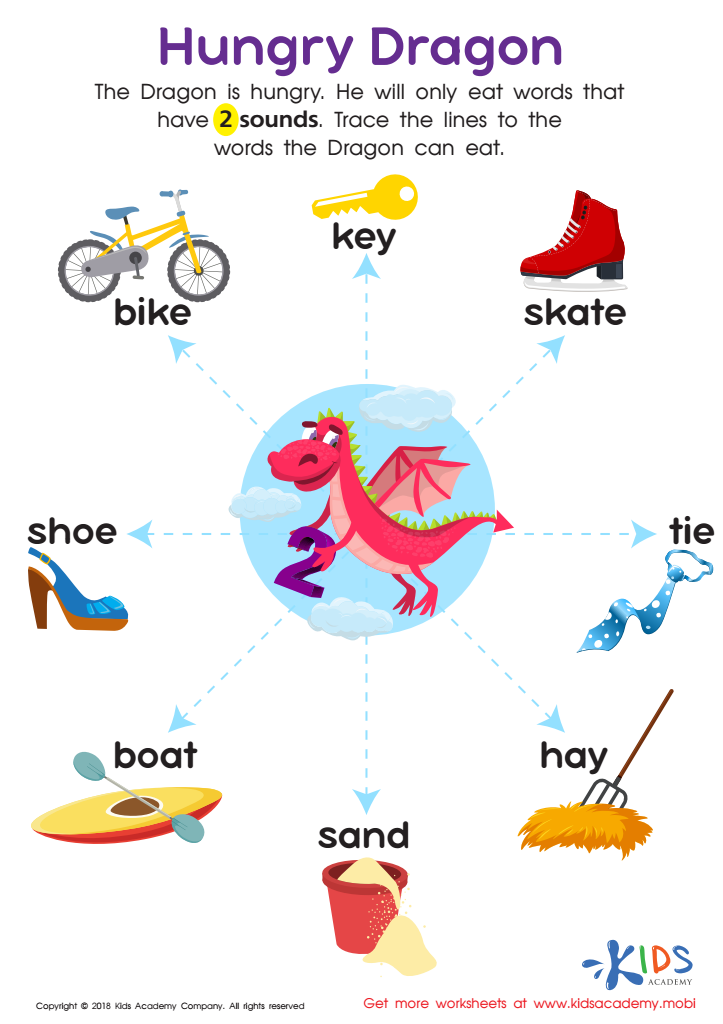
Hungry Dragon Worksheet







Problem-solving skills are crucial for children aged 3-6, and both parents and teachers play an essential role in nurturing these abilities. At this stage, children are naturally curious and eager to explore their surroundings. By fostering problem-solving skills, we help them navigate challenges, develop critical thinking, and build resilience.
These skills are fundamental for academic success and everyday life. For instance, when faced with simple puzzles or social conflicts, children learn to identify the problem, brainstorm solutions, and evaluate their choices. This cognitive process enhances their independence and self-confidence, encouraging them to tackle more complex tasks as they grow.
Moreover, problem-solving activities often involve collaboration and communication, which strengthen social skills. Engaging in group activities allows children to express their thoughts, listen to others, and appreciate diverse perspectives—an integral part of emotional intelligence.
Parents and teachers should prioritize activities that promote these skills, such as sensory play, games, storytelling, and open-ended questions. By investing in problem-solving skills early on, we equip children with tools that will benefit them academically and socially throughout their lives. Developing these skills in young children creates a solid foundation for future learning and personal growth.







