Vocabulary development Normal Alphabet Worksheets for Ages 3-6
14 filtered results
-
From - To
Boost your child's language skills with our "Vocabulary Development Normal Alphabet Worksheets for Ages 3-6." These engaging, age-appropriate worksheets are designed to make learning fun and effective. Featuring vibrant illustrations and simple activities, they help young learners recognize letters, pronounce sounds, and expand their vocabulary. Perfect for both classroom use and at-home practice, these worksheets support early literacy by encouraging kids to match letters with pictures, trace words, and learn through play. Unlock the potential of young minds and give them a head start in reading and writing with our comprehensive and entertaining resources.
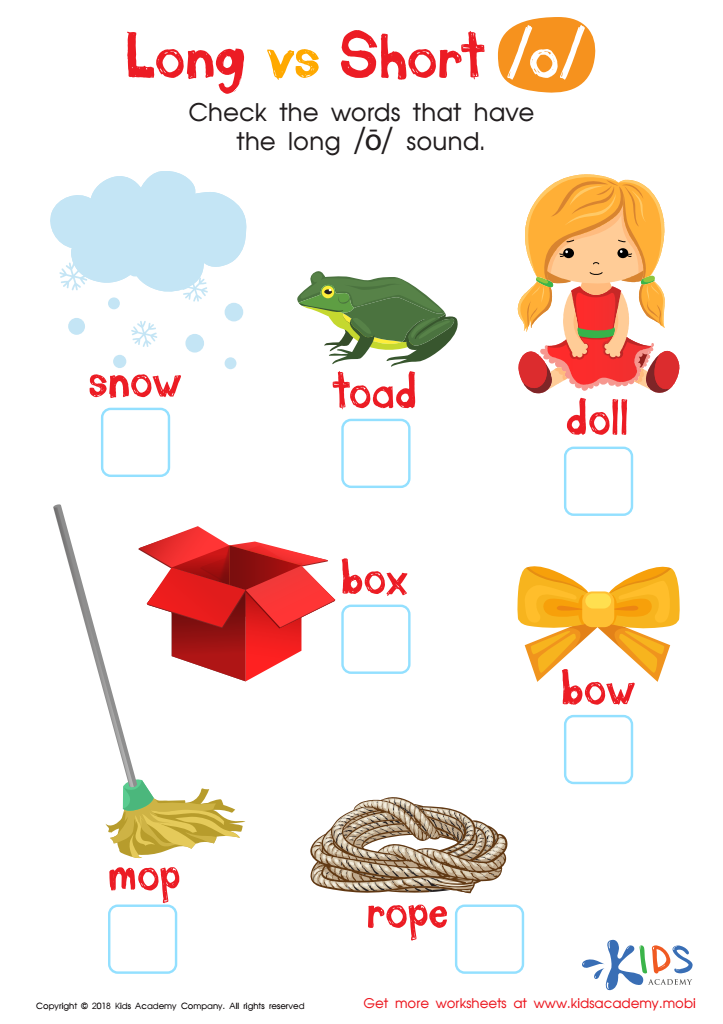
Long vs Short O Reading Worksheet
 Assign to My Students
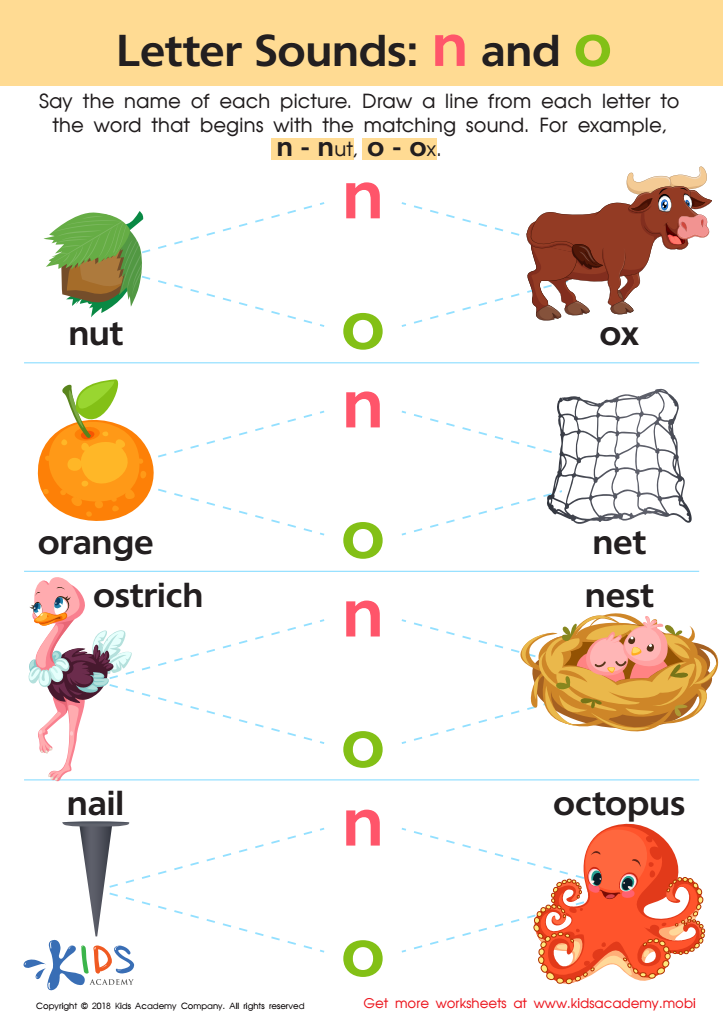
Letter N and O Sounds Worksheet
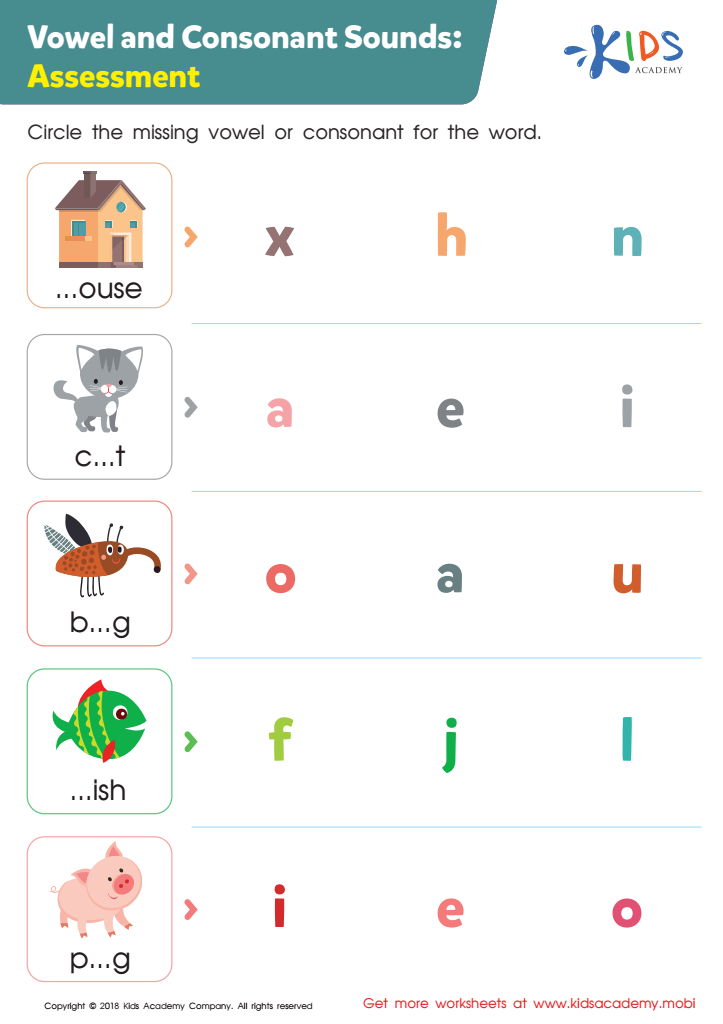
Vowel and Consonant Sounds: Assessment Worksheet
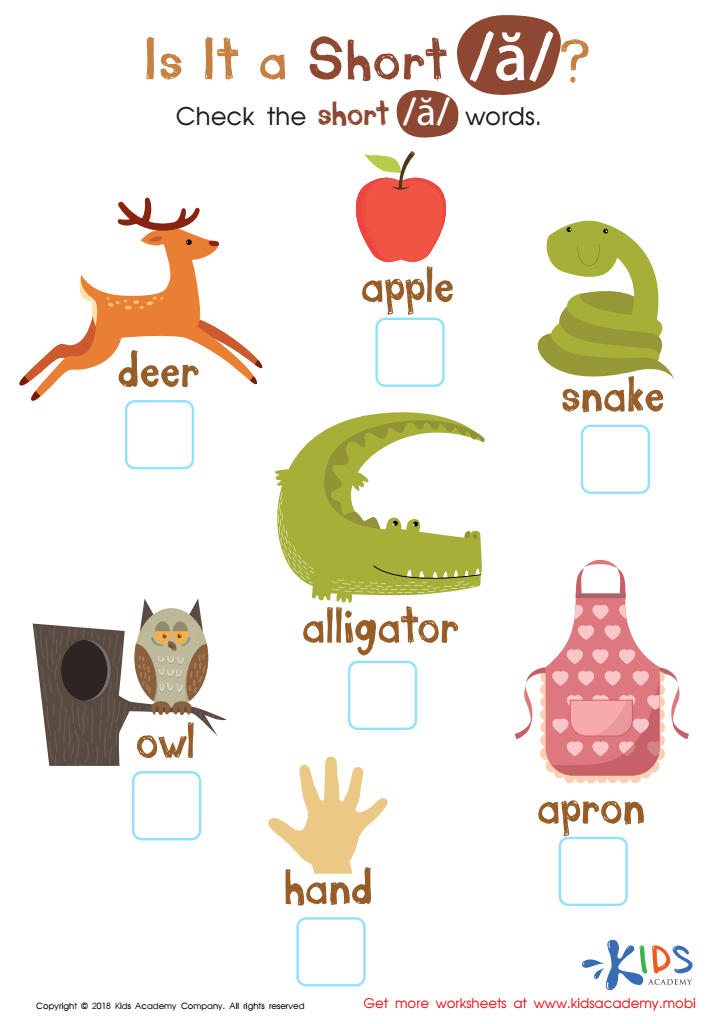
Is It Short A? Reading Worksheet
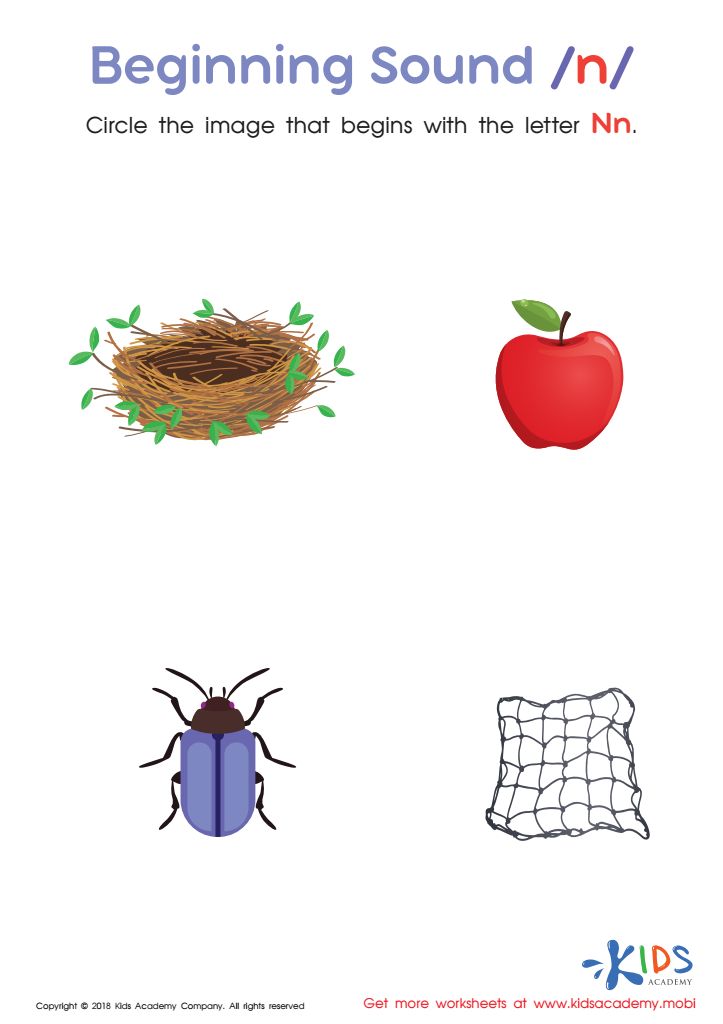
Beginning Sound «n» Worksheet
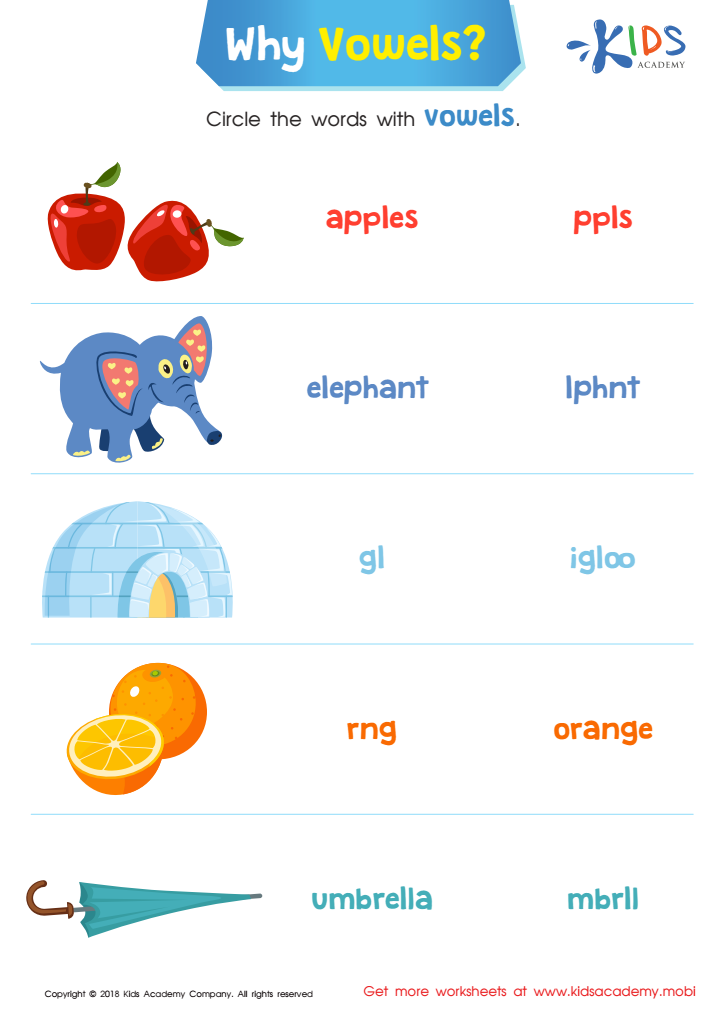
Why Vowels? Reading Worksheet
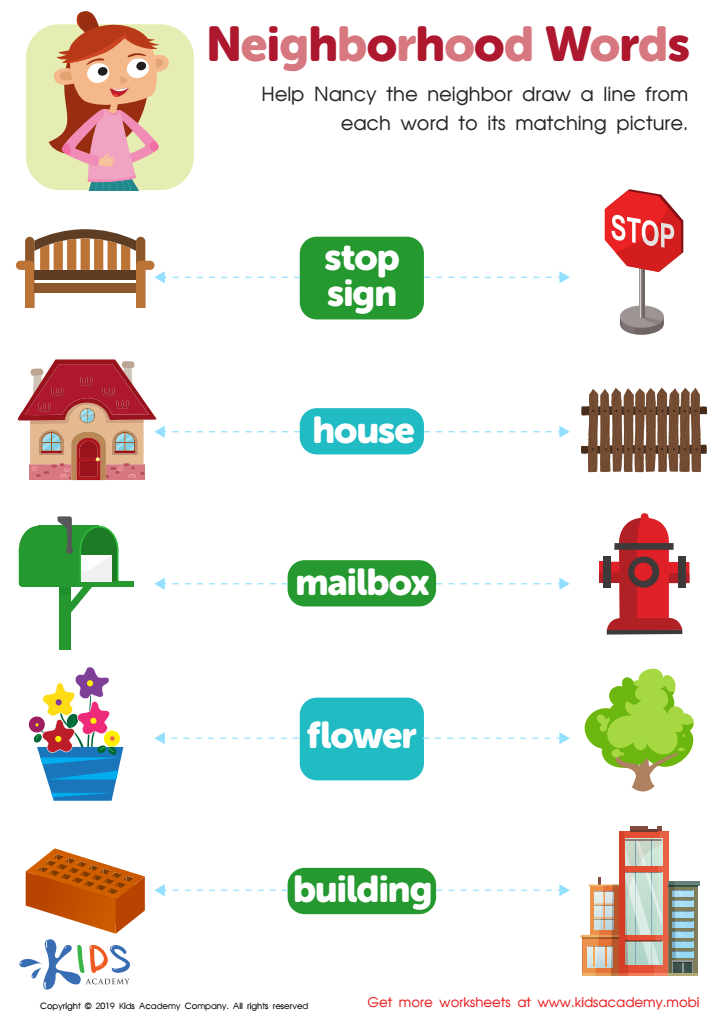
Neighborhood Words Worksheet
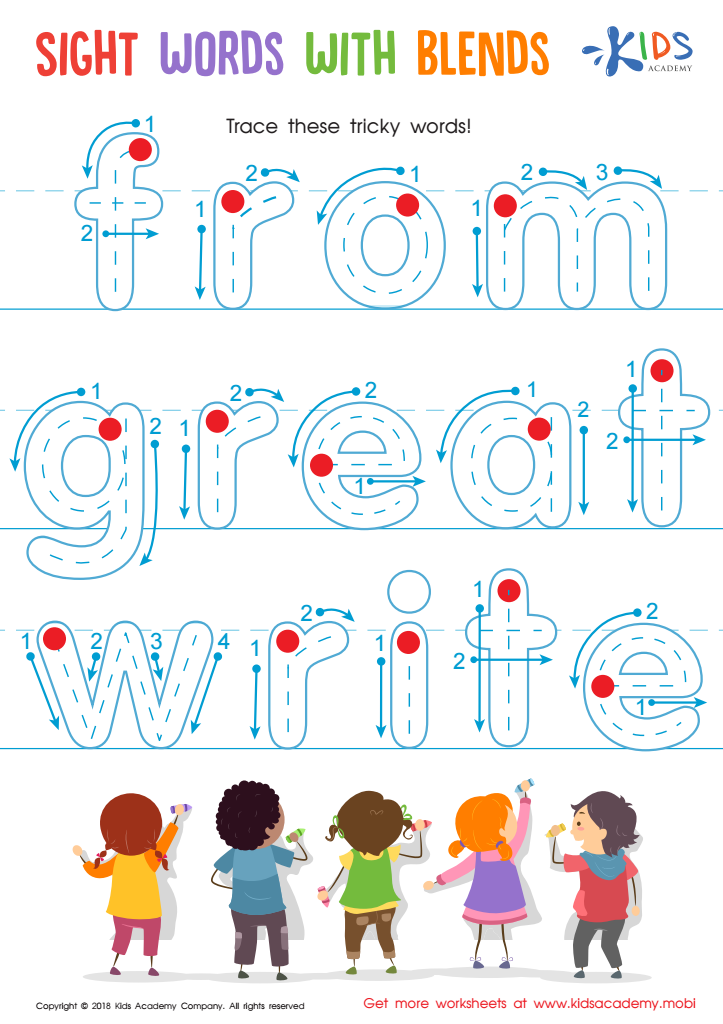
Sight Words with Blends Worksheet
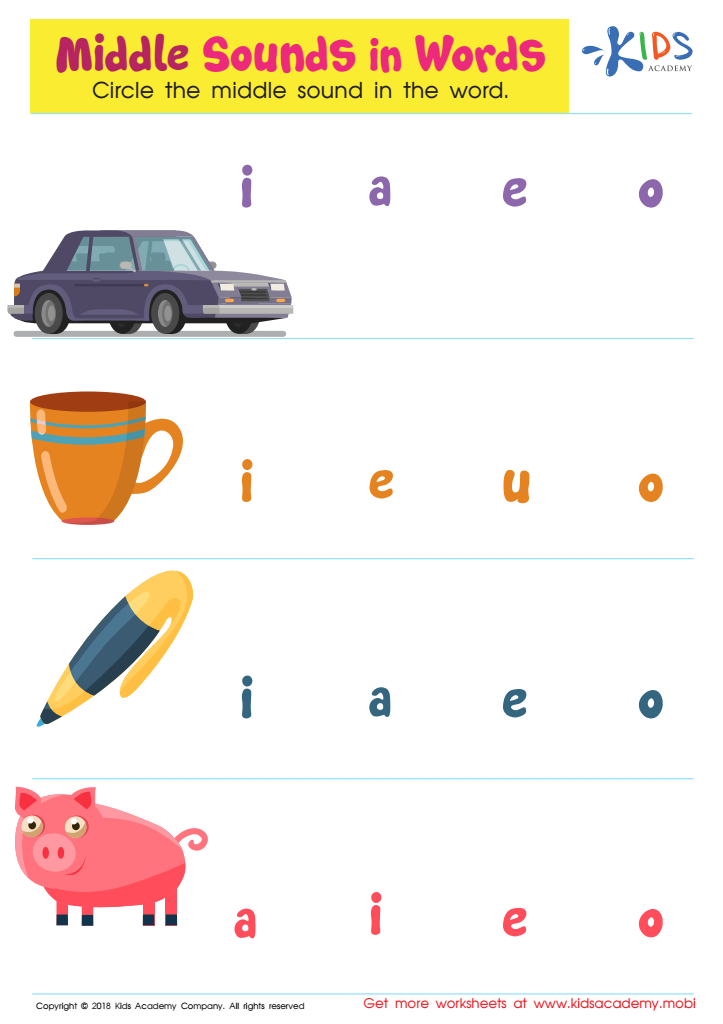
Middle Sounds in Words Worksheet
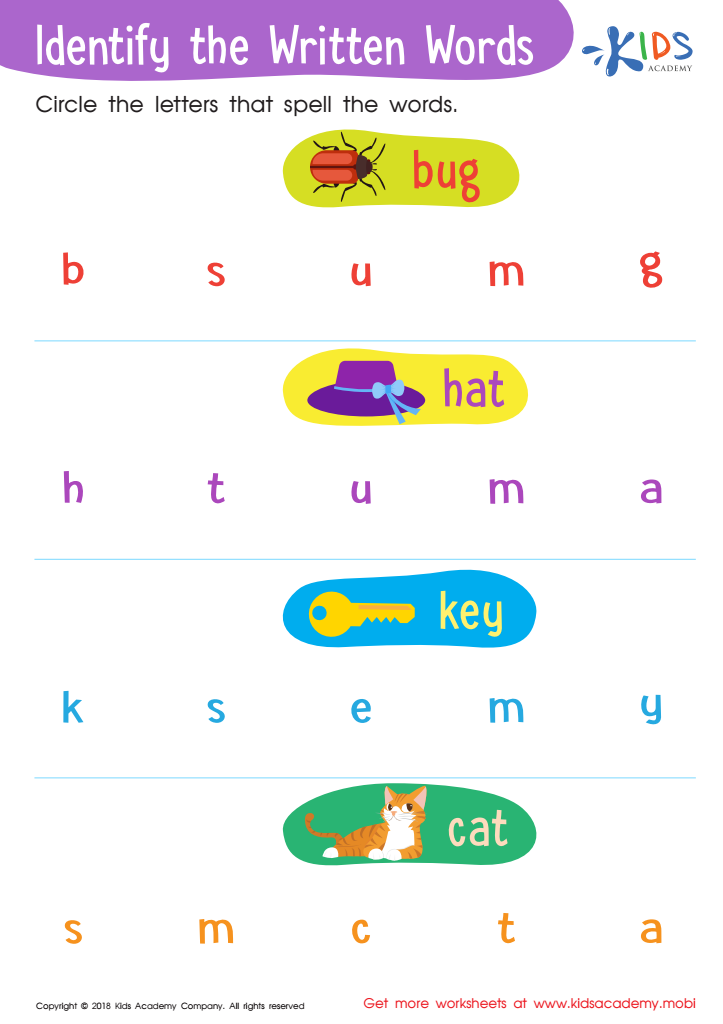
Identify the Written Words Worksheet
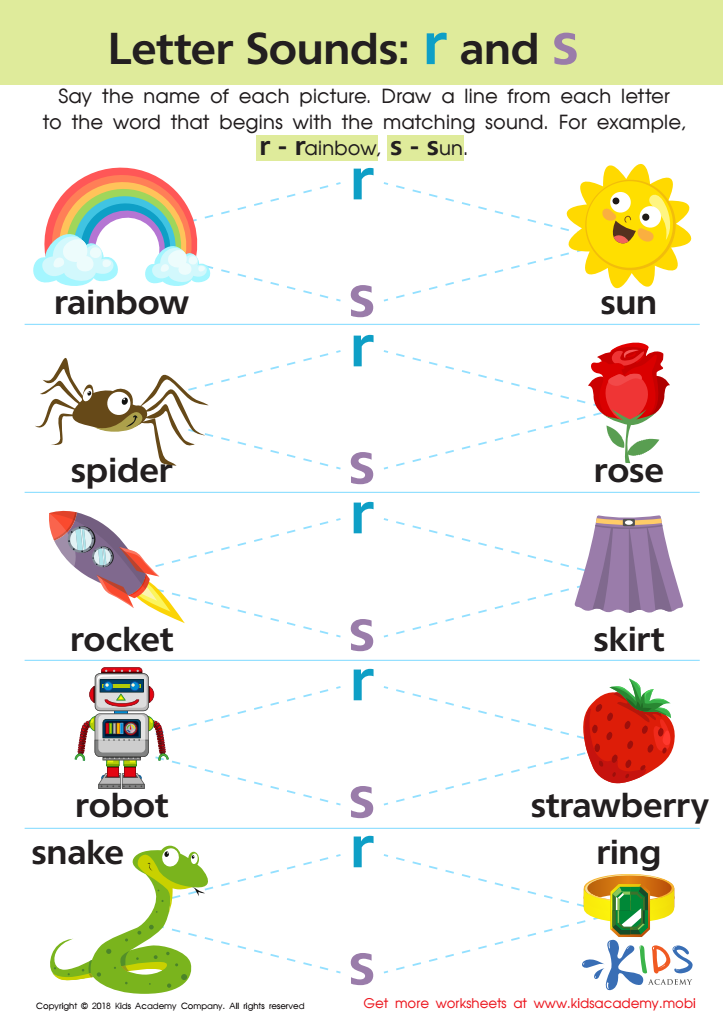
Letter R and S Sounds Worksheet
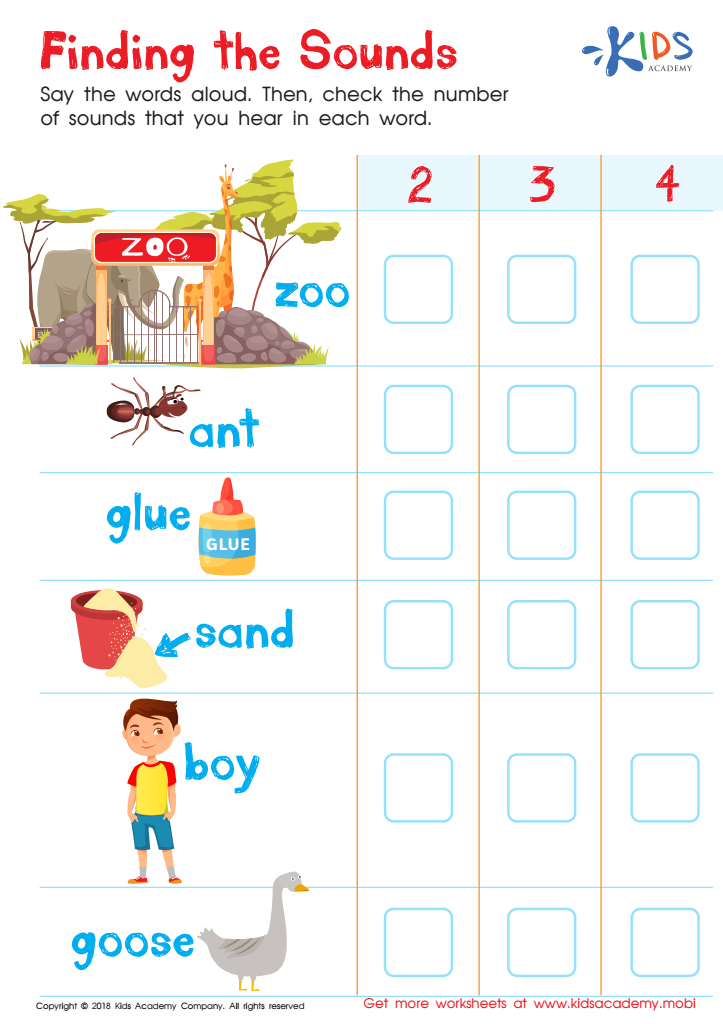
Finding the Sounds Worksheet
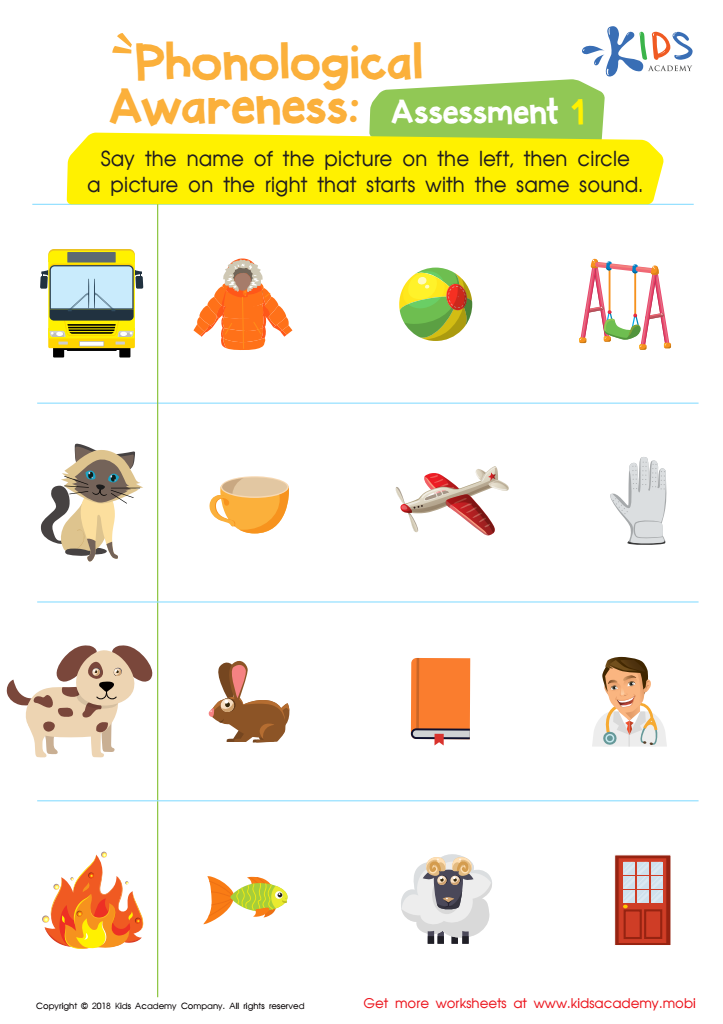
Phonological Awareness: Assessment 1 Worksheet
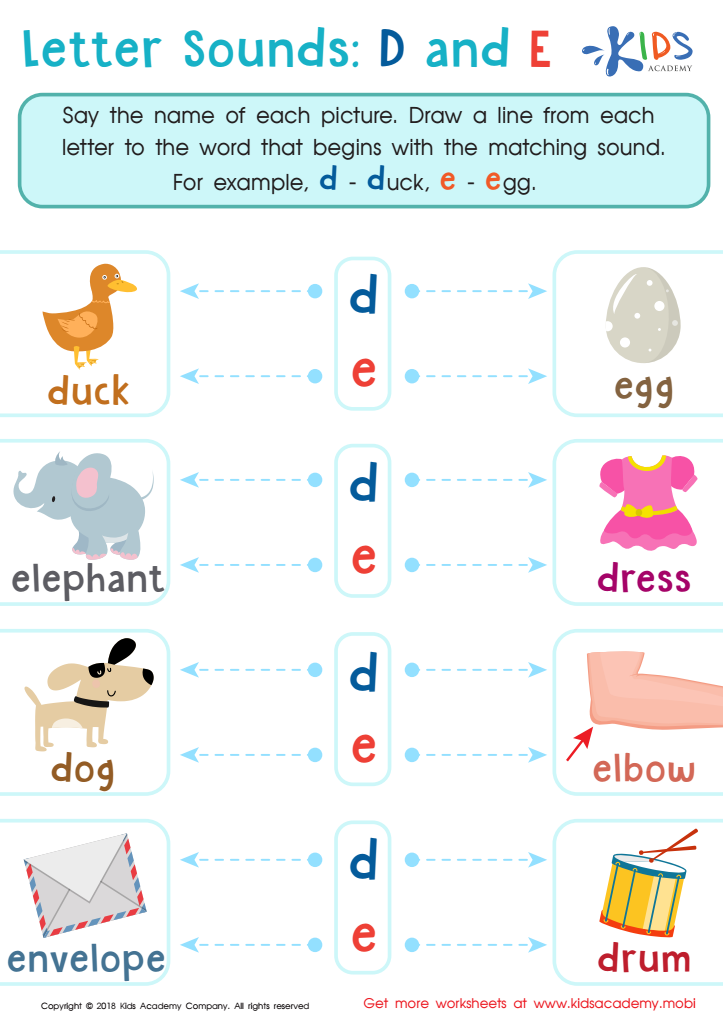
Letter D and E Sounds Worksheet







Vocabulary development during the early years, especially ages 3-6, is critical for several reasons. First, a robust vocabulary forms the foundation for reading and comprehension skills. Children who develop a rich vocabulary early on can understand and make sense of stories and instructions, setting them up for academic success. Furthermore, a strong vocabulary enhances children’s ability to express their thoughts, feelings, and ideas more clearly, fostering better communication skills.
In addition, vocabulary development is closely linked to cognitive skills. As children learn more words, they also learn to categorize, recall, and articulate concepts, boosting their mental agility and problem-solving skills. This age is crucial because children are especially receptive; their brains are like sponges, soaking up new information rapidly.
Socially, children with a well-developed vocabulary are likely to interact more effectively with peers and adults. This ability to communicate well can lead to stronger social bonds and a greater ability to navigate social situations.
Finally, early vocabulary acquisition sets the stage for lifelong learning. The words and concepts kids learn now become the building blocks for all future learning, impacting how they acquire new knowledge and skills. Therefore, parents and teachers should prioritize and nurture vocabulary development to ensure children have all the tools they need for future success.







