Letter-sound recognition Normal Phonics Worksheets for Ages 3-6
4 filtered results
-
From - To
Introducing our engaging Normal Phonics Worksheets for Ages 3-6, designed to cultivate essential letter-sound recognition skills in early learners. These worksheets feature vibrant illustrations and interactive activities that make learning fun and effective. Children will explore letter sounds through a variety of exercises, including matching, tracing, and identifying sounds in words. Perfect for preschool and kindergarten classrooms or home use, our worksheets encourage cognitive development while fostering a love for reading. Each activity helps young learners build a solid foundation in phonics, ensuring they are well-prepared for future academic success. Start your child’s literacy journey today with our delightful resources!
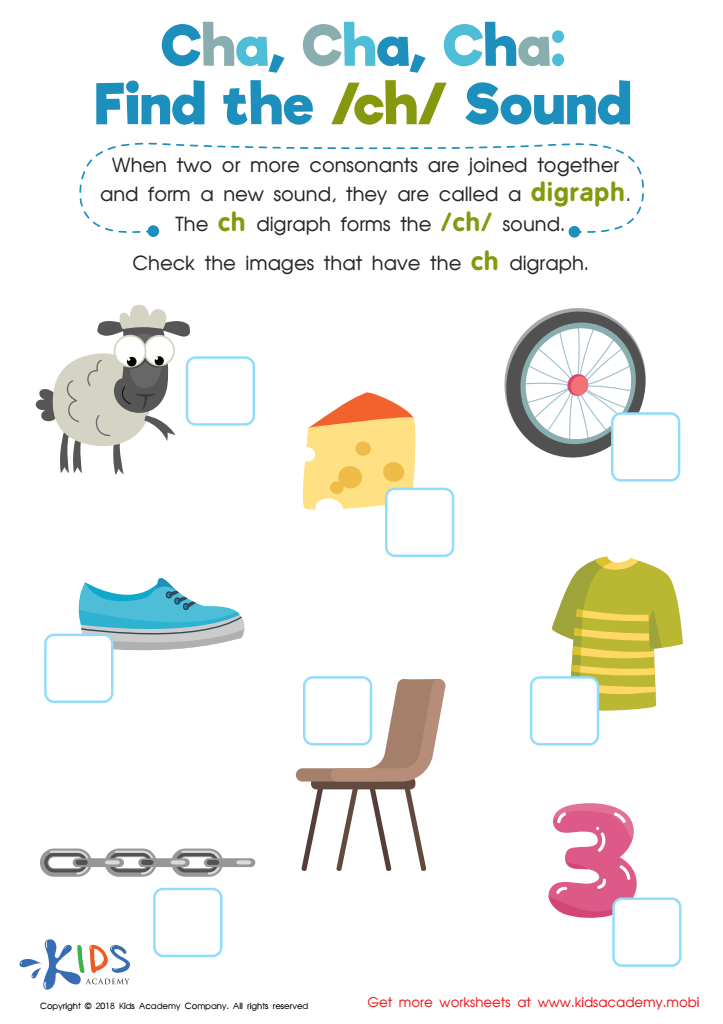
Cha, Cha, Cha: Find the /Ch/ Sound Worksheet
 Assign to My Students
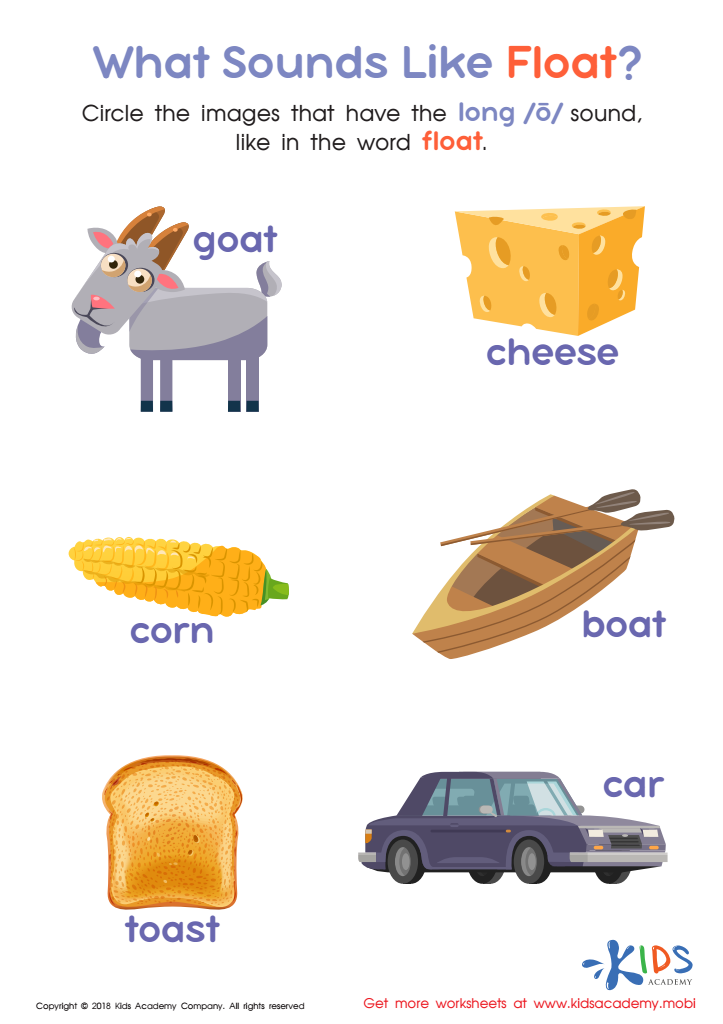
What Sounds Like Float? Worksheet
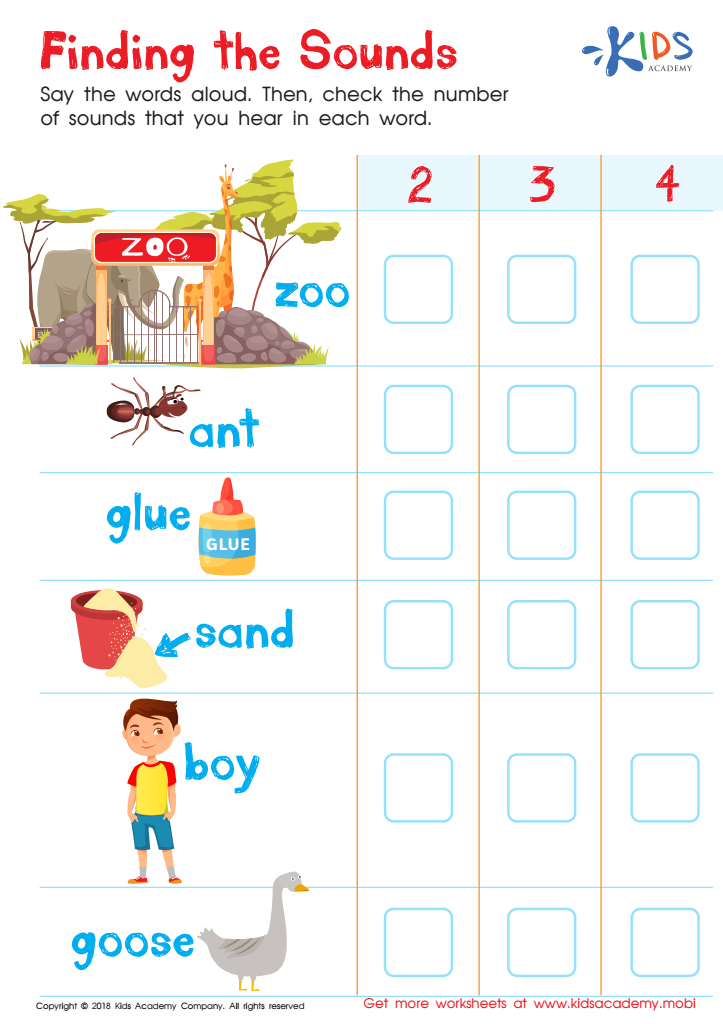
Finding the Sounds Worksheet
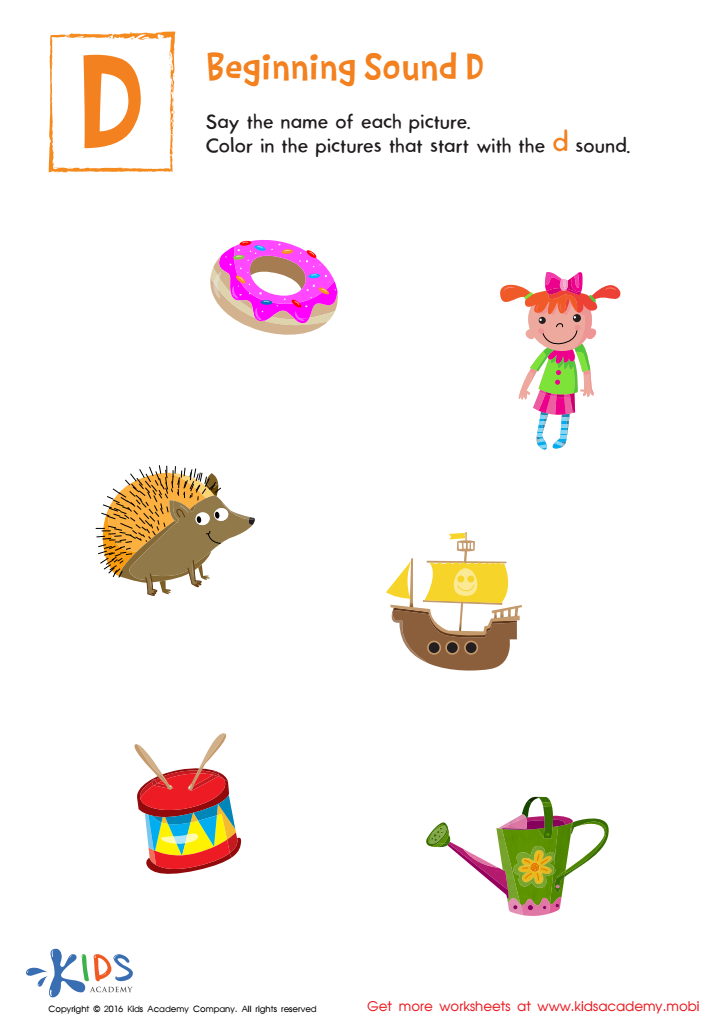
Beginning Sound D Worksheet








Letter-sound recognition through Normal Phonics is crucial for children aged 3-6 as it forms the foundation for literacy development. At this critical stage, children are beginning their reading journey, and understanding the relationship between letters and sounds is essential for decoding words. Proper letter-sound recognition fosters phonemic awareness, which is the ability to hear, identify, and manipulate sounds in spoken words, an important skill necessary for reading fluency.
Parents and teachers play a pivotal role in facilitating this learning. By promoting normal phonics, they help children make essential connections between letters and their corresponding sounds, enabling them to read simple words and ultimately progress to more complex texts. Early exposure to these concepts through engaging activities—such as songs, games, and interactive reading—creates a strong literacy foundation, encouraging a love for reading.
Additionally, strong letter-sound recognition skills correlate with better academic performance in the long term. By investing time in phonics instruction, parents and teachers are not just improving literacy skills; they are also nurturing confident and enthusiastic readers who will be better equipped for future learning challenges. Engaging in this early literacy support is vital for setting children on the path to academic success and lifelong learning.







