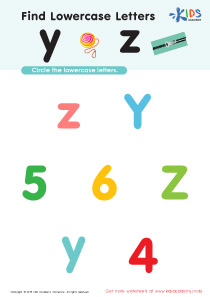
Alphabet Recognition Normal Uppercase Letters Worksheets for Ages 3-6
10 filtered results
-
From - To
Discover the perfect resource for helping young learners master their ABCs with our "Alphabet Recognition Normal Uppercase Letters Worksheets." Designed specifically for children ages 3-6, these engaging printables provide a variety of fun activities to reinforce letter recognition. Each worksheet features vibrant illustrations and interactive exercises, ensuring kids enjoy their learning journey. Strengthening essential pre-reading skills, these educational tools promote confidence in identifying uppercase letters, fostering early literacy development. Boost your child's alphabet knowledge with these expertly crafted worksheets, ideal for preschool and kindergarten students. Make learning fun, memorable, and effective with Kids Academy!
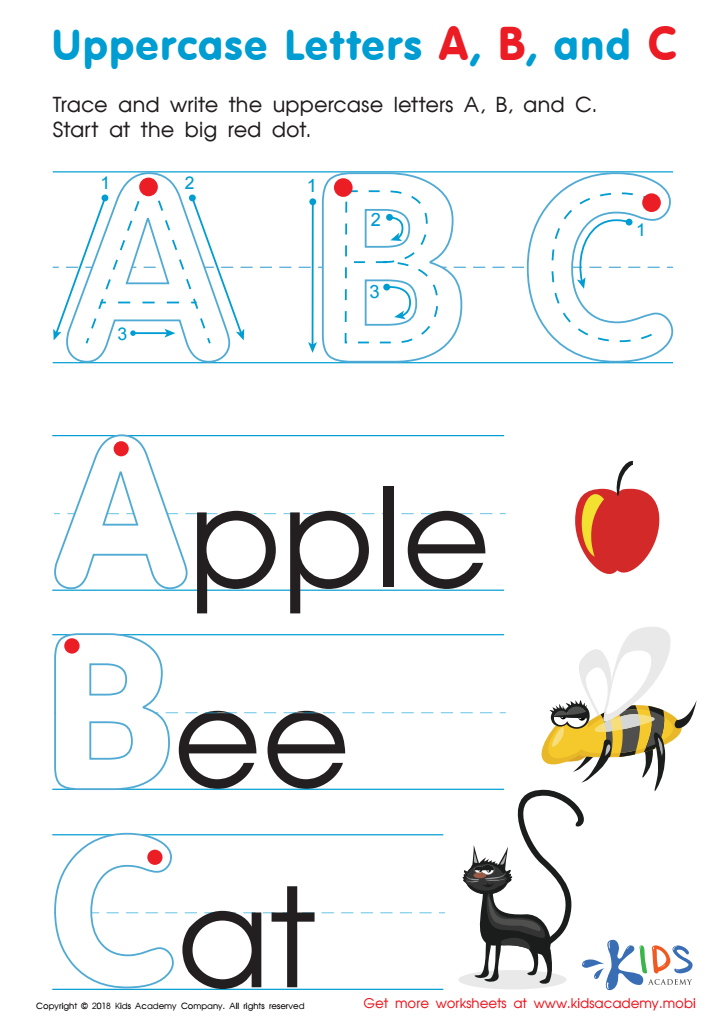
Uppercase Letters A, B, and C Worksheet
 Assign to My Students
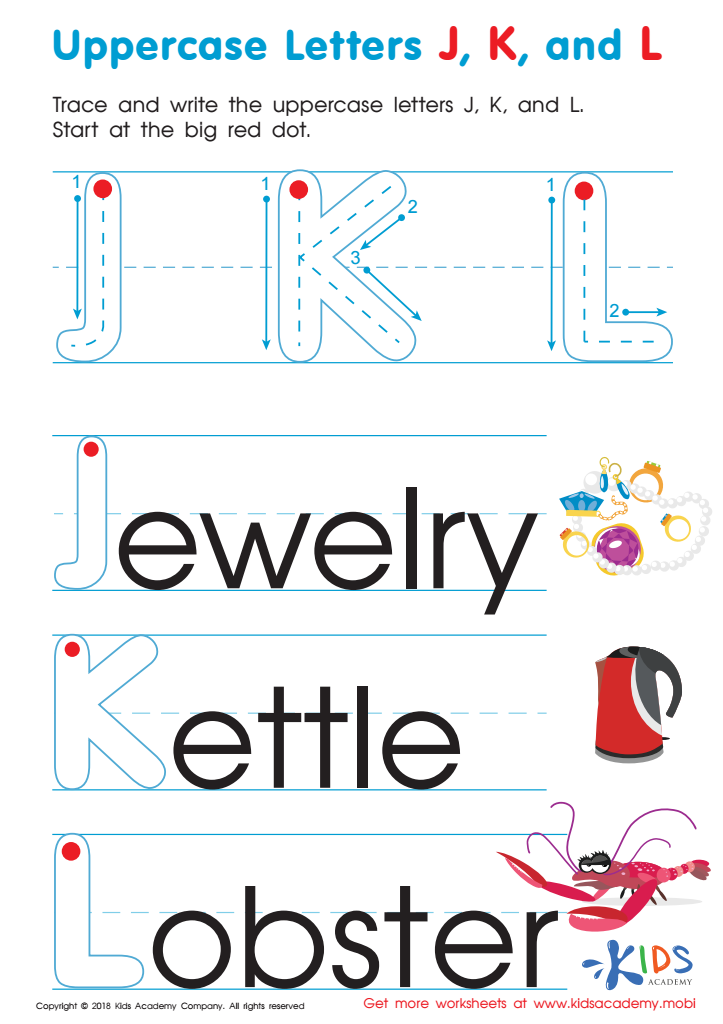
Uppercase Letters J, K, and L Worksheet
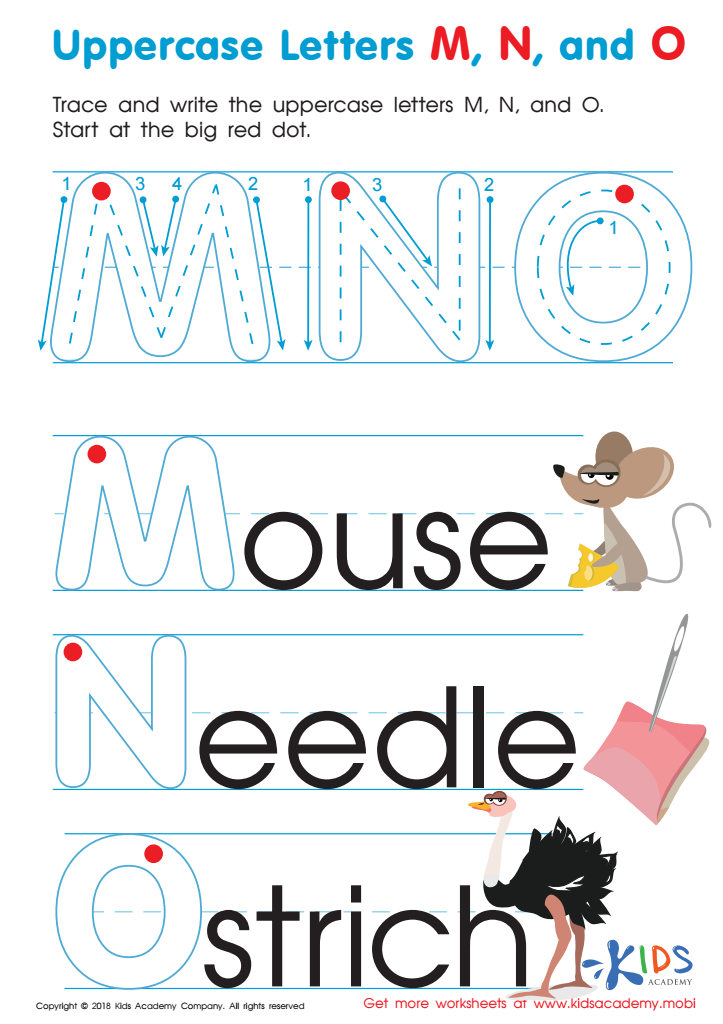
Uppercase Letters M, N, and O Worksheet
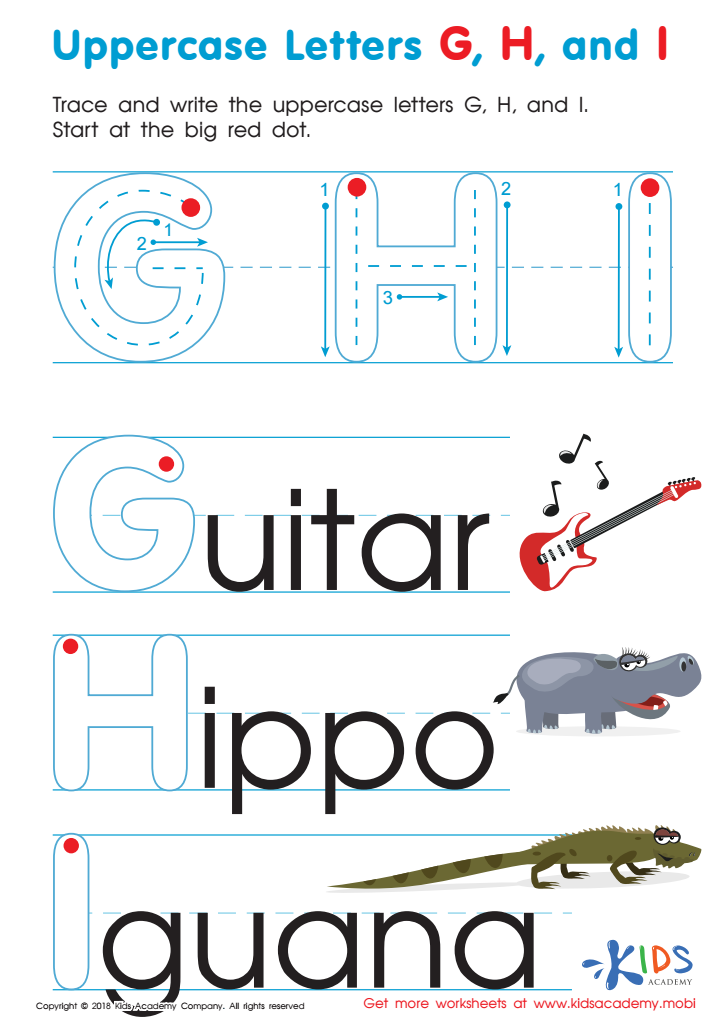
Uppercase Letters G, H, and I Worksheet
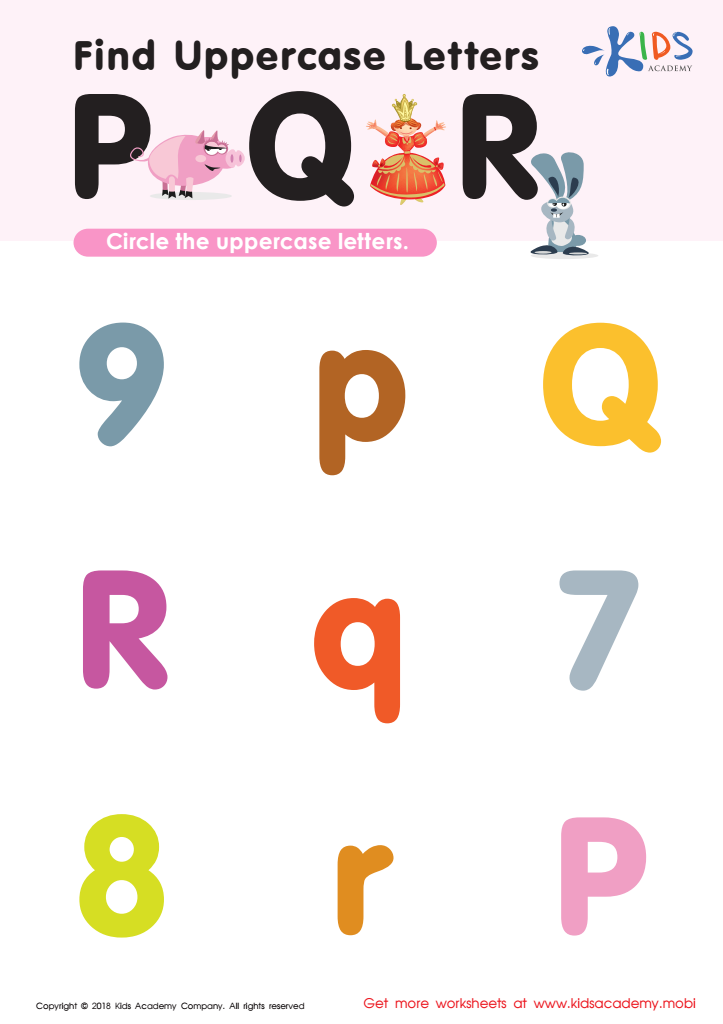
Find Uppercase Letters P, Q, and R Worksheet
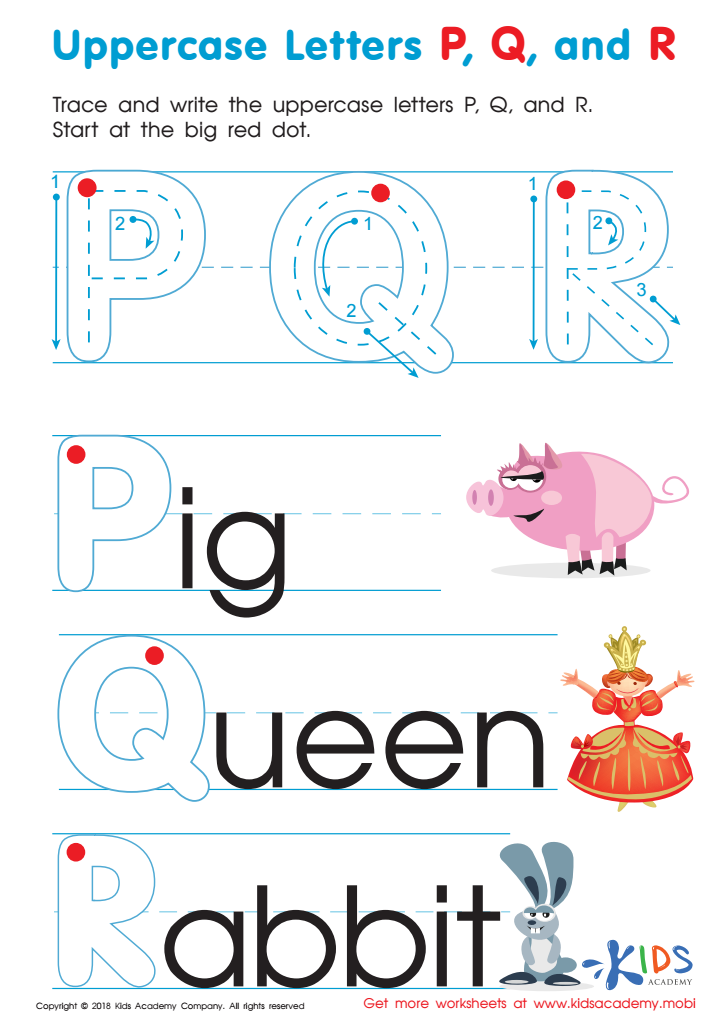
Uppercase Letters P, Q, and R Worksheet
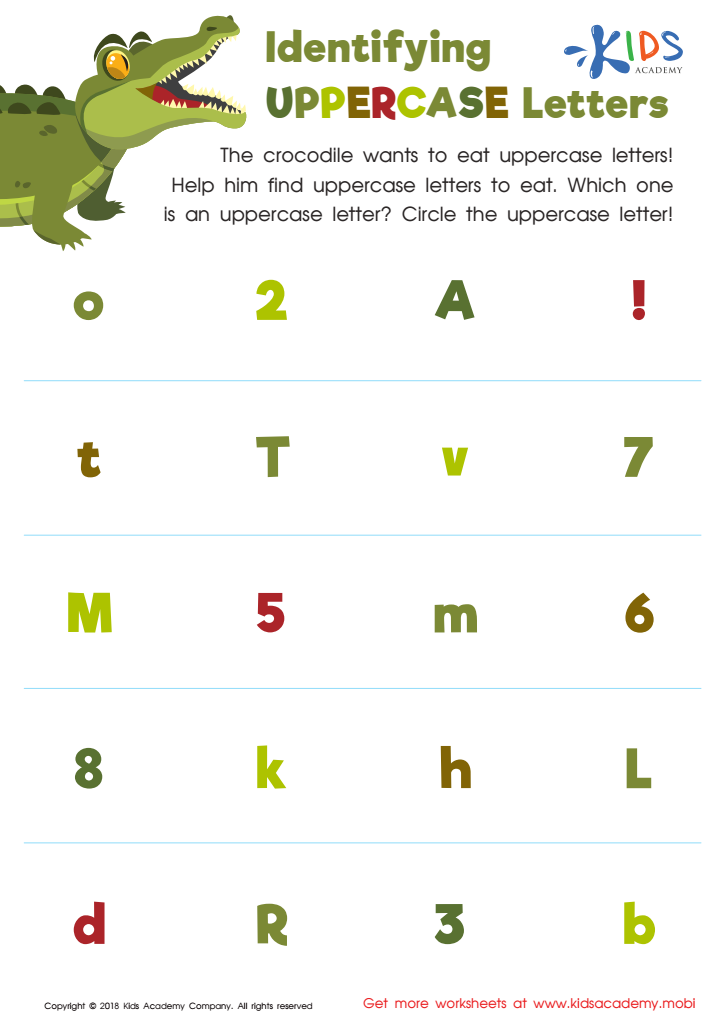
Identifying Uppercase Letters Worksheet
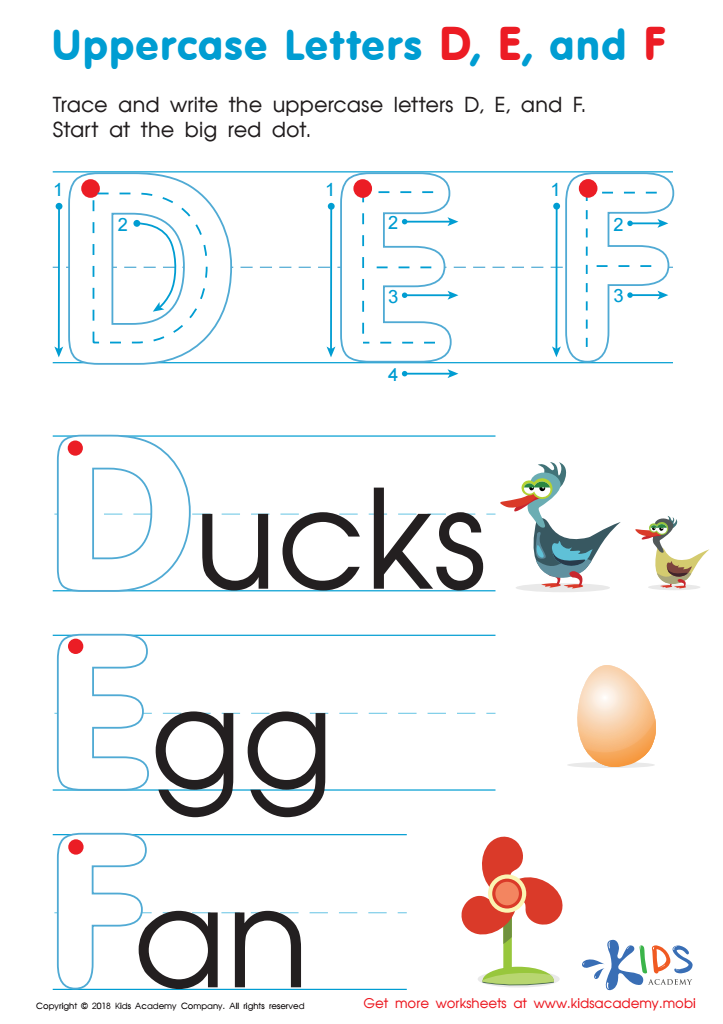
Uppercase Letters D, E, and F Worksheet

Uppercase Letters Y Z Worksheet
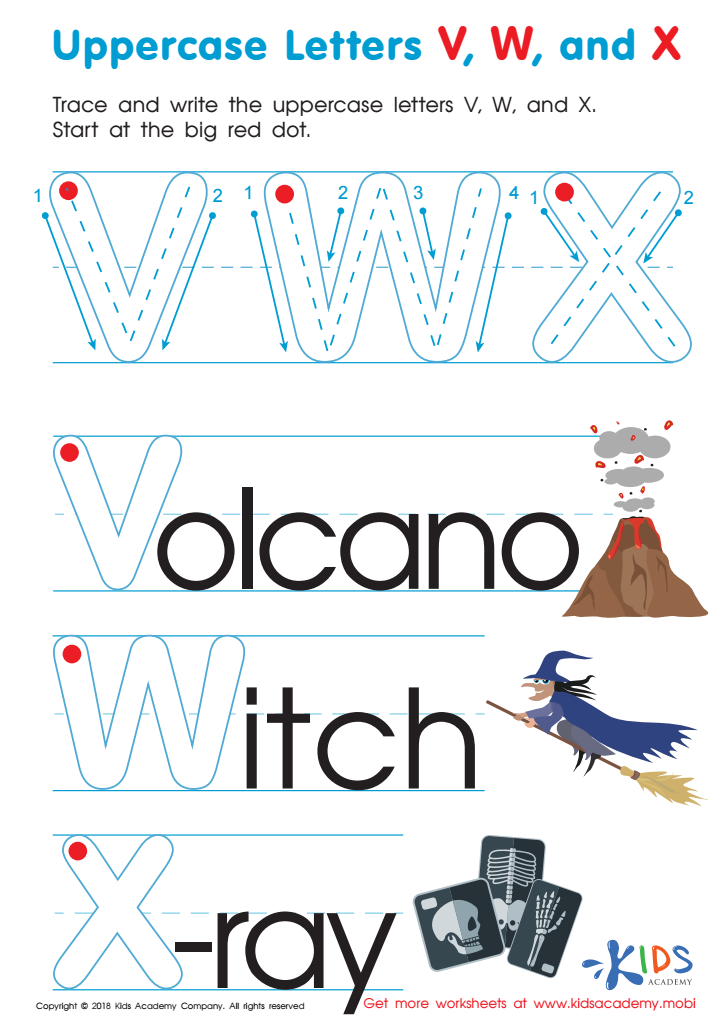
Uppercase Letters V, W, and X Worksheet








Alphabet recognition, particularly of normal uppercase letters, forms the bedrock of early literacy for children ages 3-6. At this developmental stage, children are highly receptive to new information, making it an optimal period for introducing the fundamentals of language. Proficiency in alphabet recognition is crucial because it underpins reading and writing skills. When children can swiftly identify and understand uppercase letters, they are better prepared to decode words, recognize patterns, and build vocabulary.
Parents and teachers should care about this milestone for several reasons. Firstly, it boosts self-esteem and confidence in young learners, as they find joy in recognizing and naming letters correctly. This enthusiasm can ignite a lifelong love of reading and learning. Secondly, consistent familiarity with the alphabet accelerates cognitive development. It aids in the child's ability to follow sequences, differentiate shapes and sounds, and enhance memory.
Moreover, alphabet recognition is often linked with successful transitions into formal schooling. Grade school curricula expect children to have a foundational understanding of letters. Early intervention through games, songs, and interactive activities facilitates this learning in a fun and engaging manner. Ignoring this critical learning phase can result in future academic struggles, illustrating why parents and teachers should prioritize alphabet recognition for 3-6-year-olds.