Phonics Skills Normal Vowels Worksheets for Ages 3-6
18 filtered results
-
From - To
Enhance your child's reading journey with our engaging Phonics Skills Normal Vowels Worksheets designed specifically for ages 3-6! Our worksheets focus on developing essential phonics skills through fun and interactive activities that introduce normal vowels. Kids will enjoy tracing, identifying, and sound-producing exercises that promote early literacy. These resources aim to strengthen letter recognition and encourage phonemic awareness, laying a strong foundation for future reading success. Perfect for homeschooling, classroom settings, or extra practice at home, our worksheets are a delightful way for young learners to explore the world of vowels. Boost your child's confidence and readiness for reading with these captivating worksheets today!
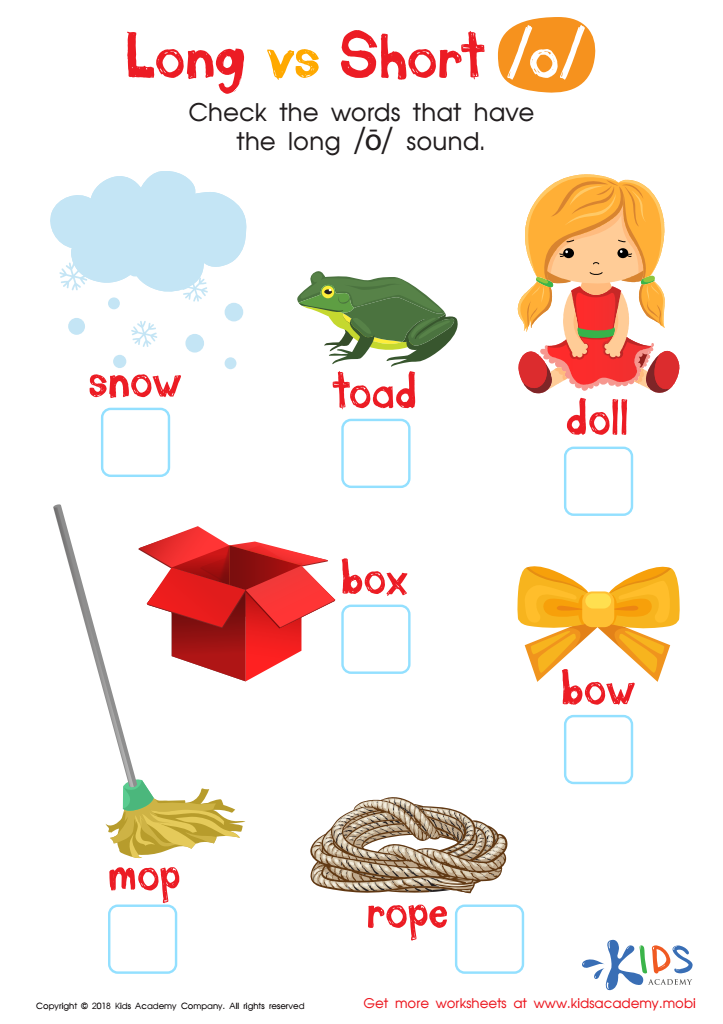
Long vs Short O Reading Worksheet
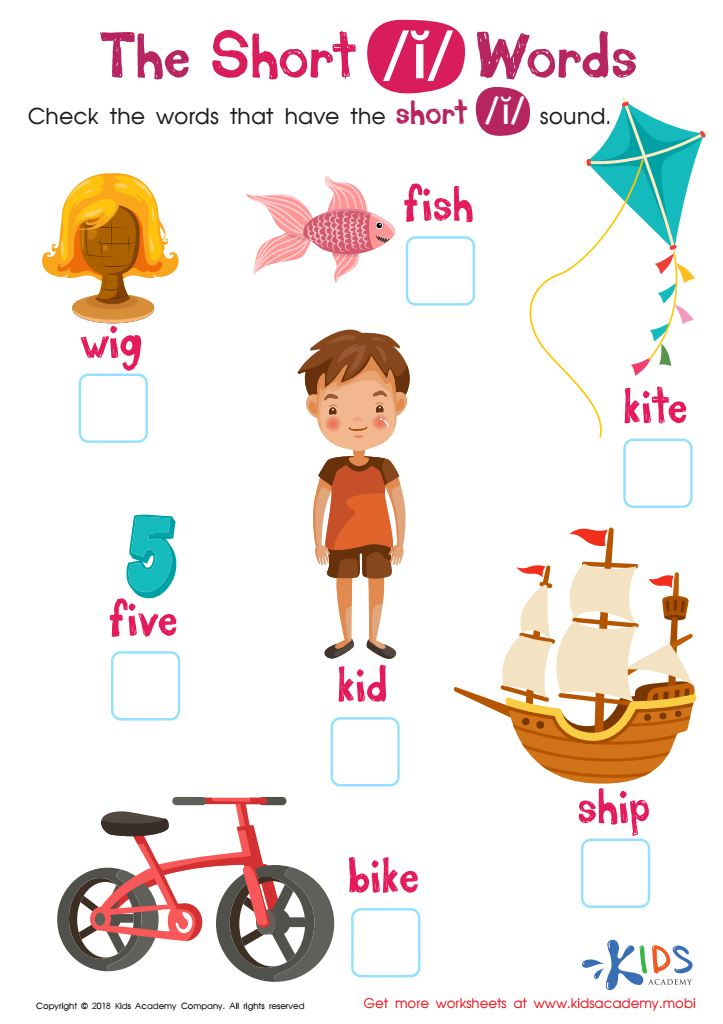
The Short I Words Reading Worksheet
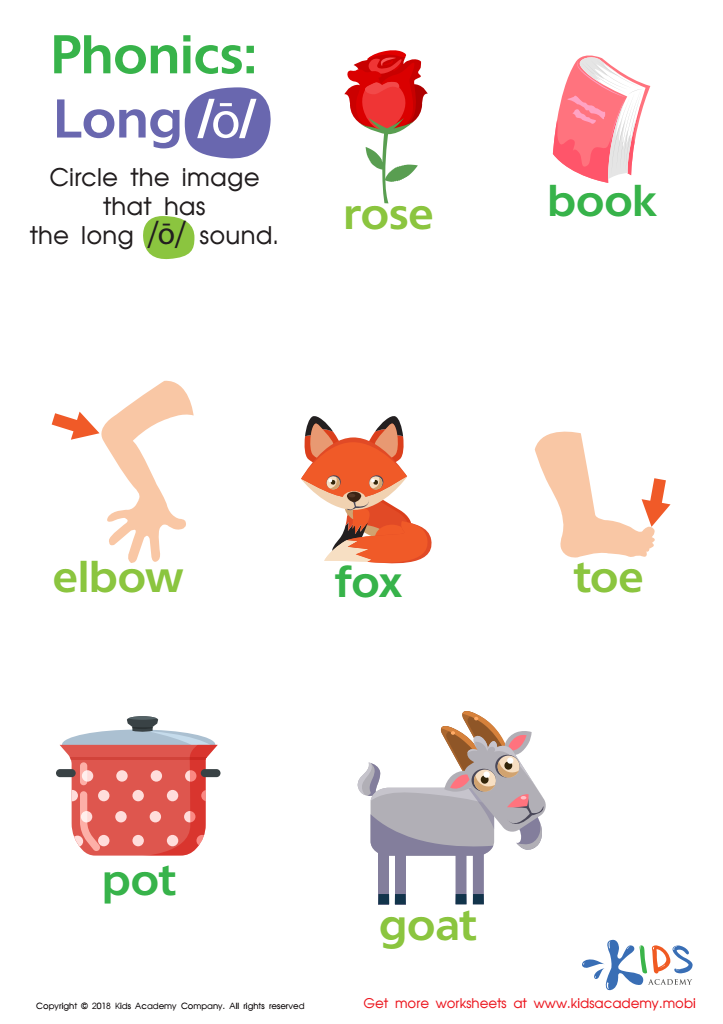
Phonics Long O Reading Worksheet
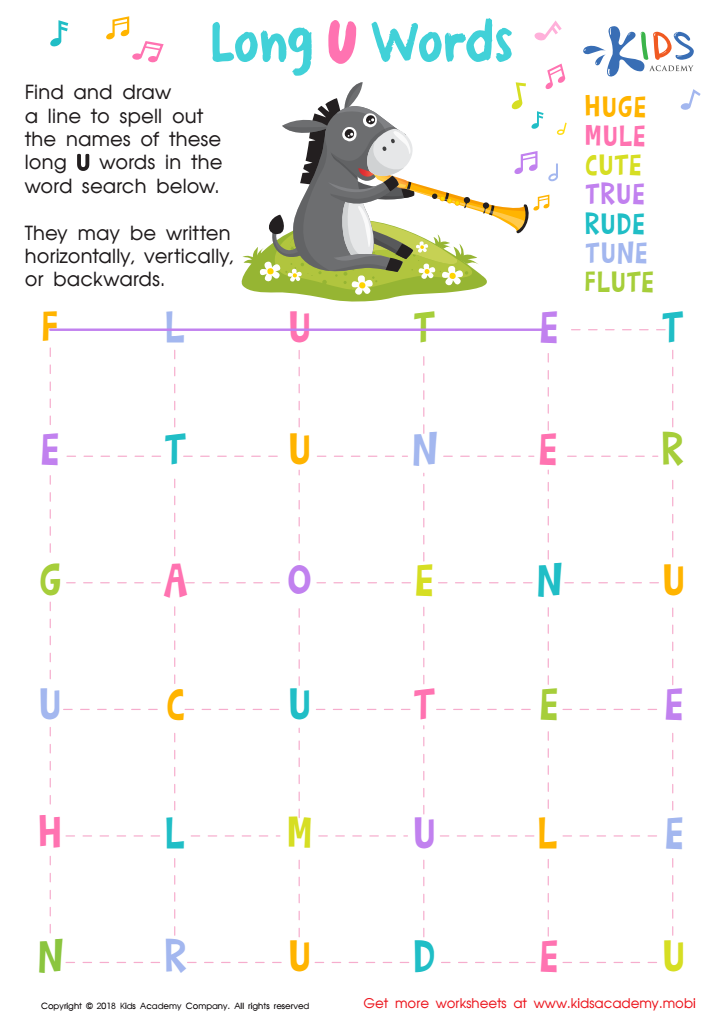
Long /u/ Words Worksheet
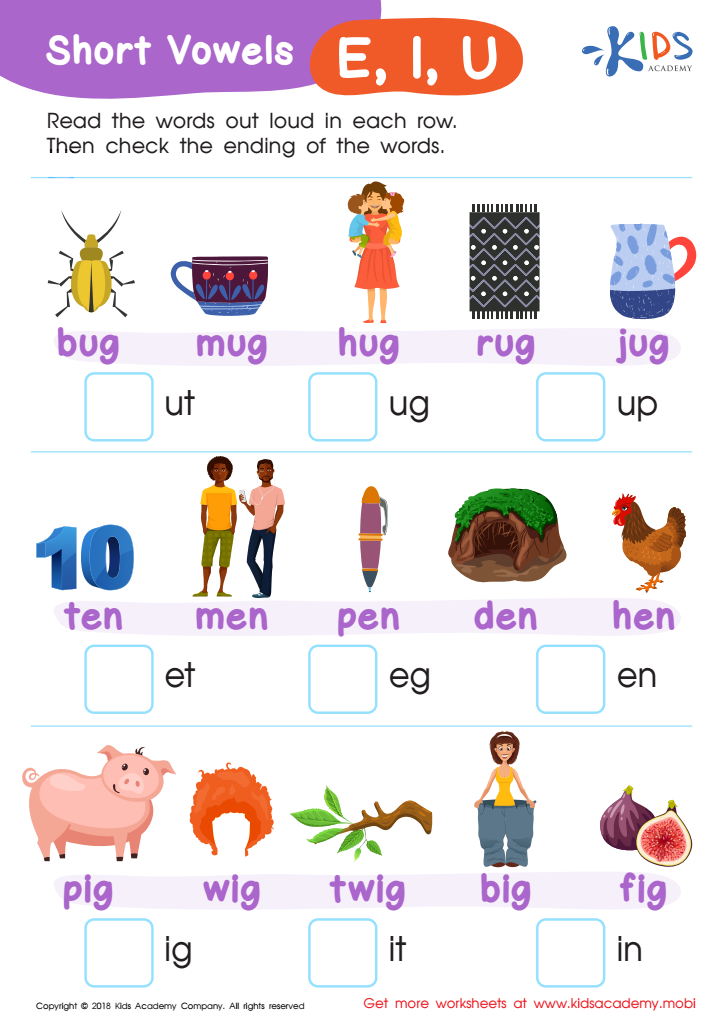
Short Vowels /e/, /i/, and /u/ Worksheet
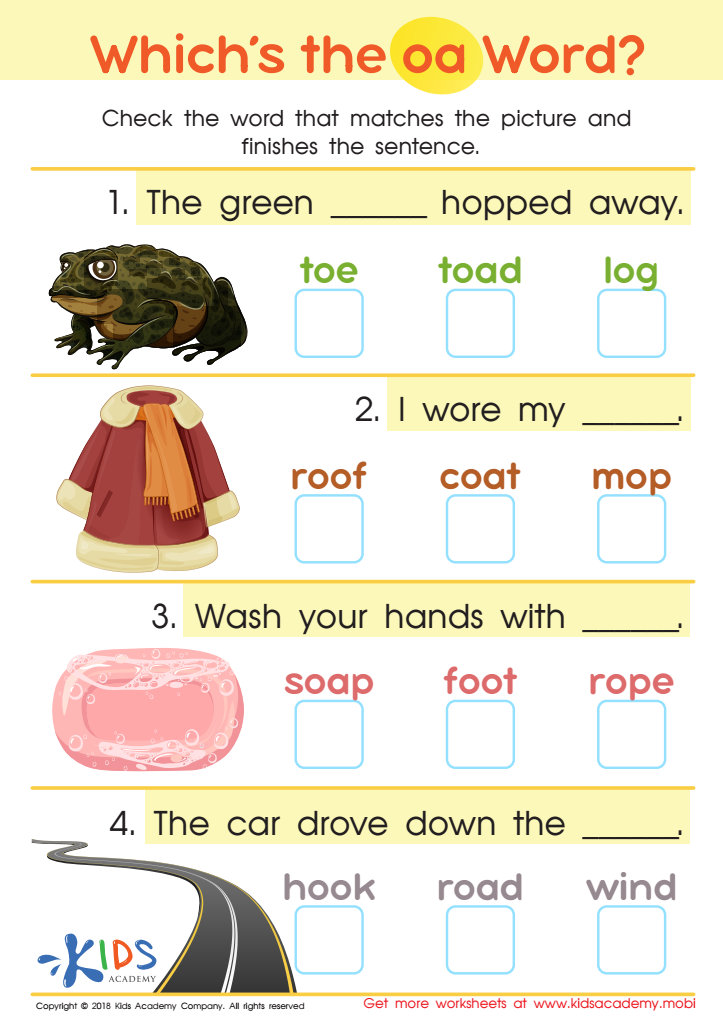
Which's the OA Word? Worksheet
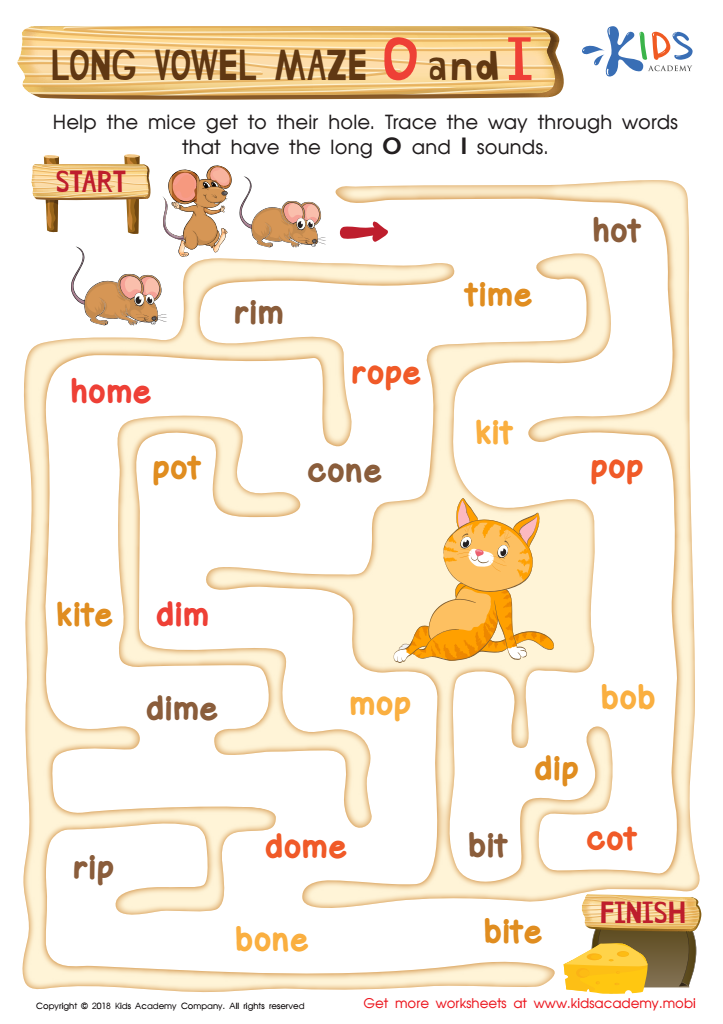
Long Vowel Maze /o/ and /i/ Worksheet
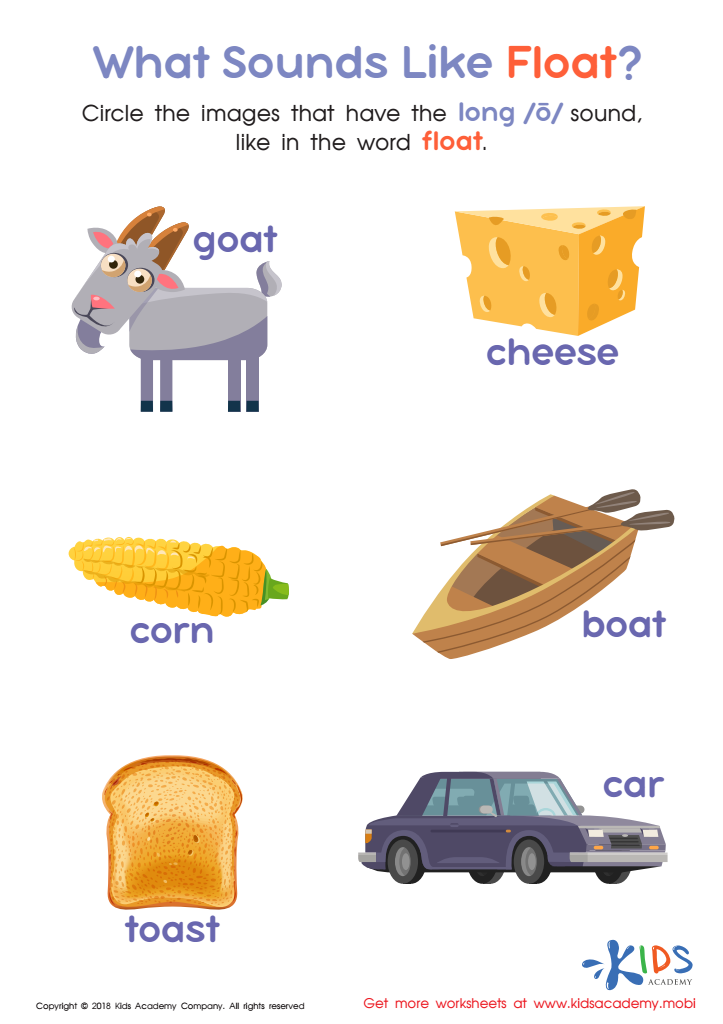
What Sounds Like Float? Worksheet
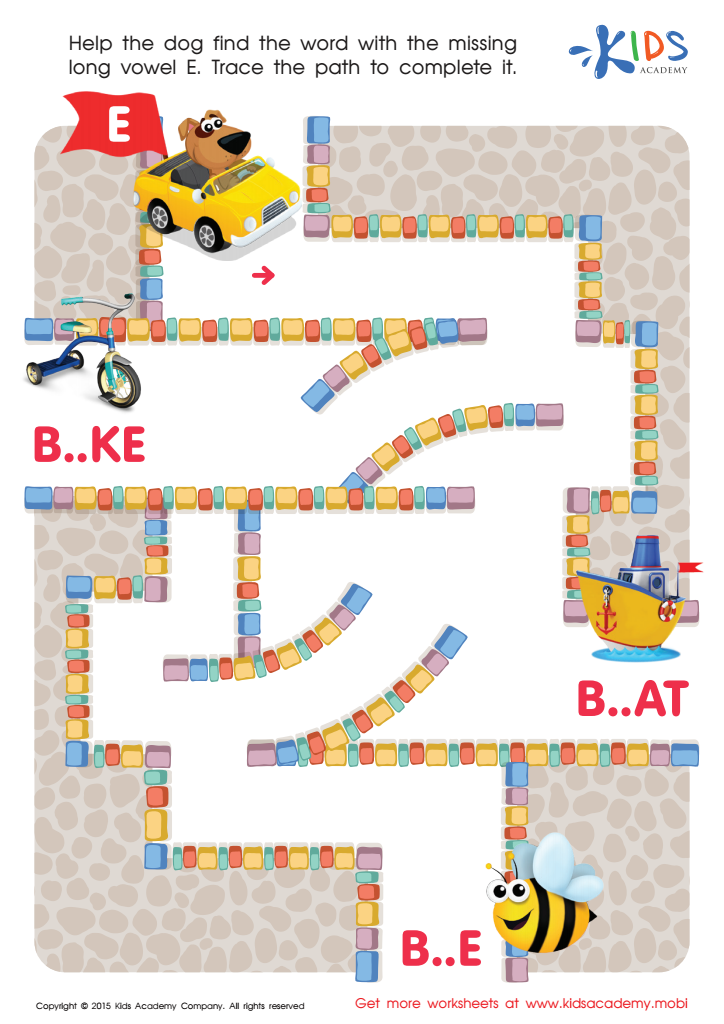
Long Vowel Sound E Worksheet
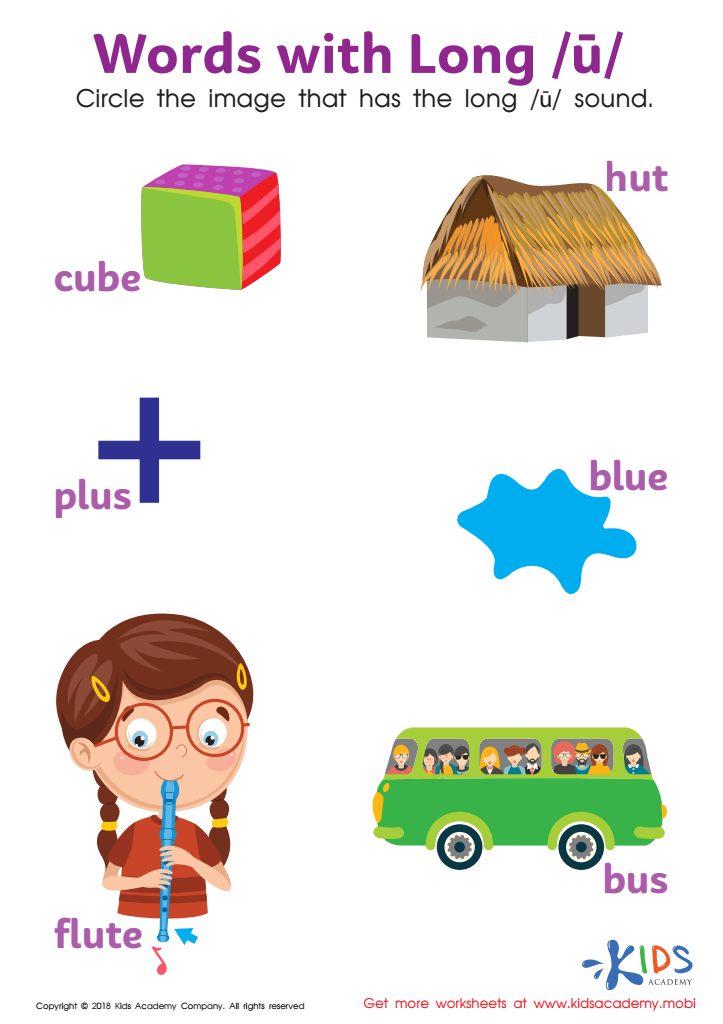
Words with Long U Reading Worksheet
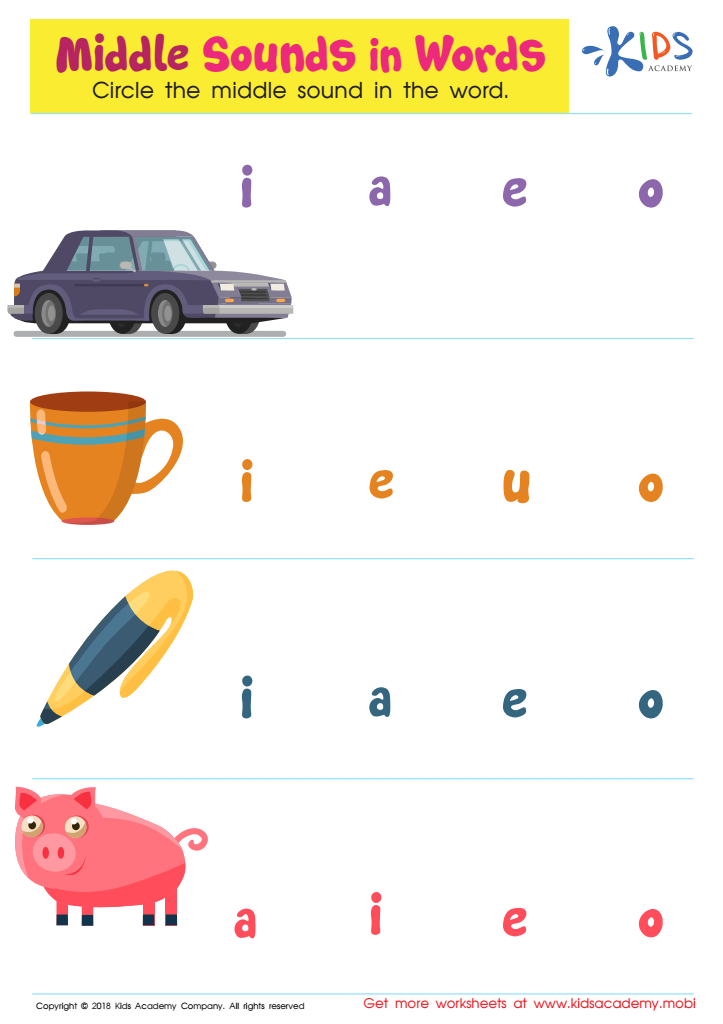
Middle Sounds in Words Worksheet
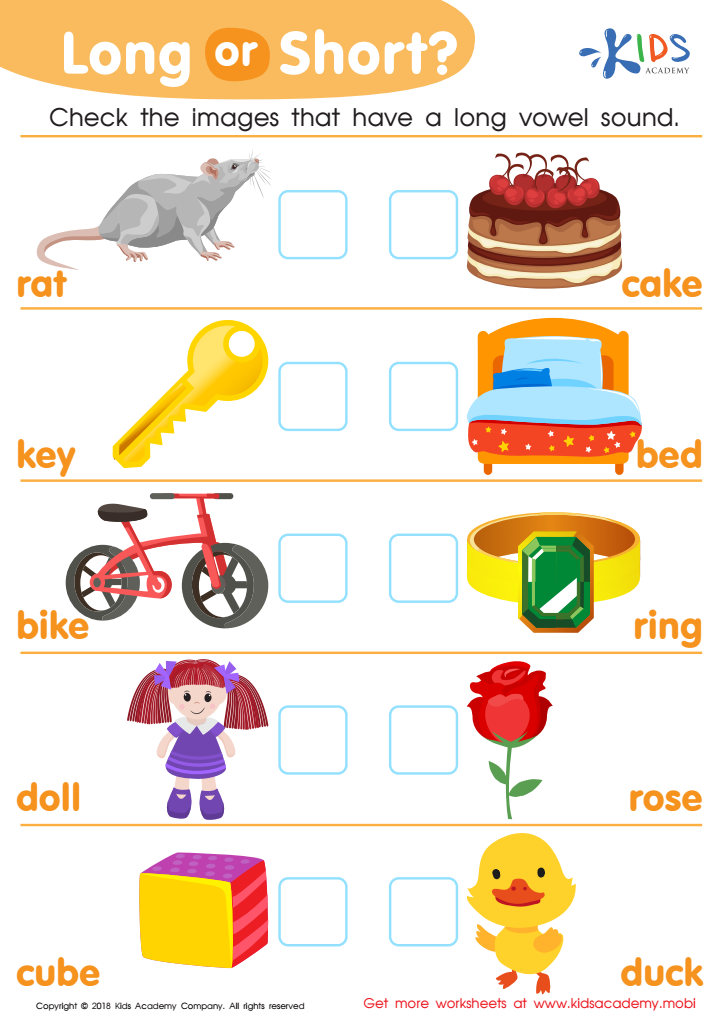
Long or Short Reading Worksheet
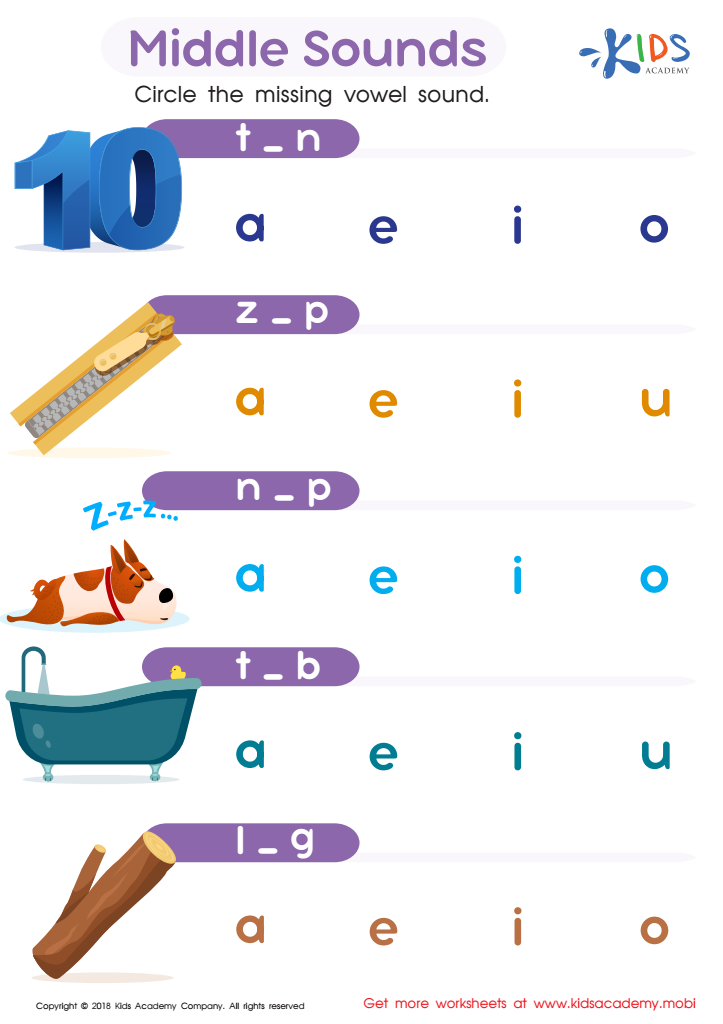
Middle Sounds Worksheet
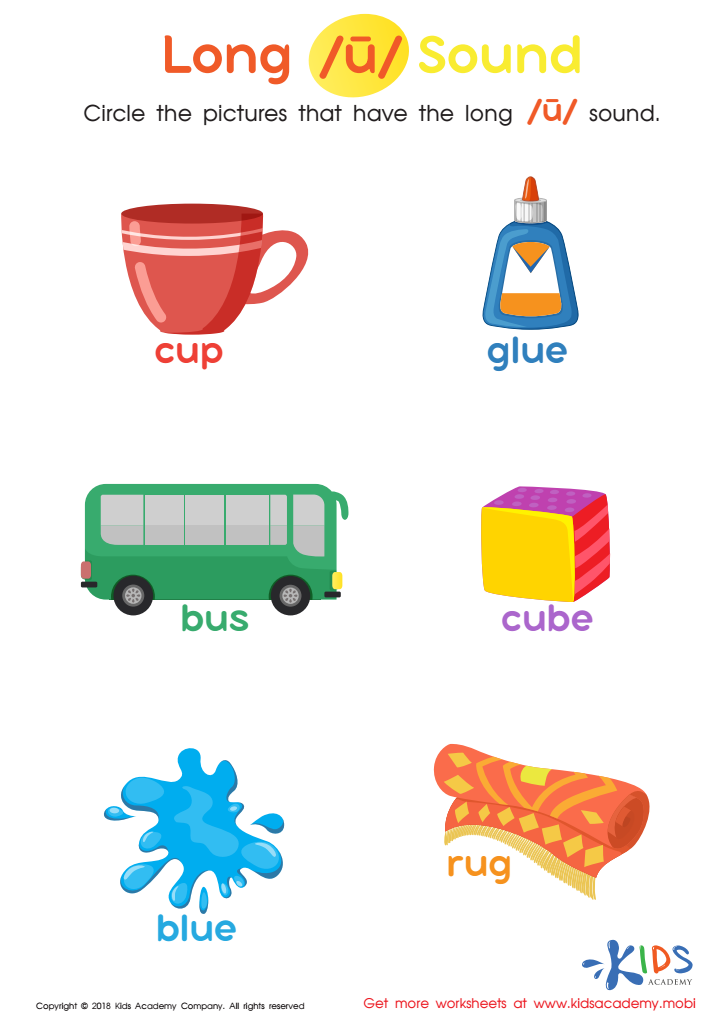
Long «u» Sound Worksheet
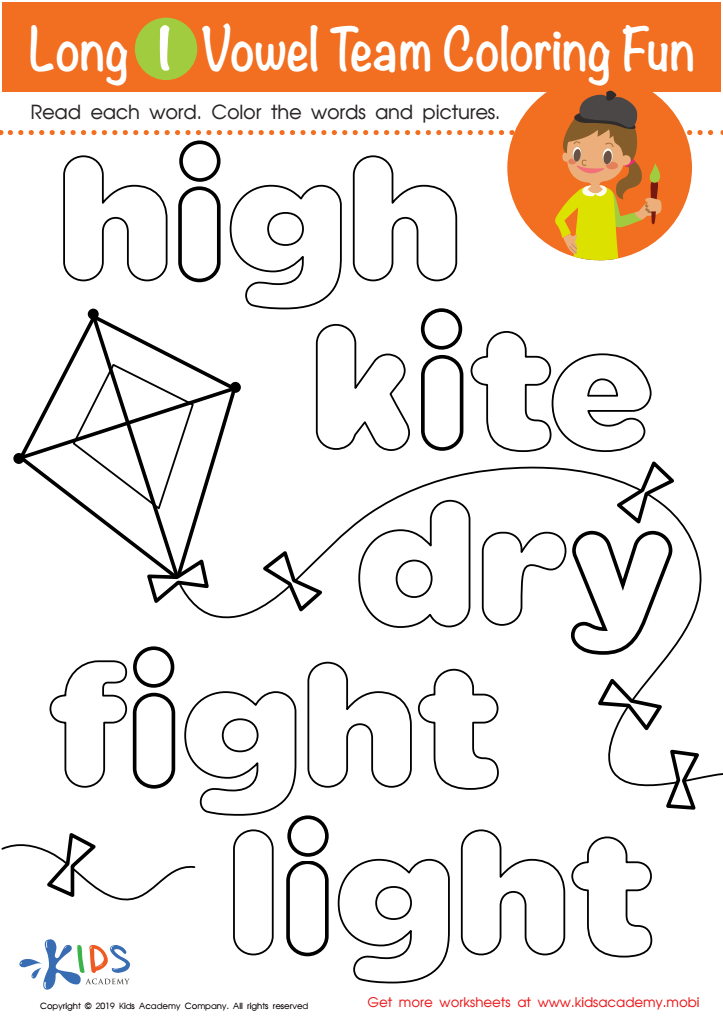
Long I Vowel Team Coloring Worksheet
 Assign to My Students
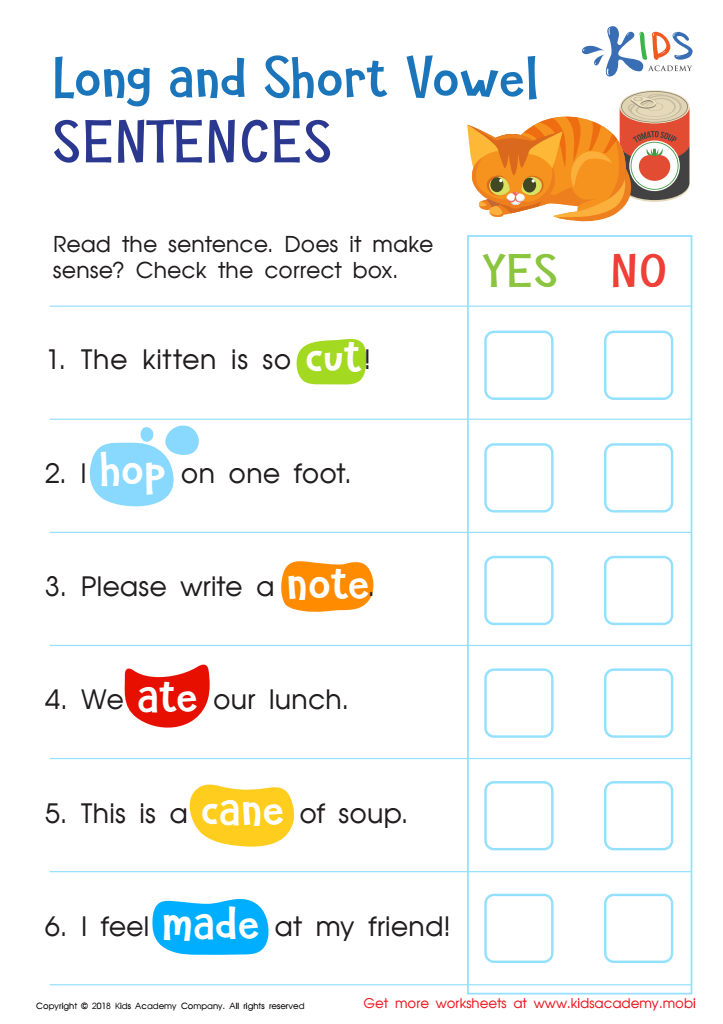
Long and Short Vowel Sentences: Assessment Worksheet
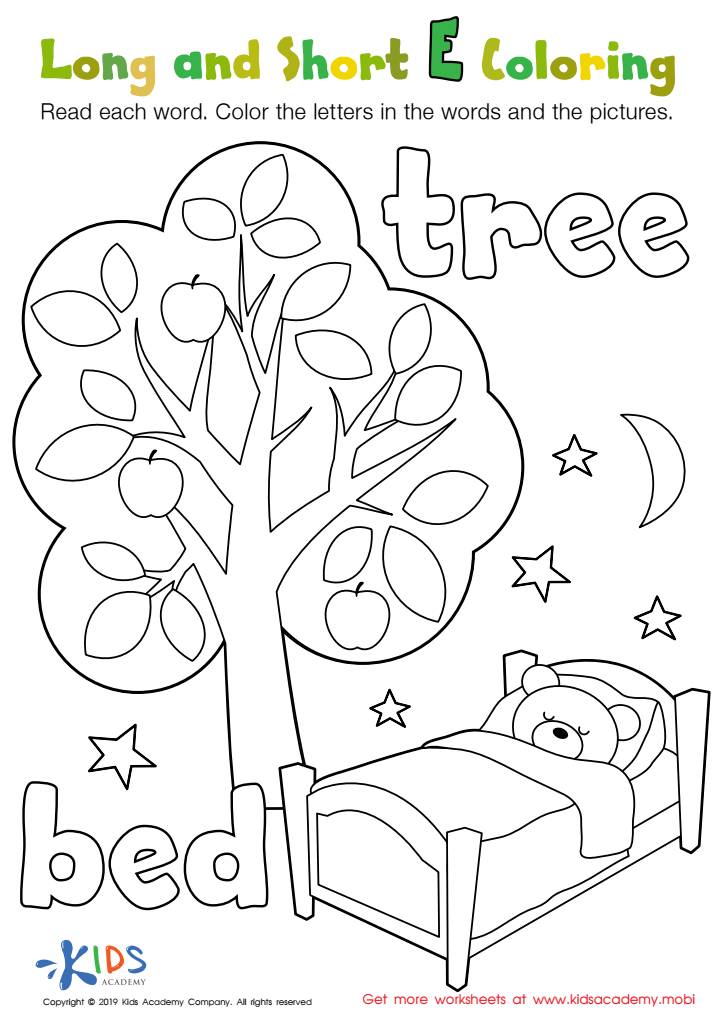
Long and Short E Worksheet
Assign to My Students
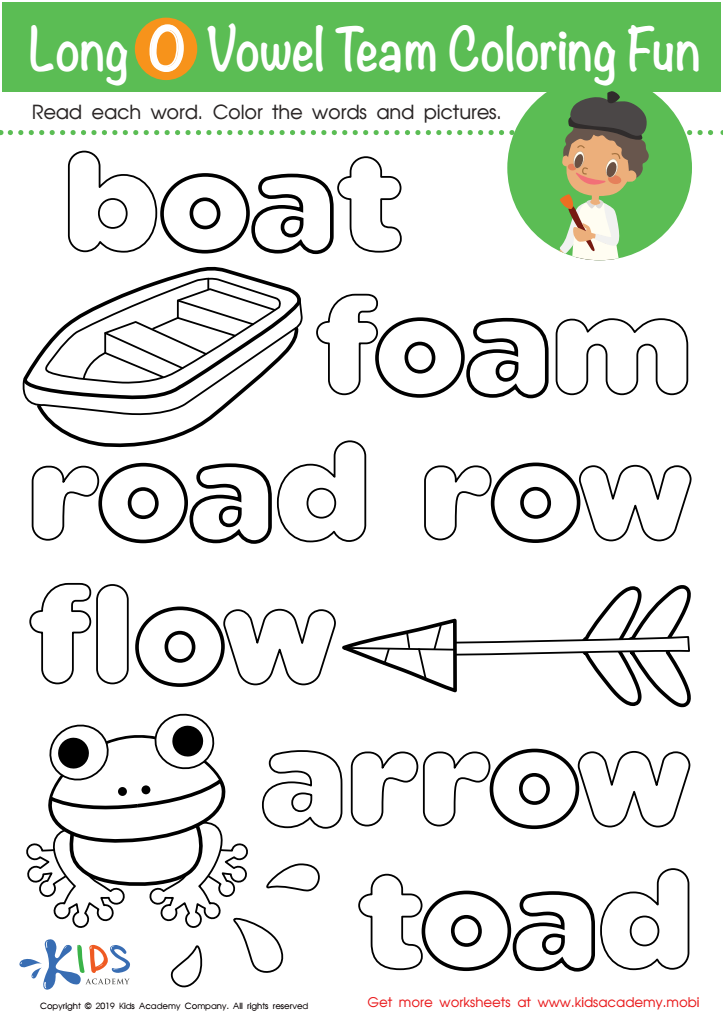
Long O Vowel Team Coloring Worksheet
Assign to My Students





Parents and teachers should prioritize phonics skills for normal vowels in children ages 3-6 because this foundational knowledge is essential for literacy development. Phonics is the relationship between letters and sounds, helping young learners decode words and build reading fluency. Mastering vowel sounds lays the groundwork for understanding more complex phonetic patterns, making it easier for children to read and write as they progress in their education.
At this age, children are naturally curious and eager to learn. By engaging them with fun phonics activities that emphasize normal vowel sounds, educators can nurture their enthusiasm for reading. This early intervention not only bolsters reading skills but also enhances overall language development, expanding vocabulary and improving communication abilities.
Moreover, with the increasing importance of literacy in today’s society, equipping young learners with strong phonics skills can boost their confidence and academic performance. Engaging in phonics instruction can also strengthen critical thinking and problem-solving skills, providing children with lifelong tools for success.
In short, focusing on phonics skills regarding normal vowels during these crucial early years sets the stage for effective reading abilities, fosters a love for learning, and prepares young learners for future academic challenges.