Phonics Skills Normal Coloring Pages Worksheets for Ages 3-6
3 filtered results
-
From - To
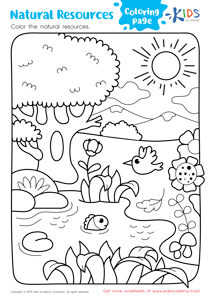
Enhance your child's reading foundation with our engaging Phonics Skills Coloring Pages Worksheets, designed specifically for ages 3-6. These vibrant, easy-to-use worksheets combine the fun of coloring with essential phonics skills, helping young learners recognize letters, sounds, and simple words. Each page encourages creativity while reinforcing early literacy concepts through interactive learning. As your child colors, they’ll develop critical listening and memory skills, making phonics enjoyable and memorable. Perfect for classrooms or at-home learning, these coloring pages are a delightful way to support your child's early reading journey. Explore our collection and watch your little one bloom into a confident reader!
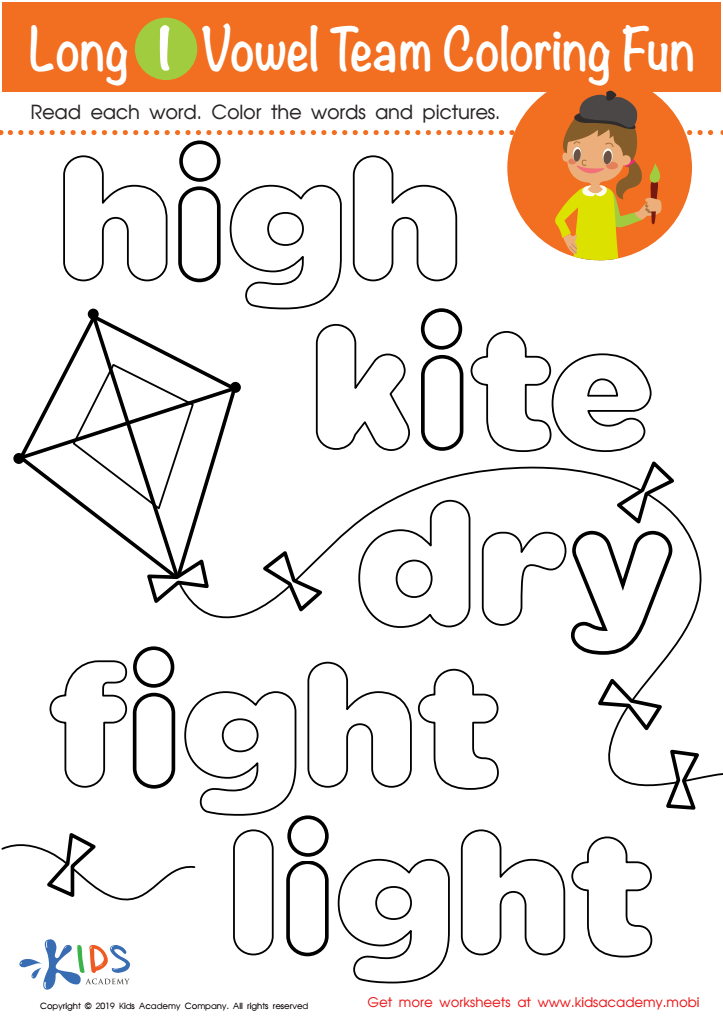
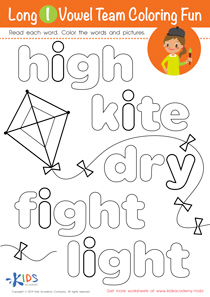
Long I Vowel Team Coloring Worksheet
 Assign to My Students

Long and Short E Worksheet
Assign to My Students
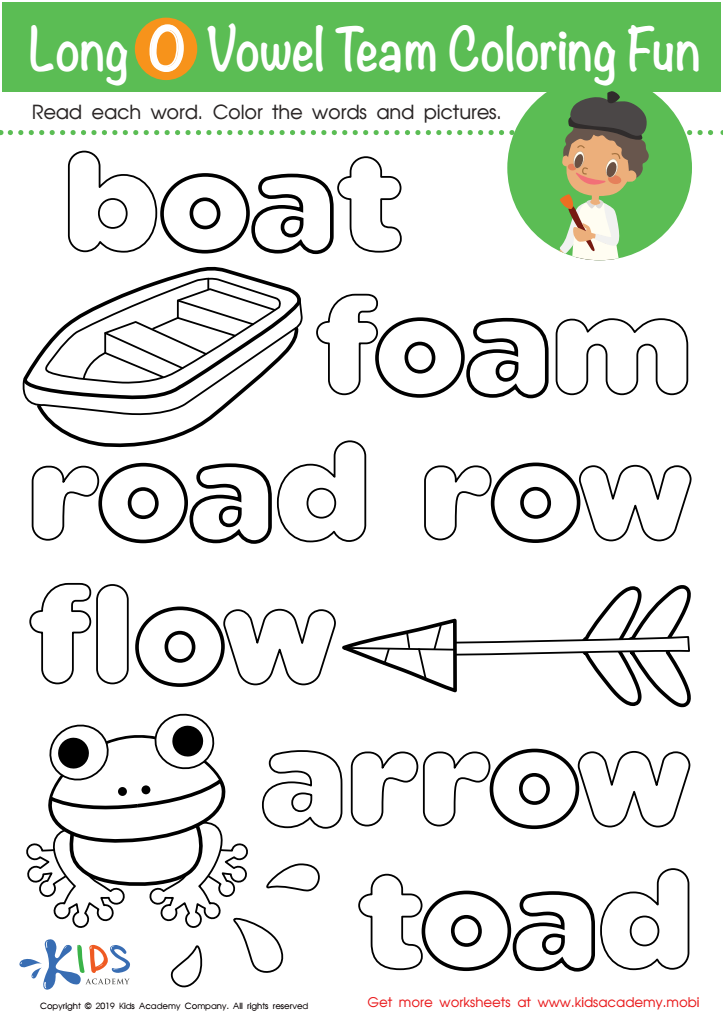
Long O Vowel Team Coloring Worksheet
Assign to My Students








Parents and teachers should prioritize Phonics Skills Normal Coloring Pages for ages 3-6 as they serve as an engaging and effective way to introduce foundational literacy concepts to young learners. Phonics forms the basis of reading and writing, enabling children to understand the relationship between letters and sounds. Coloring pages designed around phonics not only make learning fun but also encourage creativity, allowing children to express themselves while reinforcing essential skills.
These interactive resources help children develop letter recognition, sound association, and fine motor skills. As they color letters and illustrations related to specific phonetic sounds, they enhance their cognitive abilities, improve focus, and increase retention of phonemic awareness. Additionally, these activities can support vocabulary development as children associate images with corresponding sounds and words.
Incorporating phonics-focused coloring pages into educational routines makes learning playful, catering to the diverse learning styles of young children. They promote a joyful, engaging environment in which literacy skills can flourish. Furthermore, by fostering early phonetic skills in a playful manner, parents and teachers lay the groundwork for future reading proficiency, ultimately setting children up for greater academic success as they progress through their educational journey.