Color recognition Normal English for Beginners Worksheets for Ages 3-6
9 filtered results
-
From - To
Introduce your young learners to the vibrant world of colors with our engaging Color Recognition Worksheets, specifically designed for beginners aged 3-6. These printable activities offer a fun and interactive way to help children identify and name different colors in normal English, enhancing their learning experience. Perfect for early childhood educators and parents, each worksheet incorporates cheerful illustrations and practical exercises that promote both color recognition and English language skills. Boost your little ones' confidence and creativity as they explore the colorful worksheets and master this essential learning skill. Visit Kids Academy today to download and start learning!
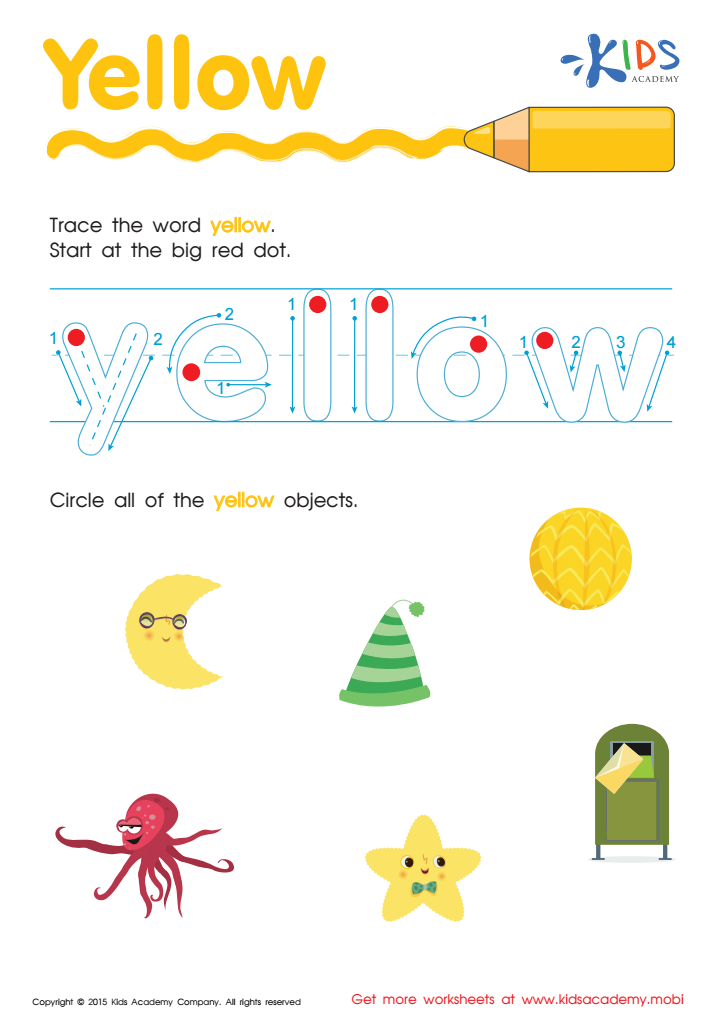
Yellow Tracing Color Words Worksheet
 Assign to My Students
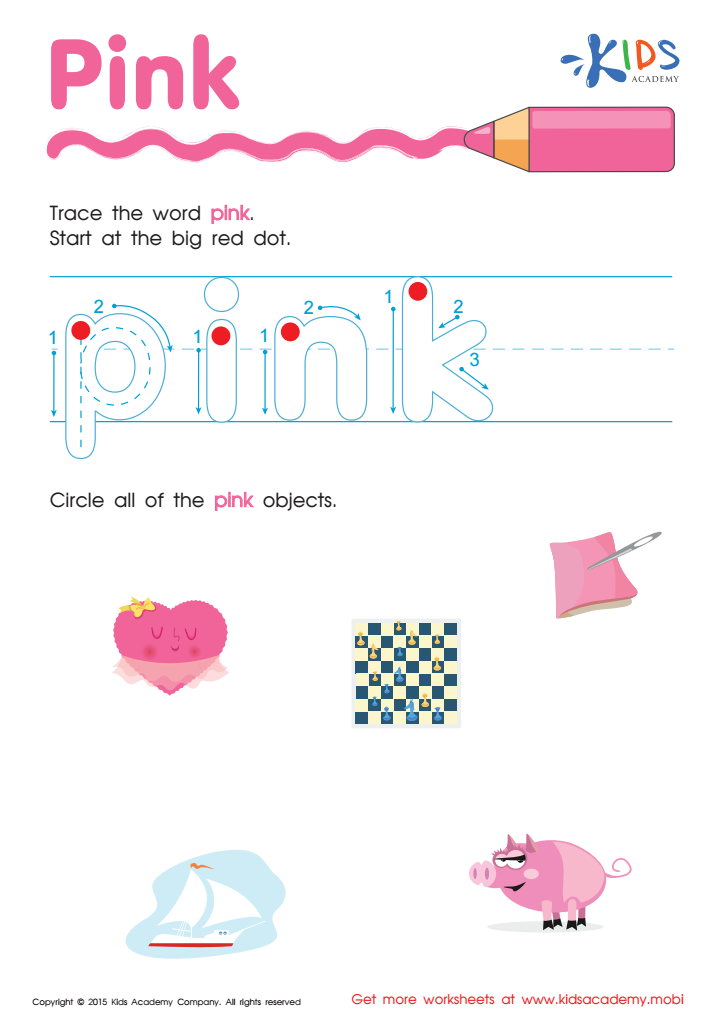
Pink Tracing Color Words Worksheet
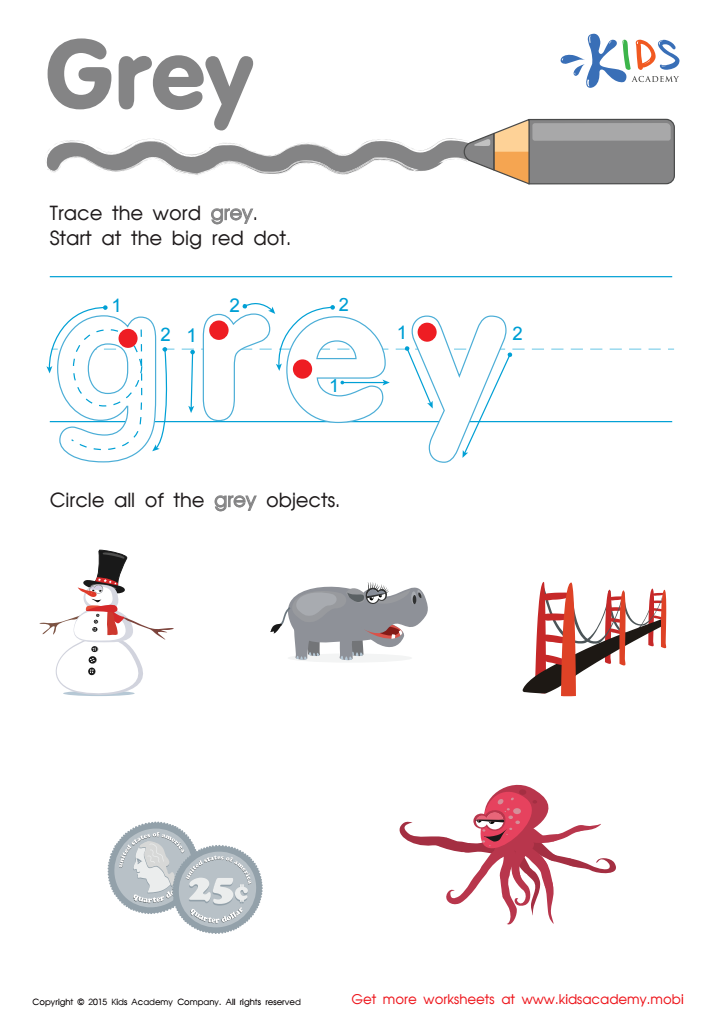
Grey Tracing Color Words Worksheet
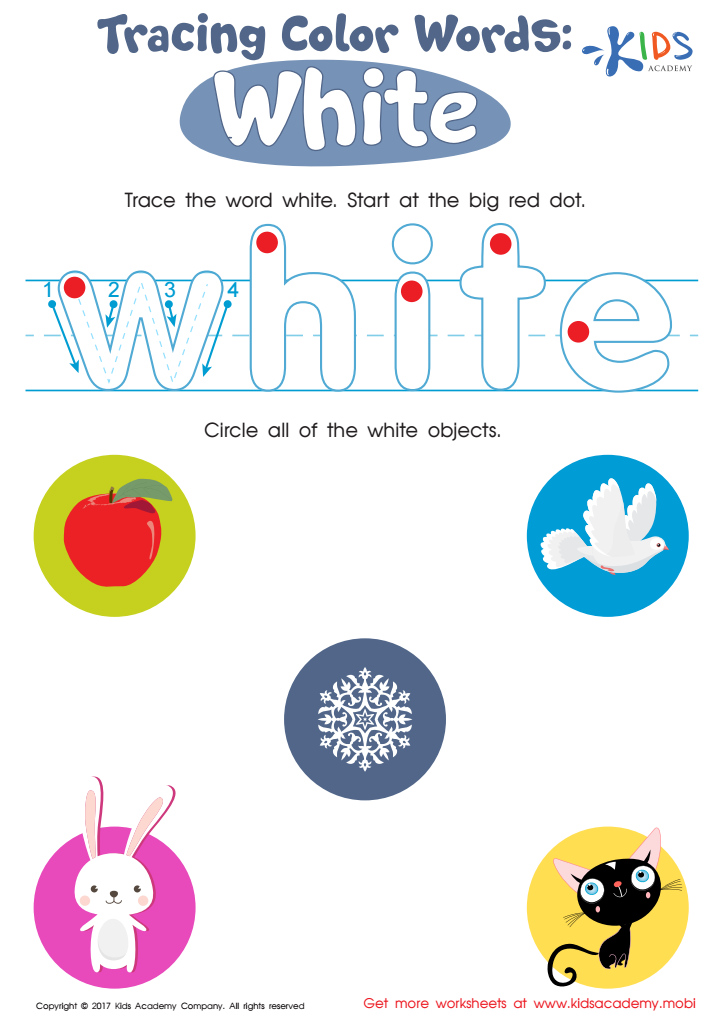
White Tracing Color Words Worksheet
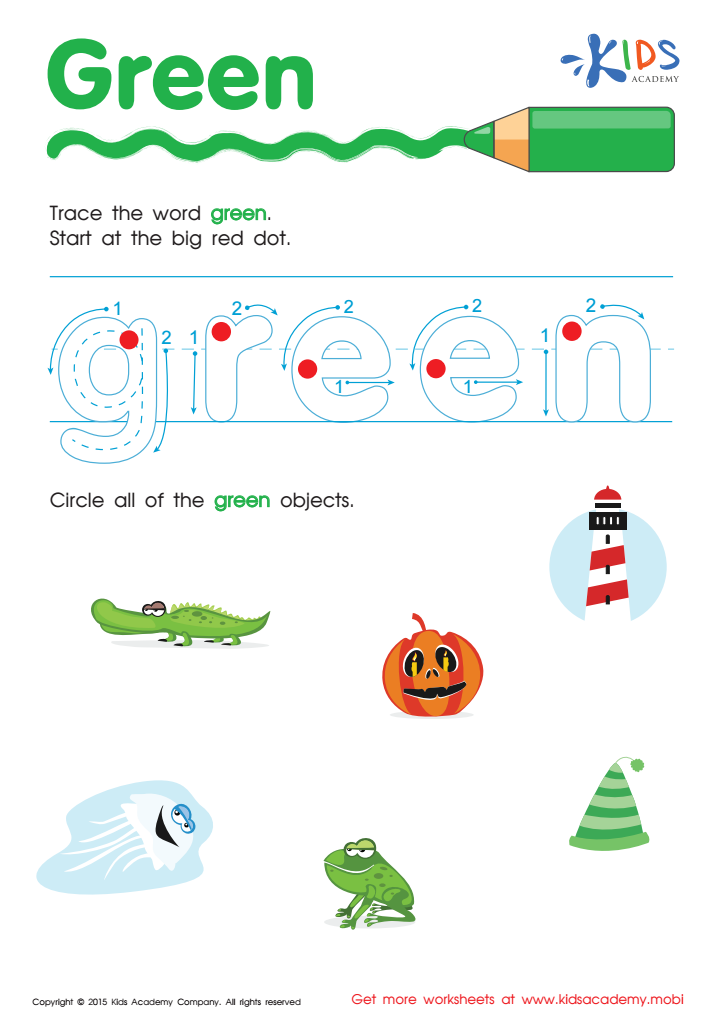
Green Tracing Color Words Worksheet
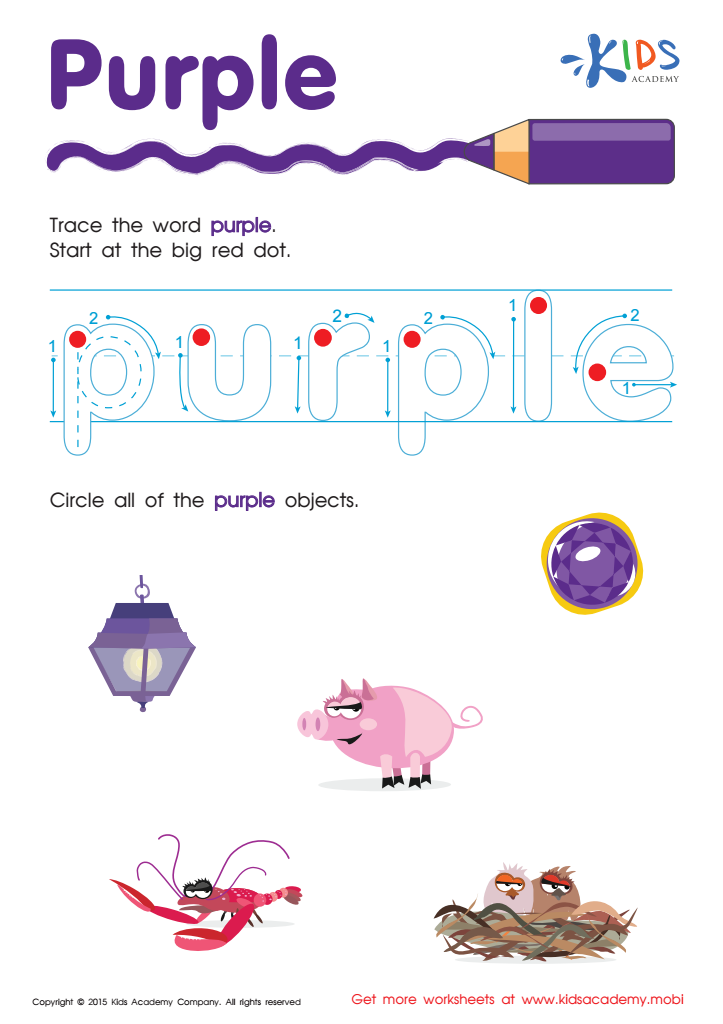
Purple Tracing Color Words Worksheet
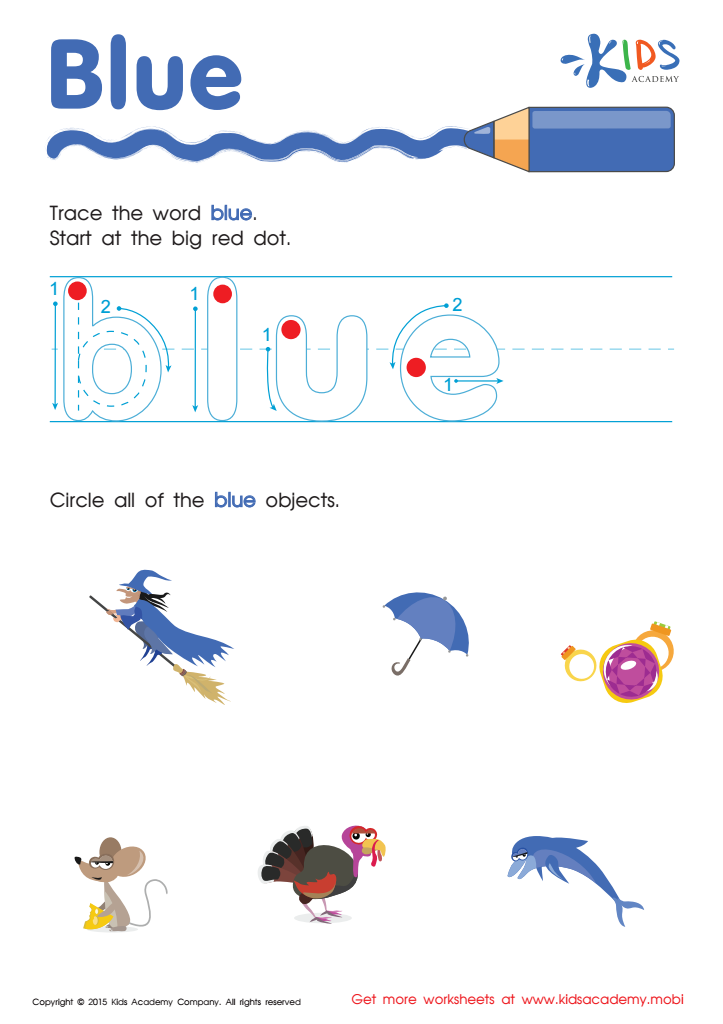
Blue Tracing Color Words Printable
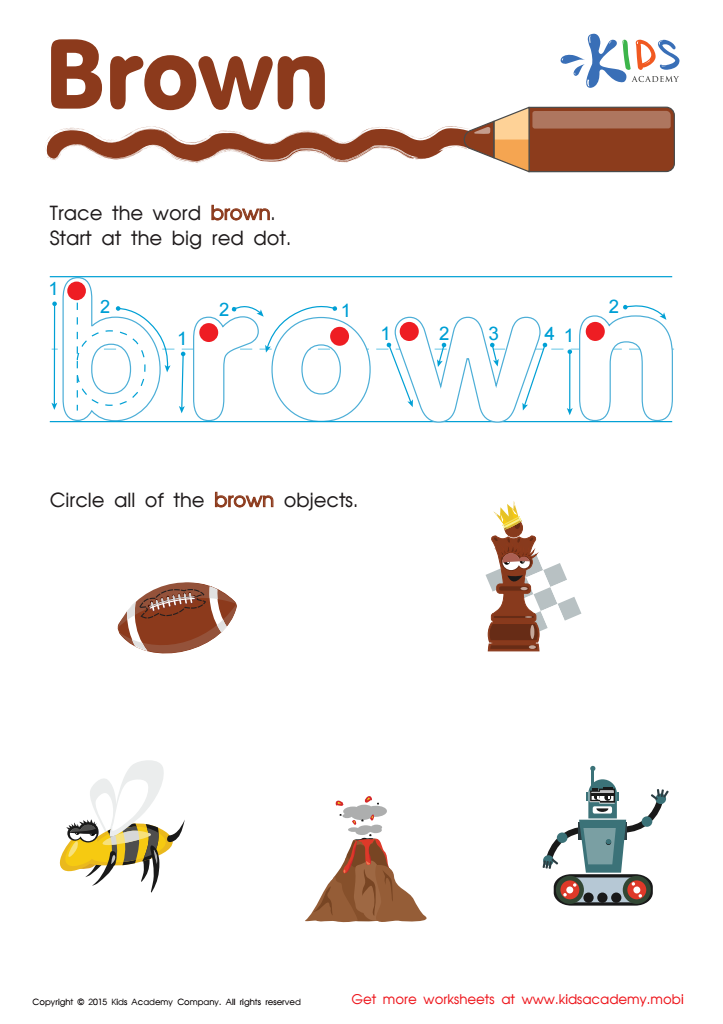
Brown Tracing Color Words Worksheet
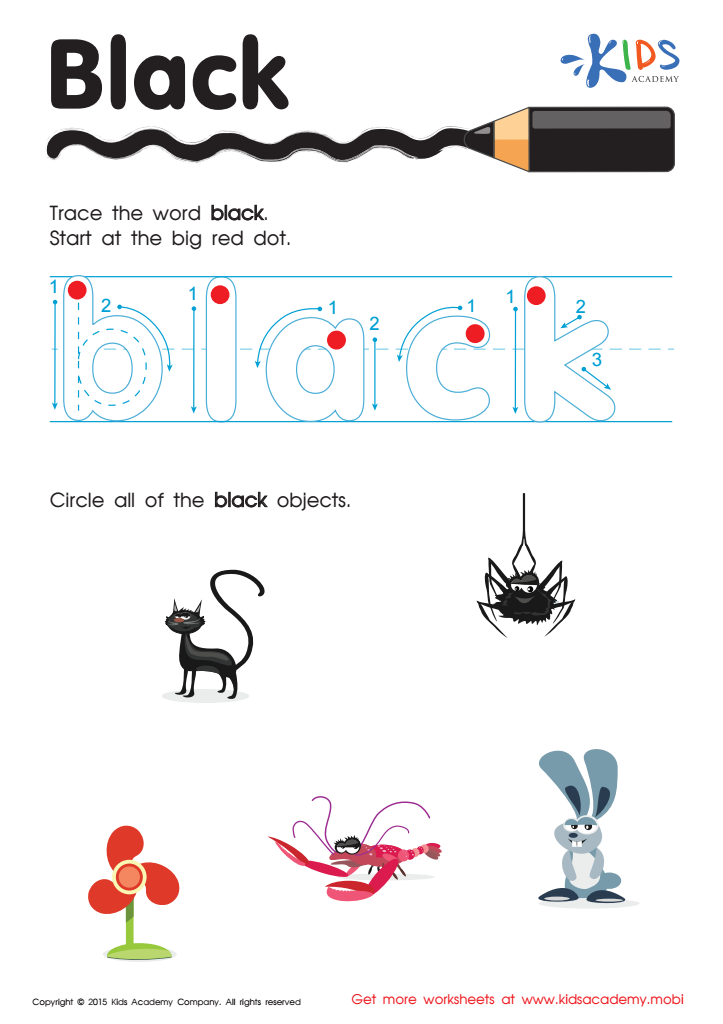
Black Tracing Color Words Printable





Color recognition is a fundamental skill for young children aged 3-6. Understanding and identifying colors can help children in many aspects of their development. Firstly, it enhances their visual perception, enabling them to observe and interpret the world with clarity. Recognizing different colors helps sharpen their ability to distinguish shapes, sizes, and patterns, which is essential for later learning in subjects such as math and reading.
Secondly, color recognition supports language development. When children learn the names of colors, they expand their vocabulary and improve their communication skills. Being able to converse about different colors in their environment allows them to express their ideas and make connections between objects around them.
Moreover, recognizing colors can boost a child’s creativity and imagination. When children engage in activities like coloring, painting, or sorting objects by color, they explore their artistic abilities and ignite their creativity. These activities also promote fine motor skills, as they handle crayons, brushes, and small items.
Additionally, learning colors aids in emotional development. Colors often have emotional associations and can help children express their feelings more accurately. For example, using colors to depict happy or sad moods can improve their emotional intelligence.
Overall, fostering color recognition in early childhood lays a strong foundation for cognitive, linguistic, and creative development, making it a vital aspect of early education.