Developing analytical skills Normal Worksheets for Ages 3-6
6 filtered results
-
From - To
Enhance your child's critical thinking with our "Developing Analytical Skills Normal Worksheets" designed for ages 3-6. These engaging and fun worksheets promote problem-solving abilities and logical reasoning through colorful illustrations and interactive activities. Each worksheet encourages children to analyze, think critically, and draw conclusions while working on essential early learning concepts. Our thoughtfully created materials support parents and educators in nurturing analytical skills in young learners, laying a strong foundation for future academic success. Explore this collection to inspire curiosity and creativity, and help your child develop confidence in their abilities as they embark on an exciting learning journey!
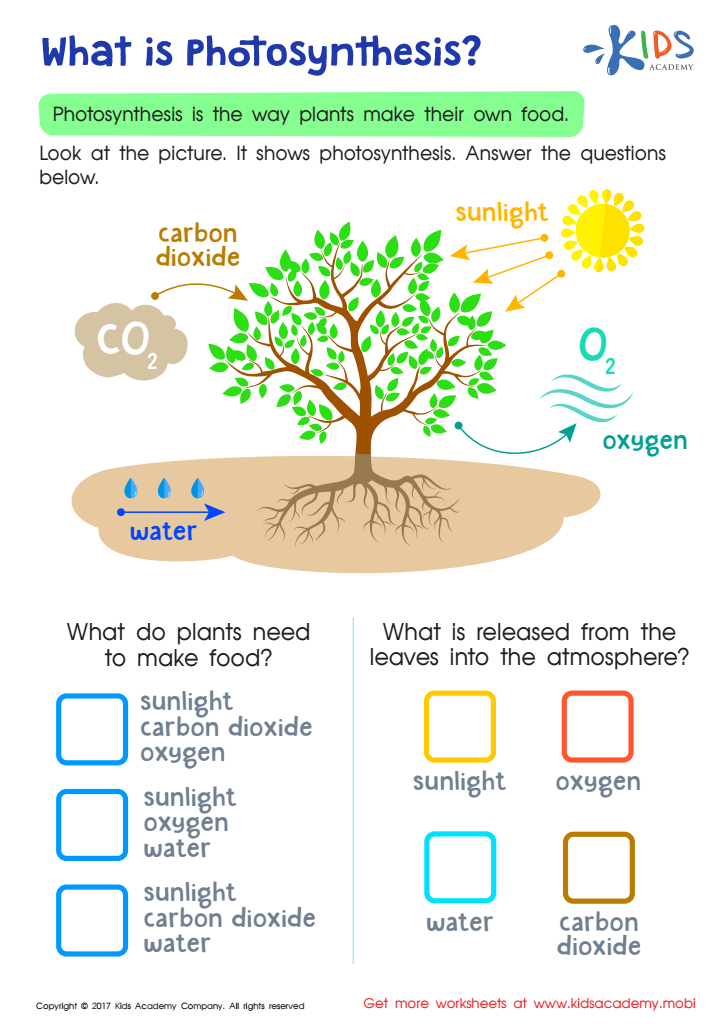
What is Photosynthesis Printable
 Assign to My Students
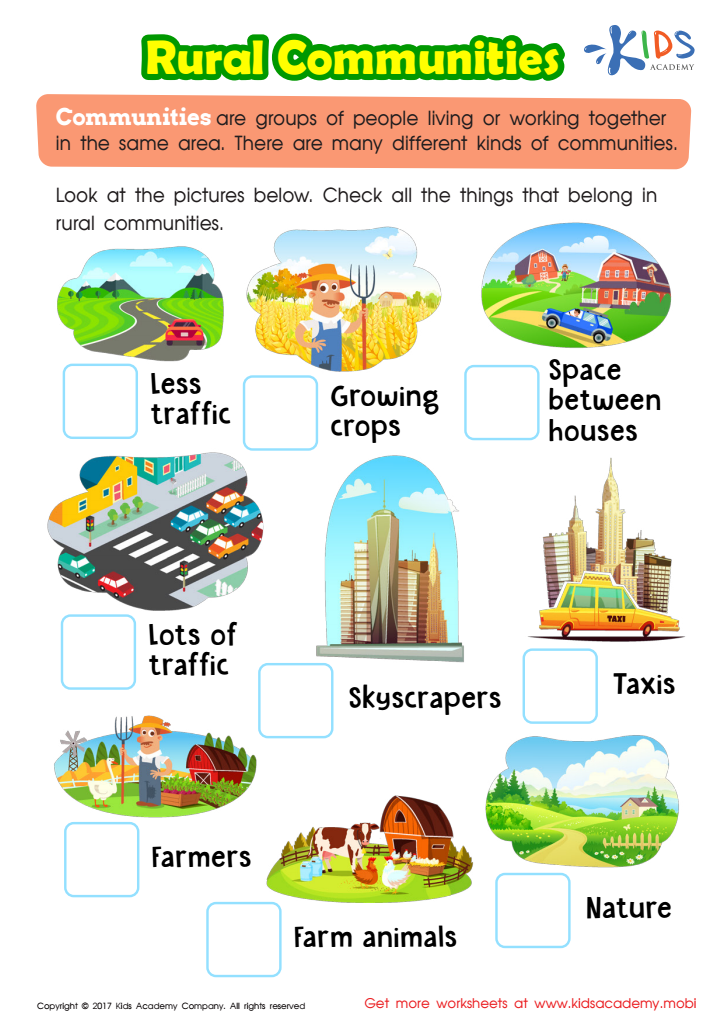
Rural Communities Printable
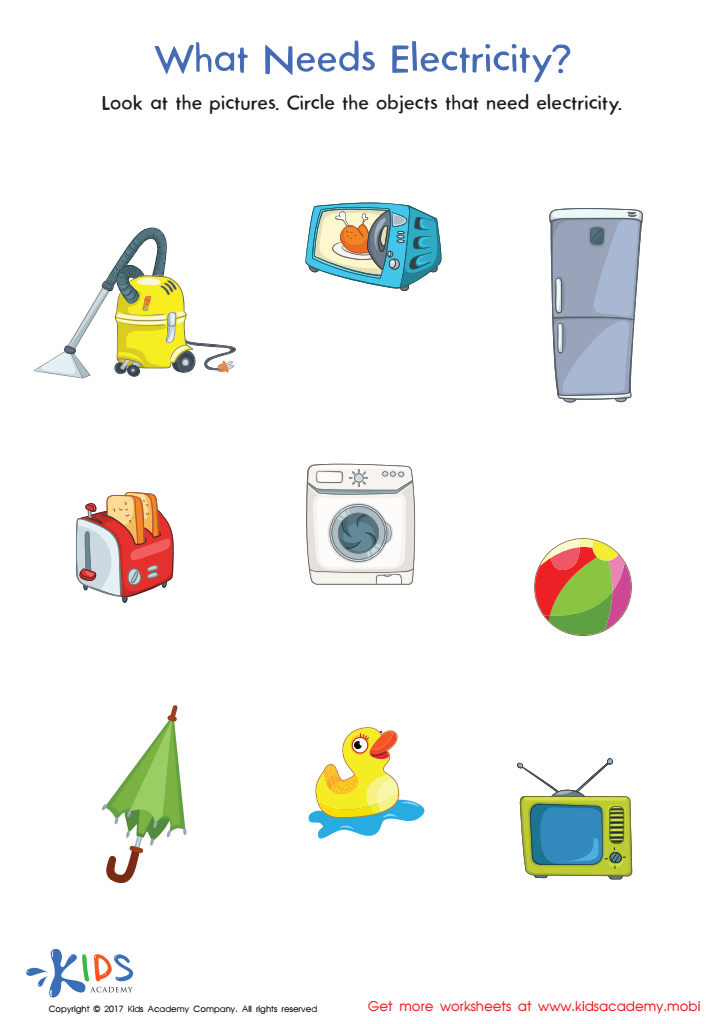
What Needs Electricity Printable
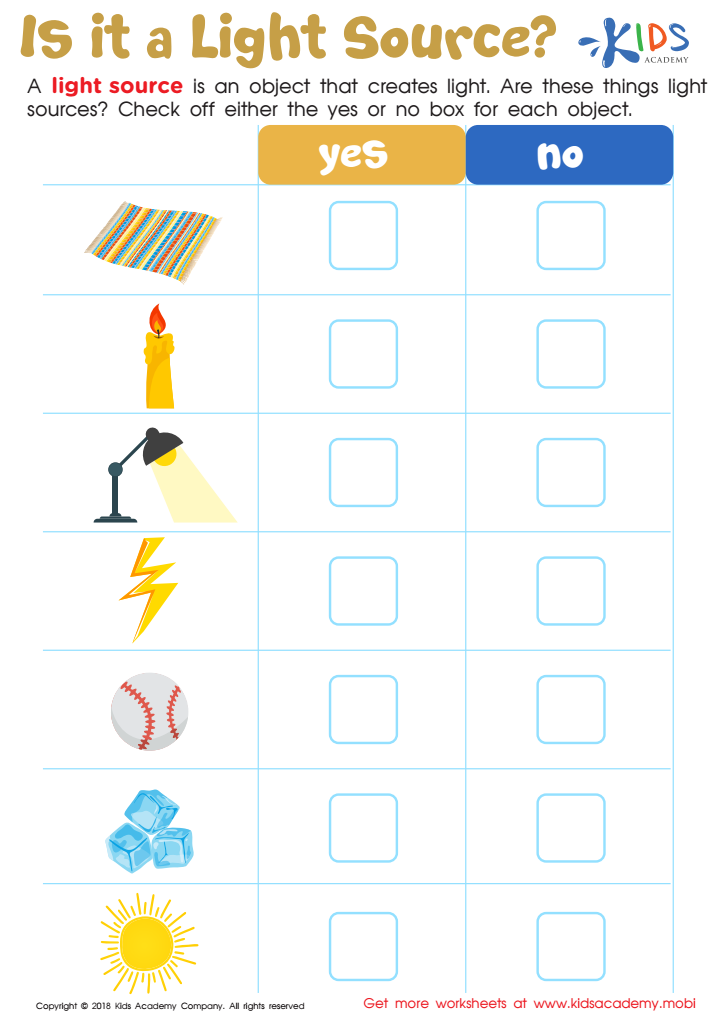
Is It a Light Source? Worksheet
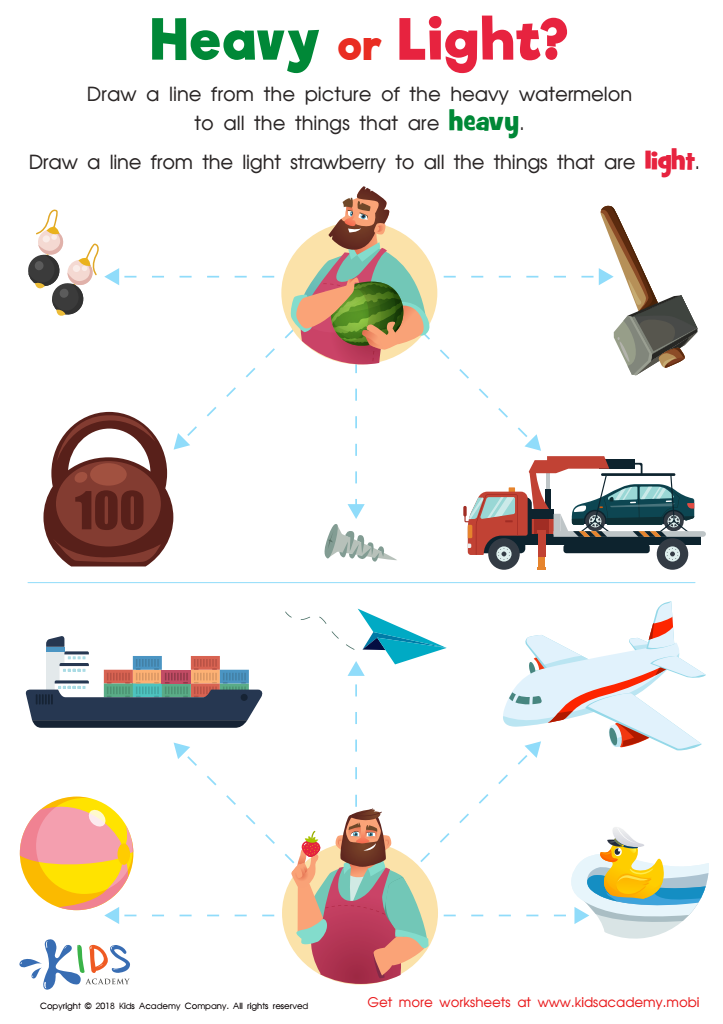
Heavy or Light? Worksheet

How Light Travels Worksheet



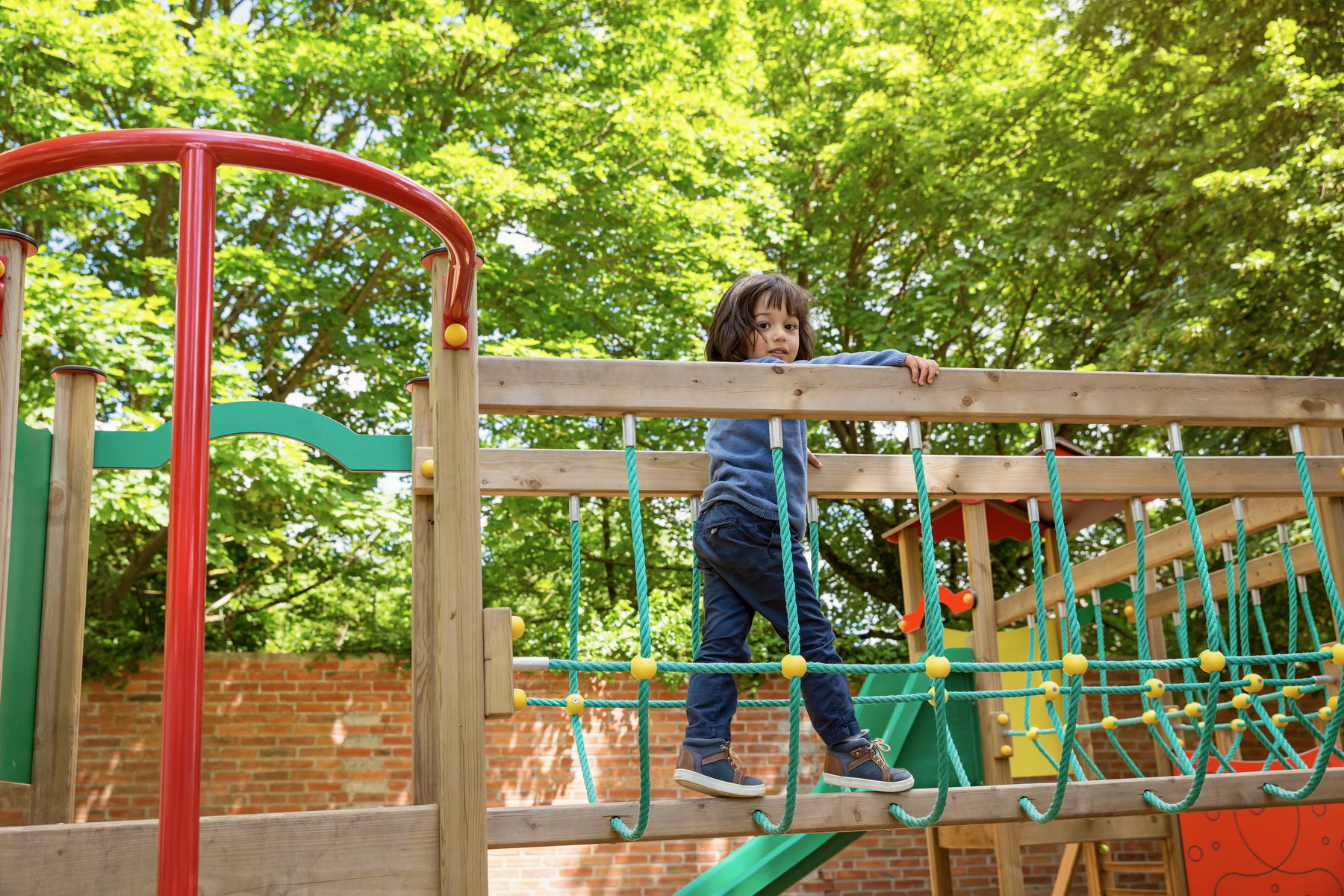




Developing analytical skills in children aged 3-6 is crucial for their cognitive and personal growth. At this stage, children are naturally curious and eager to explore the world around them. Enhancing their analytical skills helps them make sense of their experiences and form a better understanding of cause and effect, allowing them to solve problems effectively.
By nurturing these skills, parents and teachers empower children to think critically, analyze information, and make informed decisions. Engaging in simple activities, such as puzzles, sorting games, or interactive storytelling, encourages young learners to observe patterns and draw conclusions, fostering their creativity and cognitive flexibility.
Furthermore, analytical skills lay a foundation for future learning. As children progress in their education, the ability to think critically becomes essential in subjects like math, science, and literacy. Teachers and parents who prioritize these skills help develop resilient individuals who can tackle challenges with confidence.
Lastly, fostering analytical thinking contributes to emotional intelligence. Children learn to evaluate their feelings and the emotions of others, enhancing their social interactions. Thus, investing time and resources in developing analytical skills is fundamental for well-rounded development in early childhood, setting the stage for lifelong learning and personal success.








