Developing critical thinking Normal Worksheets for Ages 3-6
5 filtered results
-
From - To
Welcome to our "Developing Critical Thinking Normal Worksheets" for ages 3-6! These engaging worksheets are designed to enhance young children's analytical skills, encouraging them to observe, question, and solve problems effectively. Tailored for early learners, our activities cover a variety of topics, stimulating creativity and curiosity while promoting cognitive growth. Ideal for parents and educators alike, these printable resources make learning fun and interactive, allowing children to connect ideas and build reasoning skills. Start your child's journey toward becoming a critical thinker today with our thoughtfully crafted worksheets that cater to their developmental needs and foster a love for learning!
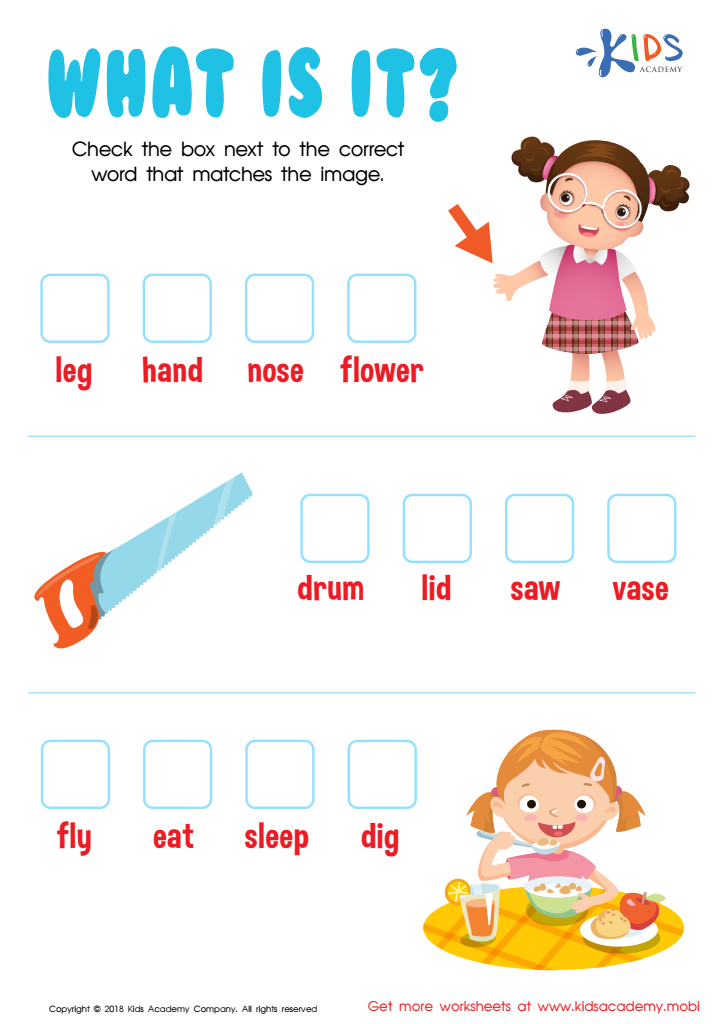
What Is It? Worksheet
 Assign to My Students
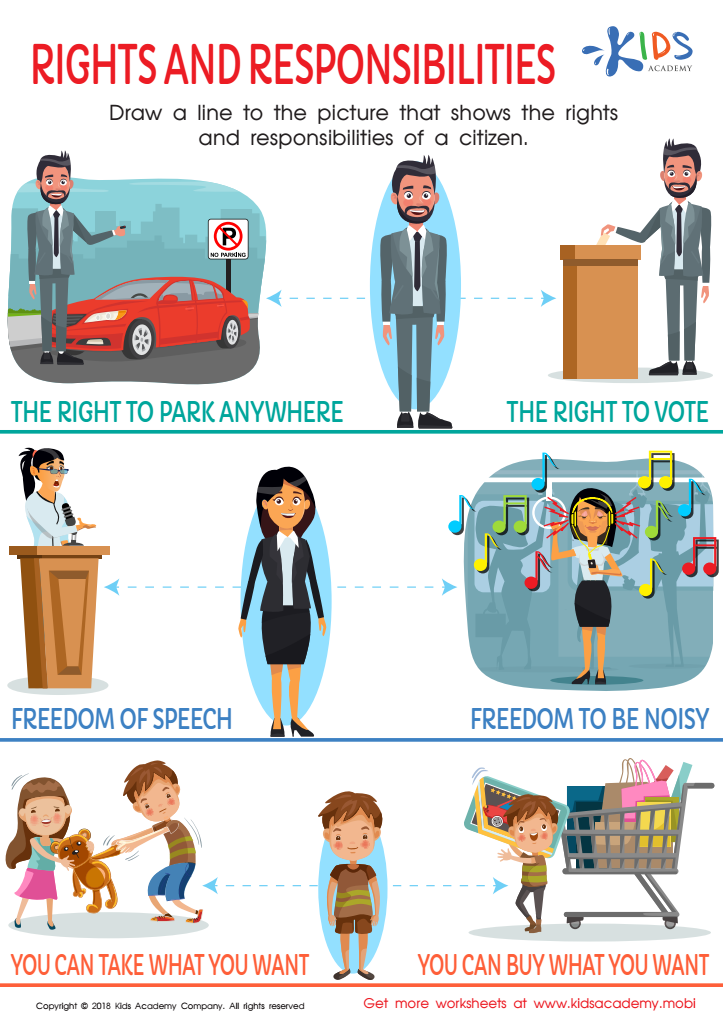
Rights and Responsibilities Worksheet
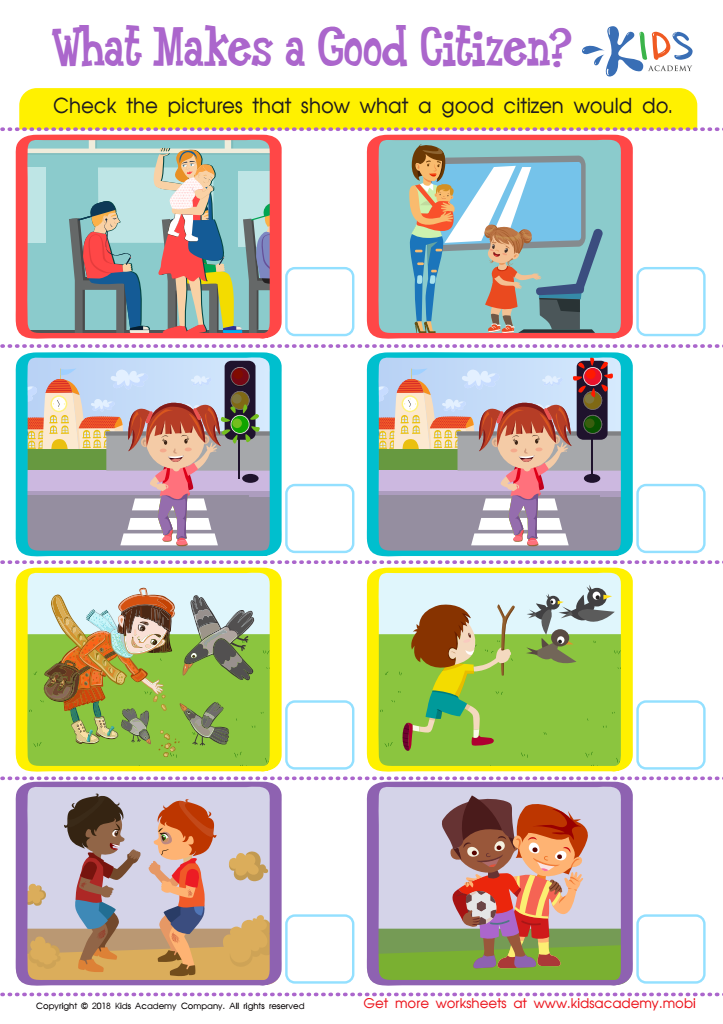
What Makes a Good Citizen? Worksheet
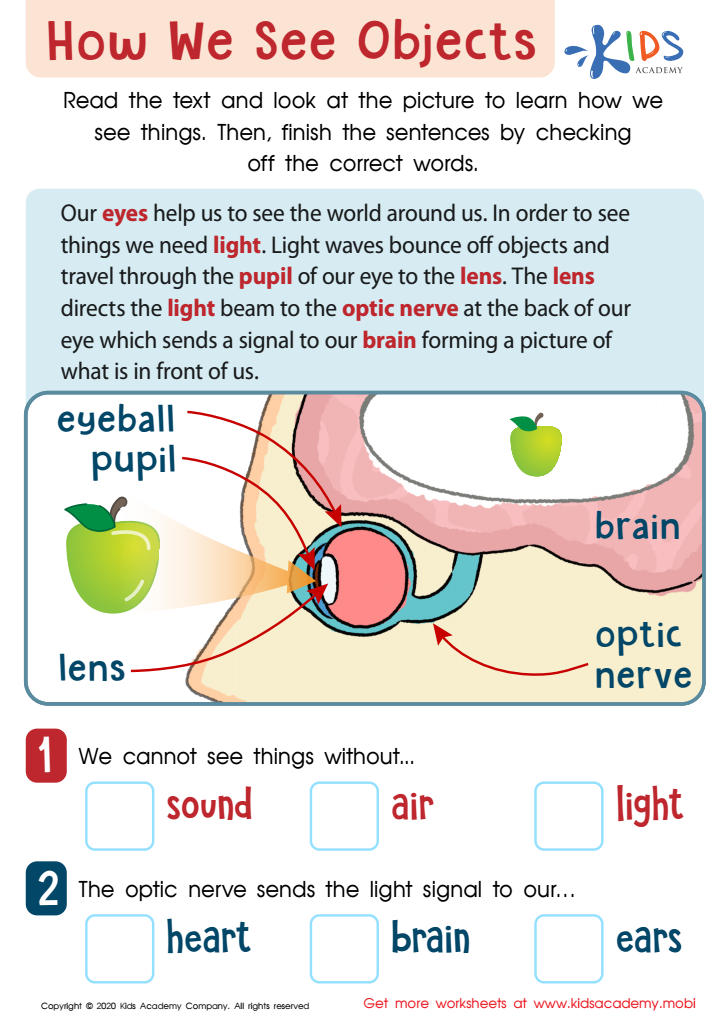
How We See Objects Worksheet
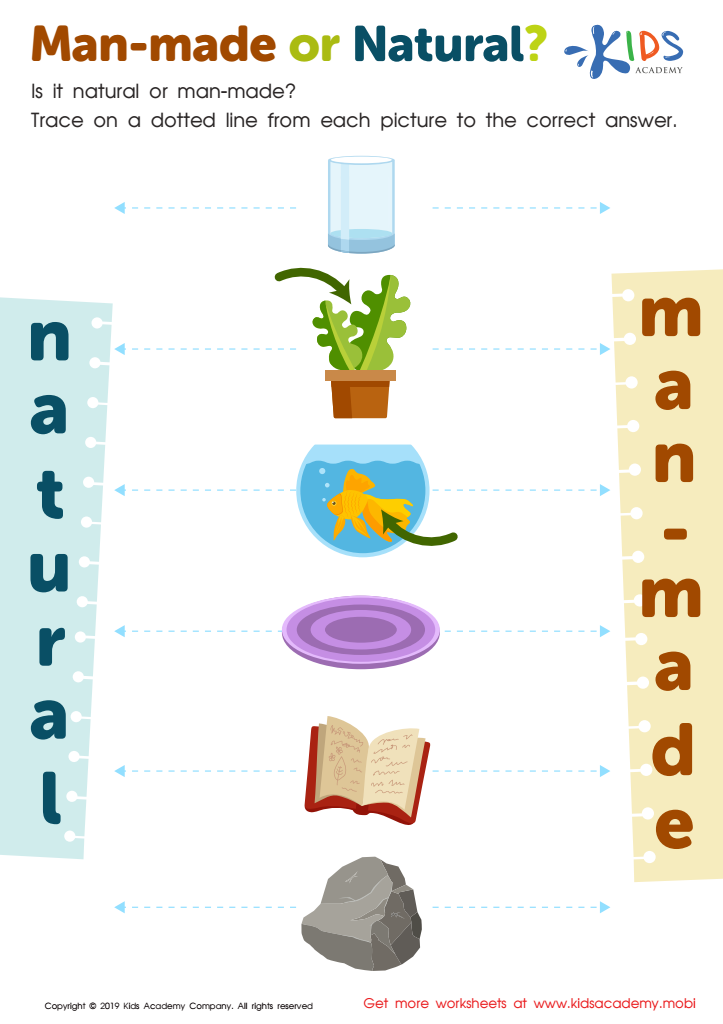
Man-Made or Natural? Worksheet








Developing critical thinking skills in children aged 3-6 is crucial for their overall growth and future success. At this early age, children are naturally curious about the world around them. By nurturing their critical thinking abilities, parents and teachers can help them learn to question, analyze, and reason effectively. This foundational skill set fosters cognitive development and lays the groundwork for problem-solving and decision-making abilities as they grow.
Critical thinking also enhances creativity, allowing children to explore different ideas and approaches to everyday situations. When they learn to think critically, children become more confident in expressing their thoughts and opinions, which supports their social and emotional development.
Moreover, early critical thinking education promotes resilience. When children encounter challenges, they learn to assess the situation, consider various solutions, and adapt their strategies instead of becoming easily frustrated. This prepares them for a complex world in which they must navigate diverse situations and make informed choices.
Ultimately, fostering critical thinking in young children aids in developing lifelong learning habits and the ability to engage thoughtfully with the world around them, benefiting their academic performance and personal growth in the long run. Thus, parents and teachers play an integral role in this important developmental journey.








