Enhancing critical thinking Normal Worksheets for Ages 3-6
6 filtered results
-
From - To
Our "Enhancing Critical Thinking" worksheets for ages 3-6 are thoughtfully designed to boost your little one's cognitive skills while having fun. Each worksheet introduces engaging activities that encourage problem-solving, logical reasoning, and creative thinking. Tailored specifically for young minds, these exercises help children learn to analyze, synthesize, and apply learned concepts. Perfect for both classroom and home settings, these worksheets will set children on a path to developing essential critical thinking skills that are crucial for their academic growth. Unlock your child's potential with our interactive and enjoyable learning tools today!

Identifying Living and Non–living Things Sorting Worksheet
 Assign to My Students
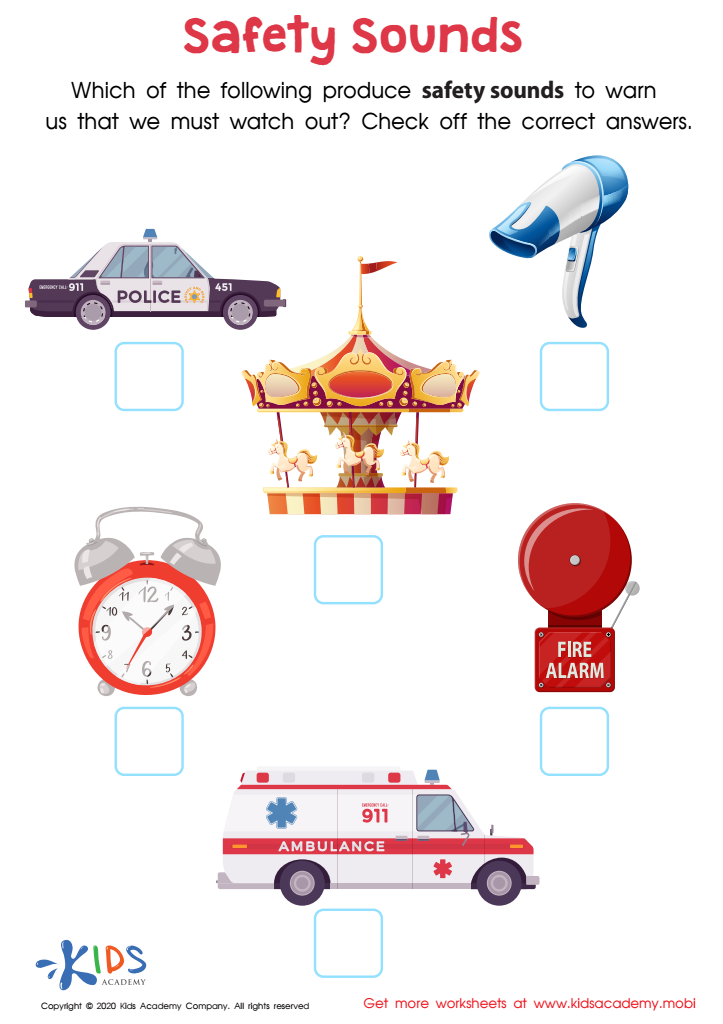
Safety Sounds Worksheet
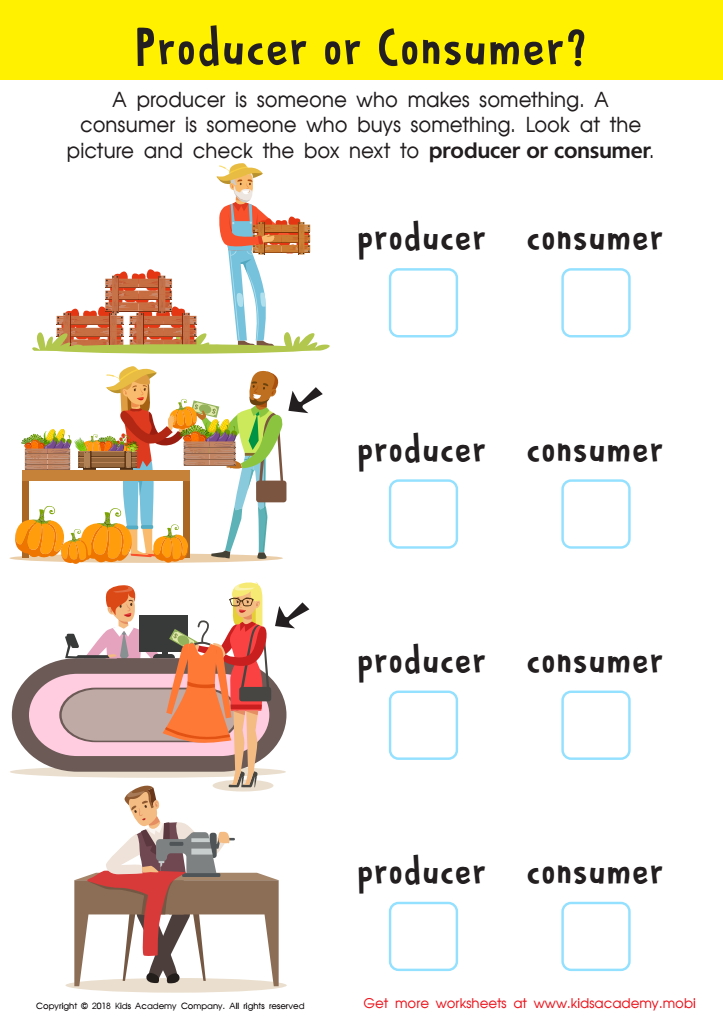
Producer or Consumer? Worksheet
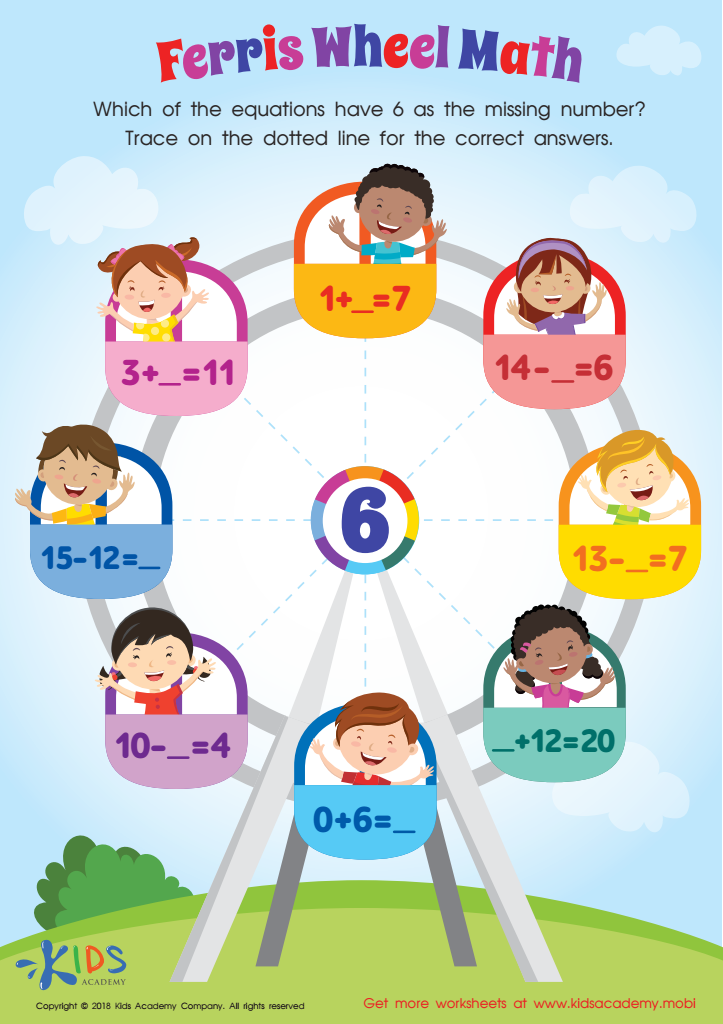
Missing Number: Ferris Wheel Math Worksheet
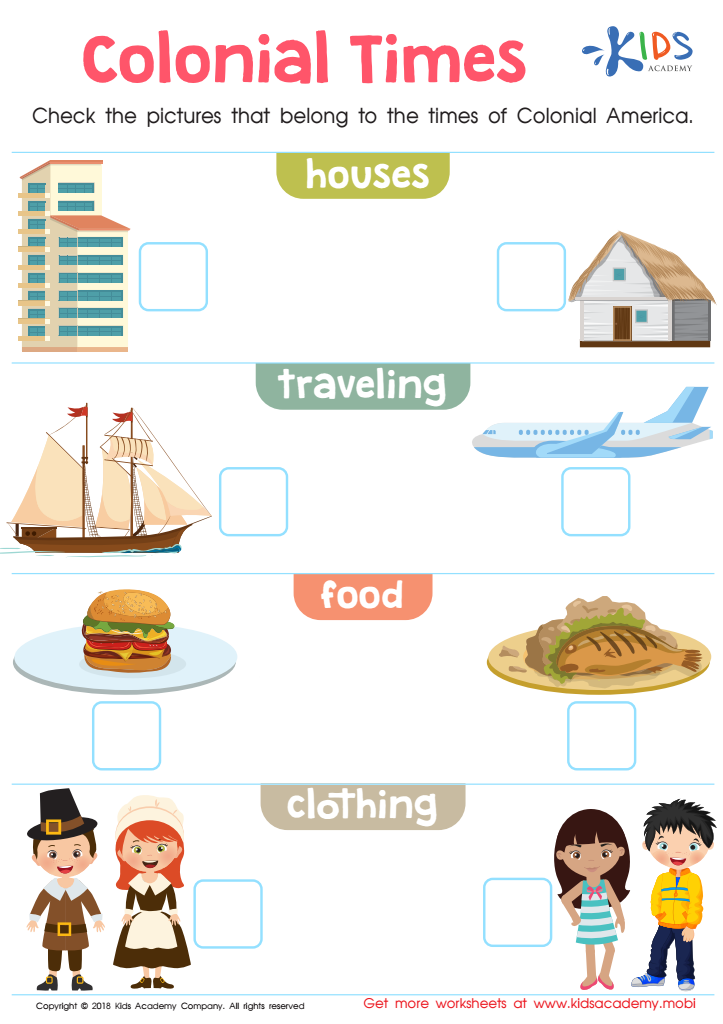
Colonial Times Worksheet
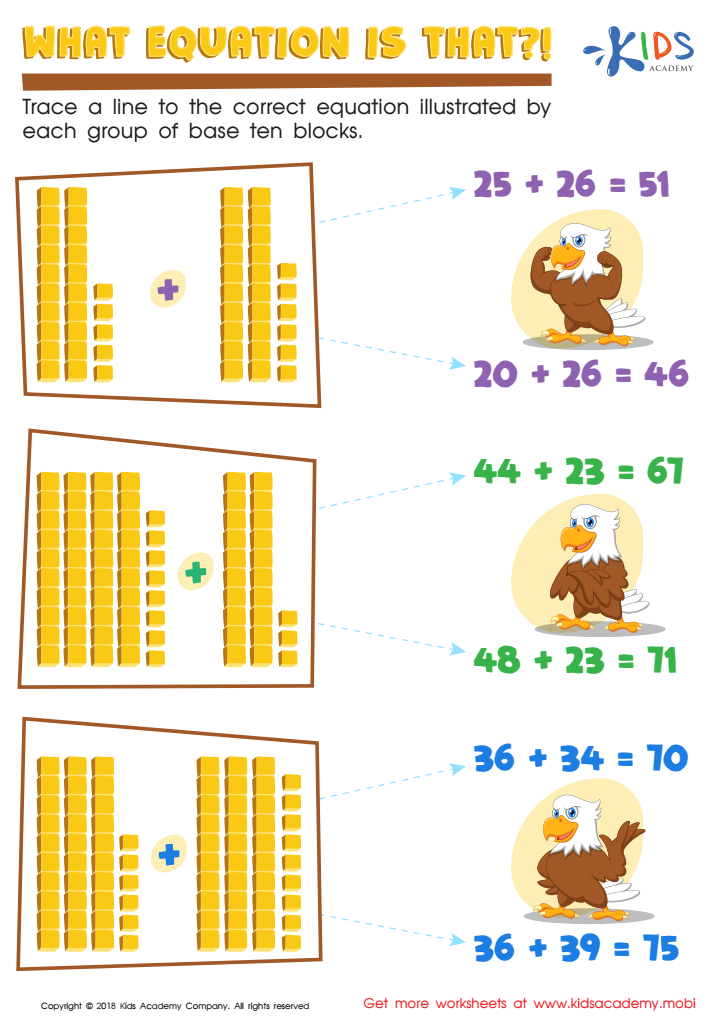
What Equation Is That? Worksheet








Enhancing critical thinking skills in children ages 3-6 is crucial because it lays a strong foundation for their future learning and problem-solving abilities. During this formative period, children's brains are highly receptive and rapidly developing, making it an ideal time to nurture skills like analysis, evaluation, and creativity. Parents and teachers directly contribute to this cognitive growth by fostering an environment that encourages questioning, exploring multiple solutions, and reflecting on experiences.
Early critical thinking helps children navigate daily challenges, make informed decisions, and understand the world around them. It promotes curiosity and a lifelong love of learning, key components for academic success. This mental agility also supports social-emotional development by helping children understand others' perspectives and improve communication skills.
Moreover, in our fast-changing world, possessing strong critical thinking skills is indispensable. It enables future adults to adapt to new information, think independently, and approach problems innovatively. Ignoring the development of these skills at a young age can limit a child's potential and ability to thrive in complex situations later in life.
Therefore, investing time and effort in enhancing critical thinking in young children is essential for creating competent, confident, and forward-thinking individuals. Teachers and parents collectively play an instrumental role in this crucial developmental stage.








