Fine motor development Normal Worksheets for Ages 3-6
3 filtered results
-
From - To
Welcome to our Fine Motor Development Worksheets page, specially designed for children aged 3 to 6! These engaging and fun printable worksheets aim to enhance your child's fine motor skills through a variety of colorful activities. Each worksheet encourages children to practice essential skills such as grasping, hand-eye coordination, and control of small muscles in their hands and fingers. Perfect for both home and classroom use, our worksheets make learning enjoyable and interactive. Help your little ones develop the dexterity they need for writing, drawing, and other critical tasks through our carefully crafted exercises. Explore our collection and support your child's growth today!
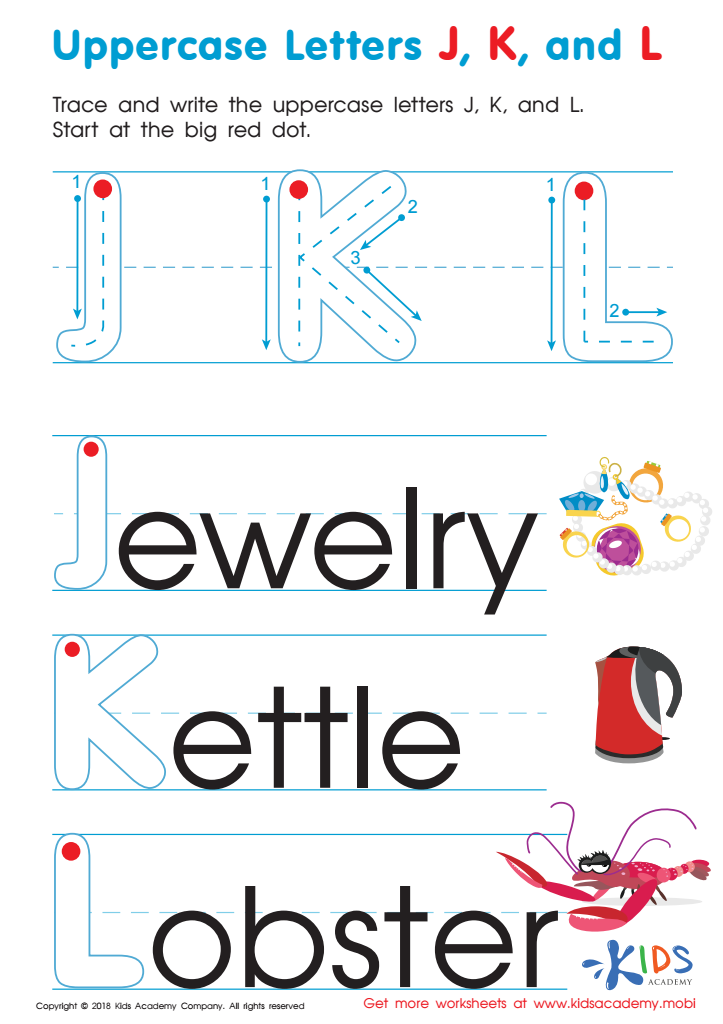
Uppercase Letters J, K, and L Worksheet
 Assign to My Students
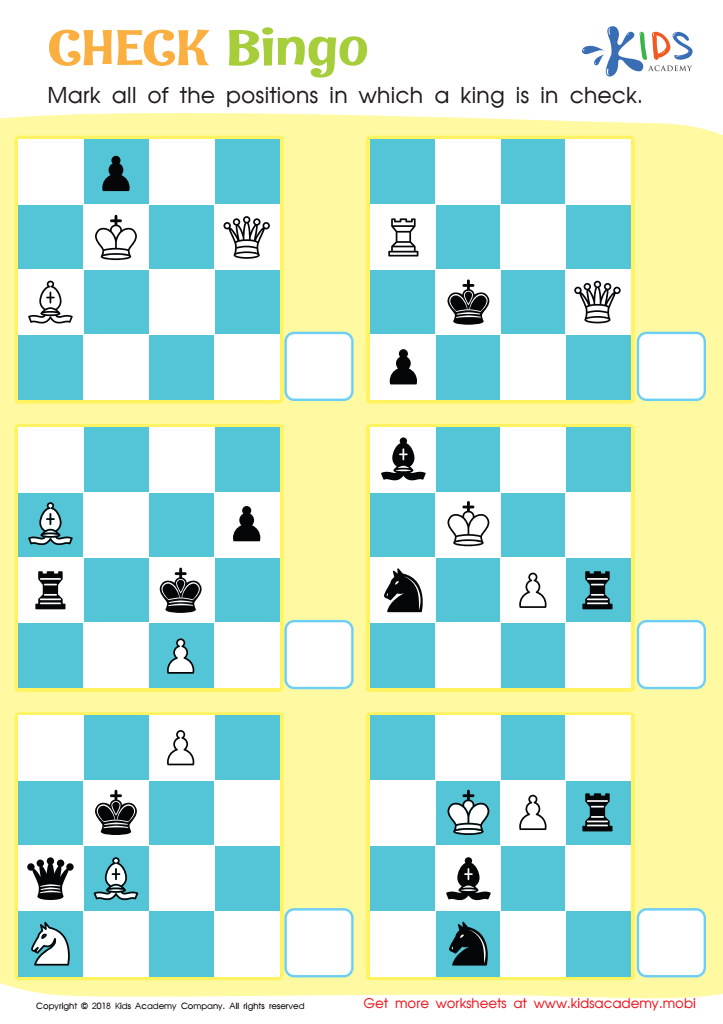
Check Bingo Worksheet
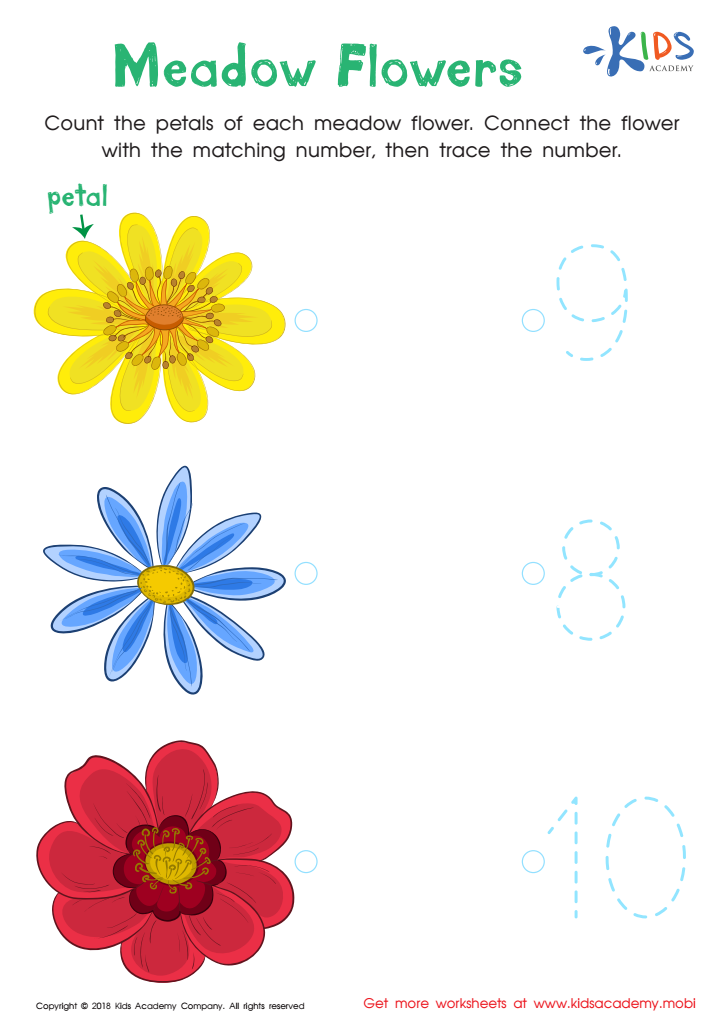
Kindergarten Number Tracing: Medow Flowers Worksheet




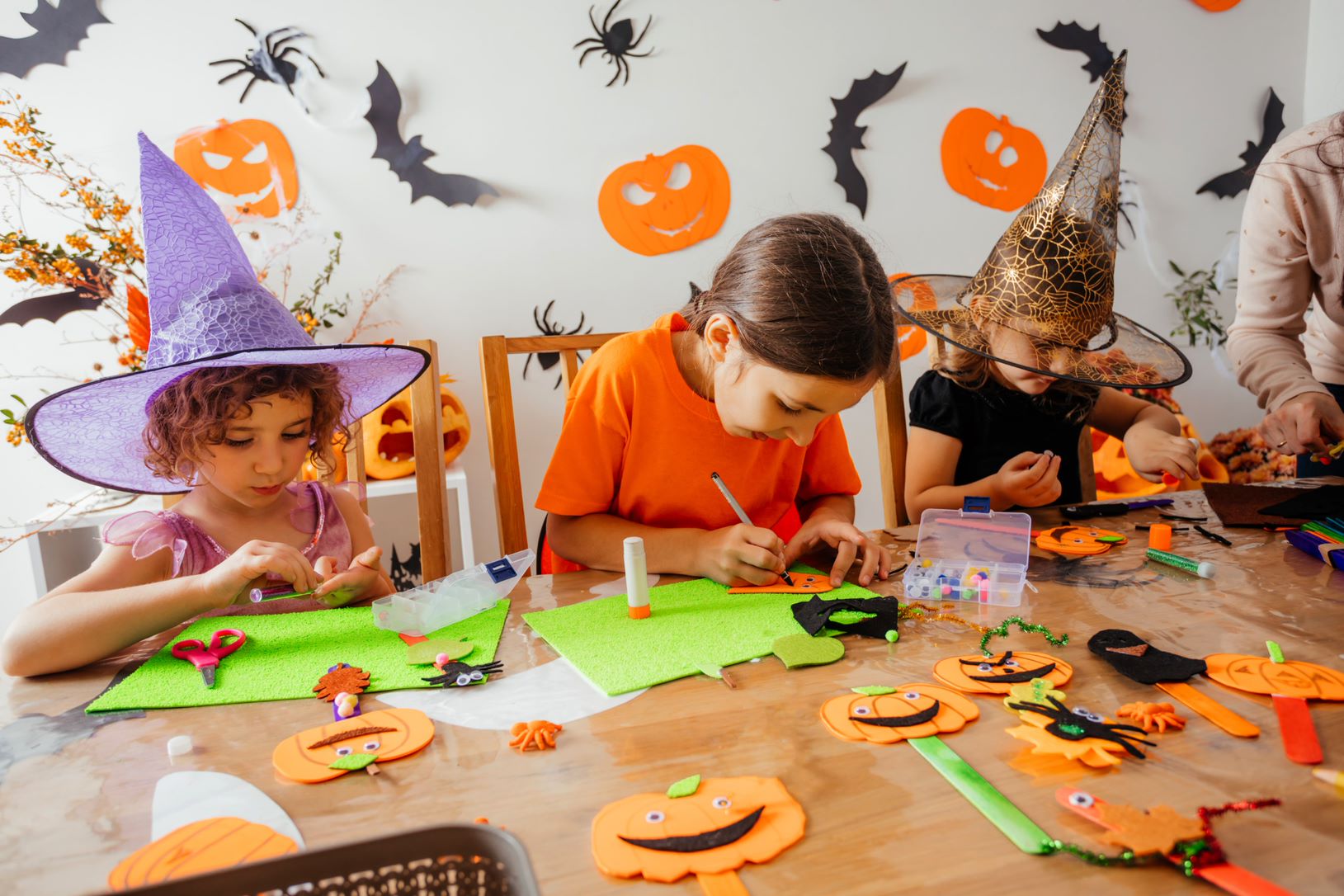

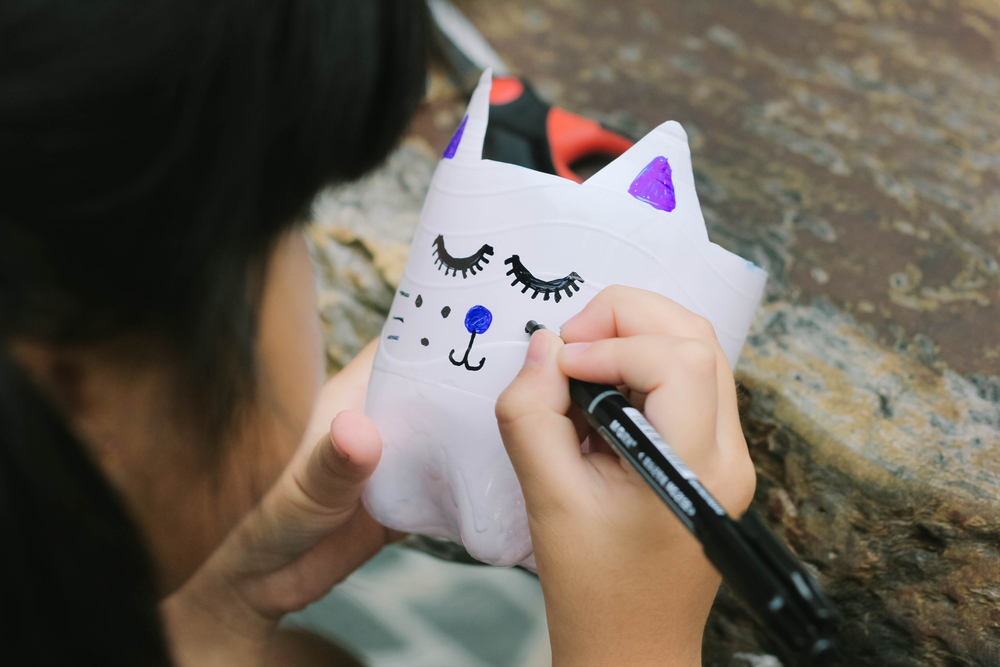

Fine motor development is crucial for children aged 3 to 6 as it establishes the foundation for numerous skills necessary for everyday life and learning. At this age, children engage in tasks that require hand-eye coordination, dexterity, and the ability to manipulate small objects. Proficient fine motor skills enable them to grasp writing instruments, cut with scissors, and complete puzzles, which are important for their academic readiness.
Parents and teachers should care about fine motor development because these skills contribute significantly to self-esteem and independence. When children can accomplish tasks like buttoning their shirts or tying their shoelaces, they gain confidence in their abilities, which translates into a positive attitude toward learning.
Additionally, fine motor skills are linked to cognitive development. Engaging in activities like drawing, crafting, or playing with building blocks enhances not only their dexterity but also their problem-solving skills and creativity. Moreover, poor fine motor coordination can lead to challenges in school, affecting a child’s ability to write or perform in group activities.
By prioritizing fine motor activities and providing supportive environments, parents and teachers can help children reach developmental milestones, setting them on a path for success in school and life.








