
Historical Knowledge Normal Worksheets for Ages 3-6
6 filtered results
Difficulty Level
Grade
Age
-
From - To
Subject
Activity
Standards
Explore our "Historical Knowledge Normal Worksheets for Ages 3-6," designed to ignite young minds with a passion for history! These engaging worksheets introduce preschoolers and kindergarteners to significant historical figures, events, and cultures in a fun and interactive way. Tailored with age-appropriate activities, your child will develop essential skills such as critical thinking, pattern recognition, and comprehension through vibrant illustrations and easy-to-follow tasks. Perfect for at-home learning or classroom settings, these worksheets make exploring history exciting and accessible. Start your child's journey through time today with our thoughtfully crafted resources, ensuring a foundational understanding of the world around them!
Favorites
With answer key
Interactive
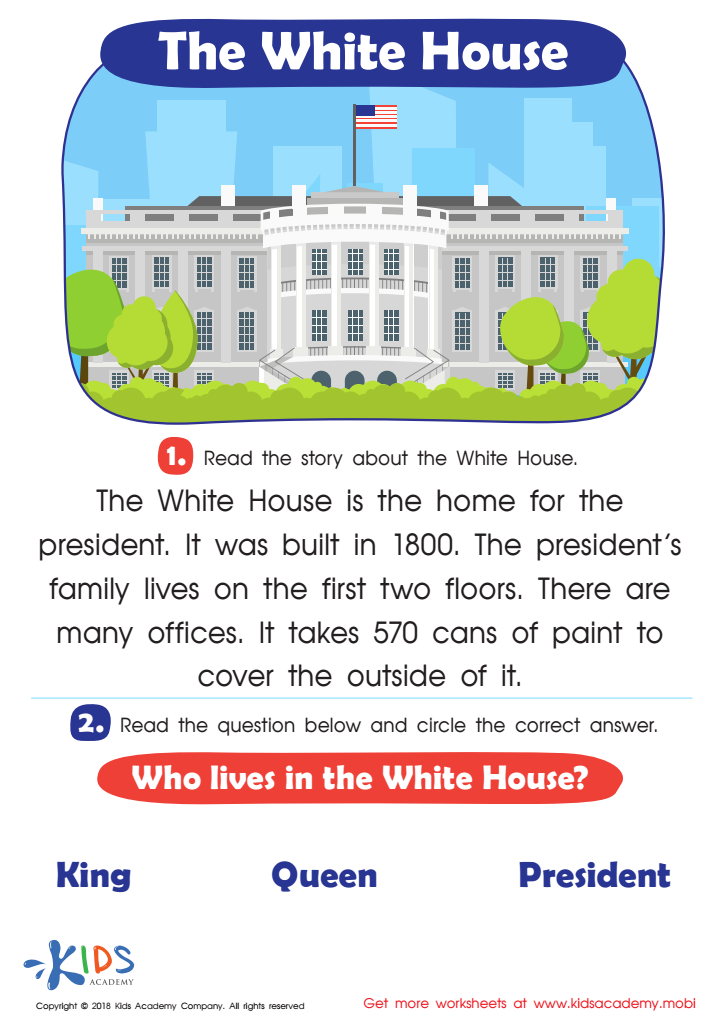
White House Worksheet
Read stories to your students to teach them new words, and about the White House. Before reading, ask your kindergartners what they already know. Then read short sentences for them to learn about the building the U.S President resides in.
White House Worksheet
Worksheet
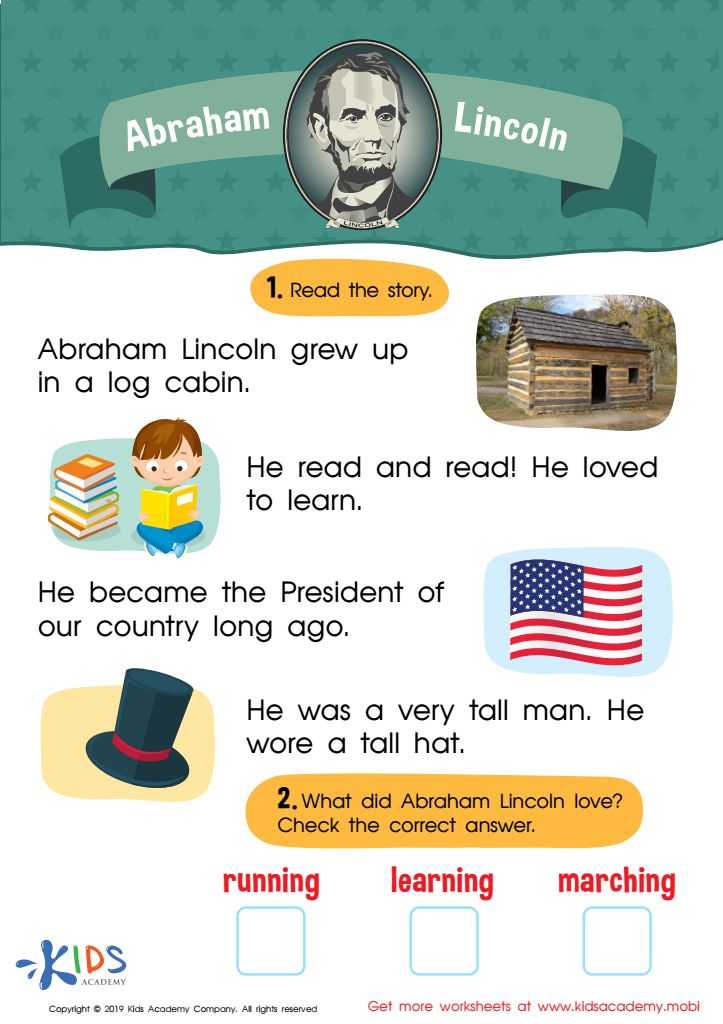
Abraham Lincoln Worksheet
Let your kids listen to interesting stories while having fun! Read the short story in this worksheet, point to the picture representing each sentence, then ask the questions and check the answers. Doing this will help your children learn new things and build their vocabulary.
Abraham Lincoln Worksheet
Worksheet
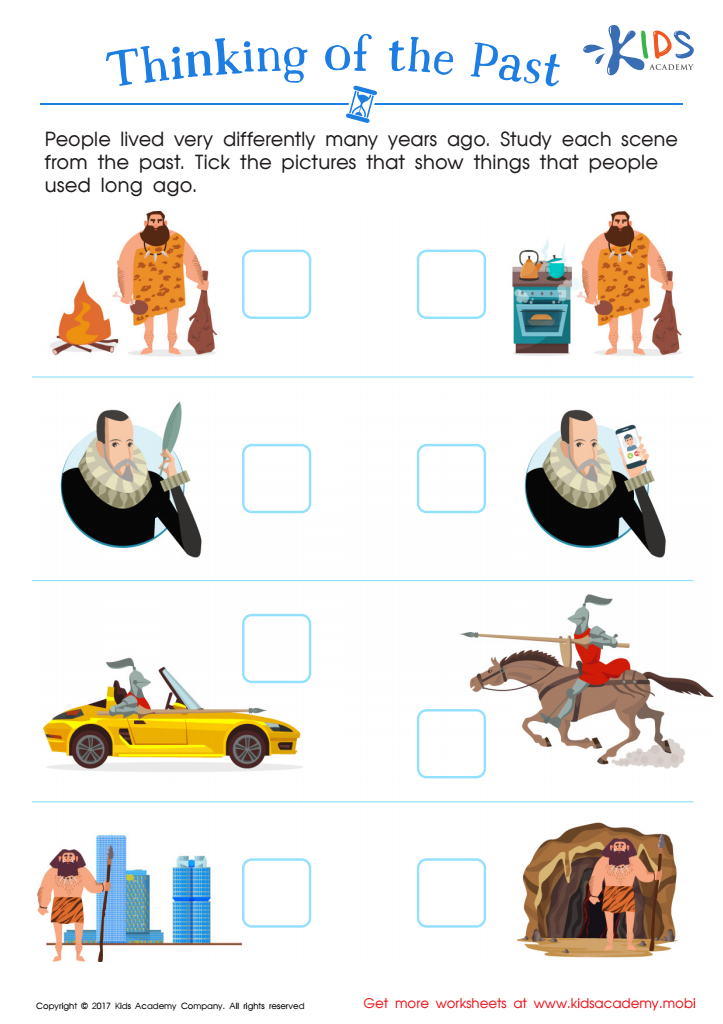
Thinking Past Printable
Bring the past to life for your kid with this fun worksheet! They'll use logic to choose the right answer, learning about different eras and how people lived in them. With a colorful caveman and modern skyscraper side by side, they won't even realize they're building historical knowledge.
Thinking Past Printable
Worksheet
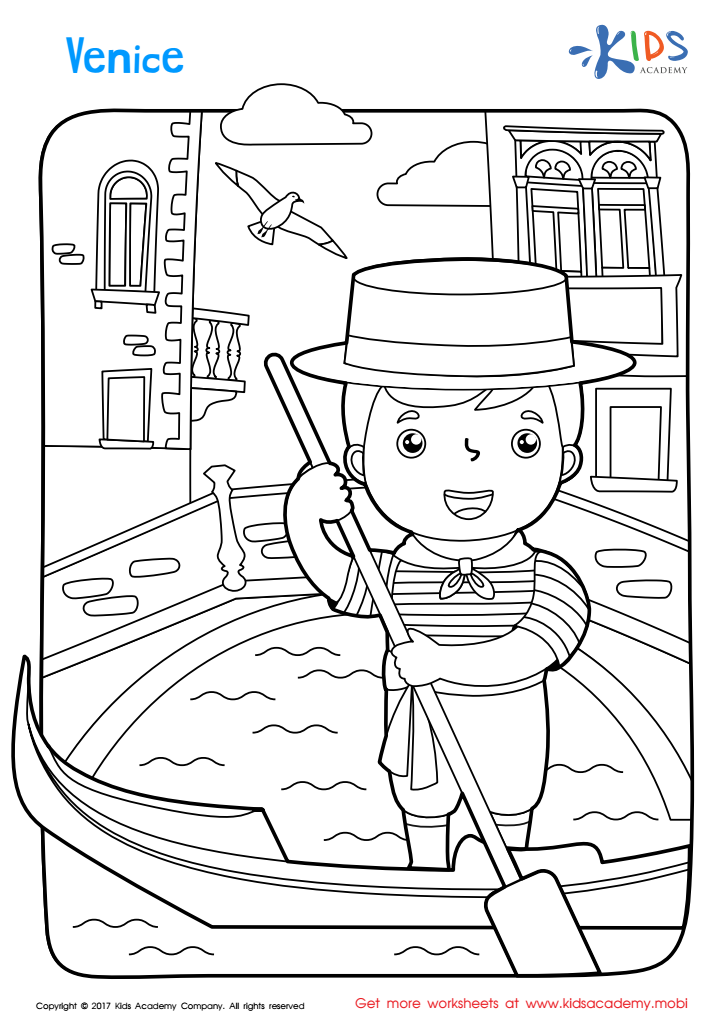
Venice Worksheet
Introduce your child to a remarkable destination with this Venice coloring page worksheet! Color this fascinating page and teach your child more about the history and culture of Venice, Italy. It's a magical experience they won't soon forget!
Download (PDF)
 Assign to My Students
Assign to My Students
Venice Worksheet
Worksheet
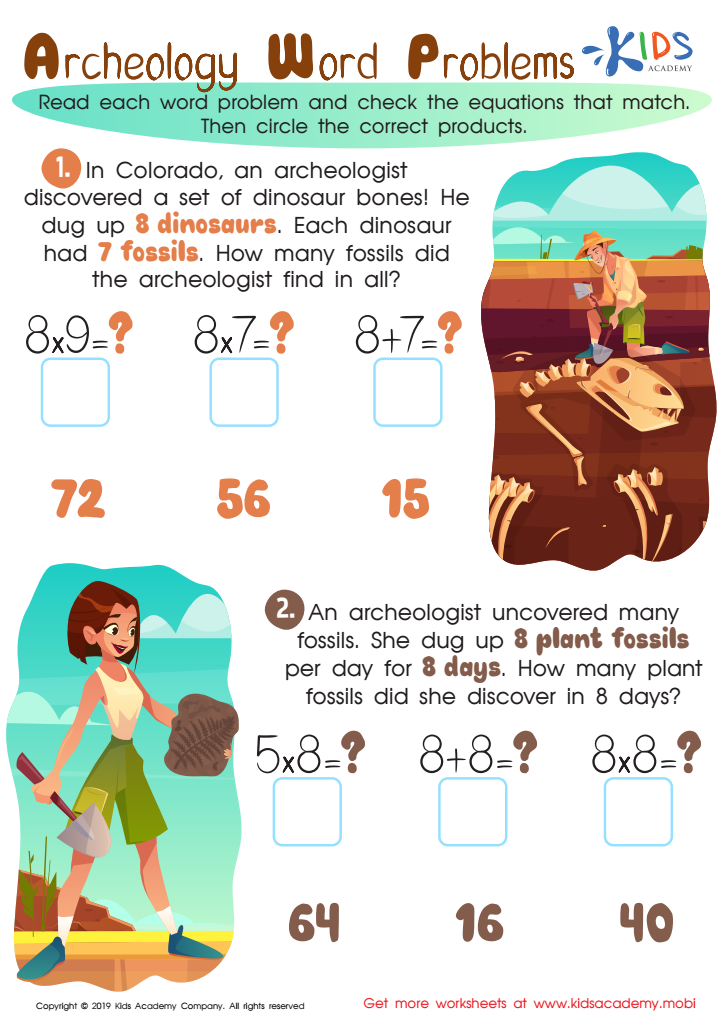
Archeology Word Problems Worksheet
Encourage your child to explore their career options! Show them an archeologist's job with this worksheet - featuring a picture of a dinosaur bone discovery. Read the accompanying text, then solve the word problems. Help your kids circle the correct answers to better understand this profession.
Archeology Word Problems Worksheet
Worksheet
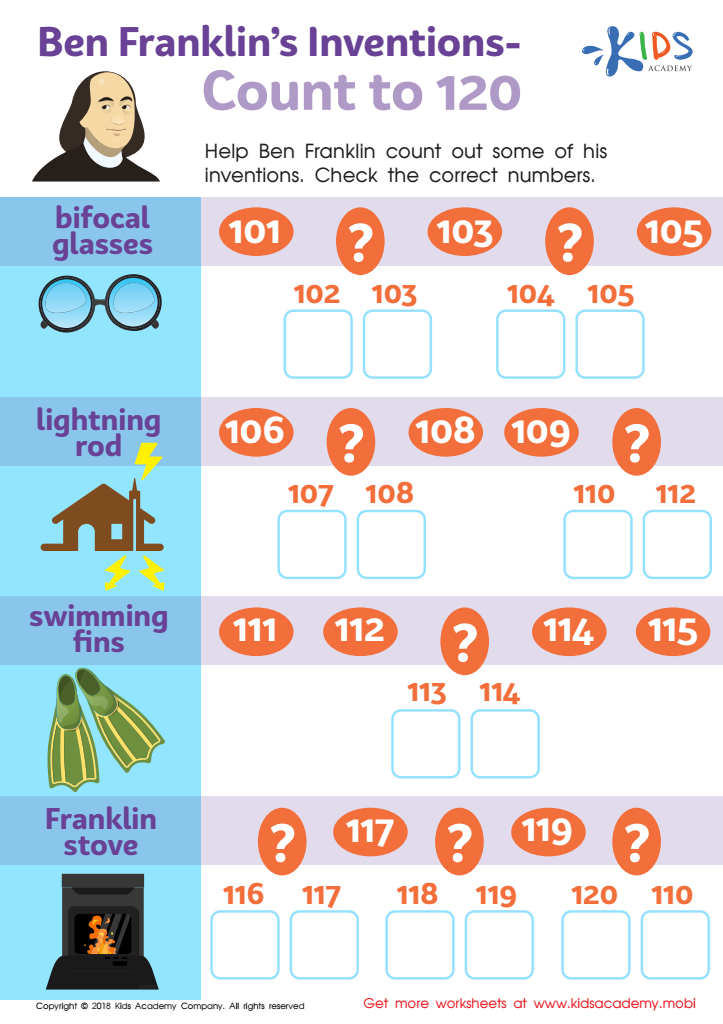
Ben Franklin’s Inventions – Count to 120 Worksheet
Benjamin Franklin is a significant figure in US history. He invented objects we use daily. If your child is interested in object history and invention, they'll love this worksheet. See if they can help Mr Franklin count his inventions and check their answers. It's a simple and enjoyable task!
Ben Franklin’s Inventions – Count to 120 Worksheet
Worksheet
Join Kids Academy for Free
Who is primarily going to use this learning content?







Historical knowledge for children aged 3-6 is crucial for several reasons. Firstly, introducing young learners to history helps them develop a sense of identity and belonging. Children begin to understand their place in the world by exploring stories about their families, communities, and broader society. This knowledge fosters a connection to their heritage, promoting pride and an understanding of cultural diversity.
Secondly, early historical education enhances cognitive development. Engaging with past events, figures, and timelines encourages critical thinking, curiosity, and problem-solving skills. It helps children learn to ask questions, draw connections, and understand cause-and-effect relationships, vital skills for their academic journey.
Moreover, history teaches empathy and compassion. By learning about the experiences of others, children develop a wider perspective and an appreciation for different cultures and experiences, promoting inclusivity and respect.
Finally, a foundational understanding of history can ignite a lifelong interest in learning. When parents and teachers engage children with fun, relatable historical content—through stories, play, and interactive activities—they instill a love for knowledge and exploration that lasts a lifetime. Therefore, nurturing historical awareness in early childhood is not only beneficial but essential for well-rounded development.








