Improving categorization skills Normal Worksheets for Ages 3-6
3 filtered results
-
From - To
Enhance your child's learning experience with our "Improving Categorization Skills Normal Worksheets" designed for ages 3-6. These engaging and interactive worksheets help young learners recognize and group similar items, building essential cognitive abilities. Your child will enjoy sorting objects, identifying patterns, and completing fun activities that promote critical thinking. Our worksheets feature colorful illustrations and age-appropriate tasks, making learning both enjoyable and effective. Perfect for home or classroom use, these resources aid in developing foundational skills essential for academic success. Download now to support your child's growth in categorization and watch them blossom into confident learners!
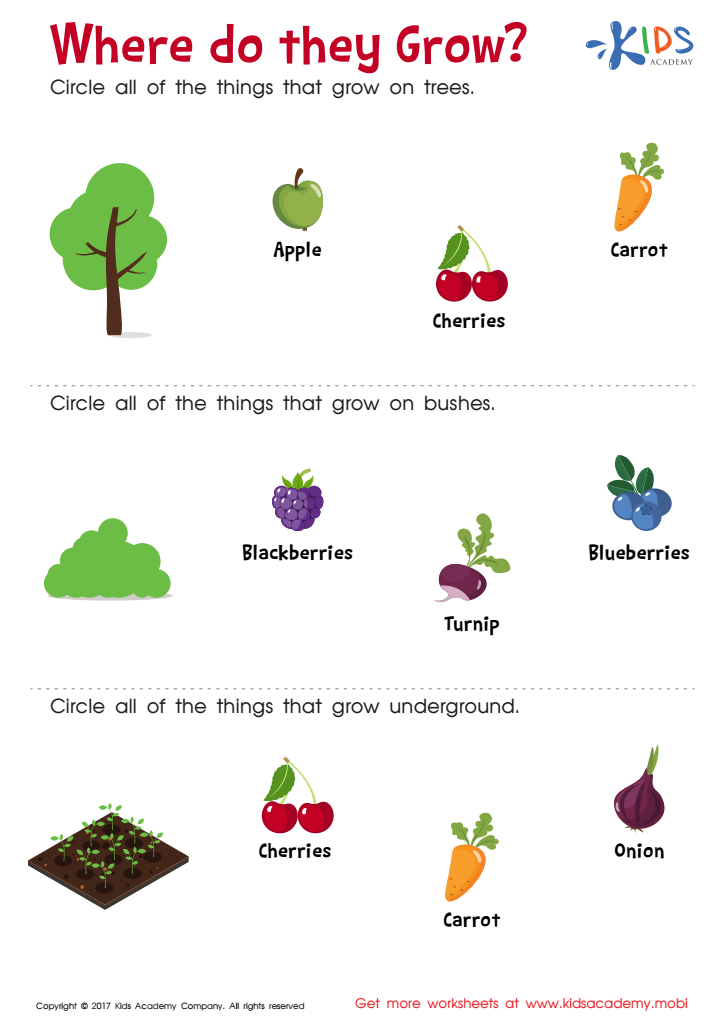
Where Do They Grow Worksheet
 Assign to My Students
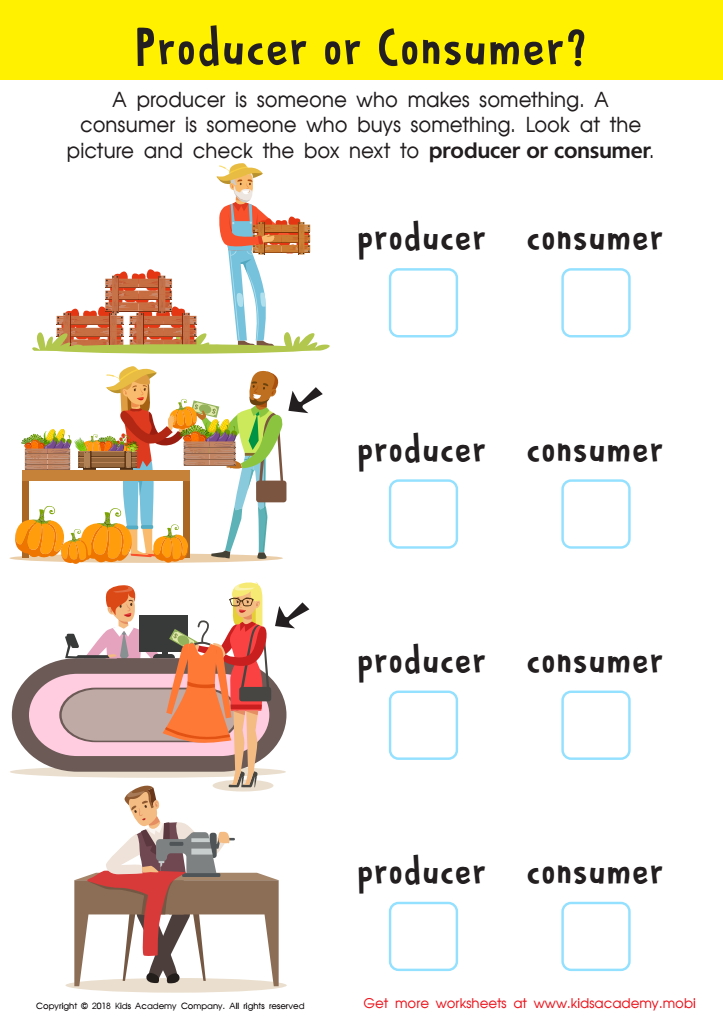
Producer or Consumer? Worksheet
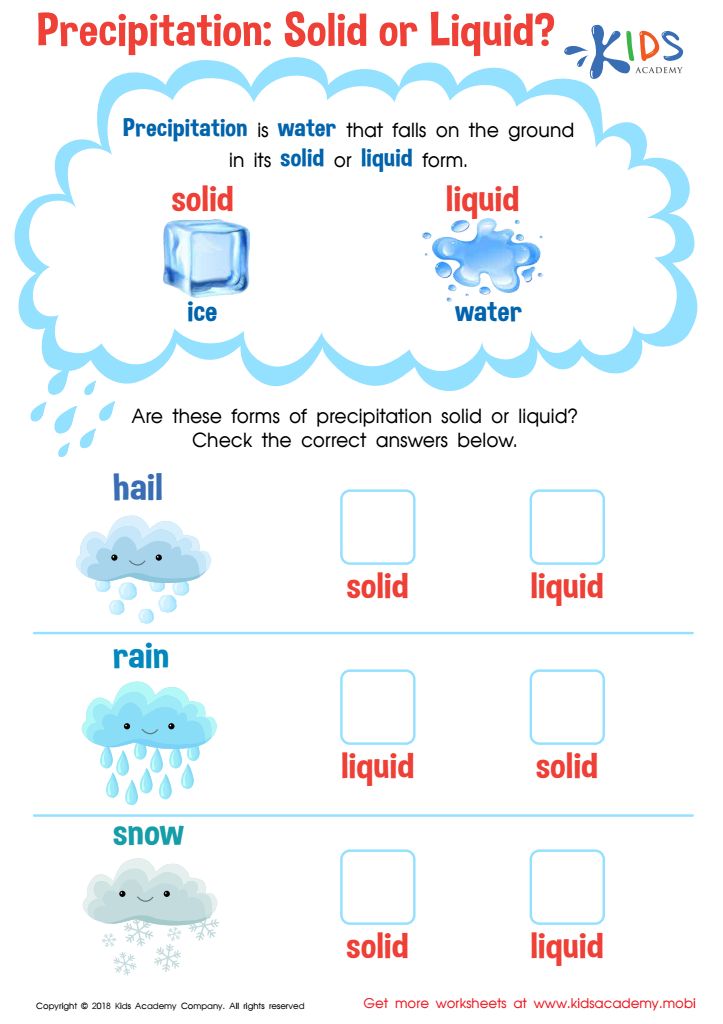
Precipitation: Solid or Liquid? Worksheet



.jpg)
Improving categorization skills in children aged 3-6 is crucial for their cognitive and social development. At this young age, children are naturally curious and start to make sense of the world around them. Categorization helps them organize information, enabling them to identify similarities and differences between objects, events, or concepts. This foundational skill is critical for later learning in areas such as literacy, numeracy, and science.
By engaging in categorization activities, children develop their reasoning, critical thinking, and problem-solving abilities. For instance, sorting animals by size, color, or habitat not only bolsters their understanding but also enhances vocabulary as they learn new descriptive words. Additionally, categorization supports social skills as it helps children navigate relationships by recognizing various emotions and social contexts.
Parents and teachers should prioritize these skills as they promote independence, creativity, and attention to detail. Early categorization skills lay the groundwork for future academic success and help children become confident learners. When children can classify and analyze their surroundings effectively, they are better equipped to embrace challenges and explore new ideas, setting a solid foundation for life-long learning.








