Letter Tracing Practice Normal Worksheets for Ages 3-6
5 filtered results
-
From - To
Our "Letter Tracing Practice Normal Worksheets for Ages 3-6" are designed to help young learners develop essential writing skills in a fun and engaging way. Each worksheet features large, traceable letters that guide children in forming proper letter shapes, promoting fine motor skills and hand-eye coordination. Perfect for preschoolers and kindergarteners, these worksheets make learning enjoyable and effective. Parents and teachers can easily incorporate them into daily practice, paving the way for confident, independent writers. Available for free download, they offer an excellent resource for early education at home or in the classroom.
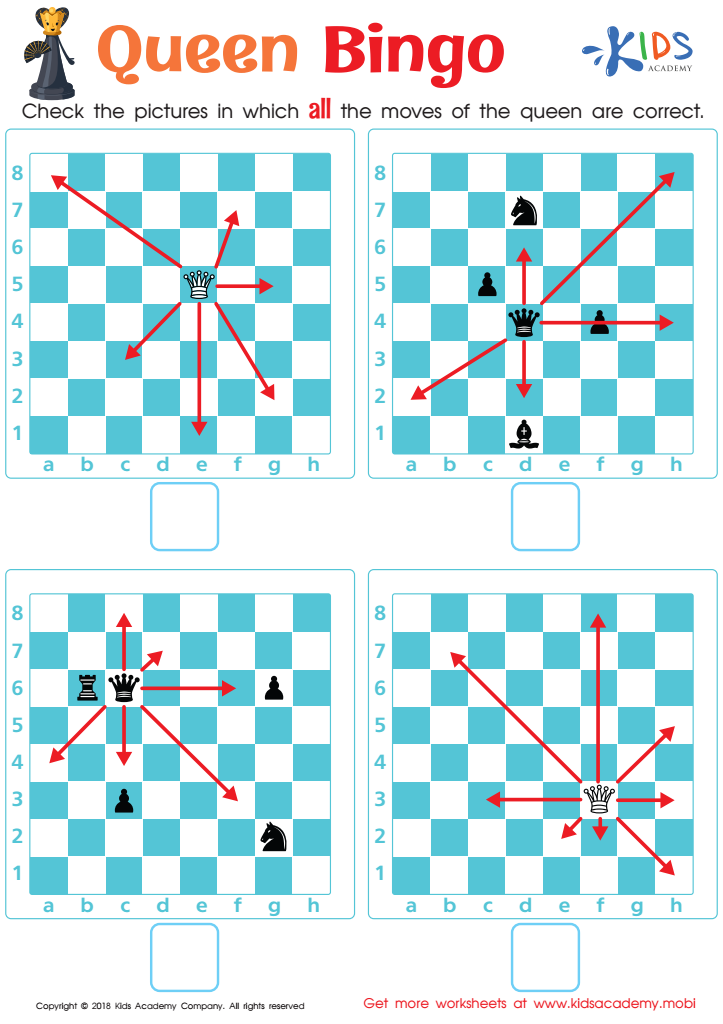
Queen Bingo Worksheet
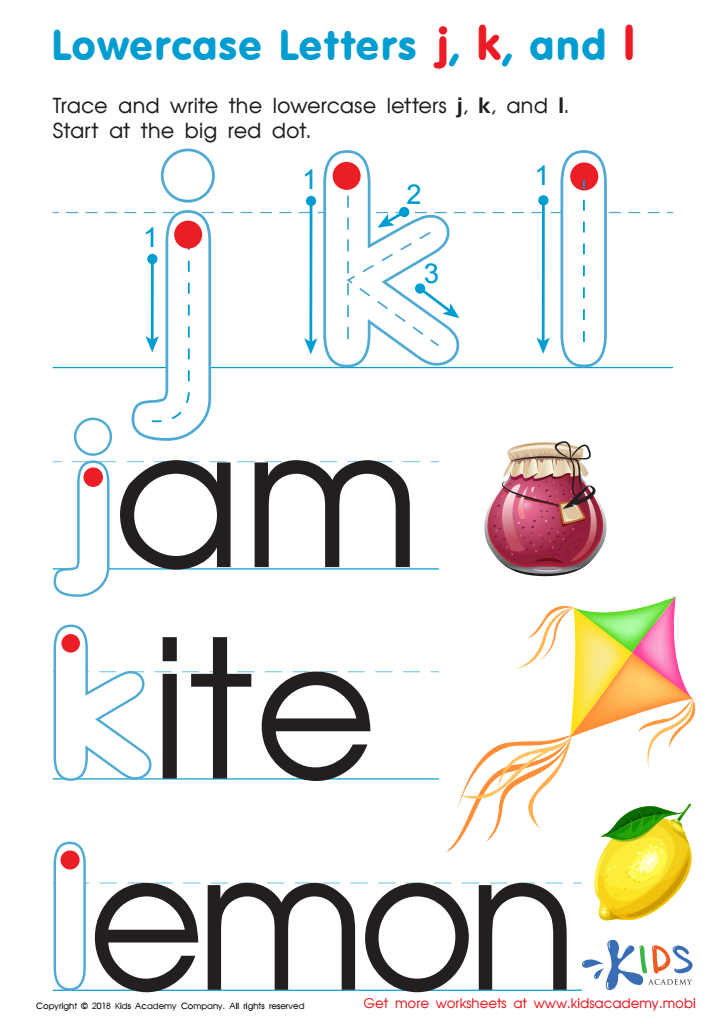
Lowercase Letters j k l Worksheet
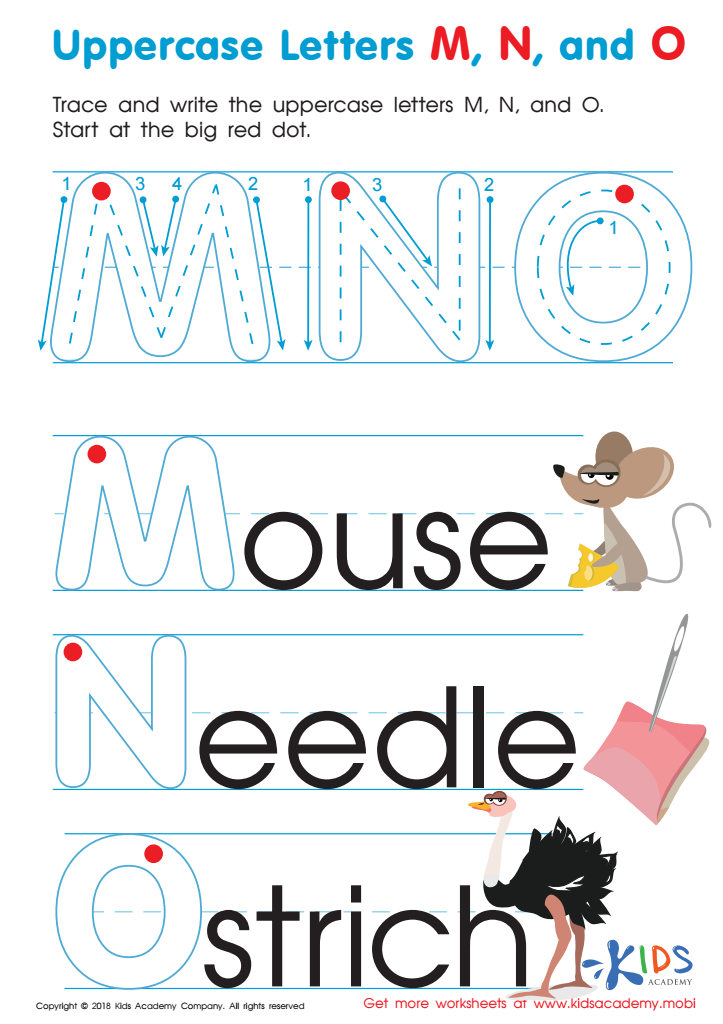
Uppercase Letters M, N, and O Worksheet
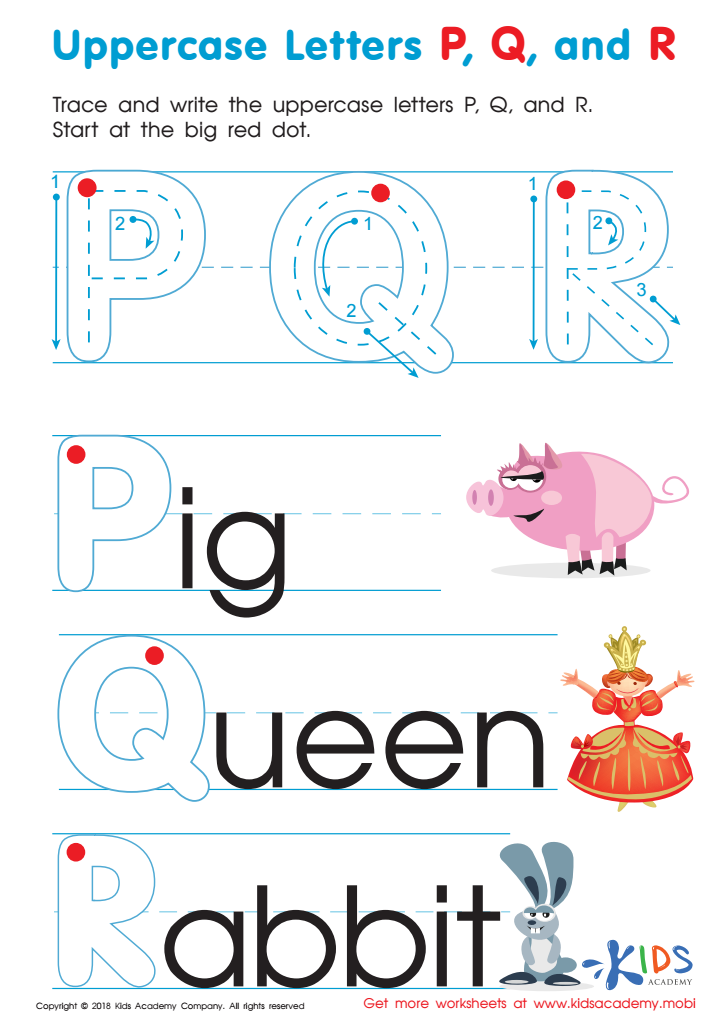
Uppercase Letters P, Q, and R Worksheet
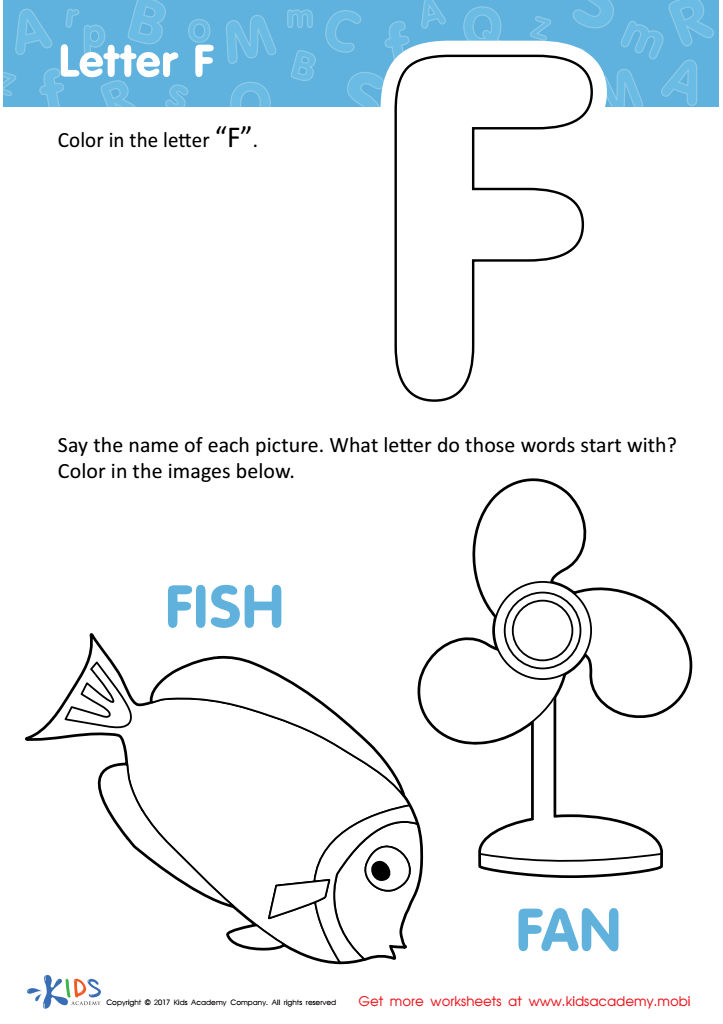
Letter F Coloring Sheet
 Assign to My Students







Letter tracing practice is crucial for children aged 3-6 because it helps lay a solid foundation for literacy in a fun and engaging manner. At this developmental stage, children are in the process of fine-tuning their motor skills, especially the fine motor skills needed for writing. Letter tracing activities guide young learners in mastering the basics of letter formation. This practice helps them develop the muscle memory necessary for proper pencil grip and steady hand movement, setting the stage for more advanced writing tasks in the future.
Furthermore, letter tracing enhances a child's visual-spatial skills. Recognizing and remembering the shapes and patterns of letters are the first steps toward reading proficiency. This practice also boosts a child's cognitive development by improving their attention to detail and concentration, as they must focus on tracing each line and curve accurately.
Incorporating letter tracing into a child's routine can mitigate frustration, making the learning process smoother when they eventually start forming words and sentences. By allocating time for letter tracing, parents and teachers ensure that foundational writing skills are built through repetition and practice, fostering a positive attitude towards learning and academic achievement. This early investment thus paves the way for future educational success and effective communication skills.








