Spatial Orientation Normal Worksheets for Ages 3-6
3 filtered results
-
From - To
Enhance your child's spatial awareness with our Spatial Orientation Normal Worksheets for ages 3-6. Perfectly tailored for early learners, these engaging worksheets foster essential skills in recognizing shapes, understanding positions, and navigating space. Our fun, interactive activities promote cognitive development and precision, critical for later academic success. Encourage your child's curiosity and confidence in understanding their surroundings. Whether at home or in the classroom, these printable worksheets provide the perfect foundation for geometric exploration and spatial reasoning. Discover the joy of learning, and set your child on the path to mastering spatial orientation today!
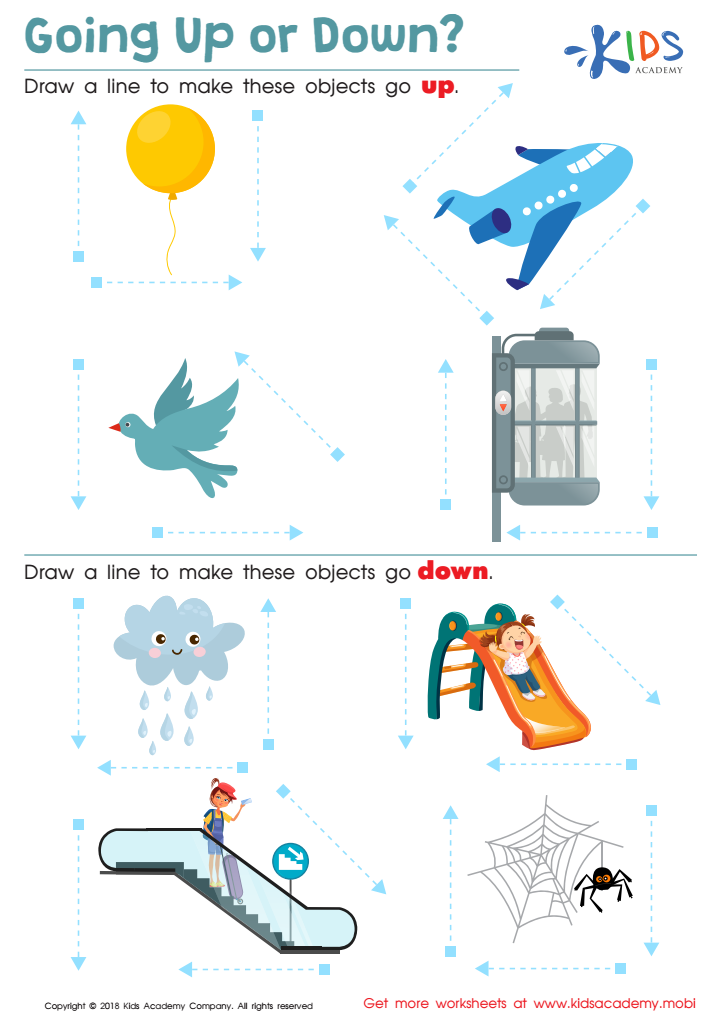
Going up or Down? Worksheet
 Assign to My Students
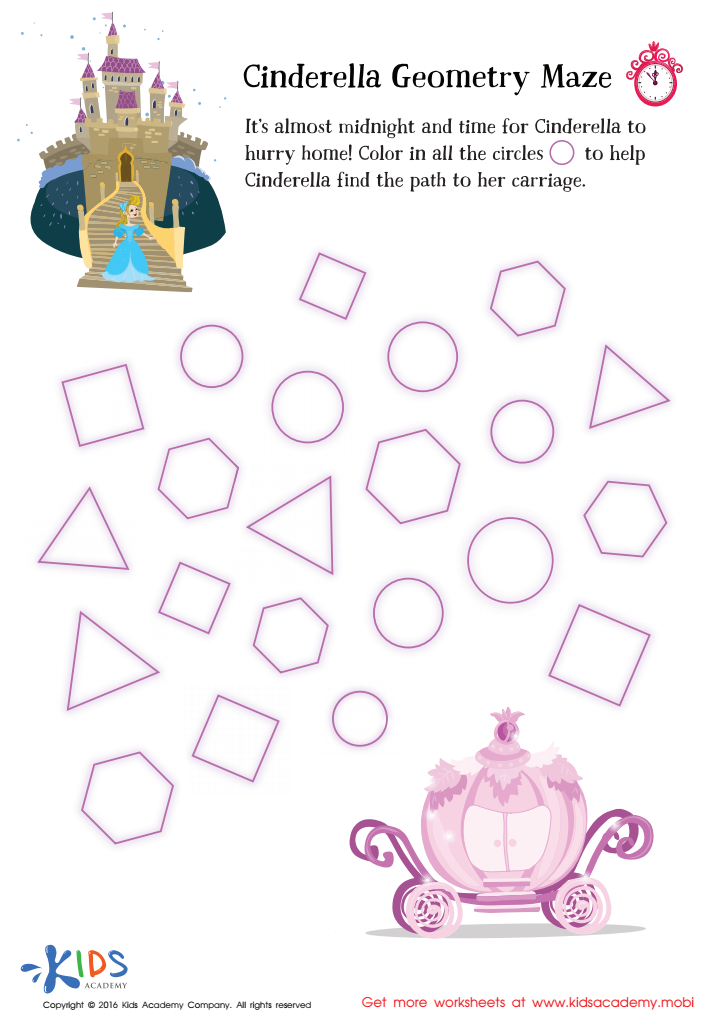
Cinderella Geometry Maze Worksheet
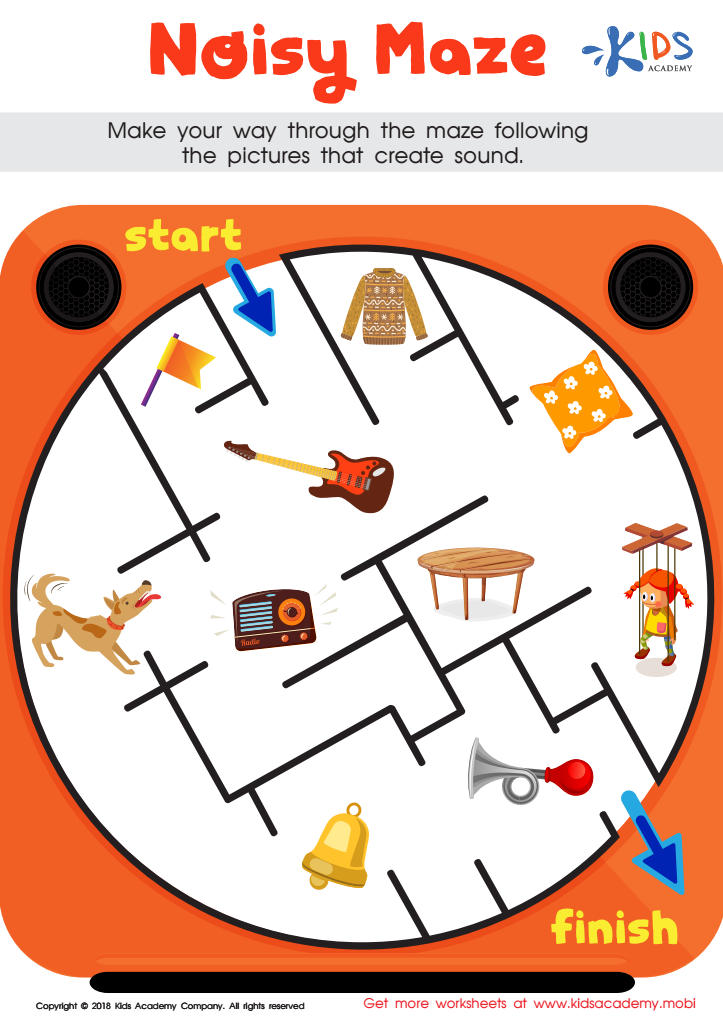
Noisy Maze Worksheet






Spatial orientation is a crucial aspect of early childhood development, particularly for children ages 3-6, as it forms the foundation for their understanding of the physical world around them. Parents and teachers should prioritize this aspect for several reasons.
Firstly, spatial orientation is key to cognitive development. It helps children grasp concepts of direction, location, and distance, which are fundamental for subjects like math and science later on. Understanding where things are in relation to each other enhances a child's problem-solving and reasoning skills.
Secondly, spatial awareness also plays a significant role in motor skills development. Activities such as crawling, walking, and playing involve understanding how their body moves in space. This awareness enhances coordination and physical agility.
Moreover, practical daily skills such as getting dressed, packing a bag, or tidying up a room require a certain level of spatial awareness. Mastery of spatial orientation means kids can perform these tasks more independently, boosting their confidence and fostering a sense of responsibility.
Lastly, spatial orientation is linked to social and emotional development. When children understand personal space and navigation, they can better interact with peers, promoting healthier social interactions and reducing feelings of anxiety in new environments.
In sum, prioritizing spatial orientation in early childhood sets the groundwork for varied aspects of learning and personal development, aiding children in becoming well-rounded, capable individuals.








