Vocabulary enhancement Normal Worksheets for Ages 3-6 - Page 6
123 filtered results
-
From - To
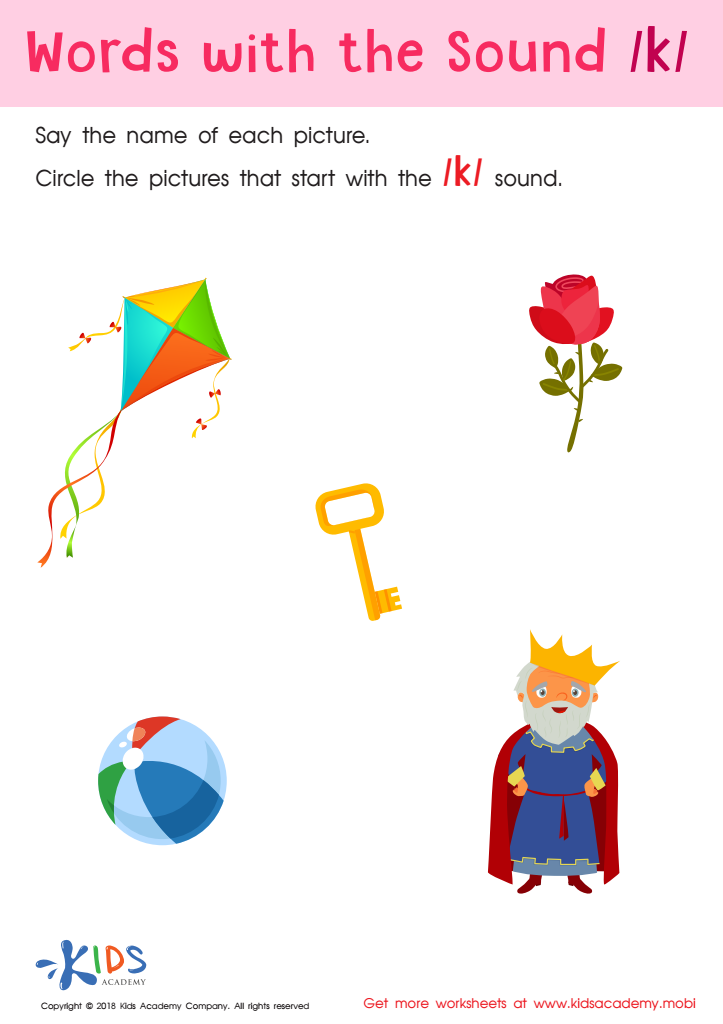
Words with sound k Reading Worksheet
 Assign to My Students
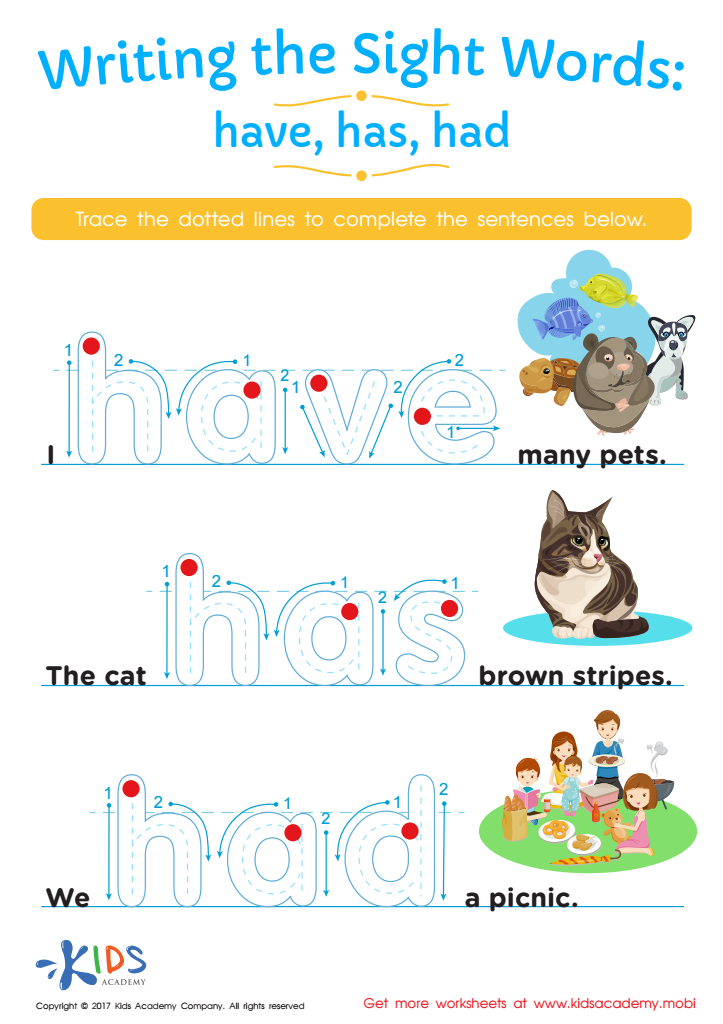
Have, Has, Had Worksheet Sight Words Worksheet
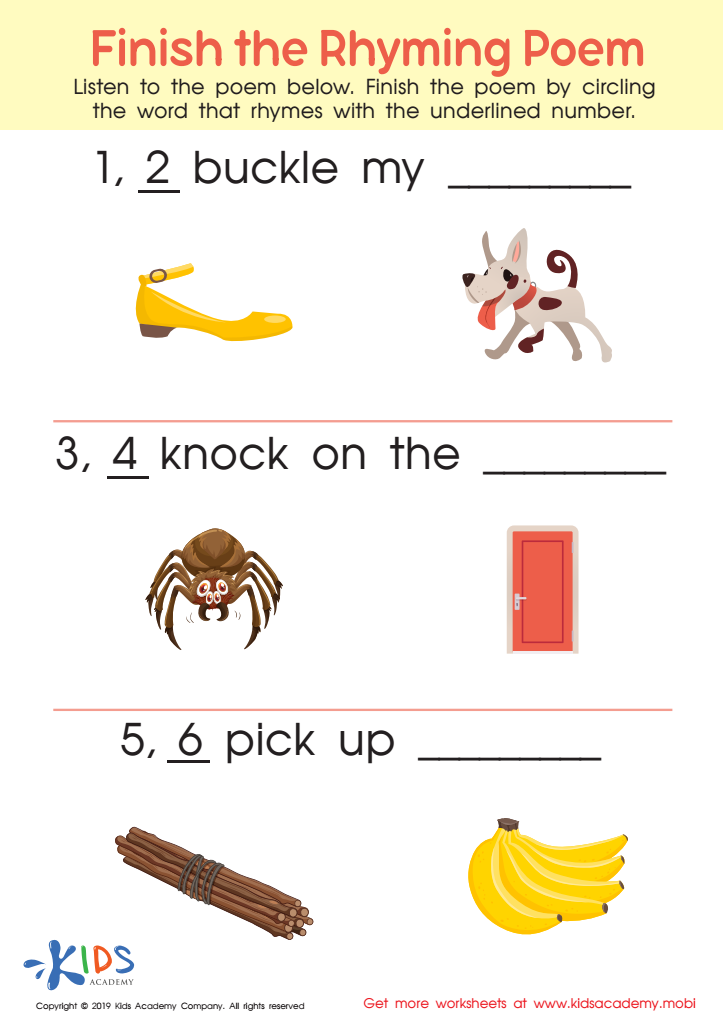
Finish Rhyming Poem Worksheet







Vocabulary enhancement is crucial for children aged 3-6 as it lays the foundation for their overall language development, cognitive growth, and future academic success. During these formative years, children's brains are highly receptive to learning and absorbing new words, which significantly enriches their communication skills. A strong vocabulary helps young learners express their thoughts, needs, and emotions more clearly and understand others better.
For parents and teachers, fostering vocabulary development in early childhood can mitigate future learning challenges. Enhanced vocabulary equips kids with the ability to understand instructions, follow stories, and engage constructively in social interactions. It also boosts their confidence and eagerness to participate in conversations, leading to improved social skills.
Moreover, a well-developed vocabulary supports reading comprehension. As children transition to more complex texts in later grades, a broader word base allows them to decode new words more accurately and comprehend the material effectively, enhancing their overall learning experience.
Importantly, a rich vocabulary is linked to higher self-esteem and emotional intelligence. When children can name their feelings and thoughts accurately, they manage emotions and resolve conflicts more efficiently. Therefore, cultivating a child's vocabulary from ages 3-6 creates a strong linguistic and cognitive framework that supports lifelong learning and personal development.








