Basic arithmetic skills Normal Math Worksheets for Ages 3-6
6 filtered results
-
From - To
Introduce your young learner to the fundamentals of math with our "Basic Arithmetic Skills Normal Math Worksheets for Ages 3-6". These engaging and easy-to-follow worksheets are designed to develop essential arithmetic skills in early learners. With a focus on counting, addition, and subtraction, each worksheet is expertly crafted to make learning fun and interactive. Perfect for home or classroom use, our worksheets help children build a strong foundation in math while boosting their confidence and interest in the subject. Download and print today to start the journey towards mastering basic arithmetic with your little one!
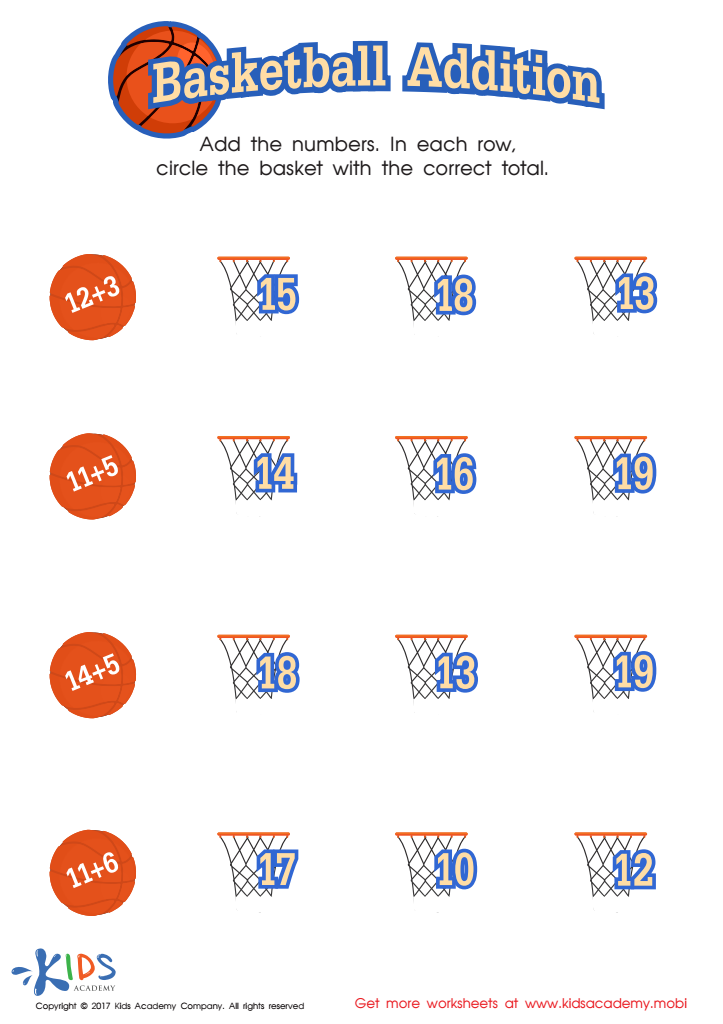
 Assign to My Students
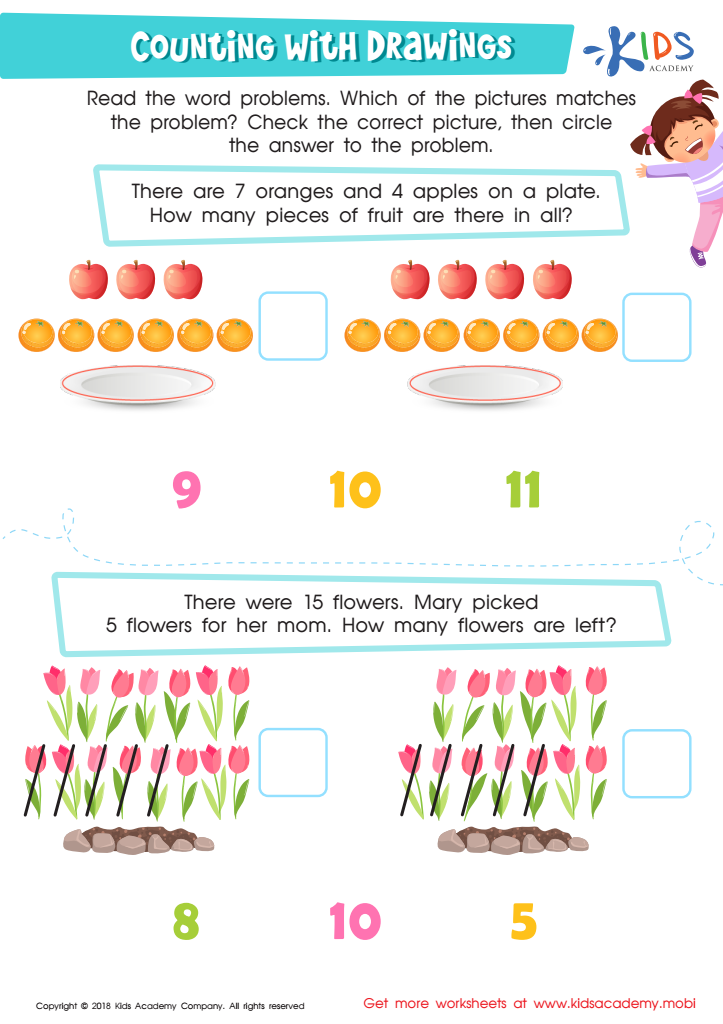
Counting with Drawings: Fruits & Chocolates Worksheet
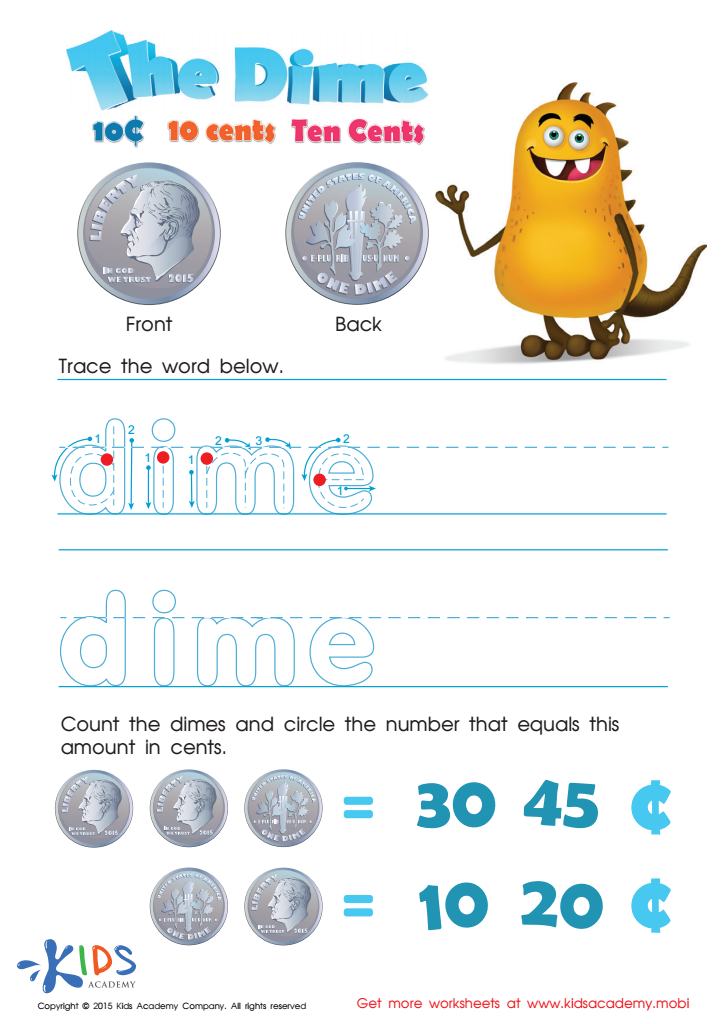
Ten Cents or the Dime Money Worksheet
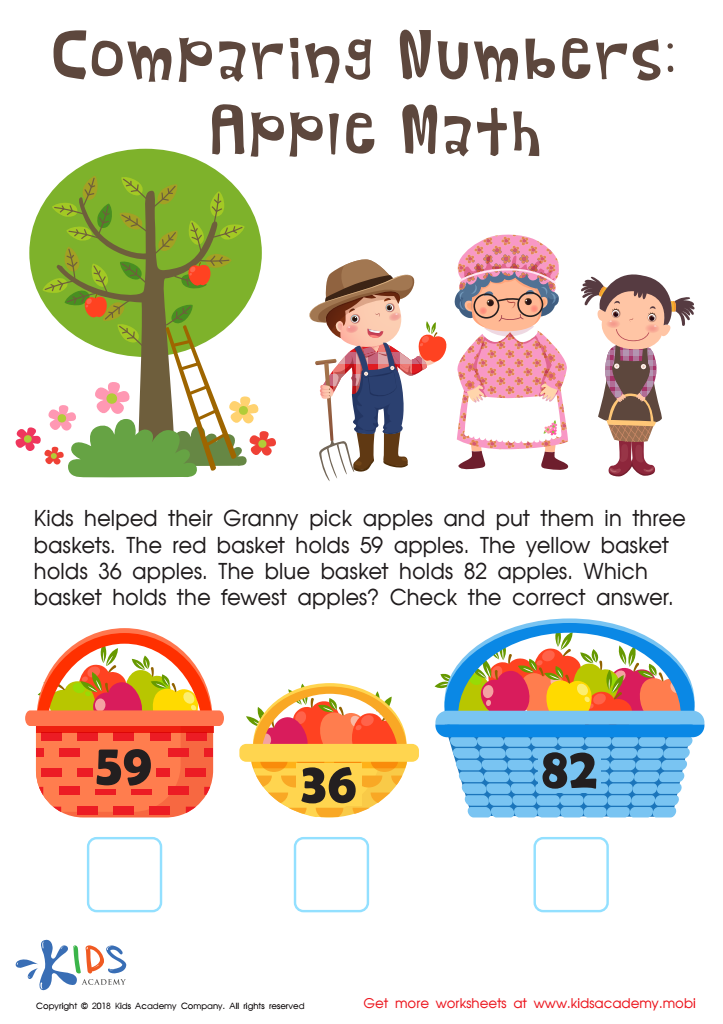
Apple Math Worksheet
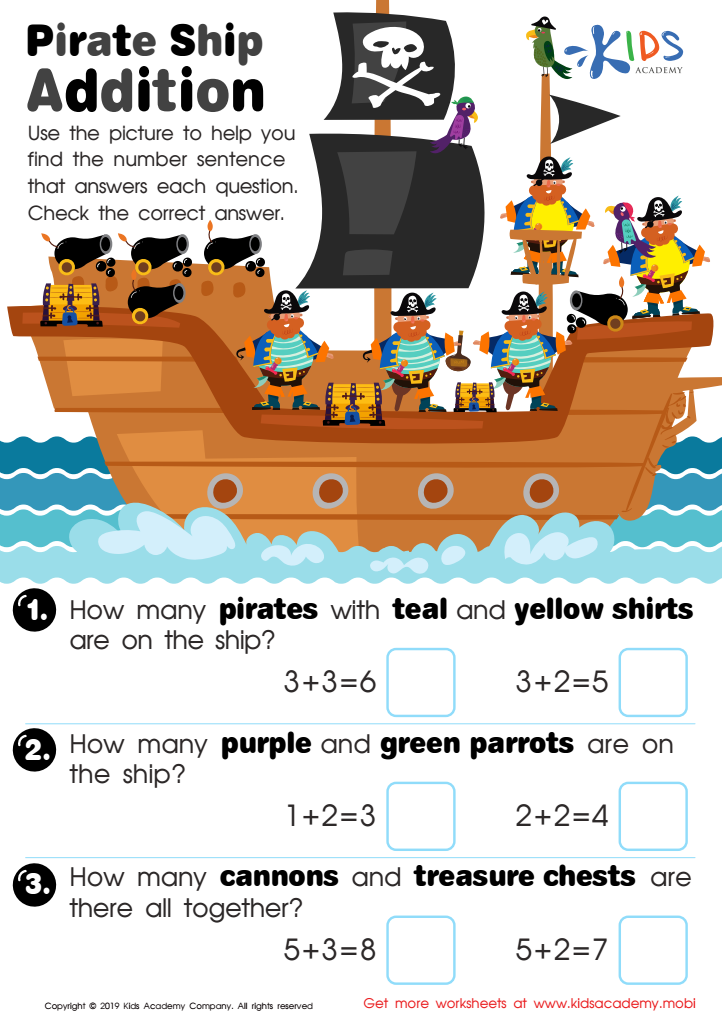
Pirate Ship Addition Worksheet
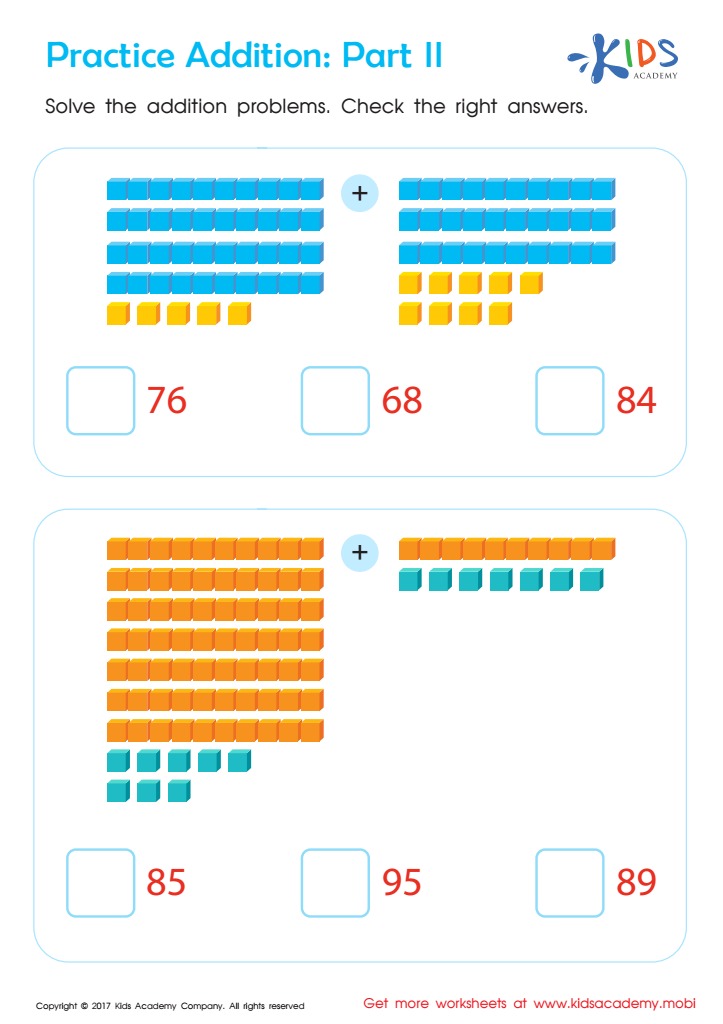
Practice Addition: Part 2 Worksheet








Basic arithmetic skills are foundational building blocks in a child's cognitive development, especially between the ages of 3 and 6. Parents and teachers should prioritize these skills because they form the groundwork for future mathematical understanding. Simple activities like counting objects, recognizing numbers, and basic addition and subtraction not only enhance numerical literacy but also bolster problem-solving abilities and logical thinking. Early math proficiency is linked with higher academic achievement in later years, often predicting success across various subjects in school.
Teaching basic arithmetic informs children about how our world operates. Numbers are omnipresent in daily life—shopping, cooking, and even playing games involve math. By integrating basic arithmetic into everyday activities, children learn its practical applications, making learning relevant and engaging.
Moreover, early exposure to math fosters a positive attitude towards the subject. This can help mitigate math anxiety, a common issue that hinders many learners. Engaging in fun, interactive math experiences boosts curiosity and confidence. When children feel competent in basic arithmetic, they are more likely to embrace further challenges with enthusiasm.
Lastly, fostering these skills at an early age promotes equitable learning opportunities, ensuring that all children, regardless of background, start their educational journey on an equal footing. Investing in early arithmetic education is, therefore, an investment in a child’s overall academic and personal development.








