Developing counting skills Normal Math Worksheets for Ages 3-6
3 filtered results
-
From - To
Boost your child’s early numeracy with our “Developing Counting Skills” normal math worksheets, meticulously designed for ages 3-6. These engaging worksheets foster foundational counting abilities through fun and interactive activities. Tailored for young learners, each sheet features vibrant illustrations, simple exercises, and counting games that enhance number recognition, sequencing, and basic arithmetic. Ideal for both classroom and at-home learning, our materials provide a structured yet enjoyable path to mastering essential math skills. Empower your child’s mathematical journey with the perfect blend of education and play, building confidence and a love for numbers from an early age.
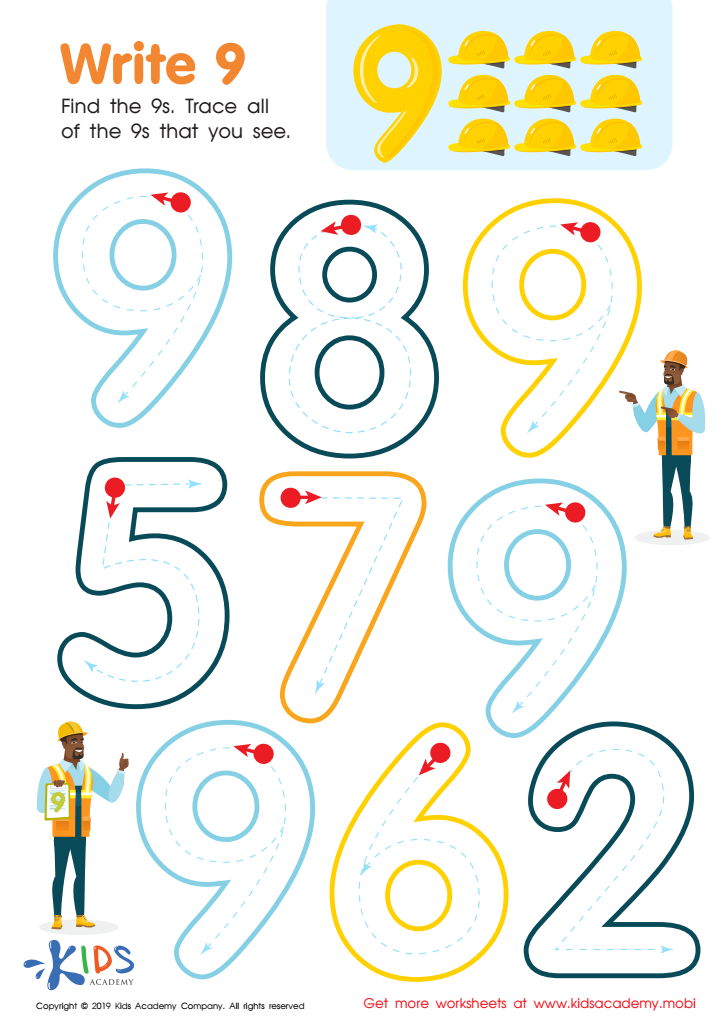
Write 9 Worksheet
 Assign to My Students
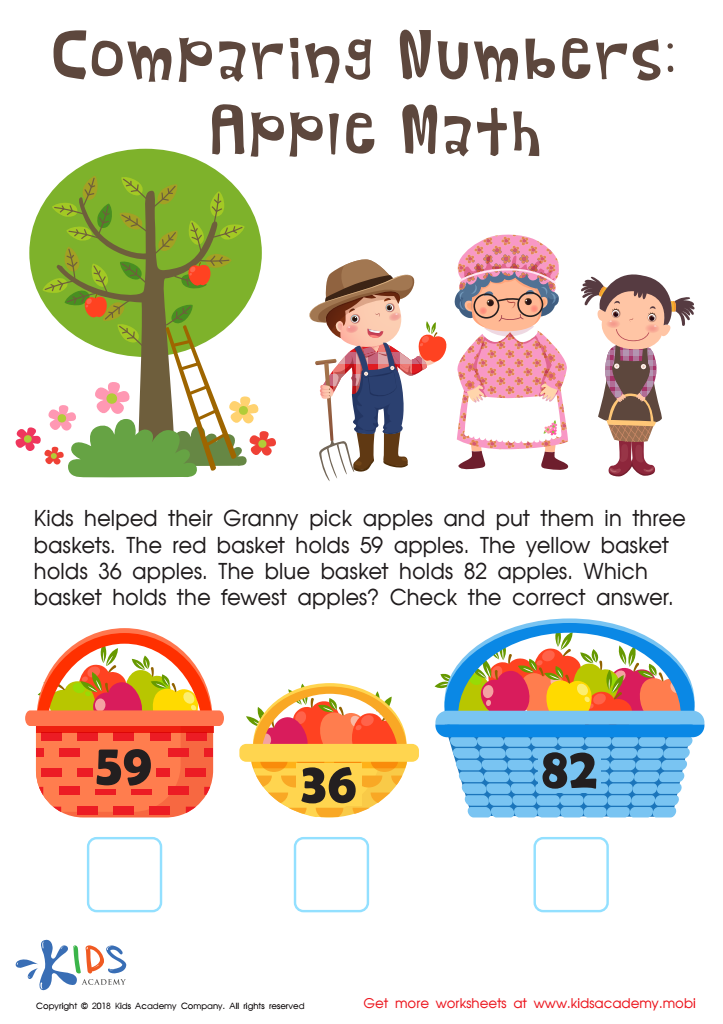
Apple Math Worksheet
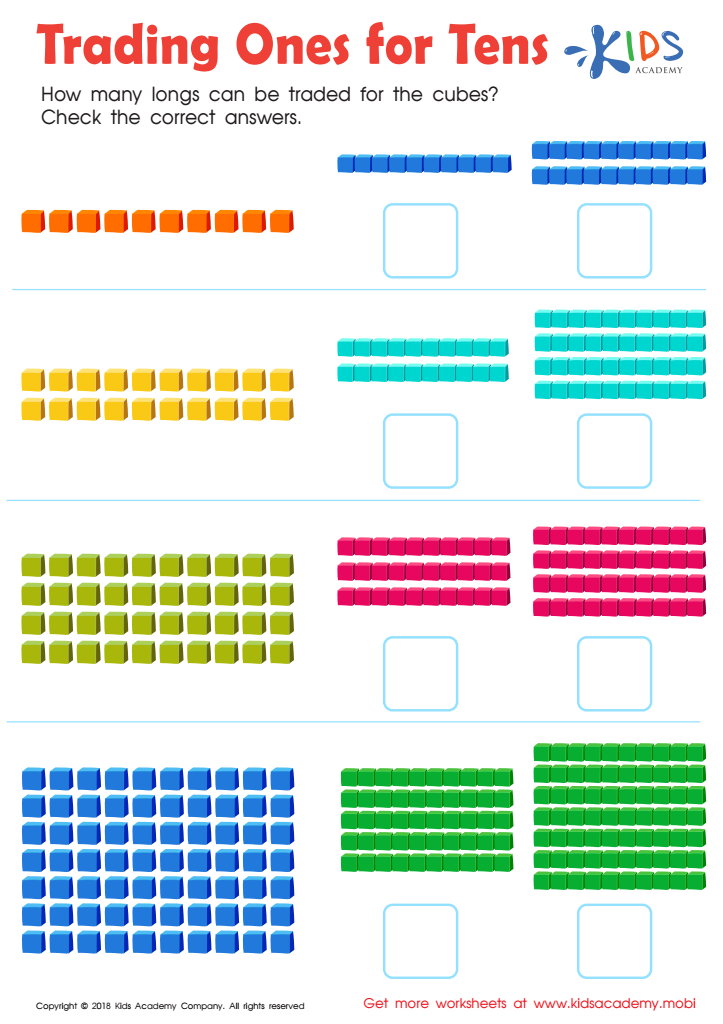
Trading Ones for Tens Worksheet: Part 2



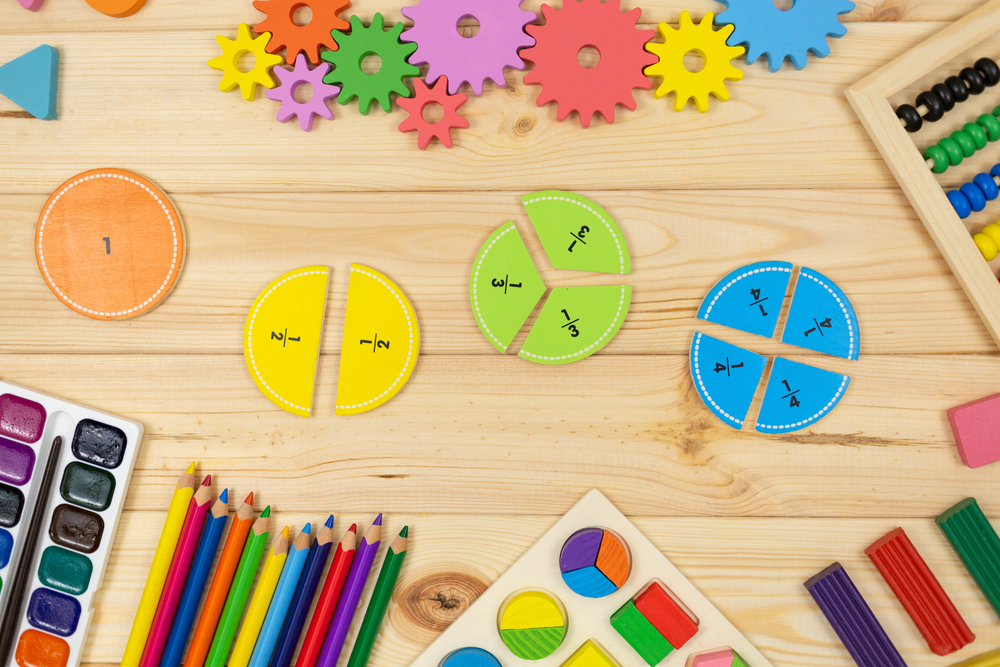




Parents and teachers should prioritize developing counting skills in children aged 3-6 because it lays the foundational framework for their future mathematical understanding and cognitive development. At this early stage, children are beginning to form crucial connections in their brains, and engaging with counting activities boosts numeracy skills. Counting helps children understand the concept of quantity, number recognition, and one-to-one correspondence, where each object counted is assigned one and only one number.
Early counting skills also instill critical thinking and problem-solving abilities. As young children practice counting, they are encouraged to observe patterns, make predictions, and identify relationships between numbers, all of which are essential higher-level math skills. Additionally, counting activities enhance language development, as children learn the names of numbers and how to sequence them correctly.
Socially, these activities often involve interactive games and group tasks, which promote cooperative learning and improve communication skills. Emotionally, mastering counting can boost a child's confidence, giving them a positive early experience with math that can influence their attitudes toward the subject throughout their schooling.
Overall, investing in early counting skills ensure that children are not just ready for formal education but also equipped with tools for lifelong learning and success.








