Enhancing critical thinking Normal Math Worksheets for Ages 3-6
3 filtered results
-
From - To
Discover our innovative "Normal Math Worksheets for Ages 3-6" designed to enhance critical thinking in young learners. These engaging activities combine fundamental math concepts with problem-solving tasks, fostering analytical skills and cognitive development. Each worksheet introduces children to numbers, shapes, patterns, and basic arithmetic, promoting logical reasoning and creativity. Perfect for home or classroom use, our age-appropriate worksheets help build a strong educational foundation while making learning enjoyable. Equip your child with the tools to think critically and succeed in math from an early age with our thoughtfully crafted resources.
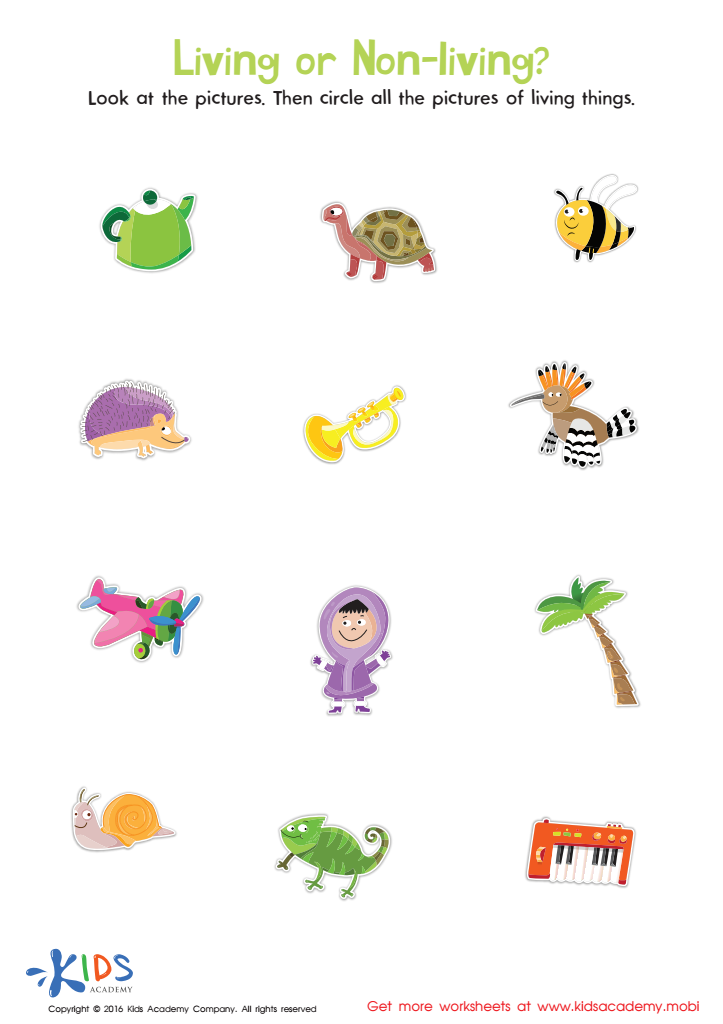
Identifying Living and Non–living Things Sorting Worksheet
 Assign to My Students
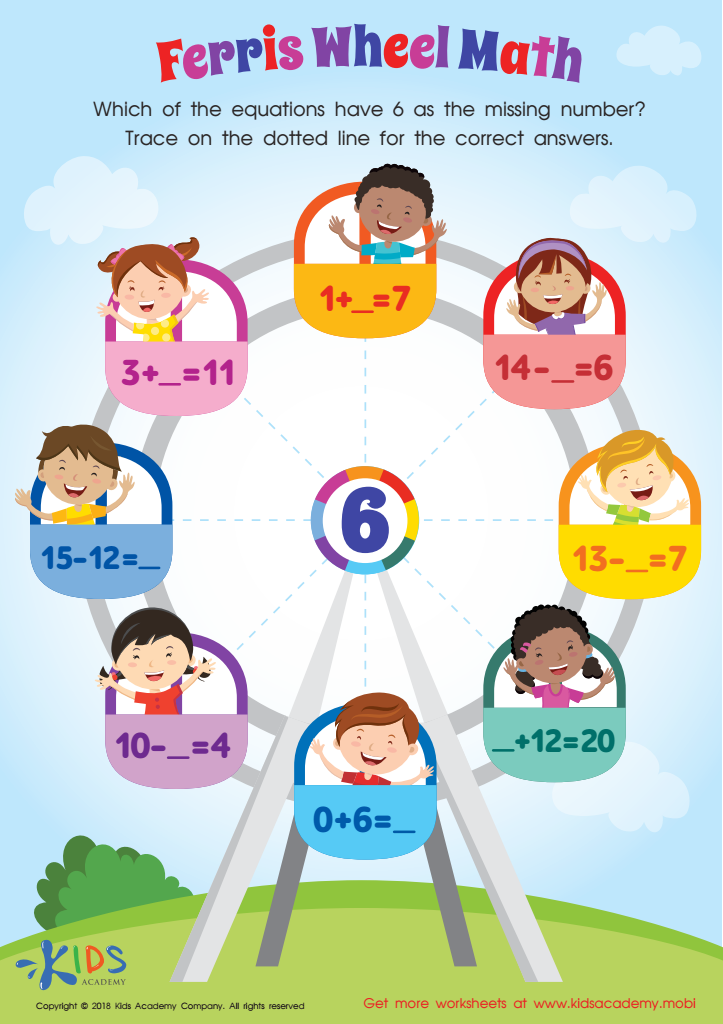
Missing Number: Ferris Wheel Math Worksheet
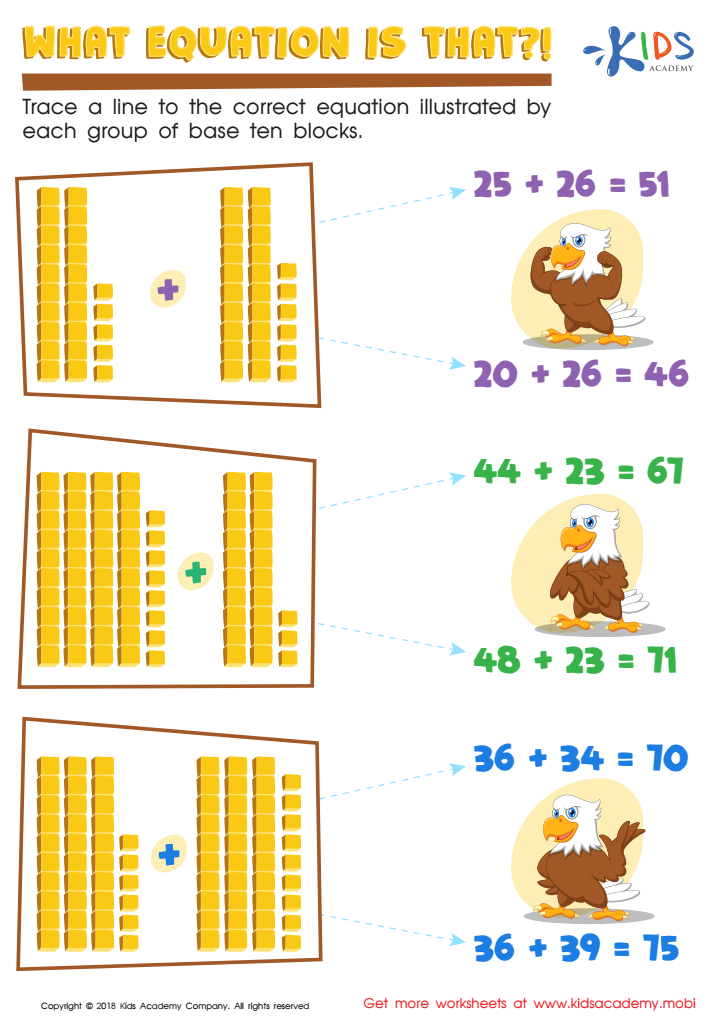
What Equation Is That? Worksheet








Enhancing critical thinking in normal math for ages 3-6 is vital as it forms the foundation for children's overall cognitive development and future problem-solving abilities. At this age, children's brains are highly adaptable and capable of rapid growth. By fostering critical thinking through math, children learn to analyze, evaluate, and even create new ways of solving problems, skills essential not only in academics but in daily life as well.
Introducing critical thinking in math helps young children grasp concepts beyond mere memorization. Instead of just learning to count, children start understanding quantities, patterns, and relationships, fostering a deeper comprehension of mathematical principles. This early engagement makes future complex math topics more approachable and less intimidating for them.
From a developmental standpoint, this form of early education nurtures curiosity and encourages children to ask "why" and "how," promoting a lifelong love for learning. It helps develop perseverance and resilience when facing challenges, as critical thinking encourages viewing problems from multiple angles until a solution is found.
For parents and teachers, emphasizing critical thinking in math during these formative years sets the stage for children to grow into innovative thinkers capable of tackling future challenges across various fields. It ensures they are not just participants in a structured educational system but active learners equipped with robust problem-solving skills.








