Reading practice Normal Reading Worksheets for Ages 3-6
3 filtered results
-
From - To
Explore our engaging Reading Practice Normal Worksheets designed specifically for children aged 3-6! These thoughtfully crafted resources promote foundational reading skills through a variety of colorful and interactive activities. Your young learners will enjoy tracing, matching, and identifying letters and words, fostering both phonemic awareness and vocabulary development. Each worksheet is tailored to support early literacy while keeping children motivated and excited about reading. Perfect for homeschooling, classroom activities, or supplemental practice, these worksheets ensure a fun learning experience that builds confidence. Empower your child's journey to becoming a proficient reader with our delightful and effective reading practice worksheets today!
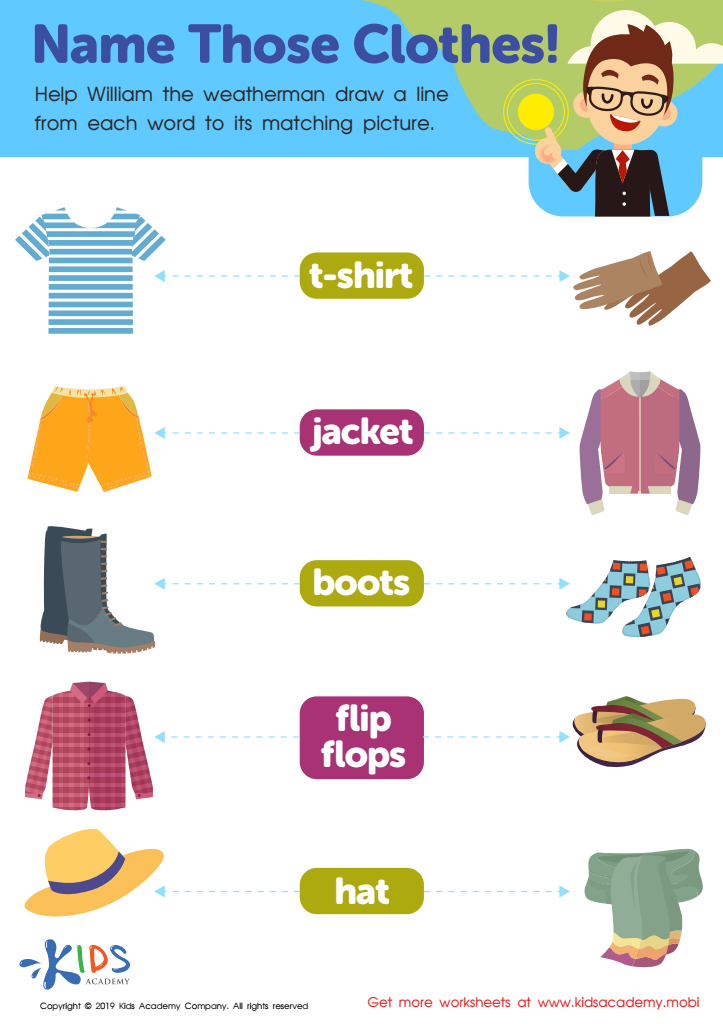
Name Those Clothes Worksheet
 Assign to My Students
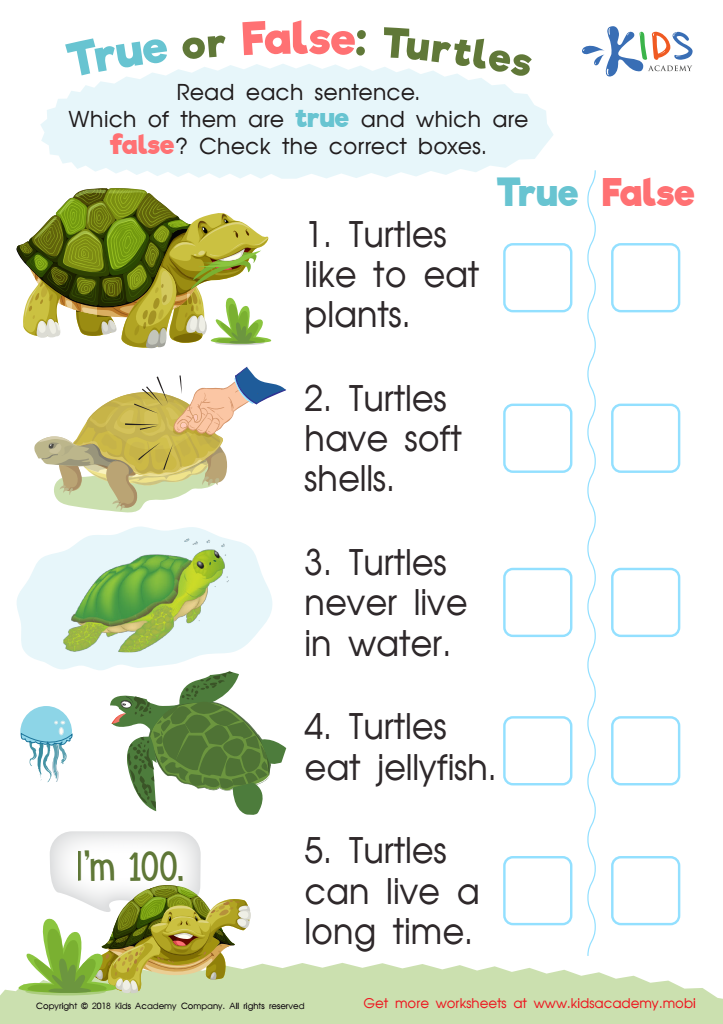
True or False: Turtles Worksheet
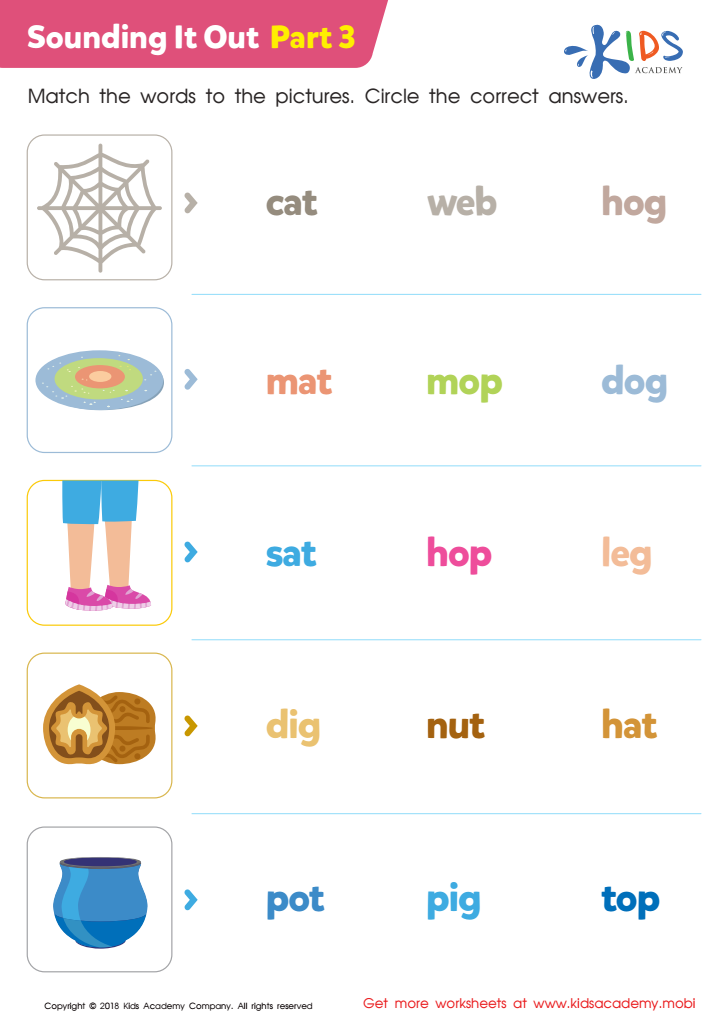
Sounding it Out: Part 3 Worksheet






Reading practice for children aged 3-6 is crucial for several reasons. During this developmental stage, children's brains are highly receptive to language and literacy acquisition. Familiarizing them with reading promotes vocabulary growth, language skills, and comprehension abilities. Engaging in regular reading practice creates a bonding experience between parents, teachers, and children, instilling a love for books and storytelling that can last a lifetime.
Moreover, early literacy skills are foundational for academic success. Children who engage in reading activities are more likely to perform better in school, as these experiences enhance their ability to decode words, understand sentence structure, and make connections between ideas.
Reading practice also nurtures imagination and creativity, allowing children to explore new worlds and ideas beyond their immediate surroundings. This early exposure to diverse narratives and perspectives fosters empathy and social awareness.
Teachers and parents play an essential role in guiding children through this process, providing support, and creating an enriching environment that encourages exploration. By prioritizing reading practice, they are equipping children with essential life skills that will serve them well throughout their educational journey and beyond. Ultimately, nurturing a young child's interest in reading lays the groundwork for a lifelong appreciation of learning and knowledge.








