Shape Recognition Normal Reading Worksheets for Ages 3-6
3 filtered results
-
From - To
Explore our engaging Shape Recognition Normal Reading Worksheets designed specifically for children ages 3-6! These worksheets make learning fun while helping young learners identify and understand various shapes. With vibrant illustrations and interactive activities, kids will enhance their reading skills alongside crucial shape recognition. Our carefully crafted worksheets support early childhood development by promoting recognition of geometric forms, aiding in vocabulary expansion, and boosting fine motor skills through hands-on learning. Ideal for classroom settings or at-home practice, these resources help lay a strong foundation for future learning. Download today and watch your little ones thrive in their educational journey!
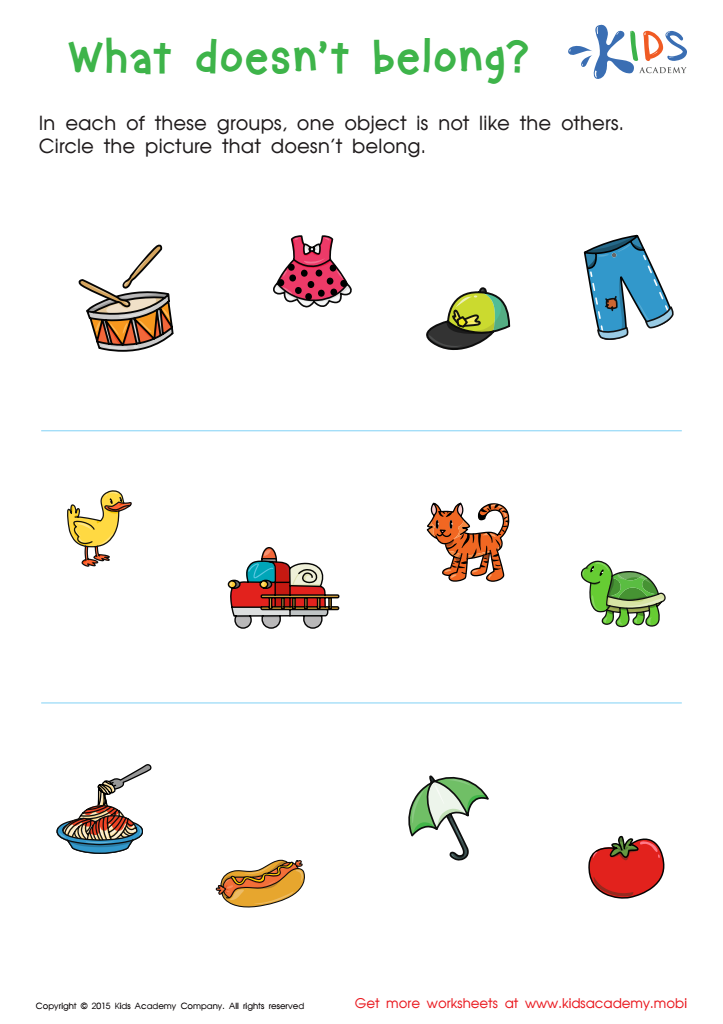
First Words: What Doesn't Belong Worksheet
 Assign to My Students
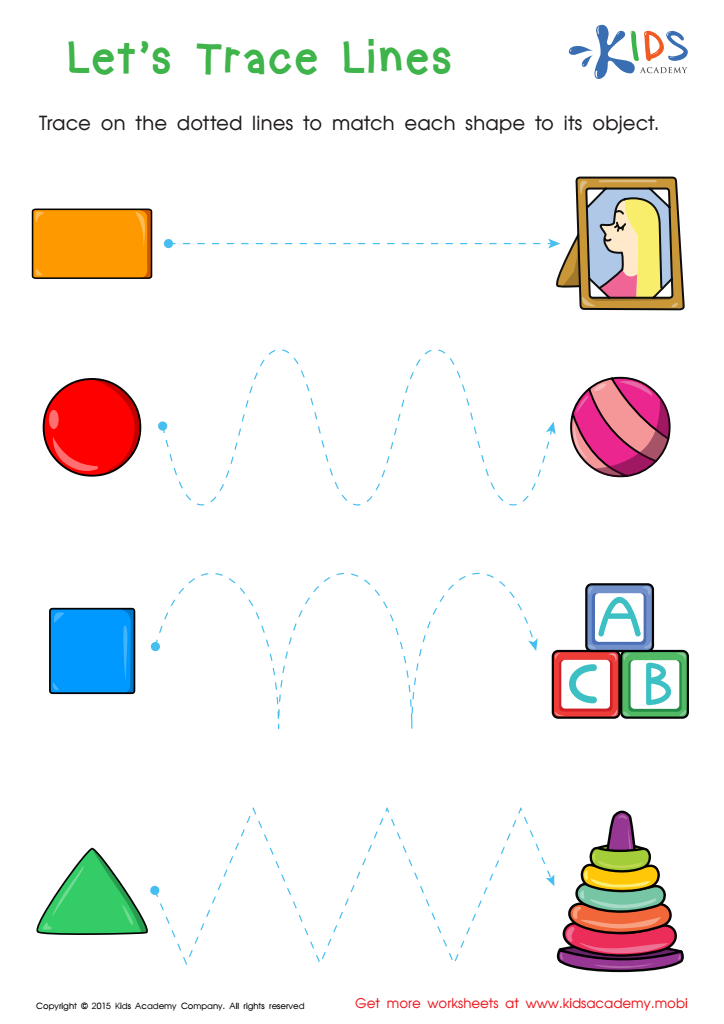
First Words: Let's Trace Lines Worksheet
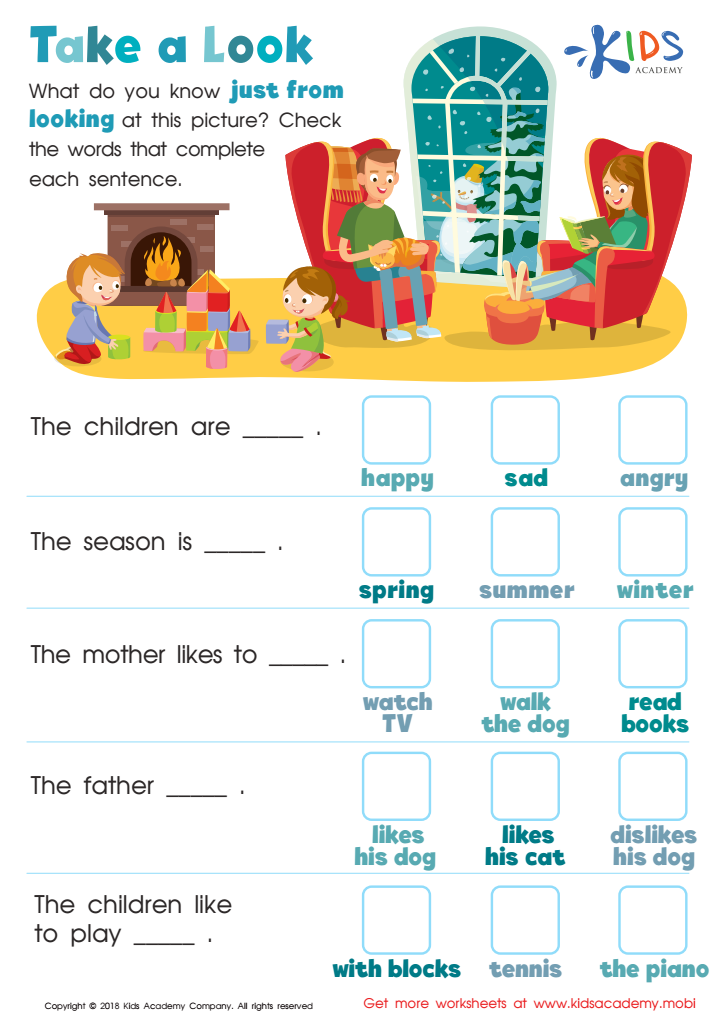
Take a Look - Part 1 Worksheet








Shape recognition is a fundamental skill for children aged 3 to 6 years, serving as a building block for various developmental areas, including mathematics, literacy, and spatial awareness. Parents and teachers should care about this aspect of early learning because it lays the groundwork for critical thinking and problem-solving. Recognizing shapes helps children understand their environment and boosts their ability to categorize and organize information.
Moreover, proficiency in shape recognition enhances language development as children learn to label and describe different shapes, contributing to their vocabulary growth. This skill also supports mathematics readiness by introducing concepts such as symmetry, patterns, and geometry.
In addition, engaging in shape recognition fosters fine motor skills through hands-on activities like drawing, cutting, and assembling shapes. As children interact with shape-based games and toys, they improve their hand-eye coordination and dexterity while having fun.
Promoting shape recognition not only bolsters cognitive development but also encourages creativity and imagination through building and exploring. Recognizing shapes thus offers a multi-faceted approach to early education, emphasizing the importance of a well-rounded skill set in preparation for future academic success. Therefore, parental and teacher involvement in children's shape recognition is crucial for holistic development.








