Comprehension skills Normal Reading Fiction Worksheets for Ages 3-6
3 filtered results
-
From - To
Unlock your child's potential with our "Comprehension Skills Normal Reading Fiction Worksheets" designed for ages 3-6. These engaging worksheets are perfect for nurturing early literacy and comprehension, setting the foundation for a lifetime of learning. Through fun fiction stories, children enhance their reading skills while comprehending key concepts, characters, and narratives. Each worksheet is crafted to encourage critical thinking, imagination, and a love for reading. Ideal for preschool and kindergarten settings, our resources seamlessly blend education with play. Explore our collection today to inspire your little one's reading journey and foster essential comprehension skills they'll use for years to come!
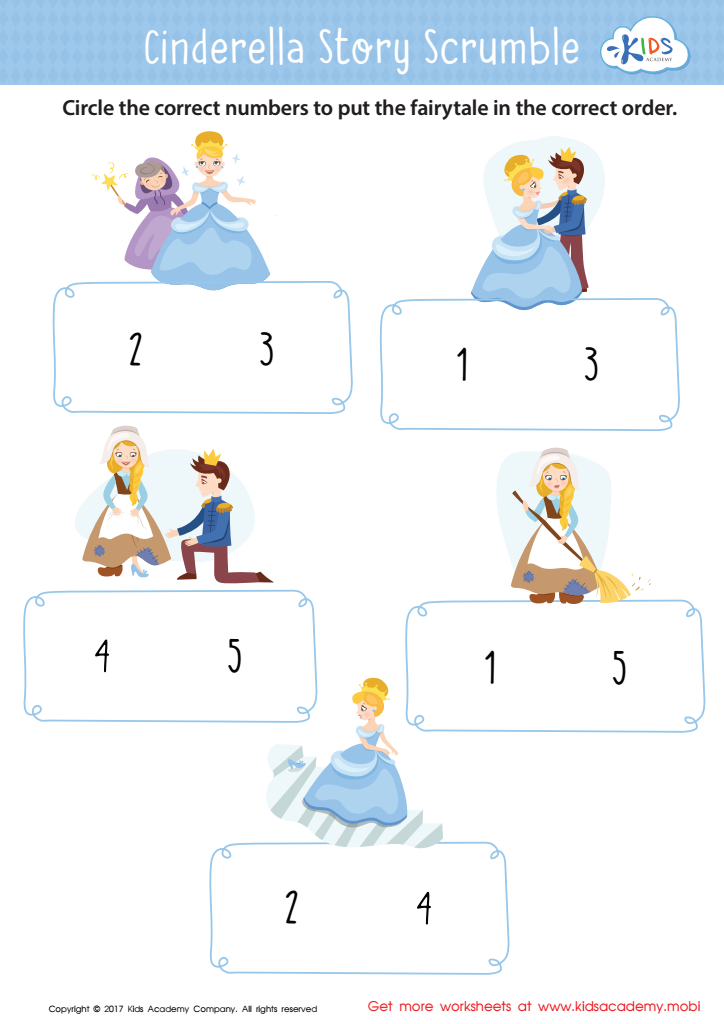
Cinderella Story Sequencing Worksheet
 Assign to My Students
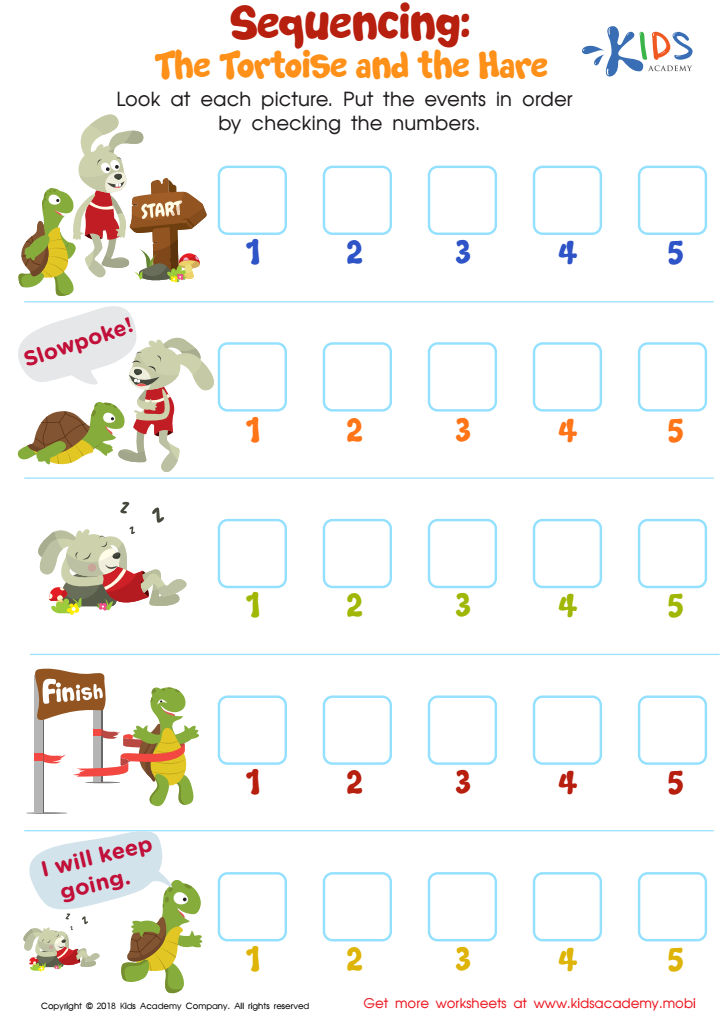
Sequencing: The Tortoise and the Hare Worksheet
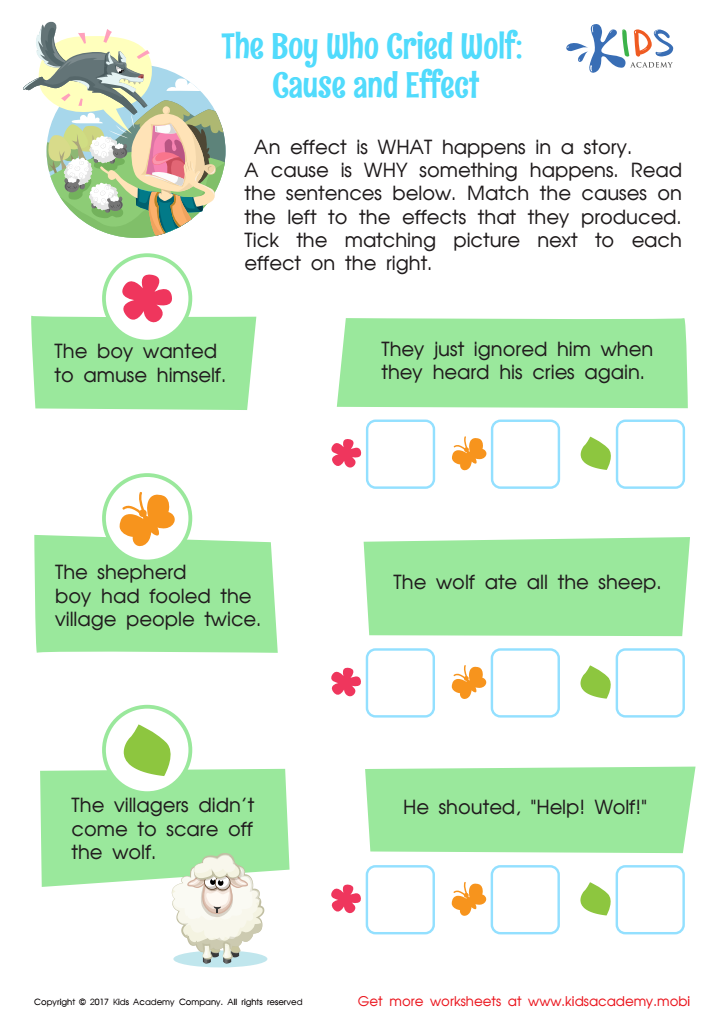
The Boy Who Cried Wolf: Cause and Effect Worksheet








Parents and teachers should prioritize comprehension skills in early reading, particularly for children aged 3-6, due to its profound impact on a child's overall development. During these formative years, children are not just learning to recognize words; they are beginning to understand plots, characters, and themes found in fiction. Strong comprehension skills lay the groundwork for critical thinking, creativity, and emotional intelligence.
Reading fiction enables children to explore different perspectives and cultures, fostering empathy and curiosity. As they engage with stories, children learn to predict outcomes, make inferences, and connect their own experiences with the narrative, all crucial components of comprehension.
In addition, effective comprehension skills enhance language development. They expand vocabulary and improve narrative understanding, contributing to better expression and communication skills. Mastering these abilities early on sets a strong foundation for academic success, helping children transition smoothly to more complex texts in later years.
Moreover, fostering a love of reading and comprehension at this age promotes enthusiasm for lifelong learning. For teachers and parents, actively engaging children in reading activities—including discussions about stories—can significantly enhance their cognitive and social growth, ensuring they become confident and capable readers.







