Number Recognition Normal Science Worksheets for Ages 3-6
5 filtered results
-
From - To
Discover a world of learning with our "Number Recognition Normal Science Worksheets" designed specifically for children ages 3-6. These engaging worksheets combine number recognition skills with fun science themes, making early learning enjoyable and effective. Tailored to spark curiosity, each activity promotes counting and understanding numerical concepts through vibrant illustrations and interactive challenges. Perfect for preschool and kindergarten classrooms or at-home learning, these worksheets support cognitive development while fostering a love for numbers. Help your little ones build a solid foundation in numeracy skills and prepare them for future academic success in a playful and stimulating way!

African Wildlife: Giraffe Worksheet
 Assign to My Students
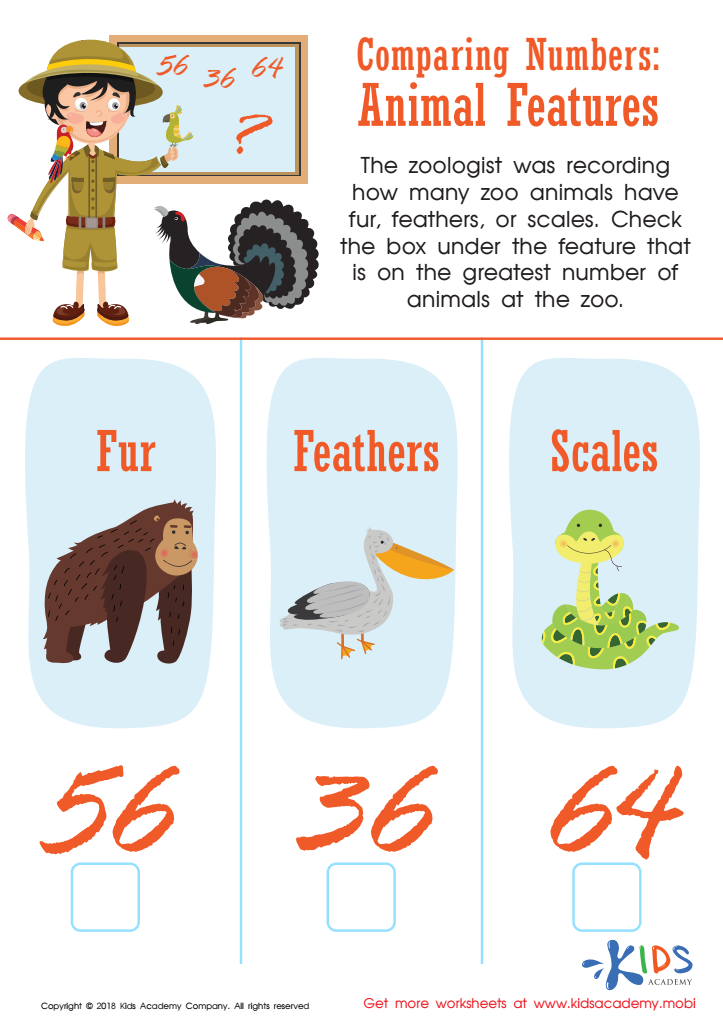
Animal Features Worksheet
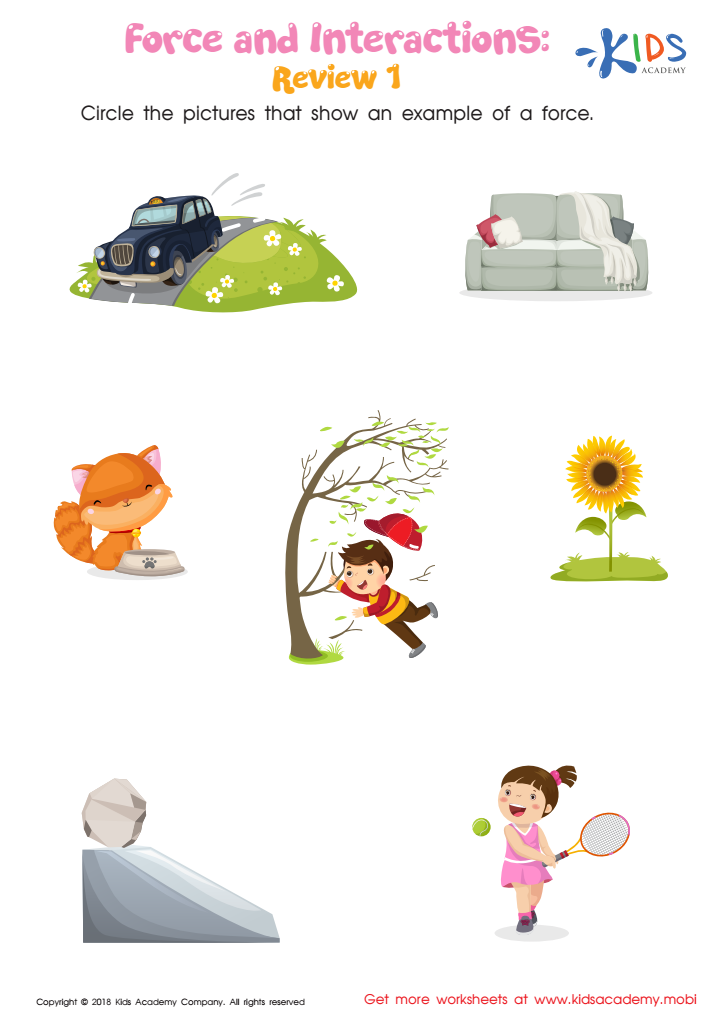
Force and Interactions: Review 1 Worksheet
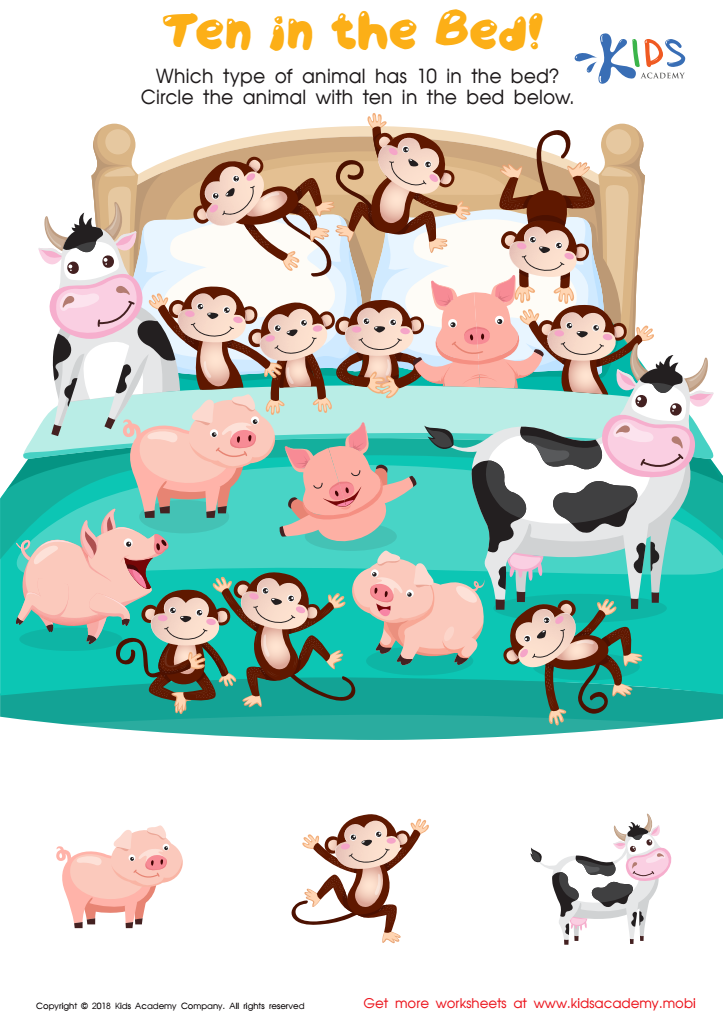
Ten in the Bed Worksheet
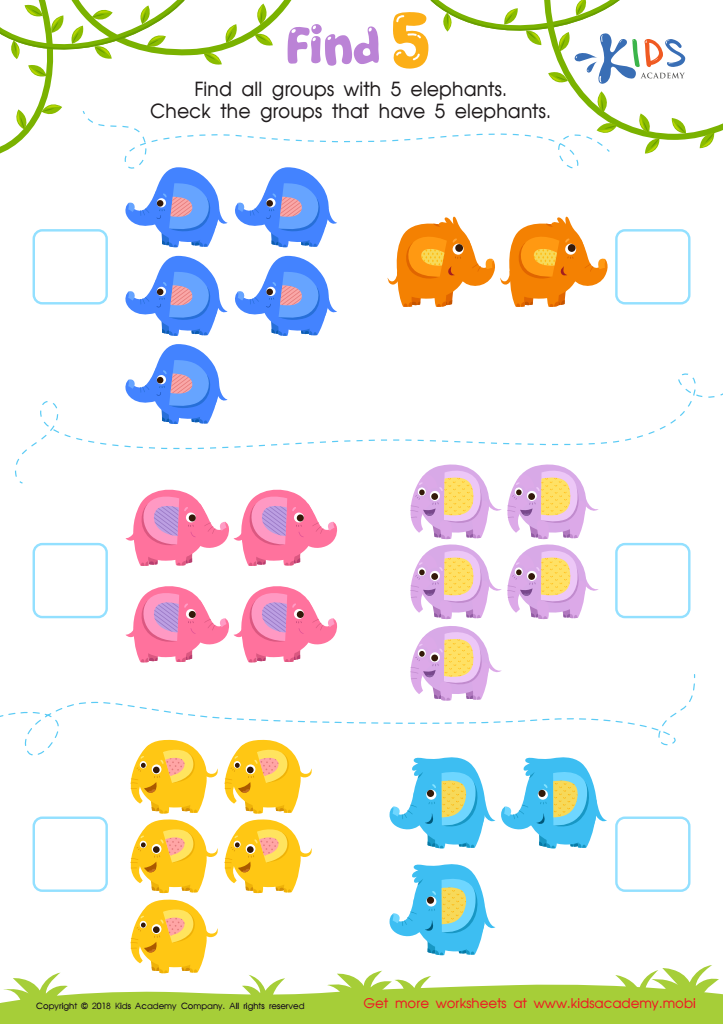
Find 5 Worksheet





.jpg)

.jpg)
Number recognition is a foundational skill essential for early childhood development, particularly for children aged 3-6. During these formative years, children begin to make sense of the world around them, and understanding numbers is a crucial part of that process. Parents and teachers should care about number recognition because it impacts a child's ability to engage with mathematical concepts, fostering critical thinking and problem-solving skills.
Recognizing numbers aids in developing literacy and cognitive skills, as it encourages children to identify patterns, make connections, and understand sequences. Engaging with numbers also helps children develop a positive attitude towards mathematics, reducing anxiety and building confidence for their future academic endeavors.
Moreover, number recognition goes beyond the classroom; it enhances everyday experiences—like counting toys or recognizing numbers in the environment—making learning practical and fun.
Encouraging number recognition through games, songs, and interactive activities provides a multi-sensory approach that caters to varied learning preferences. By prioritizing this skill, parents and teachers can lay a strong foundation for children's mathematical understanding, ultimately setting them up for success in both education and life. Emphasizing early number recognition is an investment in children's lifelong learning journey.







