Critical Thinking Normal History Worksheets for Ages 3-6
4 filtered results
-
From - To
Unlock the power of early education with our "Critical Thinking Normal History Worksheets" designed specifically for children ages 3-6. These engaging and age-appropriate worksheets encourage young learners to explore historical concepts while developing essential critical thinking skills. Through interactive activities, colorful images, and thought-provoking questions, kids will be introduced to basic historical events and figures in a fun and memorable way. Our resources promote curiosity, imagination, and cognitive development, making history accessible and enjoyable. Perfect for parents and teachers looking to enrich their social studies curriculum, these worksheets provide a strong foundation for future learning. Discover the joy of thinking critically about our world today!
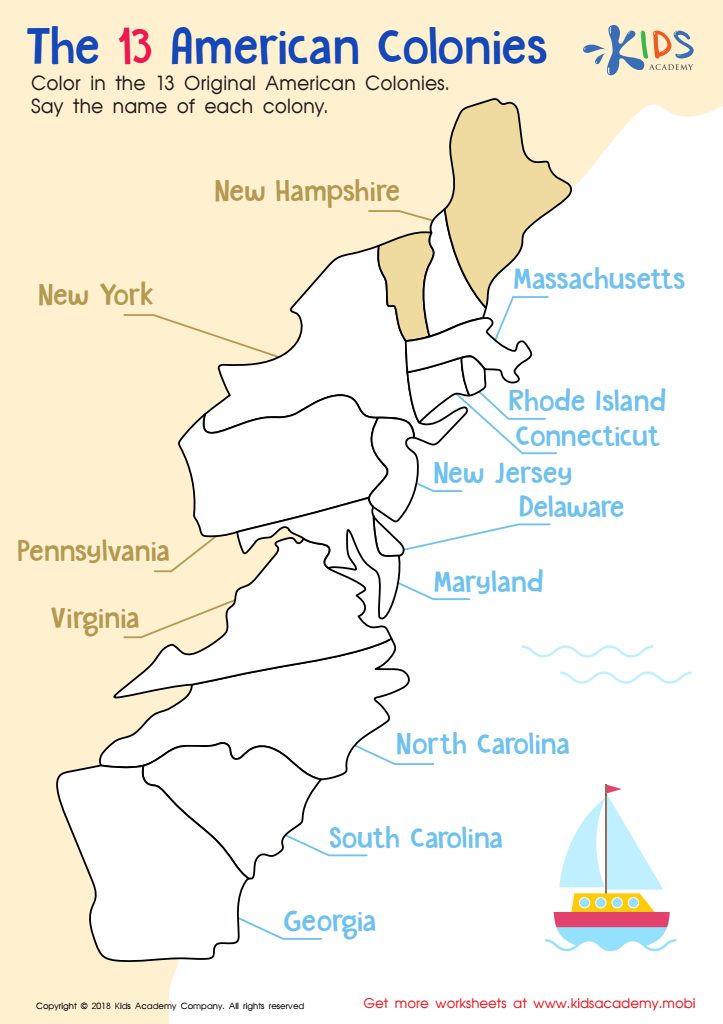
The 13 American Colonies Worksheet
 Assign to My Students
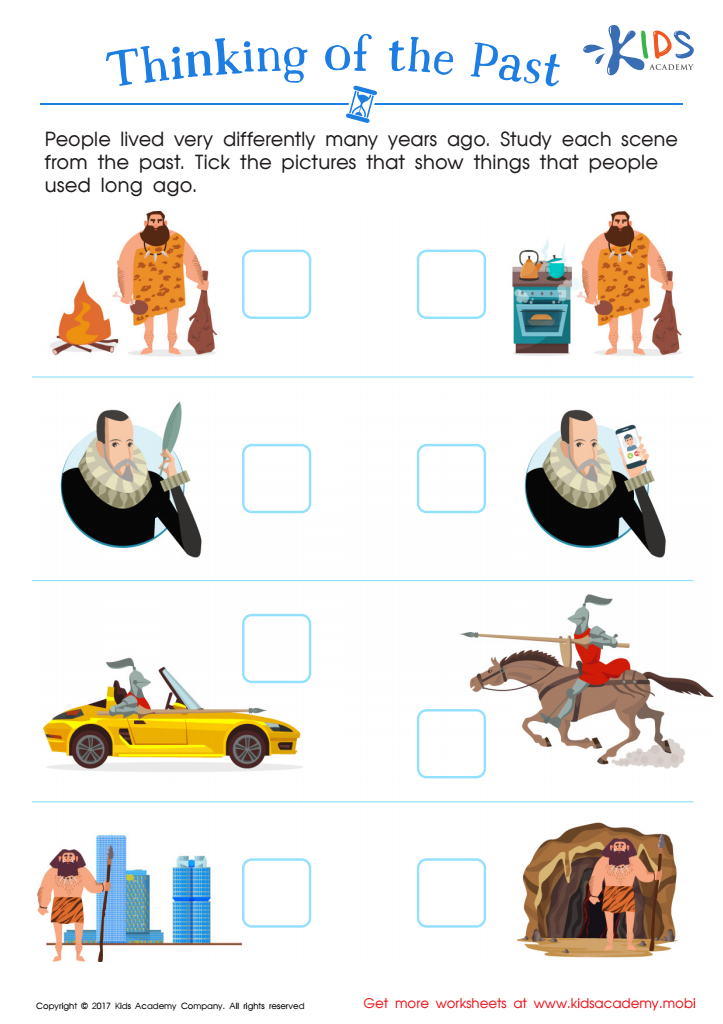
Thinking Past Printable

Thanksgiving Holiday Printable
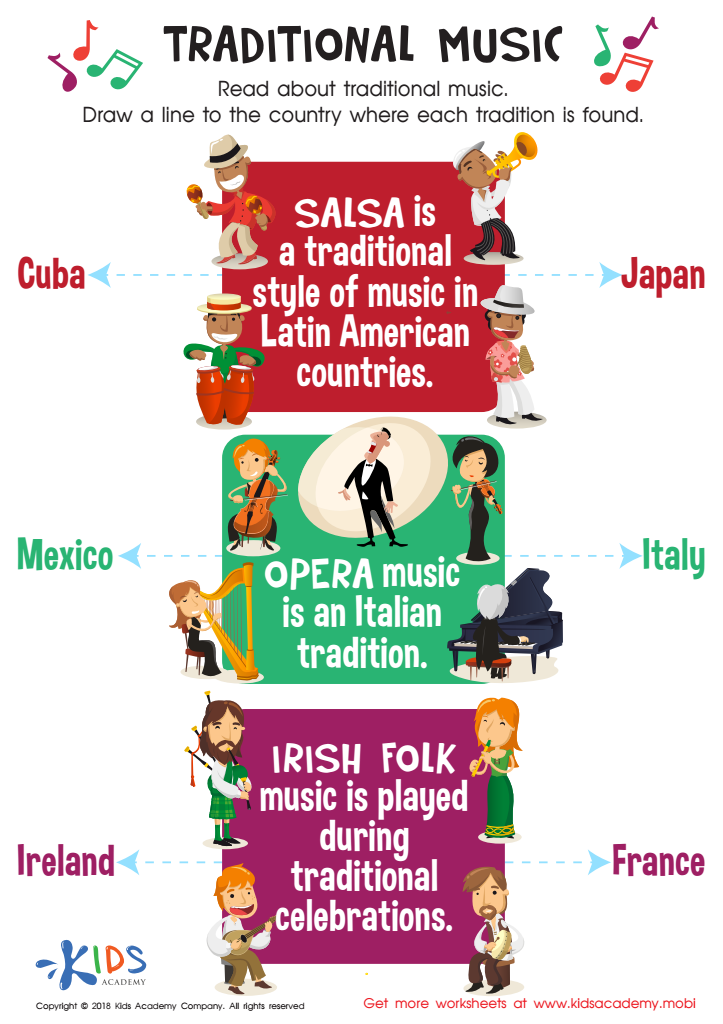
Traditional Music Worksheet








Critical thinking skills are crucial in early childhood education, particularly in the context of normal history for ages 3-6, as they lay the foundation for lifelong learning and informed citizenship. Teaching these young learners to question, analyze, and evaluate information empowers them to make sense of their world. In an era brimming with information, children must learn to discern fact from fiction and develop an understanding of their surroundings.
By integrating critical thinking in history lessons, teachers and parents help children grasp not only facts about the past but also the context and perspectives that shape those events. This cultivates empathy, as children learn to appreciate diverse viewpoints and experiences. Engaging young minds in discussions about historical figures or events fosters curiosity and encourages them to ask "why" and "how," stimulating their cognitive development.
Furthermore, nurturing critical thinking skills promotes creativity and adaptability, preparing children for future academic and personal challenges. It's essential for parents and educators to create environments rich in dialogue and exploration, allowing young learners to express their thoughts and challenge preconceived ideas. Investments in teaching critical thinking in the context of normal history at such an early age yield significant benefits, contributing to emotionally intelligent and capable individuals.