Color Identification Normal Social Studies Worksheets for Ages 3-6
3 filtered results
-
From - To
Explore our Color Identification Normal Social Studies Worksheets specifically designed for children ages 3-6! These vibrant resources engage young learners while enhancing their understanding of colors and social context. This exciting collection encourages children to identify, differentiate, and express colors through interactive activities. Each worksheet focuses on fun and educational themes that foster both color recognition and social awareness, promoting critical thinking and creativity. Perfect for home or classroom use, our worksheets support early childhood development while ensuring learning is enjoyable. Get ready to ignite the passion for learning in your little ones as they embark on this colorful educational journey!

Fireman Worksheet
 Assign to My Students
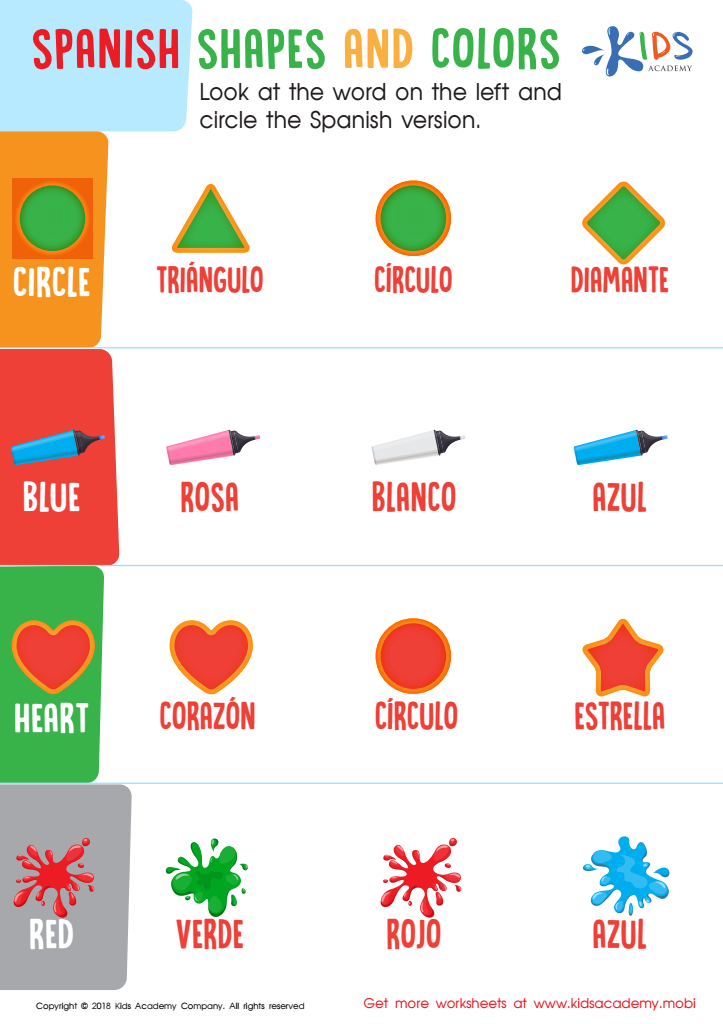
Spanish Shapes and Colors Worksheet
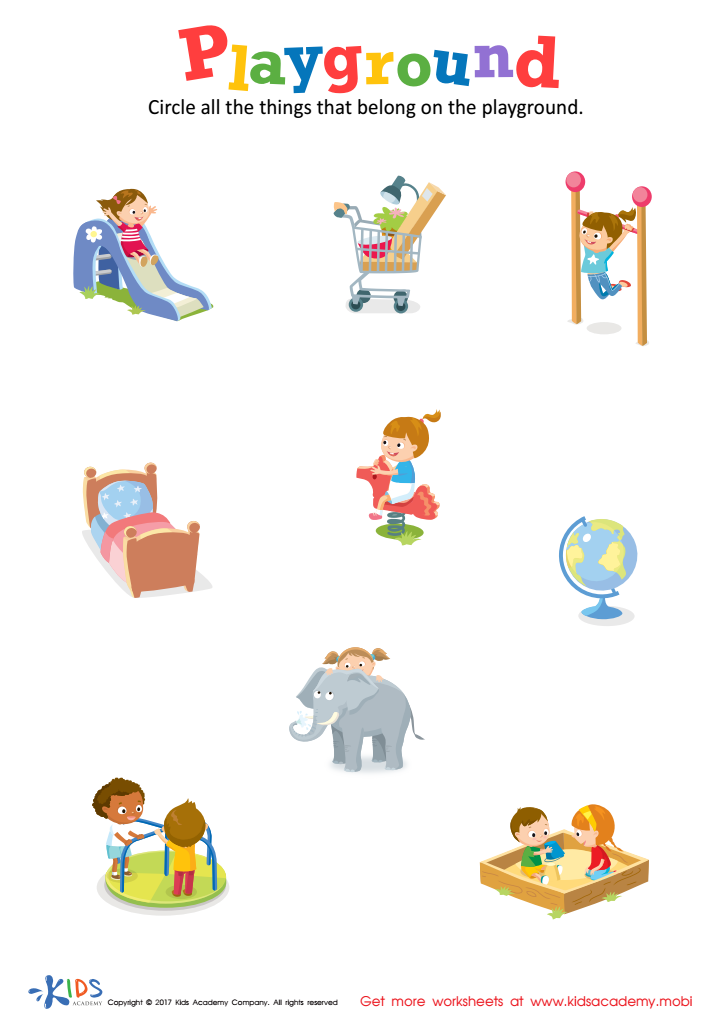
Playground Worksheet




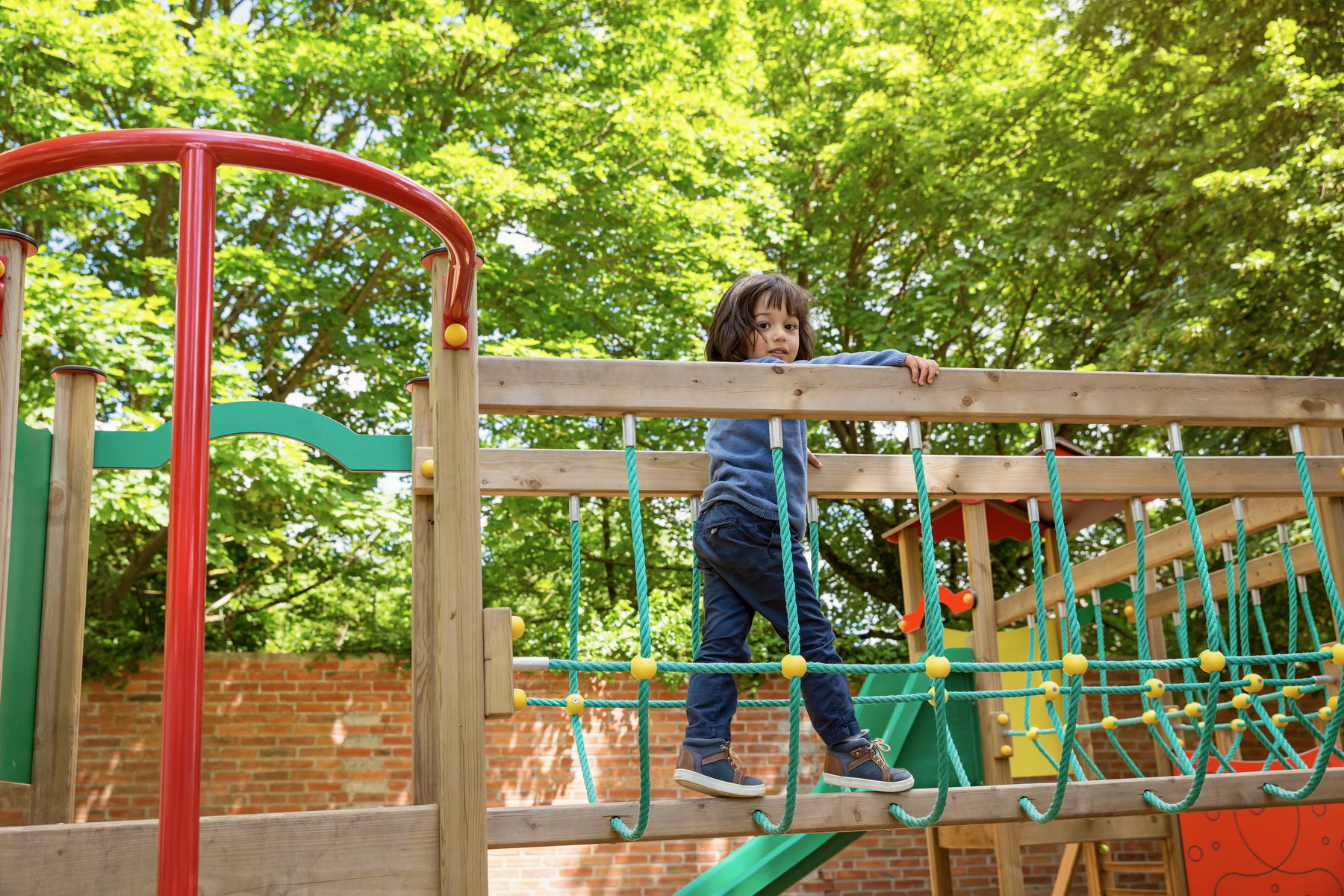



Color identification is a foundational skill in early childhood education, particularly for children aged 3-6. Parents and teachers should prioritize this aspect of learning because it significantly contributes to children's cognitive and social development. Knowing colors helps young learners categorize and make sense of their environment, fostering critical thinking and observational skills. For instance, when children identify colors in everyday objects, they enhance their vocabulary, improve their language skills, and gain confidence in their ability to describe the world around them.
Moreover, learning colors nurtures social interactions. Children often engage in activities that involve colors, such as drawing or playing with blocks, which not only facilitates cooperative play but also encourages communication and collaboration among peers. Through these interactions, children develop vital social skills, including sharing, taking turns, and expressing their preferences.
Incorporating color identification into social studies also enriches cultural awareness, as different cultures may associate specific meanings with colors. By teaching young learners about these differences, educators can promote diversity and inclusivity from an early age. Ultimately, fostering color awareness helps build a well-rounded foundation for further educational exploration and interpersonal skills, making it crucial for parents and teachers to take an active role in this learning journey.