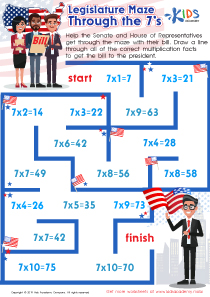
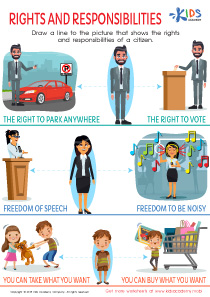
Shape Recognition Normal Social Studies Worksheets for Ages 3-6
4 filtered results
-
From - To
"Shape Recognition Normal Social Studies Worksheets for Ages 3-6" are designed to nurture early learning in young minds. These printable resources by Kids Academy help children distinguish and identify different shapes while fostering essential cognitive skills. Each worksheet combines playful activities with educational tasks, promoting shape recognition in a familiar social studies context. Our age-appropriate worksheets engage children in interactive learning, supporting their developmental milestones. Perfect for parents and educators, these worksheets are easy to use and ensure that learning is a fun and productive experience for kids aged 3-6. Explore and download at Kids Academy!
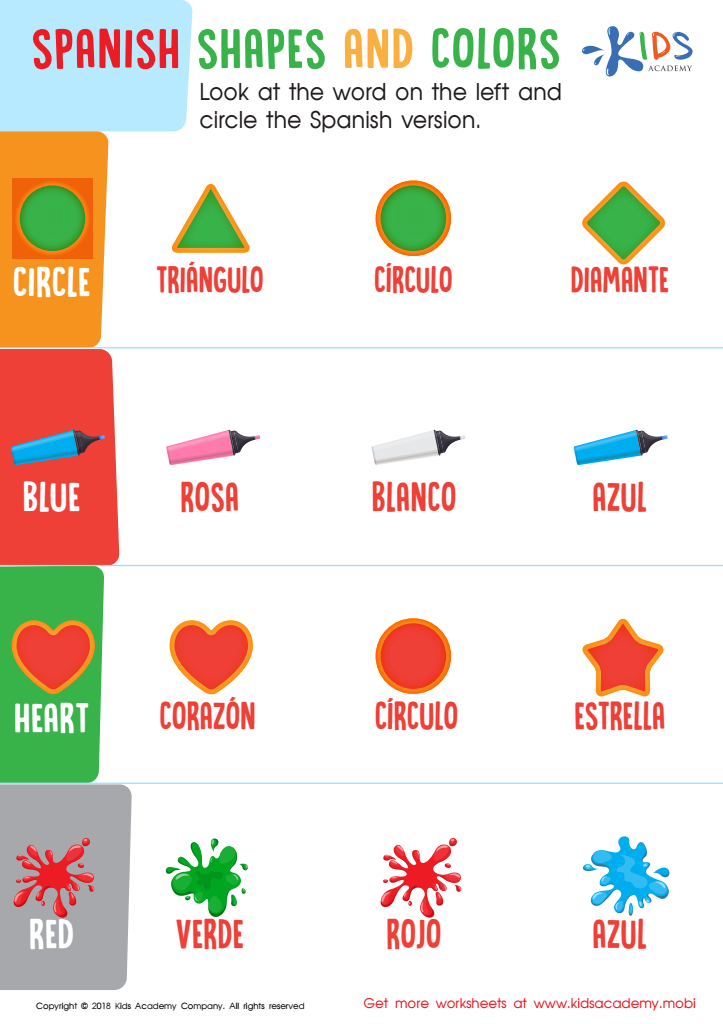
Spanish Shapes and Colors Worksheet
 Assign to My Students
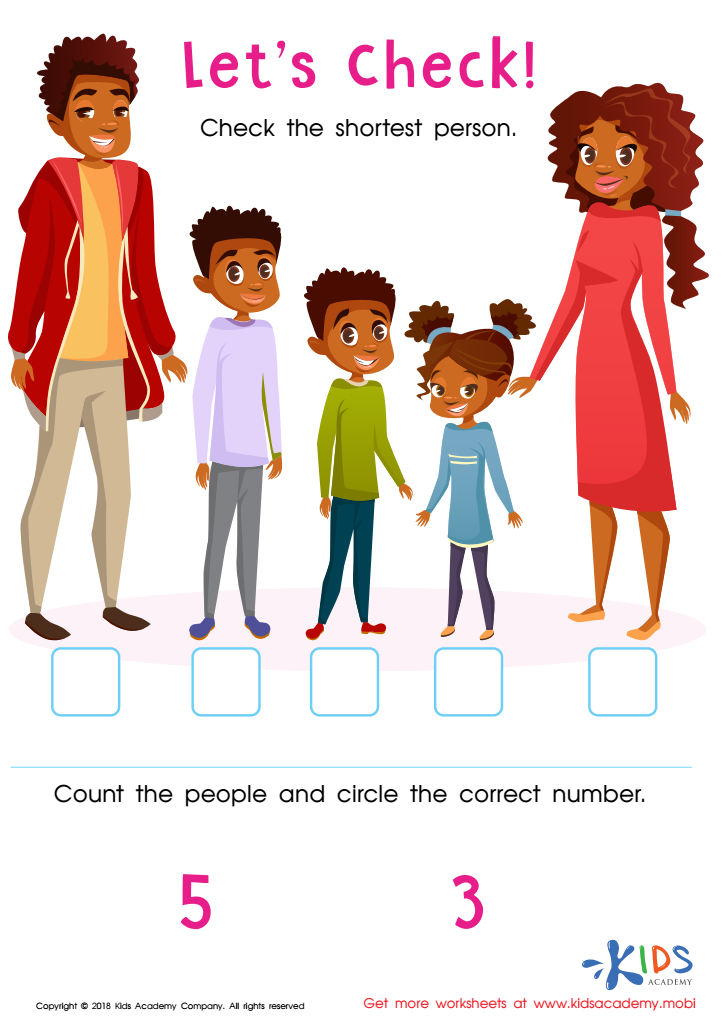
Let's Check! Assessment Worksheet
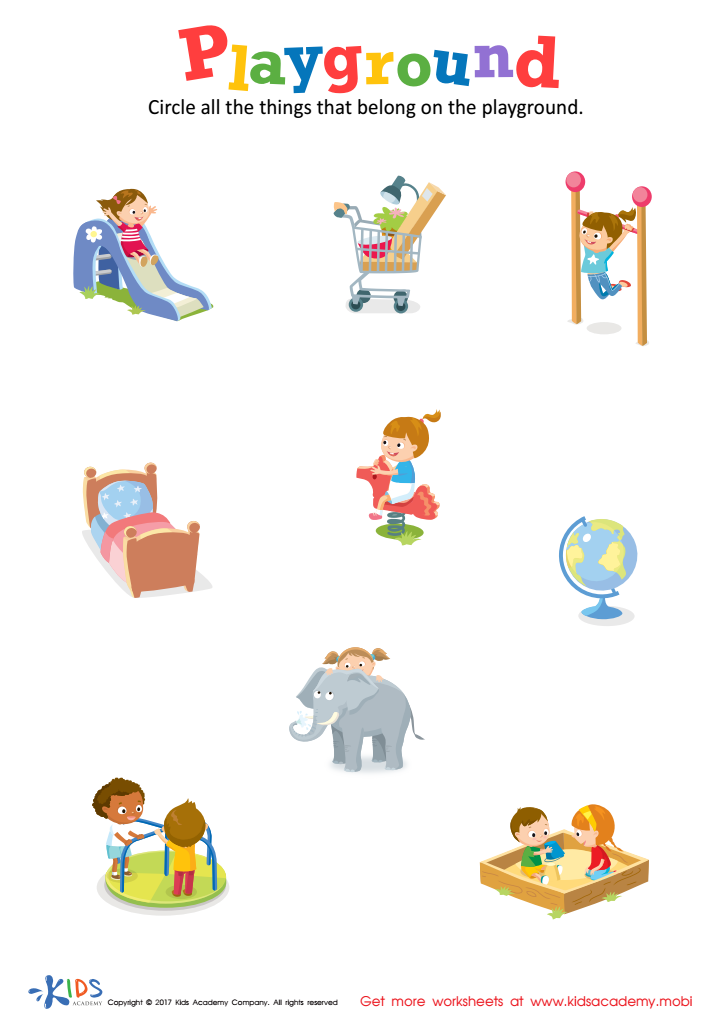
Playground Worksheet
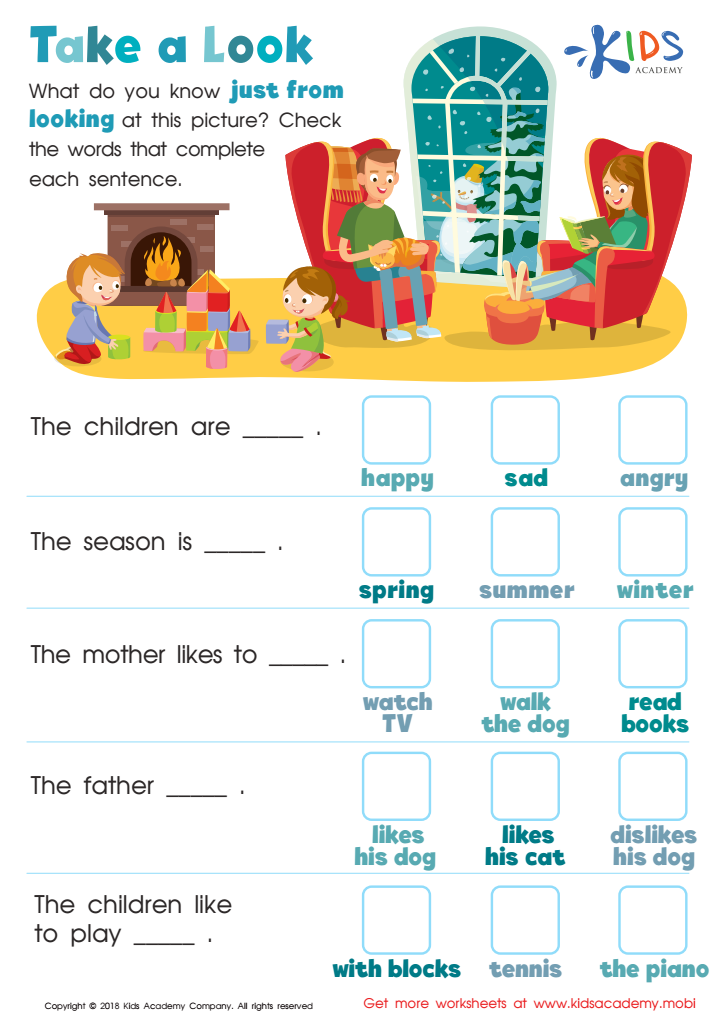
Take a Look - Part 1 Worksheet






.jpg)

Shape recognition and normal social studies for children aged 3-6 play pivotal roles in early childhood education, serving as foundational elements for academic and social development.
Firstly, shape recognition enhances cognitive skills. Understanding and identifying different shapes help children develop spatial awareness, which is a critical precursor to skills in subjects like mathematics and geometry. Recognizing shapes enables kids to categorize and compare objects, boosting their problem-solving and analytical thinking capabilities.
Moreover, early exposure to such cognitive tasks fosters language development. When children describe and discuss shapes, they enrich their vocabulary and communication skills, setting a groundwork for literacy.
Normal social studies for young children introduce fundamental concepts about their community and the world. Learning about basic societal structures, roles, and relationships helps children develop social skills. For instance, understanding the concept of community helpers promotes empathy and cooperative behavior.
Additionally, these lessons nurture cultural awareness and respect. Children learn to appreciate diversity by being exposed to different traditions, holidays, and customs. Such early lessons in acceptance and tolerance are crucial in our increasingly multicultural societies.
Thus, investing in shape recognition and normal social studies is vital. It not only builds cognitive abilities but also fosters social and emotional growth, laying a holistic foundation for future learning and interaction.