Vocabulary development Normal Social Studies Worksheets for Ages 3-6
5 filtered results
-
From - To
Enhance your child's vocabulary with our engaging Social Studies worksheets designed for ages 3-6. These developmentally appropriate resources focus on essential vocabulary related to community, geography, family, and cultural concepts, while fostering critical thinking and comprehension skills. Our printable worksheets feature colorful illustrations and interactive activities to keep young learners motivated and excited about learning. By focusing on vocabulary development through social studies themes, children can build a strong foundation in language skills, making connections to the world around them. Encourage curiosity, promote understanding, and spark meaningful conversations with these fun and educational worksheets tailored specifically for early learners!
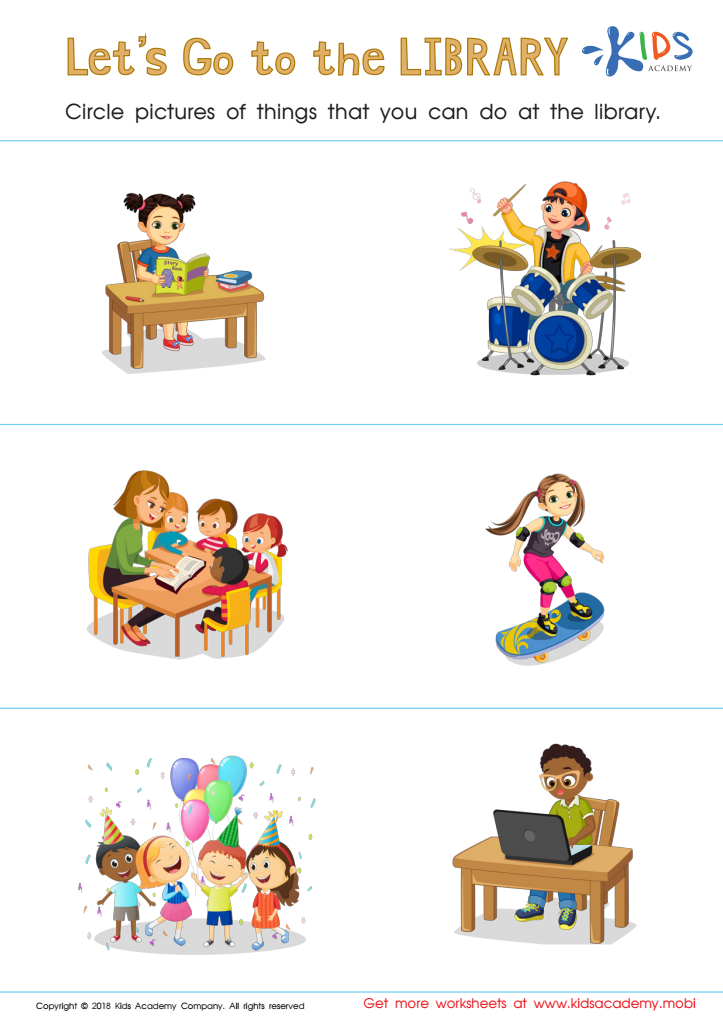
Let's Go to the Library! Worksheet
 Assign to My Students
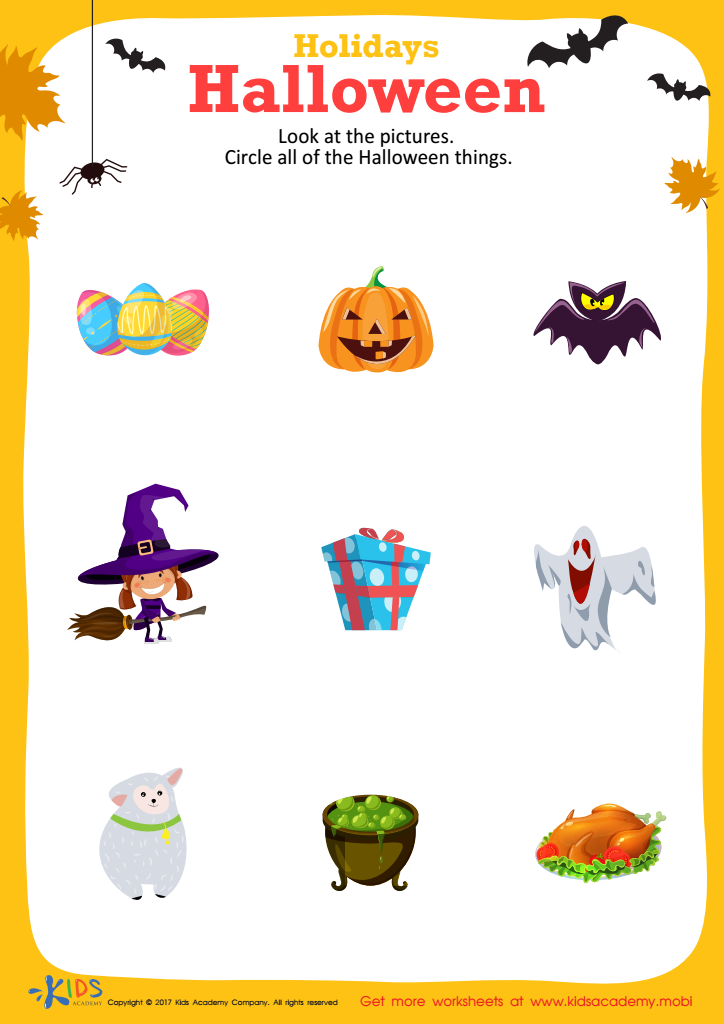
Halloween Holiday Worksheet
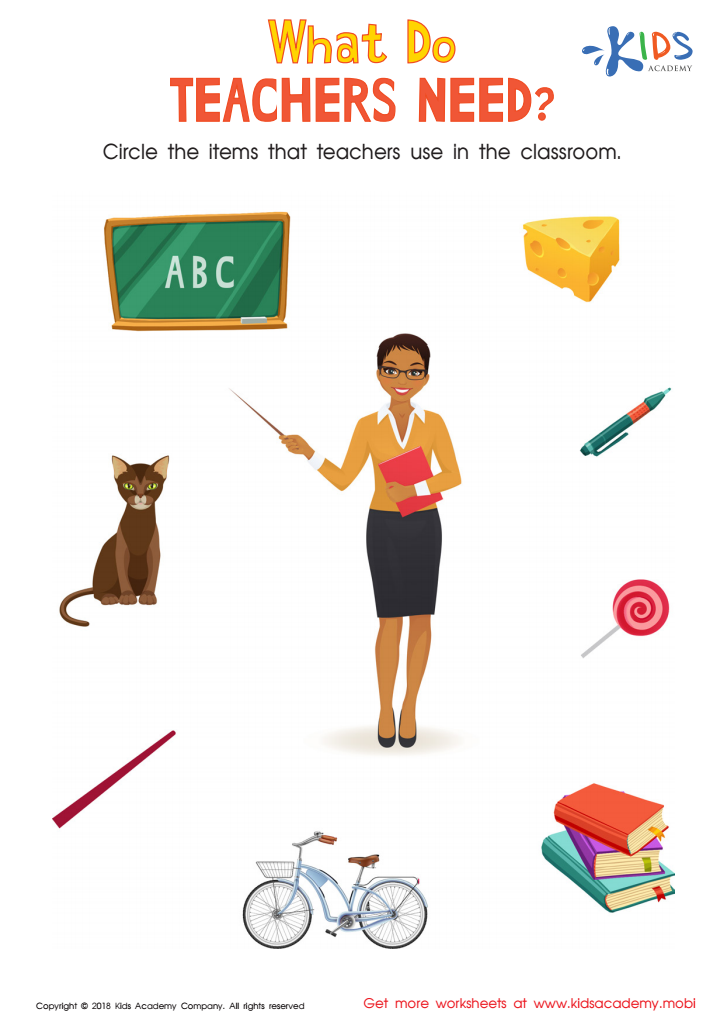
What Do Teachers Need Worksheet
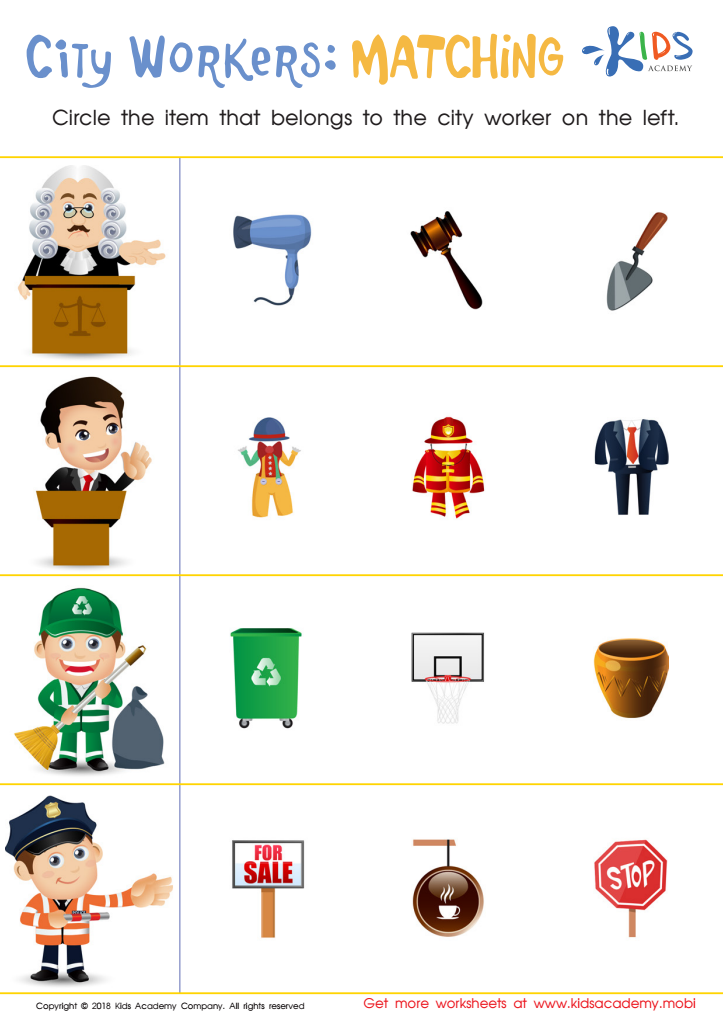
City Workers: Matching Worksheet
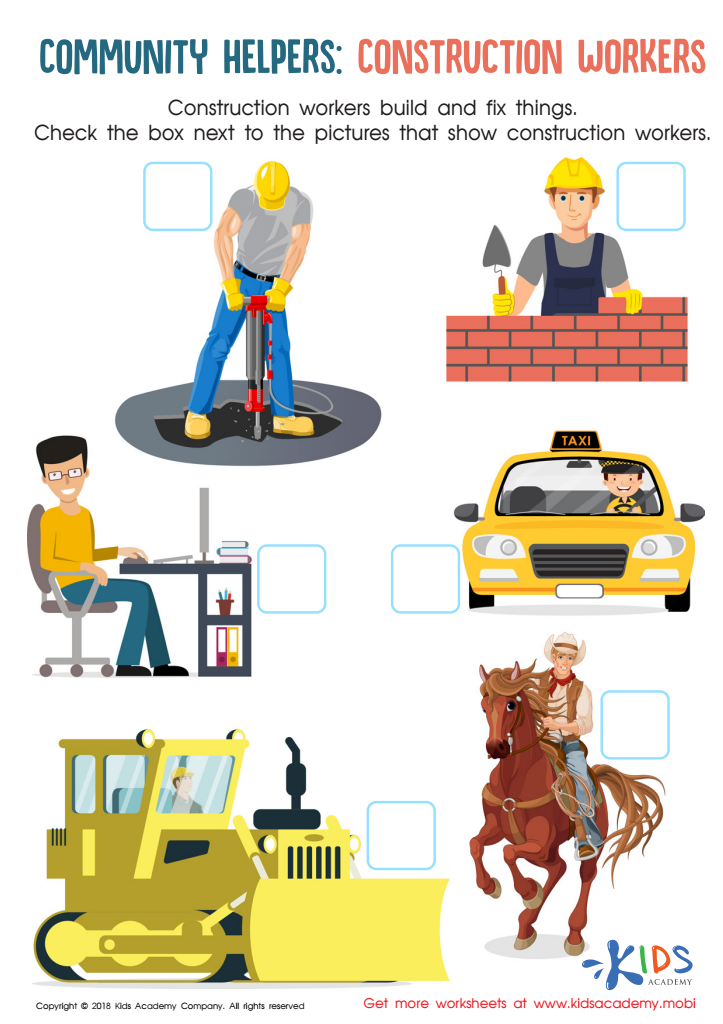
Construction Workers Community Helpers Worksheet








Vocabulary development is crucial for children aged 3-6, particularly within the context of social studies. This formative stage in education lays the groundwork for a child’s understanding of the world and their place within it. Parents and teachers should prioritize vocabulary expansion because it directly influences a child’s ability to communicate, comprehend social concepts, and engage with others.
Young children are naturally curious about their surroundings, and social studies encourages them to explore themes like community, family, culture, and geography. By enriching their vocabulary related to these topics, we facilitate deeper discussions and thoughtful participation in key topics, helping children understand diverse perspectives and social structures. Moreover, a strong vocabulary aids literacy development and academic success across subjects.
Teaching rich vocabulary allows educators to scaffold learning experiences, making complex ideas more accessible. When children can articulate their thoughts and feelings, they are more likely to form strong relationships with their peers and adults, fostering social-emotional development. Overall, vocabulary development in social studies not only shapes informed, articulate individuals but also cultivates empathetic citizens who can positively contribute to their communities. Therefore, supporting vocabulary growth should be a shared priority among parents and teachers alike.








