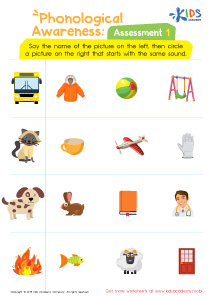
Phonics practice Normal Consonants Worksheets for Ages 3-7
5 filtered results
-
From - To
Boost your child's reading skills with our "Phonics Practice Normal Consonants Worksheets" designed for ages 3-7! Perfect for early learners, these interactive worksheets foster phonemic awareness by focusing on consonant sounds essential for reading and writing readiness. Each worksheet includes engaging activities that stimulate learning through play, making phonics practice enjoyable and effective. Whether at home or in the classroom, teachers and parents will find these resources valuable for building strong foundational skills. With vibrant illustrations and clear instructions, kids will develop confidence in their literacy abilities while exploring the world of consonants. Start your child's phonics journey today!
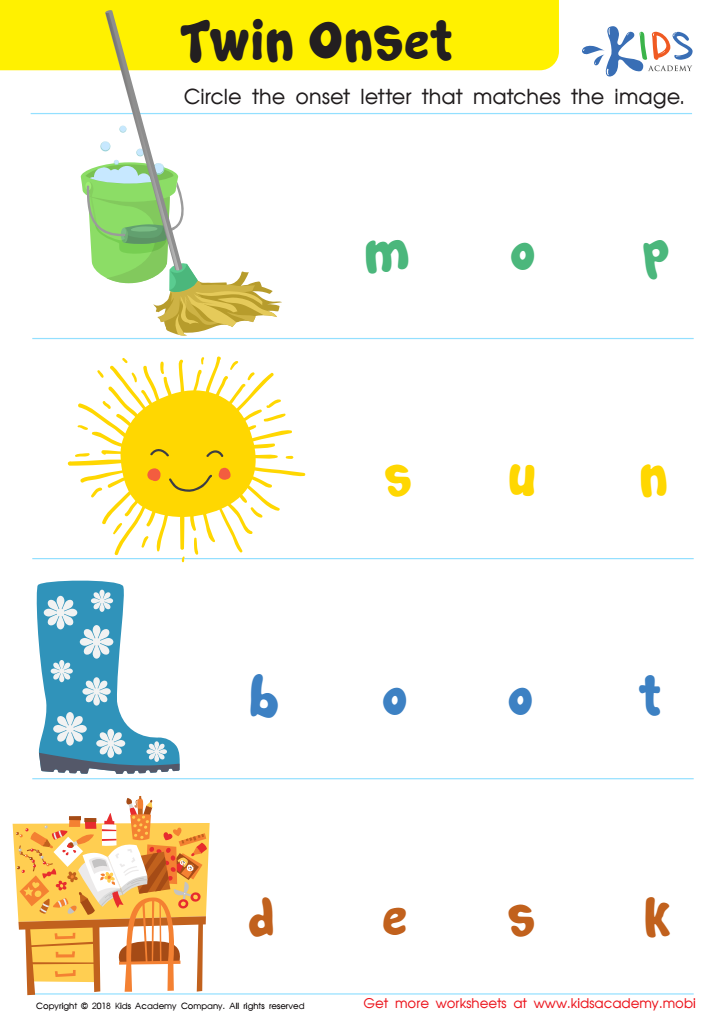
Twin Onset Worksheet
 Assign to My Students
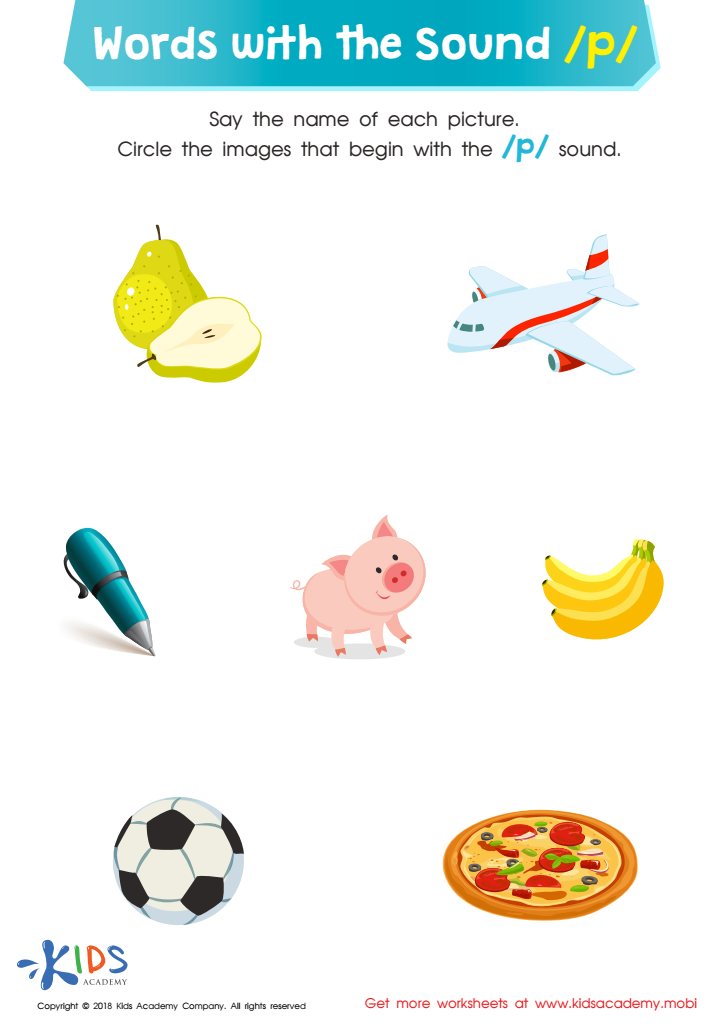
Words with sound p Reading Worksheet
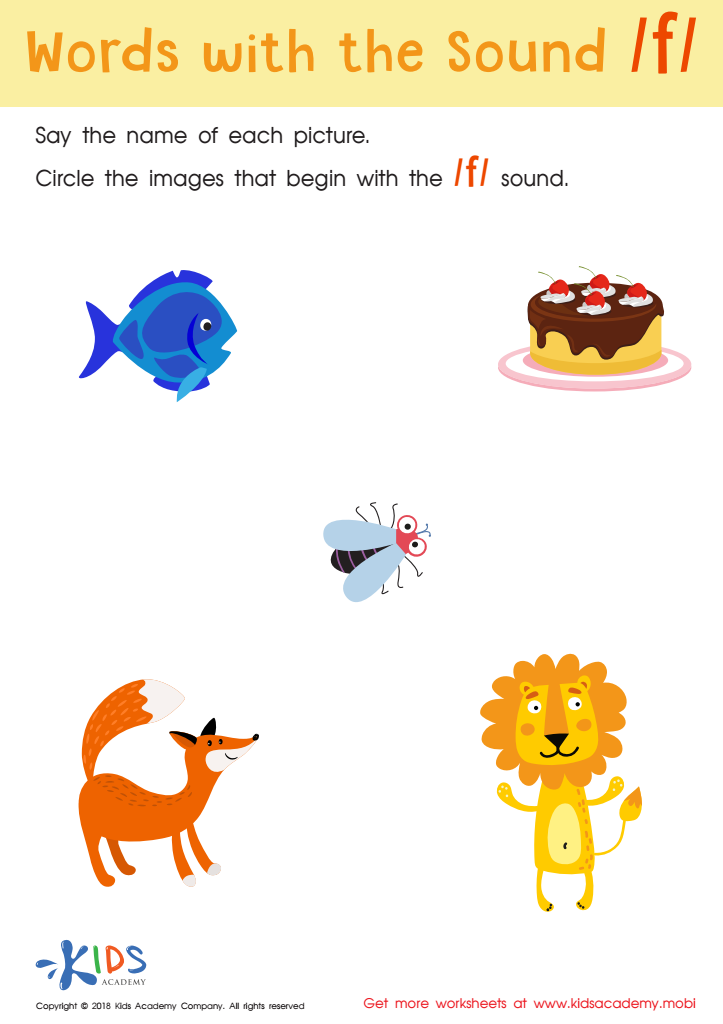
Words with sound f Reading Worksheet
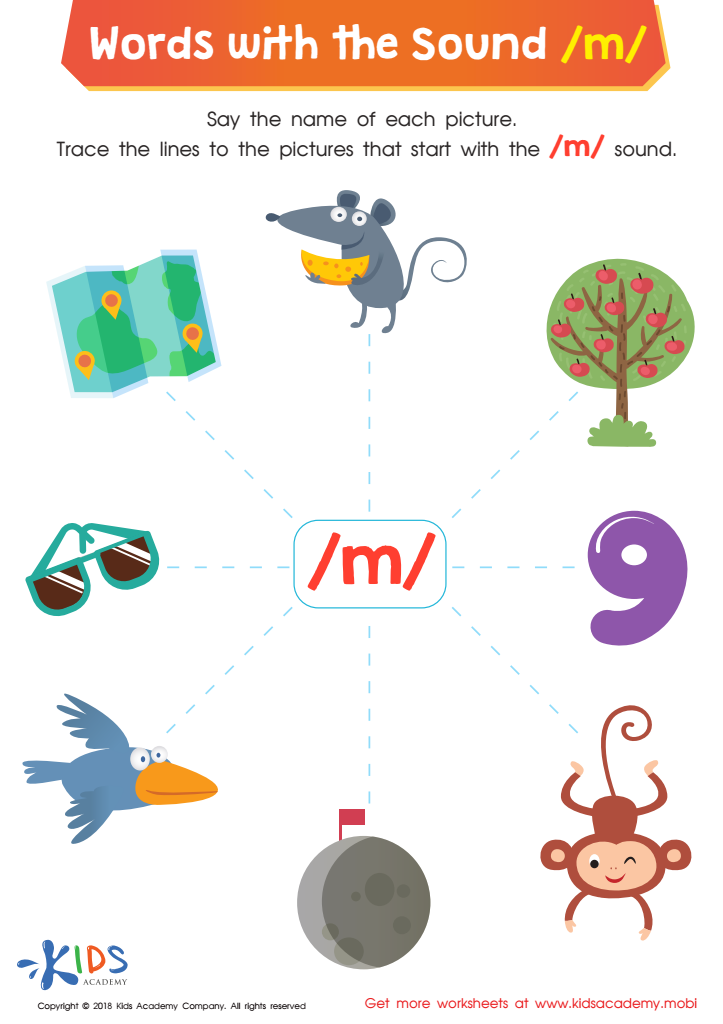
Words with Sound M Reading Worksheet
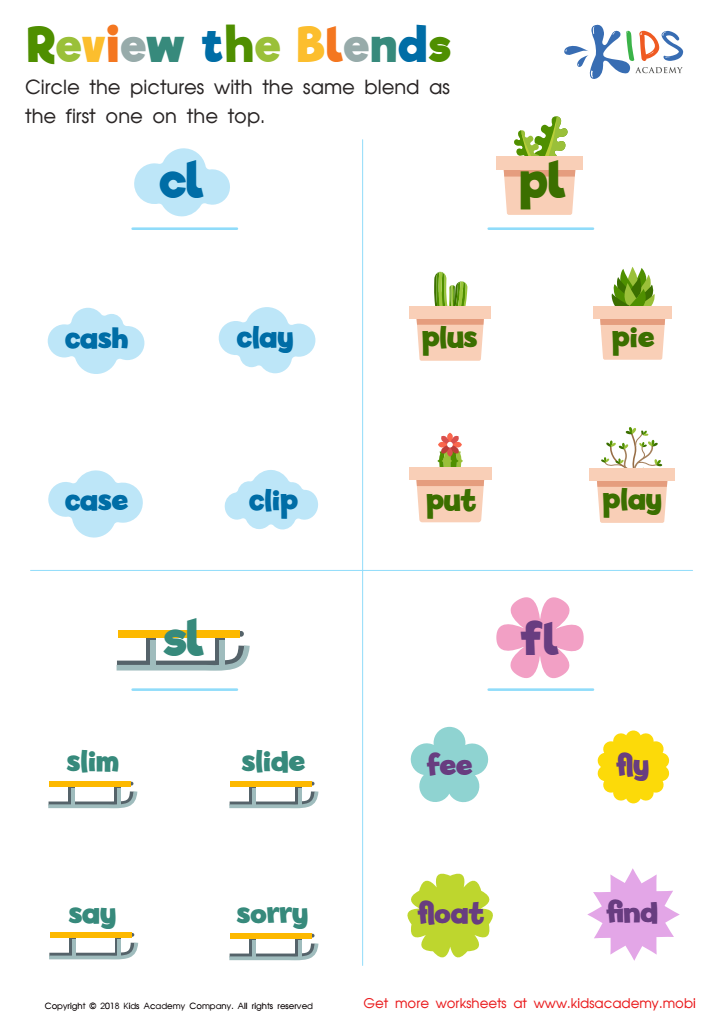
Review the Blends Worksheet



Phonics practice, particularly focusing on normal consonants, is crucial for children aged 3-7 as it lays the foundation for literacy skills. During these formative years, children are beginning to develop their understanding of language, and phonics helps them connect sounds with letters, fostering their ability to decode words. By learning normal consonants, children enhance their phonemic awareness, which is essential for reading development.
Understanding phonics improves vocabulary retention and language comprehension, enabling children to express themselves clearly. With a solid foundation in consonant sounds, learners gain confidence as they advance in reading and spelling, essential skills for academic success. Early mastery of phonics can prevent future reading difficulties, making it easier for them to grasp more complex language structures later on.
Moreover, engaging parents and teachers in phonics practice helps create a cohesive learning environment. When caregivers and educators collaborate, children receive consistent reinforcement of skills, making learning enjoyable and effective. By prioritizing phonics practice, adults can significantly influence children's literacy trajectories, nurturing a lifelong love for reading and communication. This investment in phonics contributes not only to academic achievement but also to overall cognitive and emotional development.