Phonics recognition Normal Alphabet Worksheets for Ages 3-7
12 filtered results
-
From - To
Welcome to our phonics recognition worksheets, designed specifically for young learners aged 3-7! These engaging and interactive activities help children build essential foundational skills by focusing on normal alphabet recognition. Each worksheet includes fun exercises that encourage letter identification, sound association, and early reading readiness. With vibrant visuals and age-appropriate content, your child will enjoy learning while developing critical phonics skills. Whether at home or in the classroom, these worksheets provide a valuable resource for nurturing literacy. Explore our collection today and watch your child's confidence in reading blossom! Perfect for parents and educators aiming to support early literacy development.
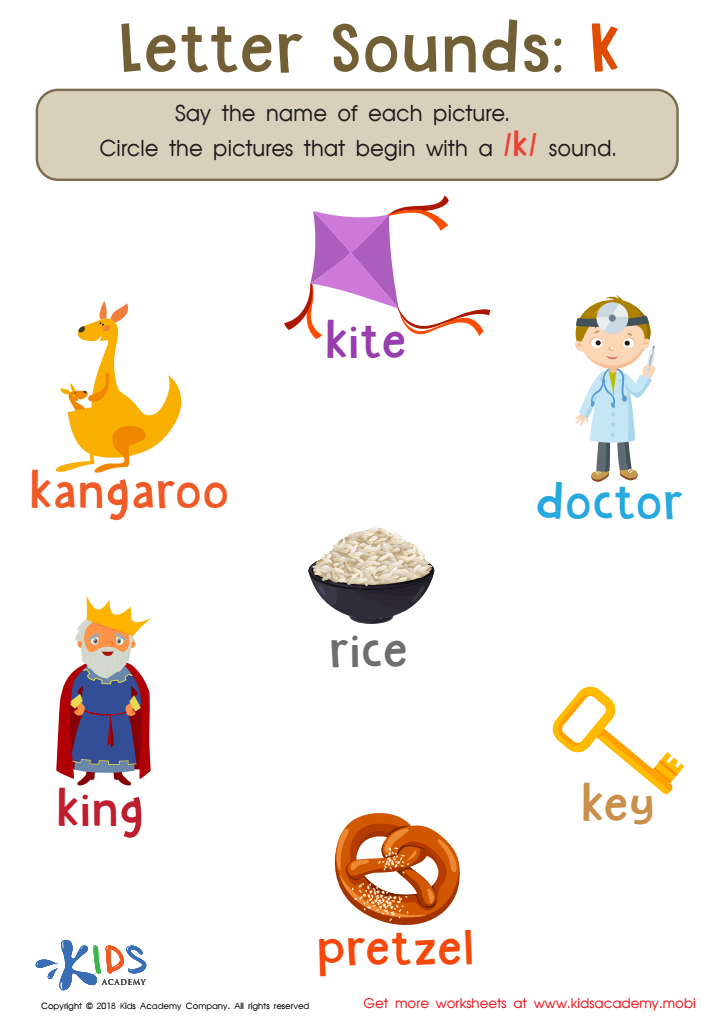
Letter K Sounds Worksheet
 Assign to My Students
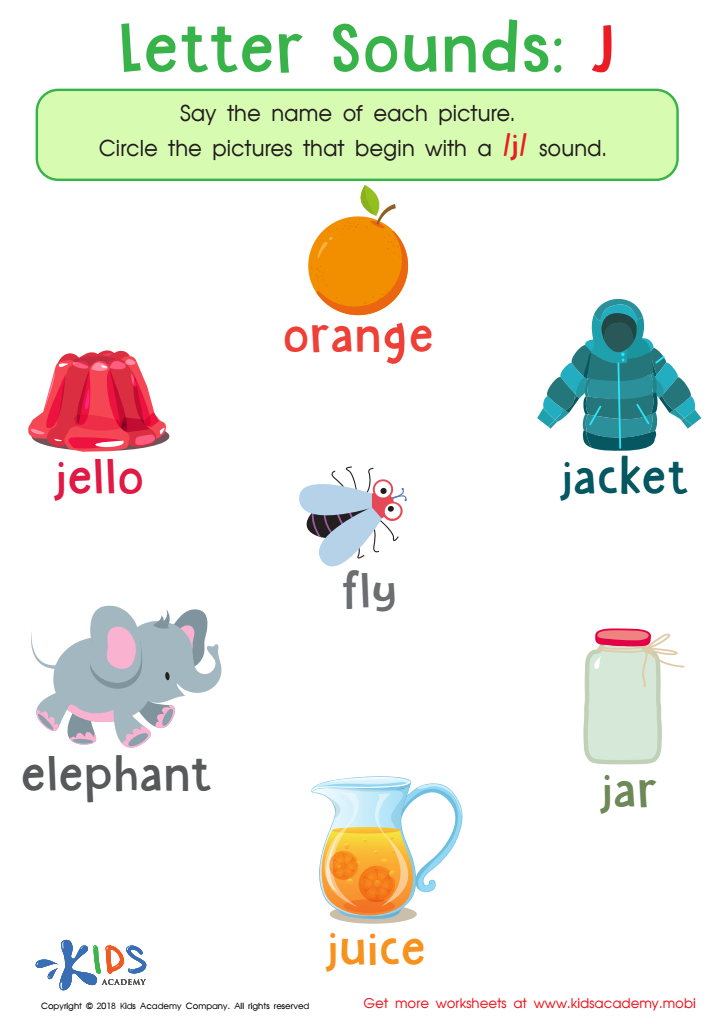
Letter Sounds: J Printable Worksheet
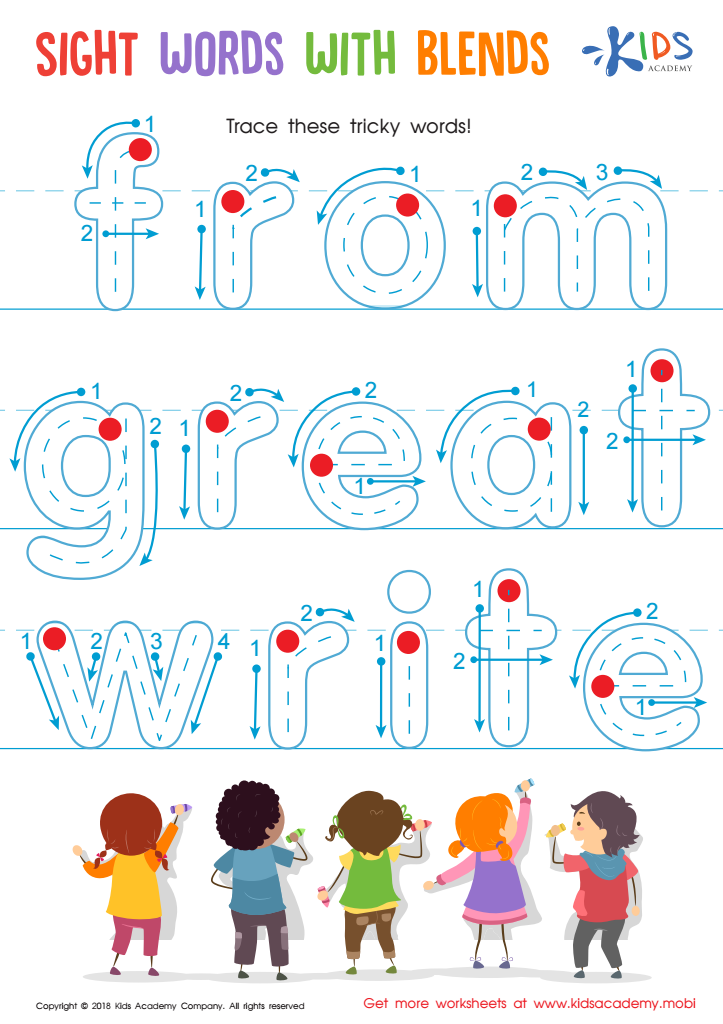
Sight Words with Blends Worksheet
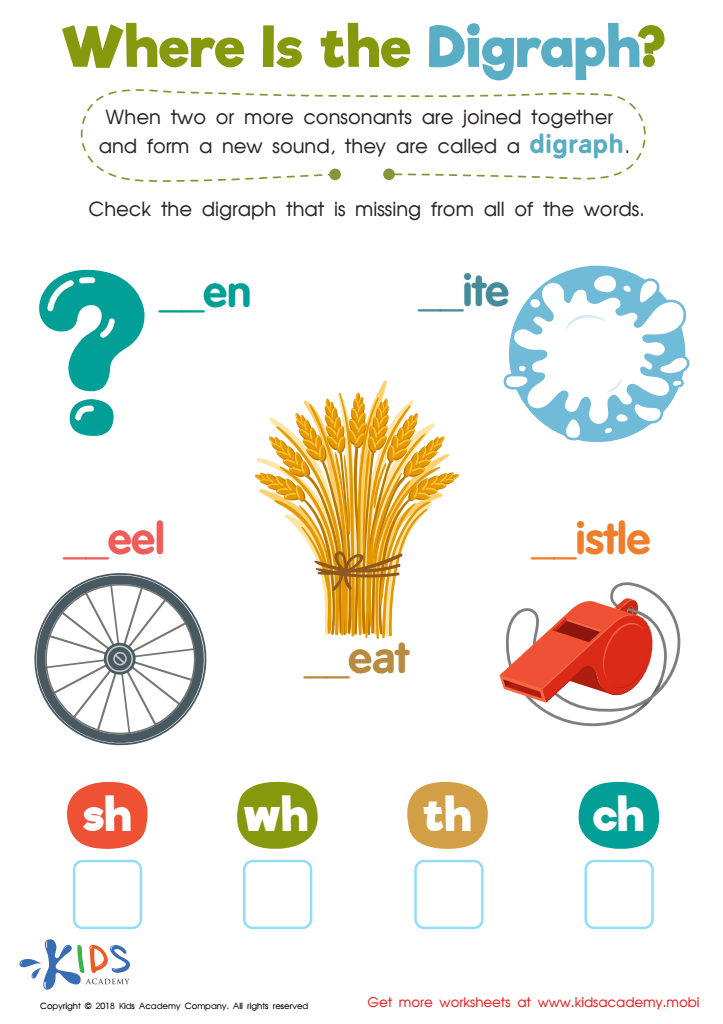
Where Is the Digraph? Worksheet
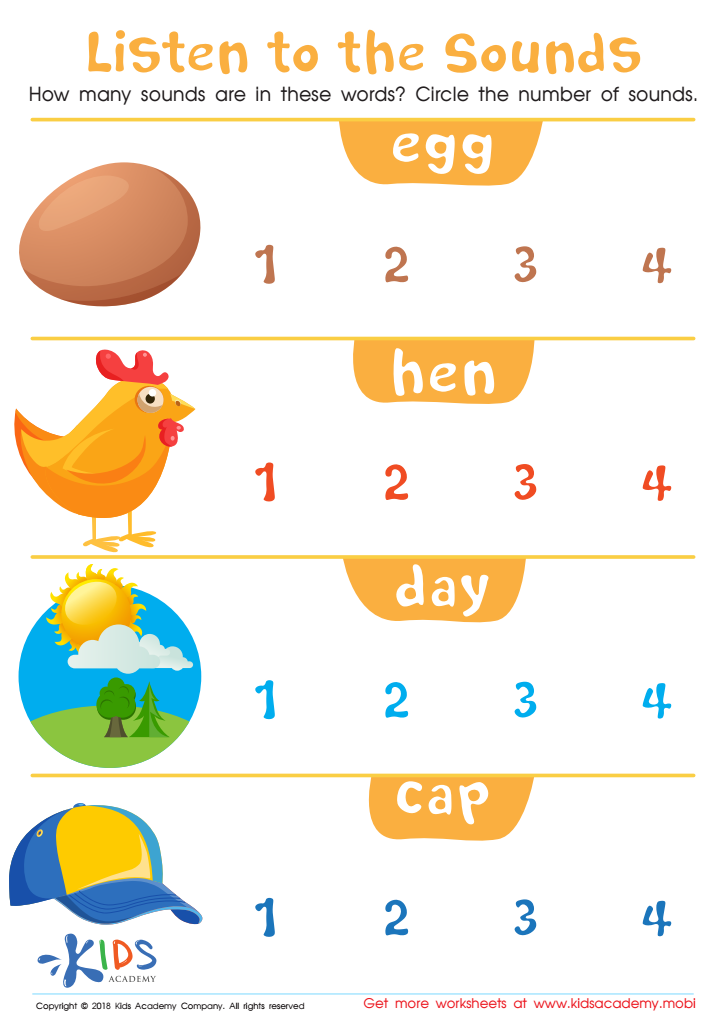
Listen to the Sounds Worksheet
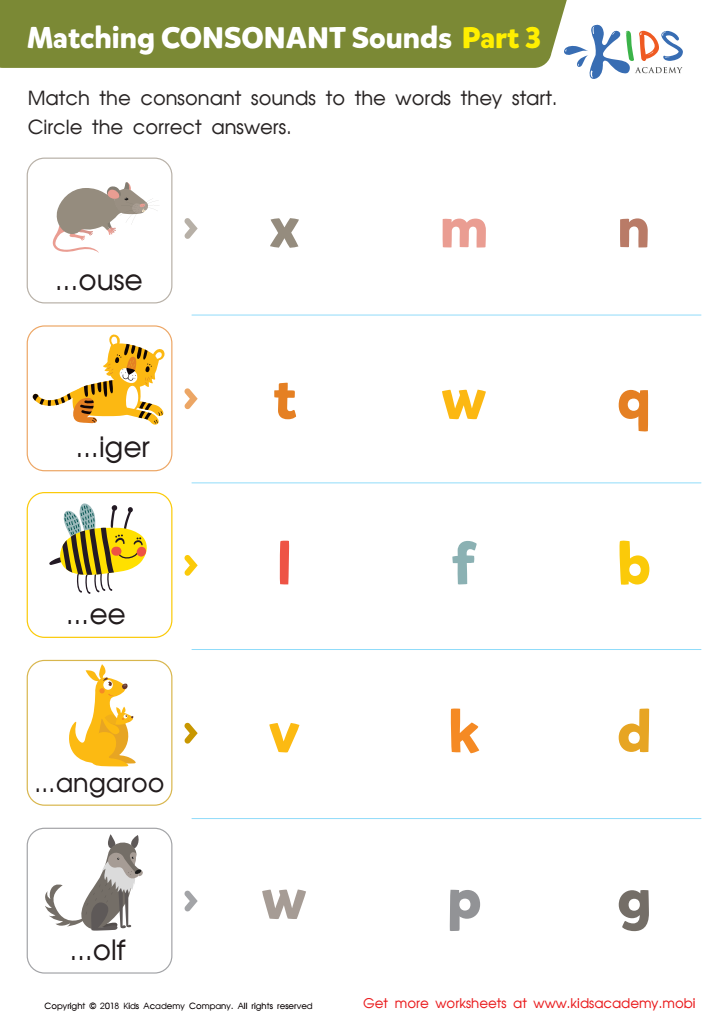
Matching Consonant Sounds: Part 3 Worksheet
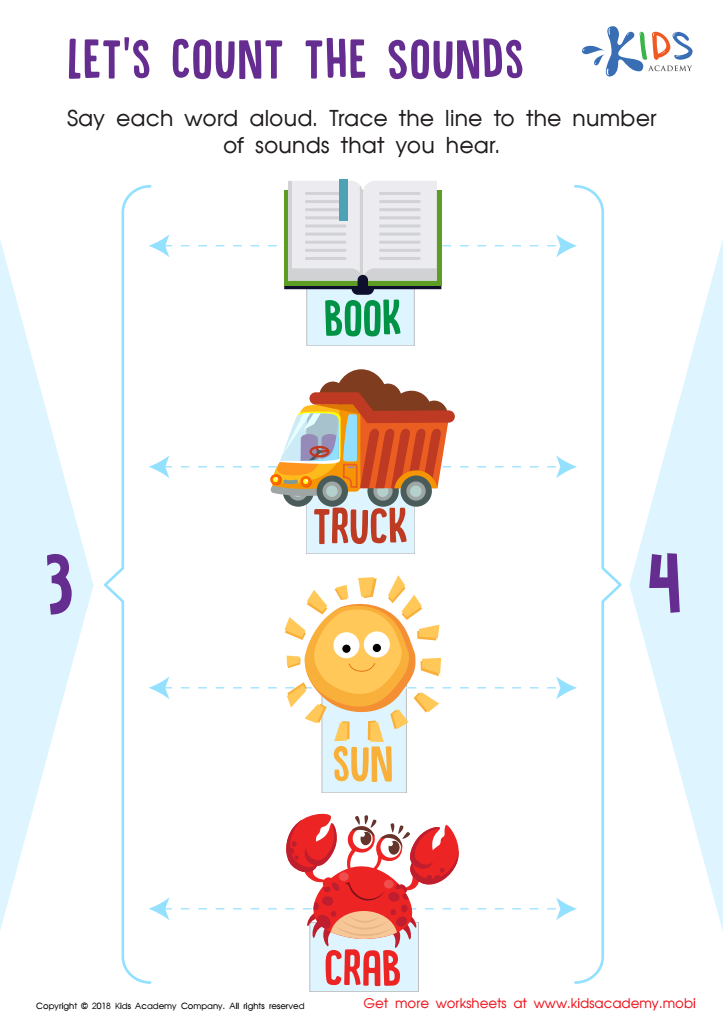
Let's Count the Sounds Worksheet
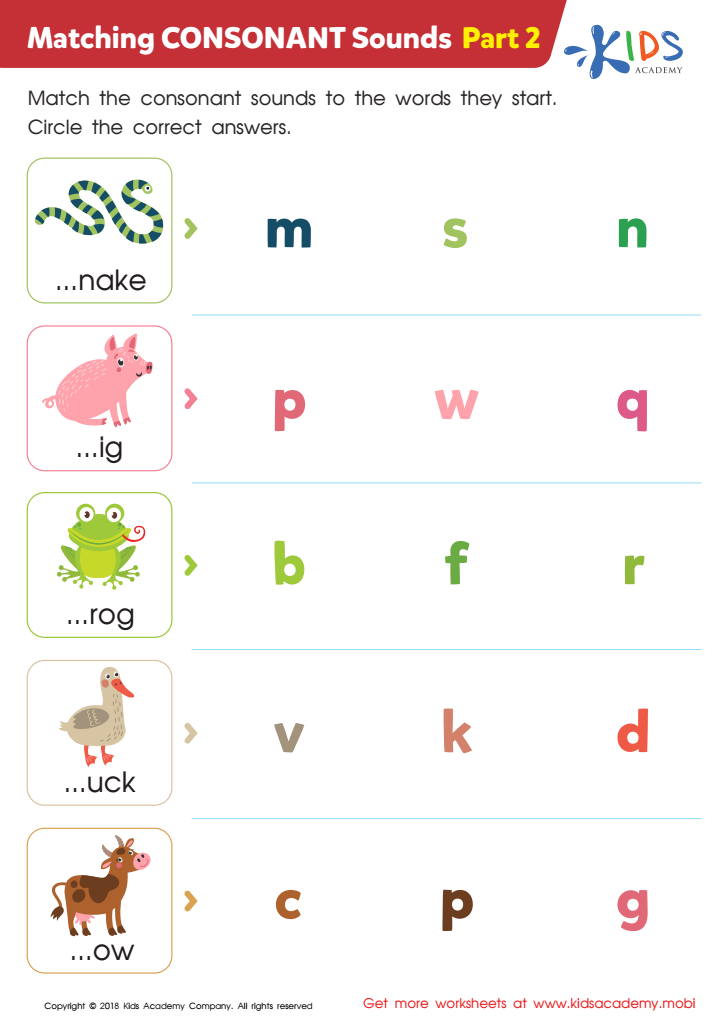
Matching Consonant Sounds: Part 2 Worksheet
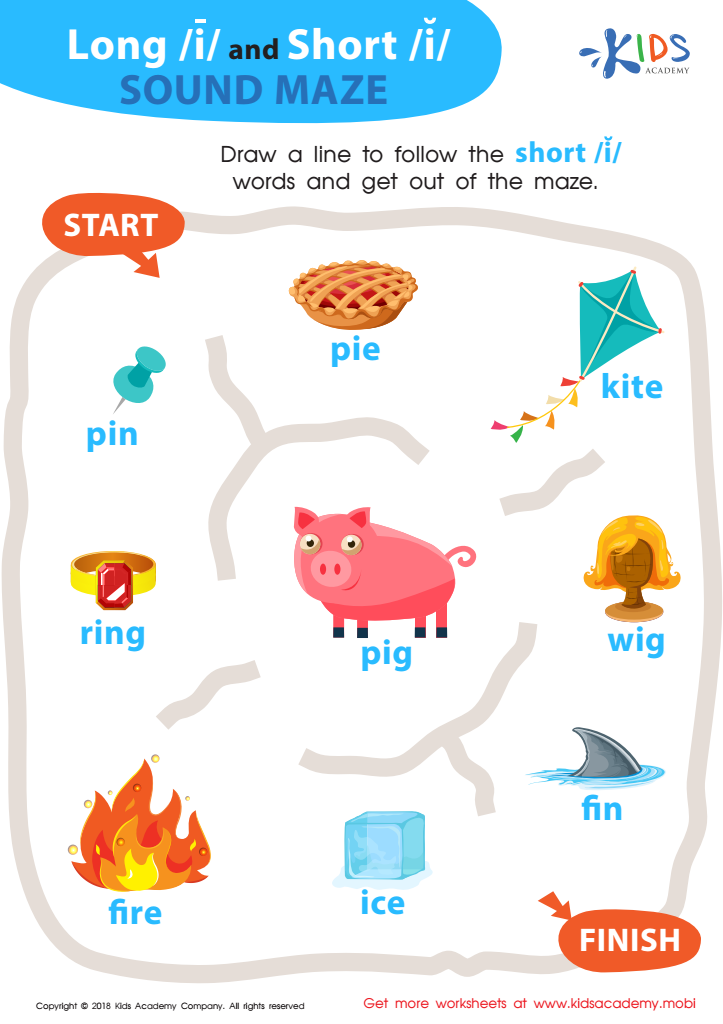
Reading: Long I and Short I Sound Maze Worksheet
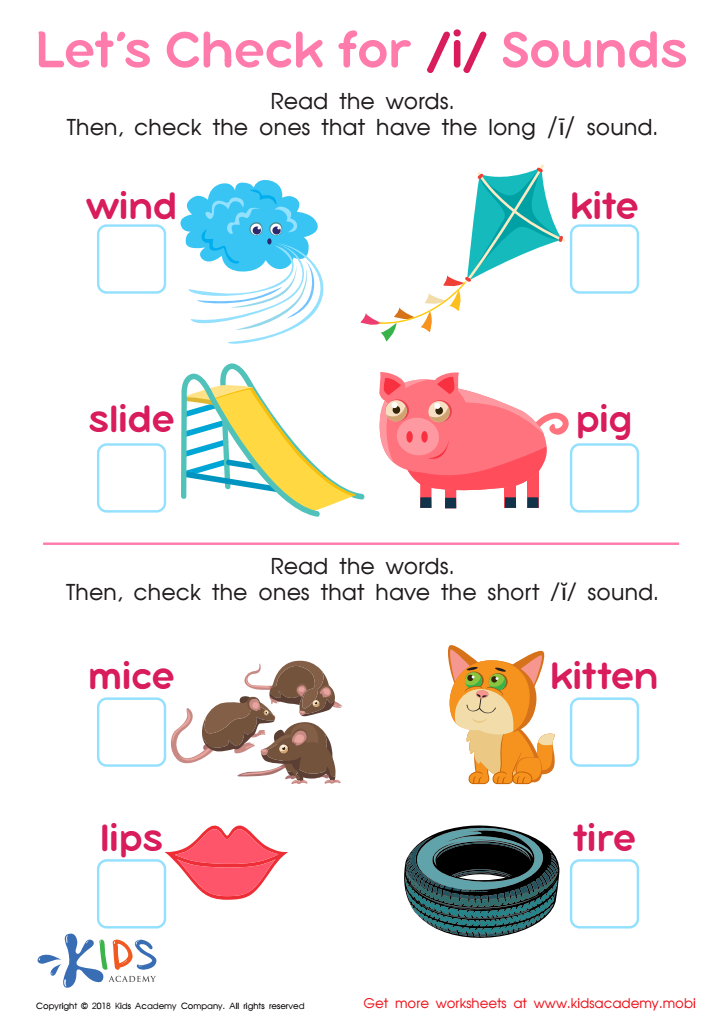
Let's Check for «i» Sounds Worksheet
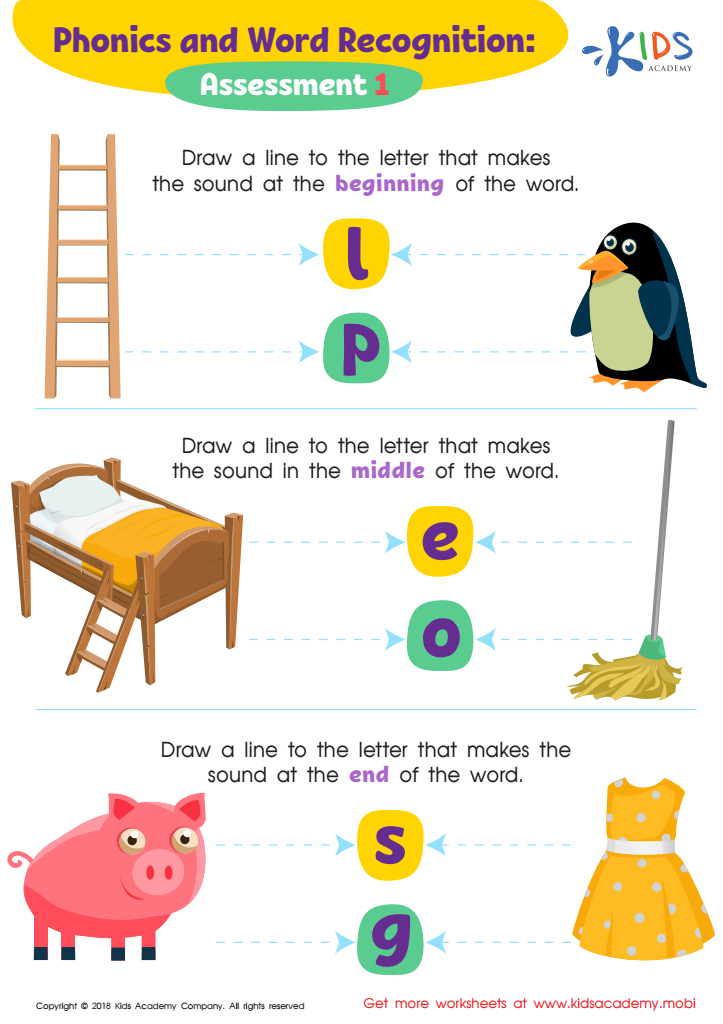
Phonics and Word Recognition: Assessment 1 ELA Worksheet
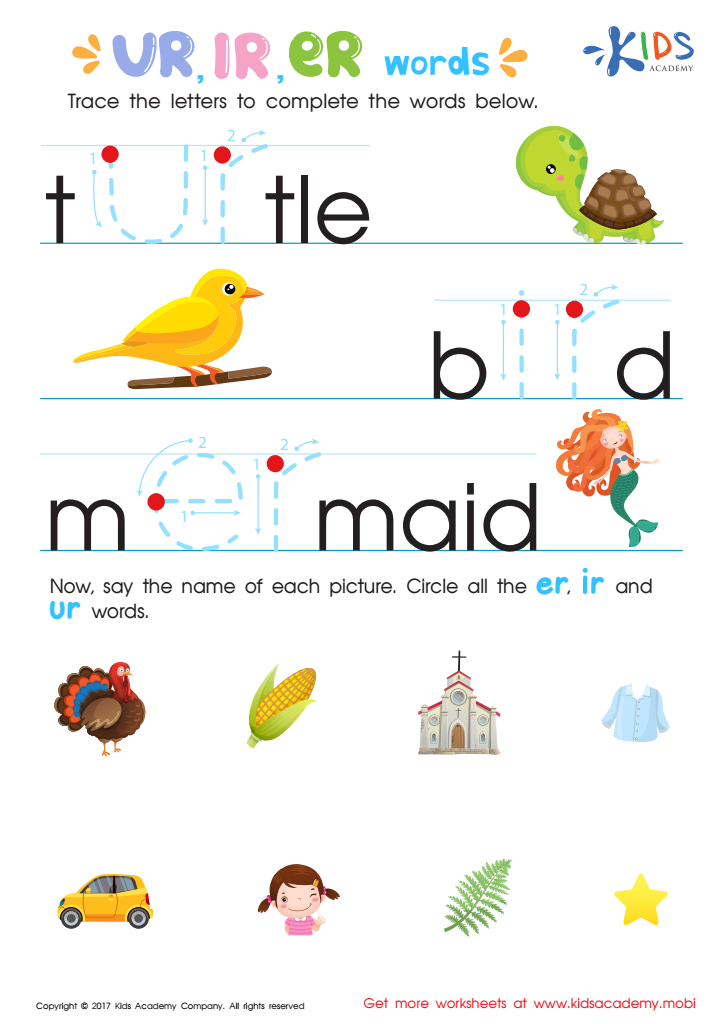
IR UR ER Words Worksheet







Phonics recognition, particularly of the normal alphabet, is crucial for children aged 3-7 as it lays the foundation for effective reading and writing skills. At this stage of development, children are rapidly acquiring language and literacy, which are key to their academic success and overall growth.
Understanding phonics helps children recognize the relationship between sounds and letters, allowing them to decode words. This skill is essential for reading fluency; without it, children may struggle to read and interpret texts, leading to frustration and decreased motivation. By nurturing phonics recognition, parents and teachers can foster a love for reading, as children gain confidence in their ability to understand and enjoy stories.
Moreover, strong phonics skills support other aspects of language development, including vocabulary build-up and spelling proficiency. Teaching phonics also aids in cognitive development, promoting critical thinking and problem-solving skills as children engage with language in a structured manner.
Ultimately, investing in phonics recognition at an early age equips children with tools that not only support their literacy education but also encourage lifelong learning. By prioritizing phonics, parents and educators actively contribute to shaping keener readers who are empathetic, informed, and engaged citizens.







