Reading skills development Normal Alphabet Worksheets for Ages 3-7
4 filtered results
-
From - To
Enhance your child's reading skills with our engaging Normal Alphabet Worksheets designed for ages 3-7. These worksheets offer a fun and interactive way to support young learners in mastering the fundamentals of letters and sounds. Each activity is thoughtfully crafted to promote letter recognition, phonemic awareness, and early word formation. With a blend of tracing, matching, and coloring exercises, children will build their confidence and excitement for reading. Ideal for both classroom and home use, our resources make learning a joyful experience. Download the worksheets today and watch your child's reading proficiency blossom!
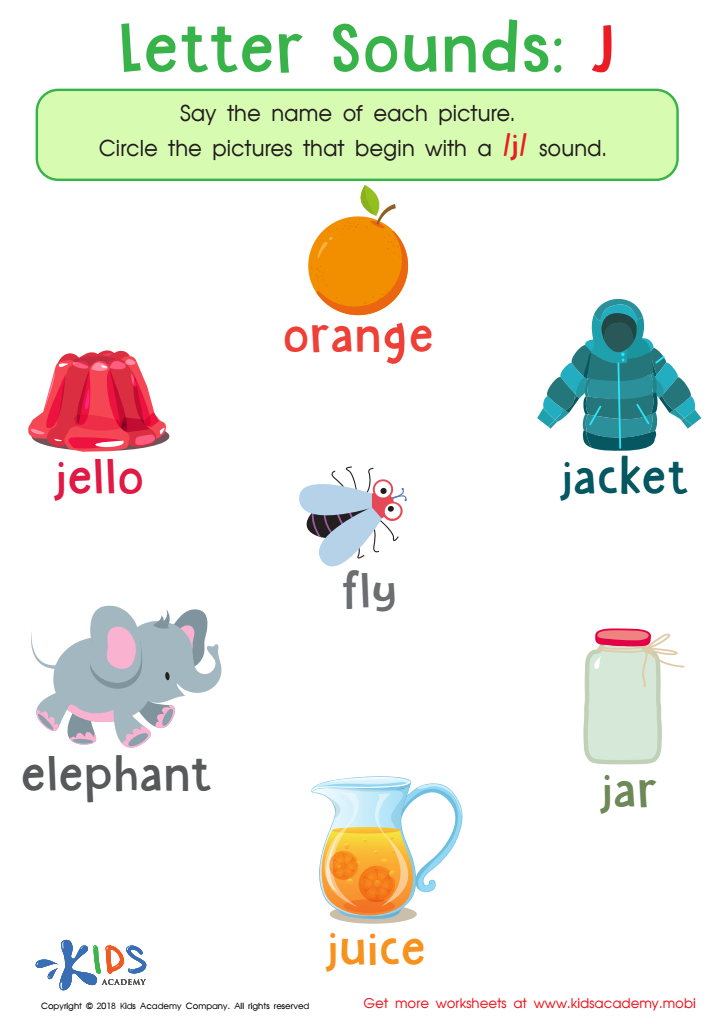
Letter Sounds: J Printable Worksheet
 Assign to My Students
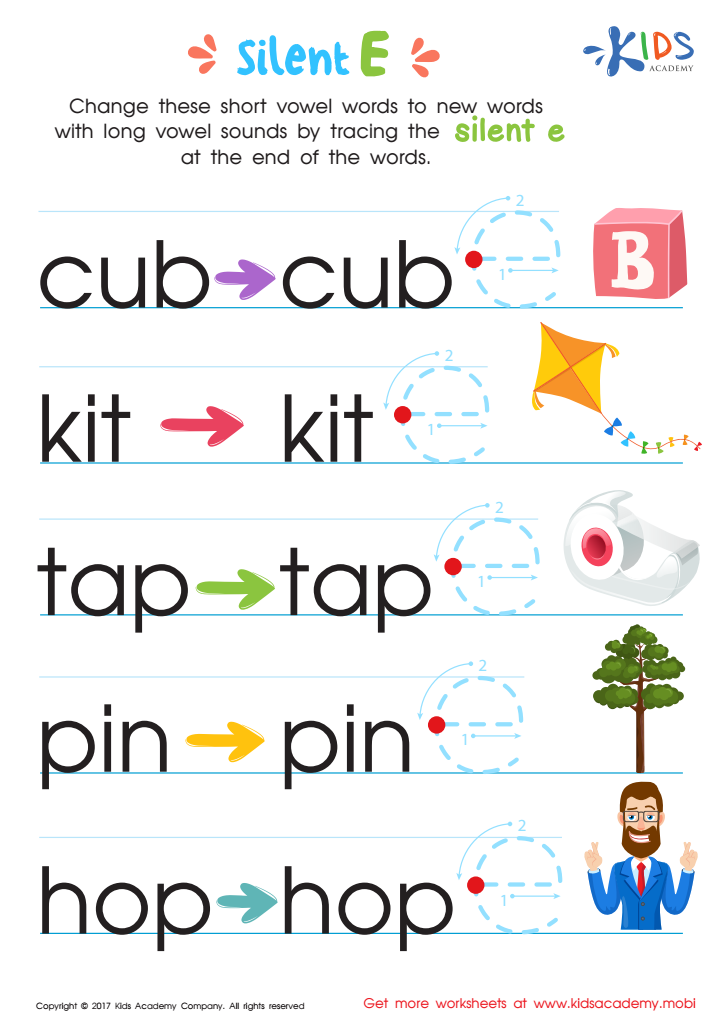
Silent E Words Worksheet
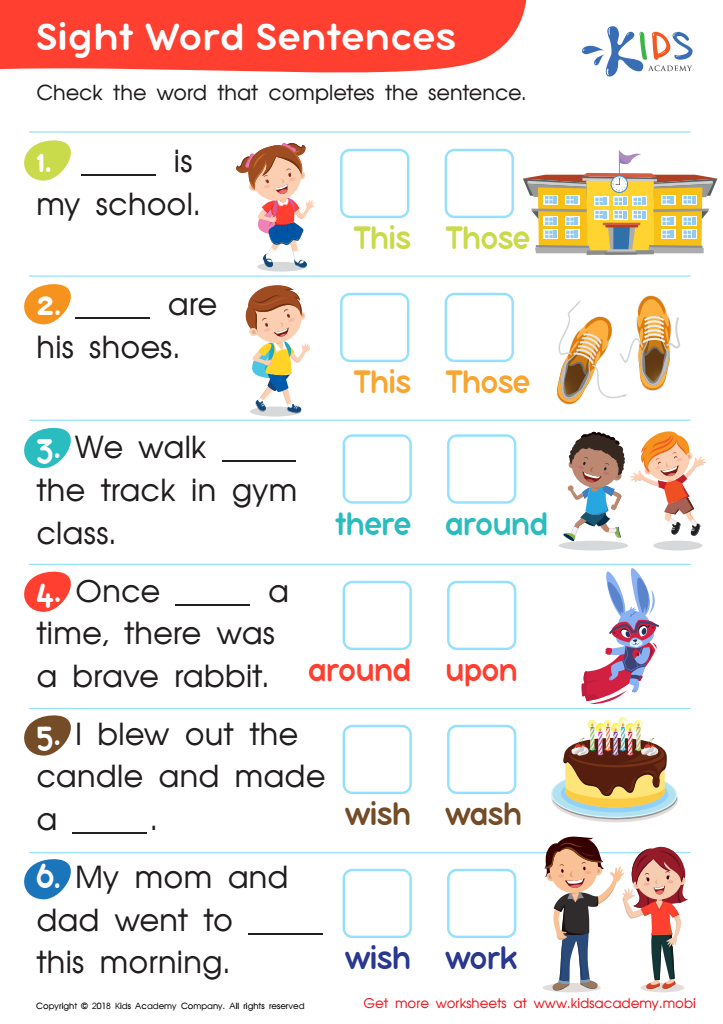
Sight Word Sentences Worksheet
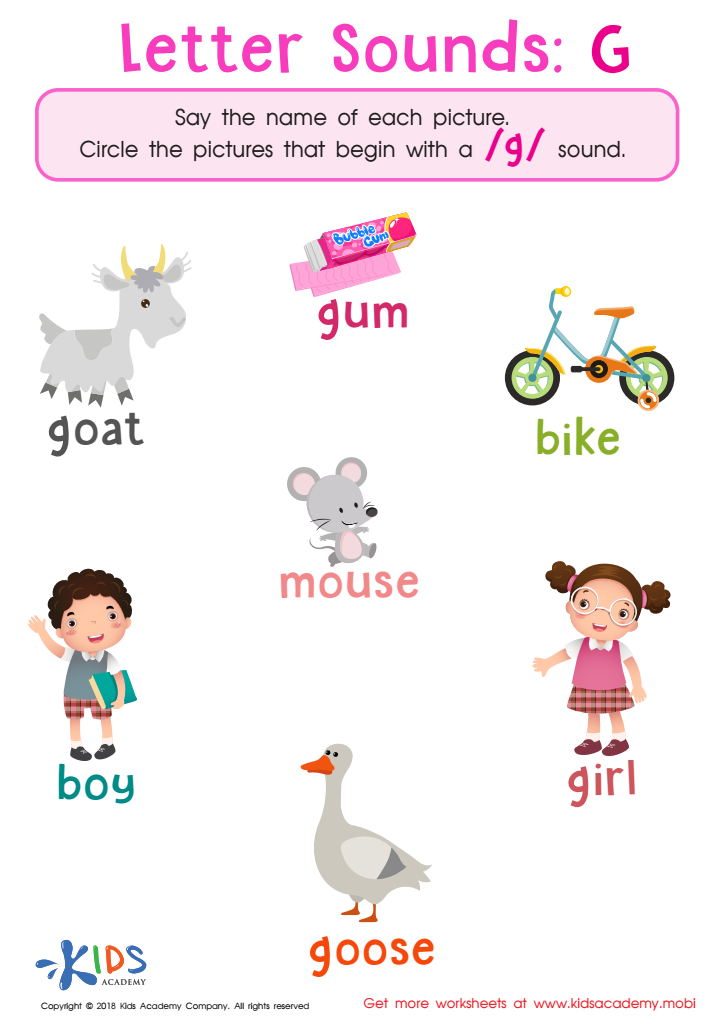
Letter G Sounds Worksheet


.jpg)


Parents and teachers should prioritize reading skills development for children aged 3-7 because this foundational stage significantly impacts future academic success and overall cognitive growth. During these formative years, children are especially receptive to language acquisition, making it an ideal time to promote literacy. Reading skills not only enhance vocabulary but also improve comprehension and critical thinking abilities. Additionally, engaging with books fosters a love for reading that can last a lifetime, encouraging curiosity and a desire for continuous learning.
Moreover, strong reading skills enhance communication abilities, helping children express their thoughts and emotions more effectively. This can lead to improved social interactions and self-confidence. Furthermore, early reading experiences can be a bonding activity for parents and children, creating lasting memories and strengthening relationships.
In diverse classrooms, promoting reading competencies also fosters inclusivity, allowing all children, regardless of background, to access vital resources and opportunities. Ultimately, by nurturing literacy development between ages 3-7, parents and teachers play a crucial role in shaping well-rounded, competent individuals who can confidently navigate their educational journeys and beyond. Investing in these skills early lays the foundation for lifelong learning and success.







