Reading fluency Normal Long Vowels Worksheets for Ages 3-7
3 filtered results
-
From - To
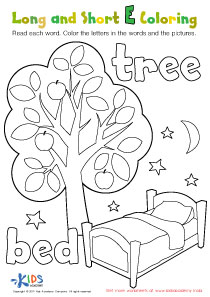
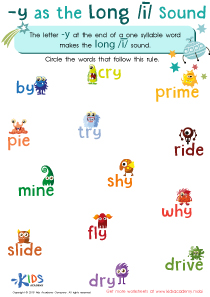
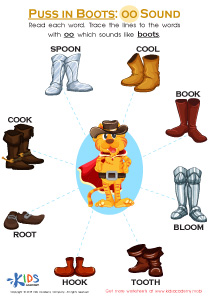
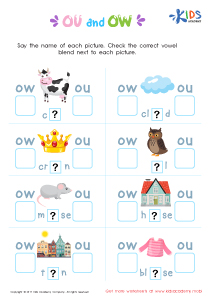
Enhance your child's reading skills with our Reading Fluency Normal Long Vowels Worksheets designed for ages 3-7. These engaging and educational worksheets from Kids Academy help young learners master the different sounds long vowels make. Tailored to build reading fluency, each worksheet focuses on practicing long vowel sounds in a variety of words and contexts. By incorporating fun activities and colorful images, our worksheets keep children entertained while effectively improving their phonetic skills and reading confidence. Perfect for both classroom and at-home learning, these resources support early literacy development essential for academic success.
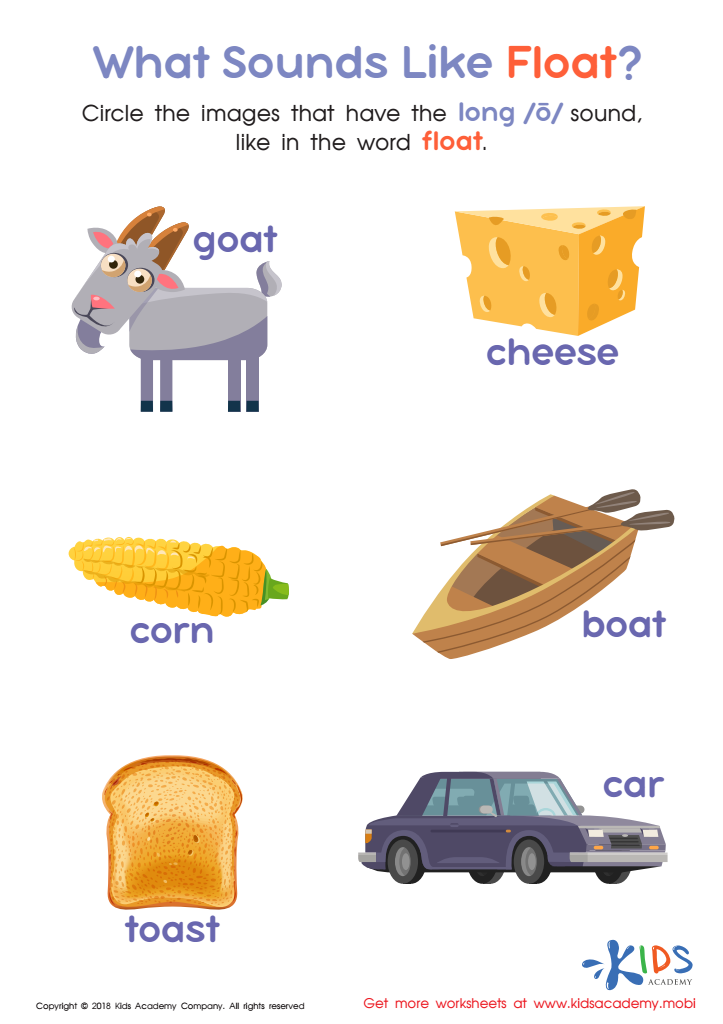
What Sounds Like Float? Worksheet
 Assign to My Students
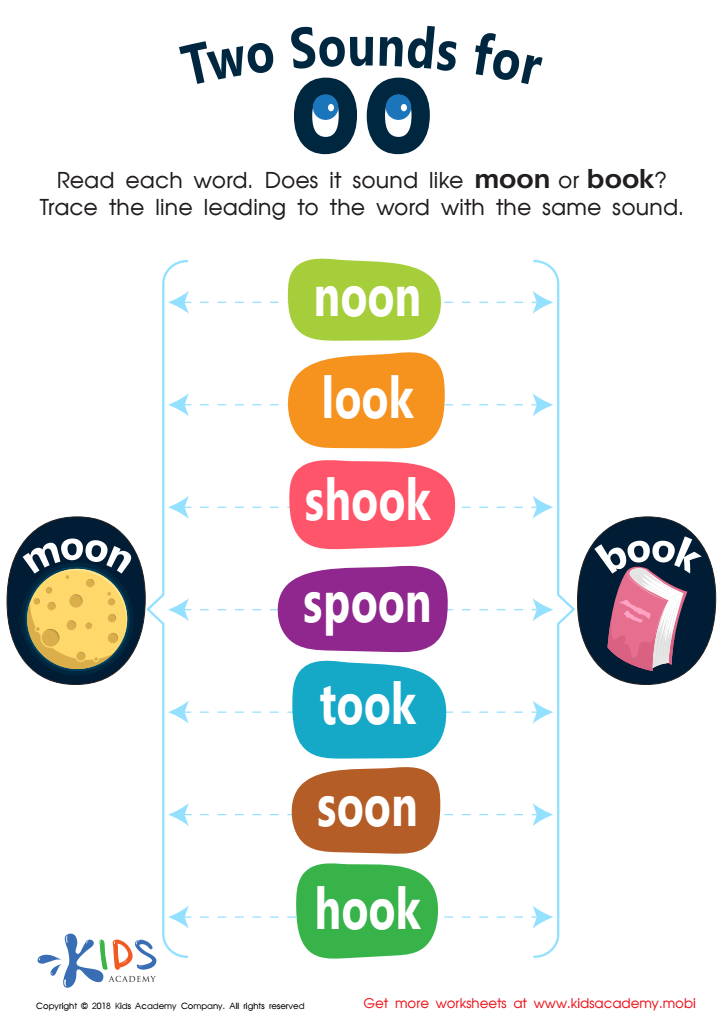
Two Sounds for OO Worksheet
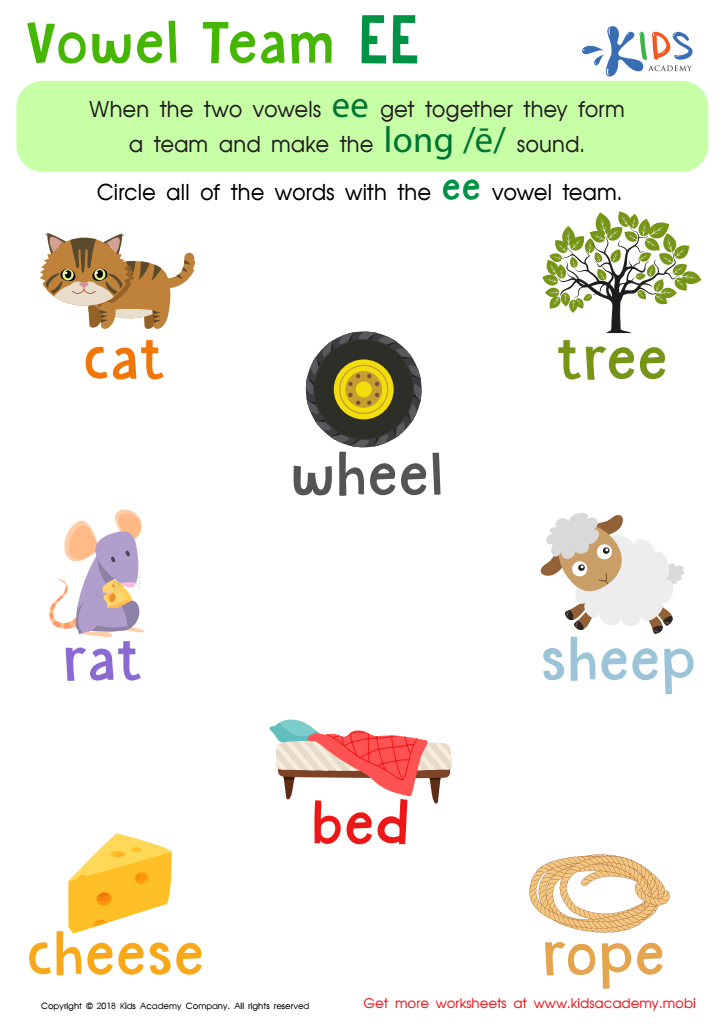
Reading: Vowel Team EE Worksheet



Reading fluency is a crucial component of early literacy development, especially for children aged 3-7, and understanding normal long vowels plays a significant role in this process. Long vowels sound like their letter names (A, E, I, O, U) and appear in many common words. Mastery of these sounds enhances phonemic awareness, a child's ability to hear, identify, and manipulate phonemes, which is fundamental to decoding words efficiently.
When children grasp long vowel sounds, they can recognize word patterns and apply this knowledge to unfamiliar words, boosting their reading speed and comprehension. For instance, knowing that 'cake,' 'seat,' or 'boat' follow a certain vowel pattern can help children predict their pronunciation, thereby reading more fluidly.
Reading fluency, marked by accuracy, speed, and expression, is directly linked to comprehension. Fluent readers can focus on the meaning of the text rather than struggling with word recognition. Early proficiency in long vowels sets the stage for lifelong reading success, making learning enjoyable and significantly reducing the risk of future literacy challenges.
Thus, parents and teachers should prioritize long vowel education during these formative years to build a solid foundation for advanced reading skills, foster a love for reading, and pave the way for overall academic success.