Fine Motor Skills Normal Upper & Lowercase Letters Worksheets for Ages 3-7
22 filtered results
-
From - To
Boost your child's fine motor skills with our engaging Upper and Lowercase Letters Worksheets designed for ages 3-7! These worksheets promote essential handwriting techniques, helping young learners master letter formation through fun and interactive activities. Each sheet utilizes a variety of exercises that enhance dexterity and coordination, making learning enjoyable and effective. Perfect for home or classroom use, our worksheets not only assist with letter recognition but also build crucial early writing skills. Give your child the tools they need for academic success while fostering creativity and confidence in their handwriting abilities! Explore our collection today and watch them thrive!
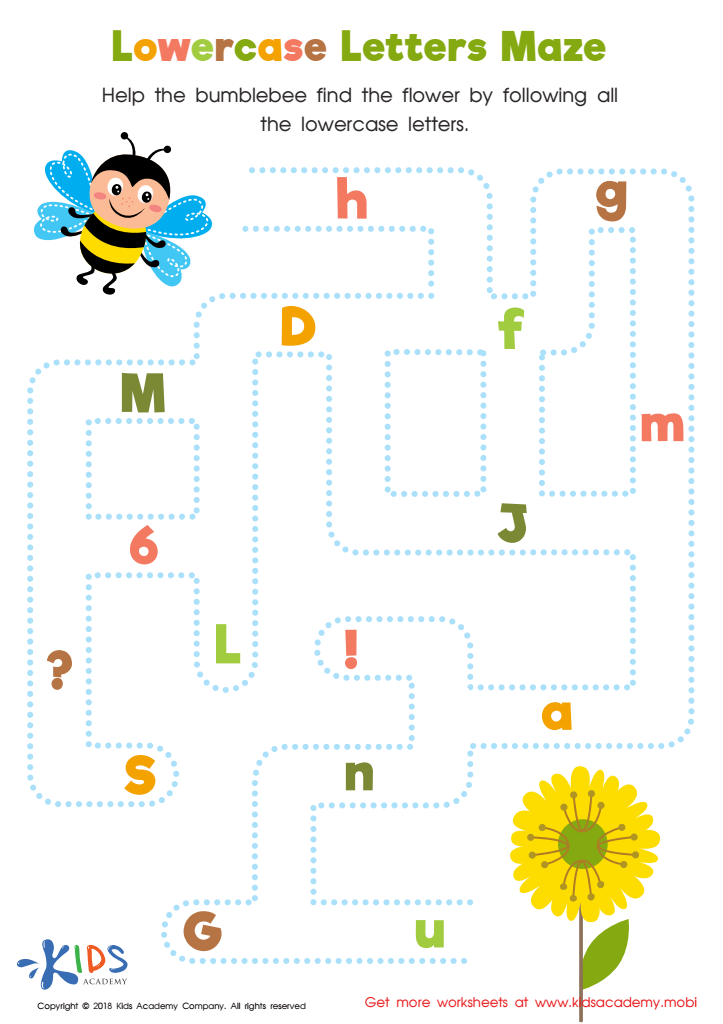
Lowercase Letters Maze Worksheet
 Assign to My Students

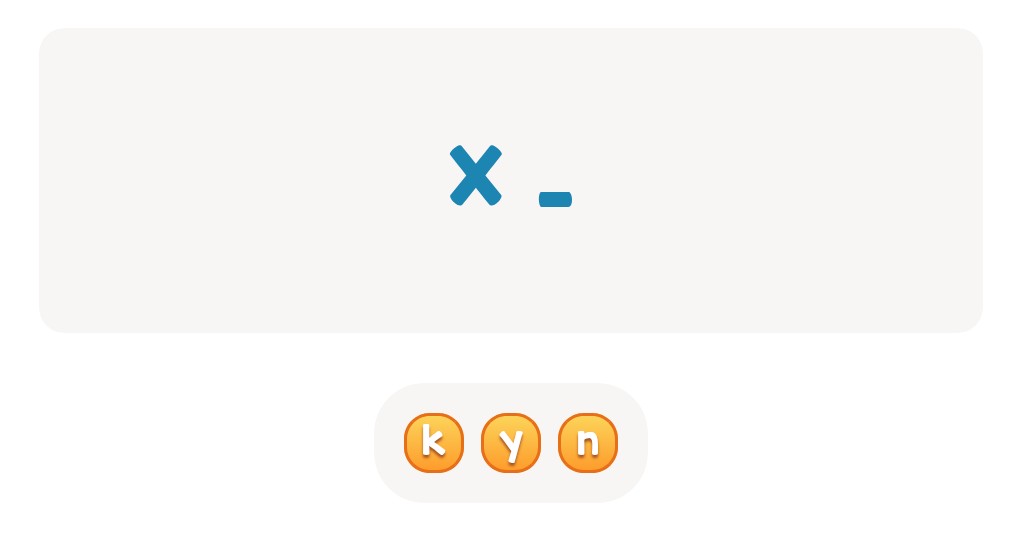
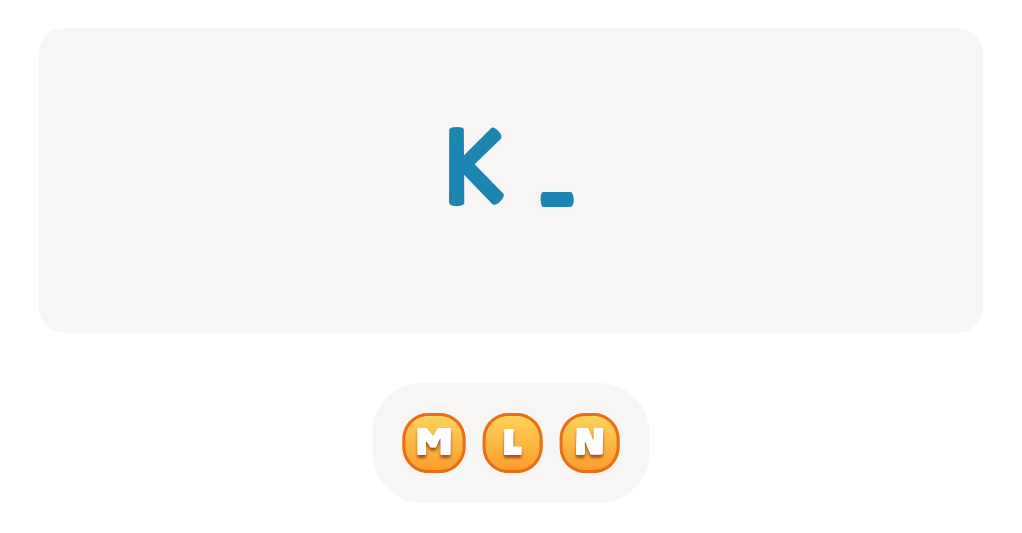
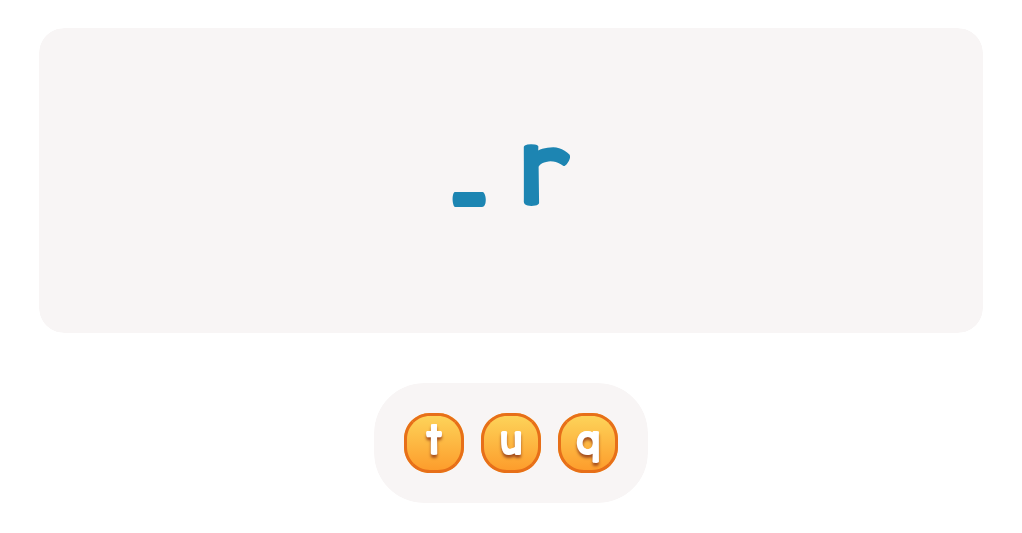
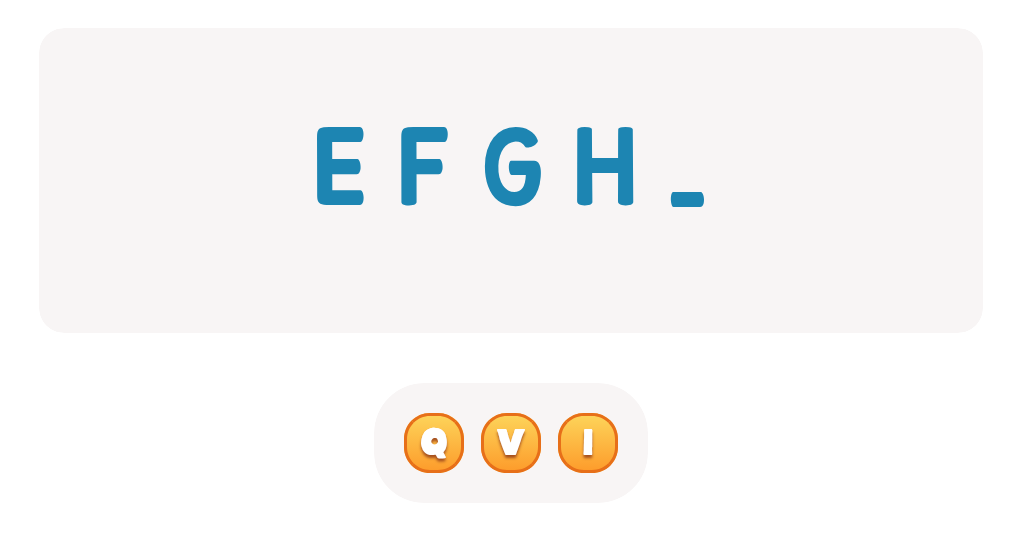
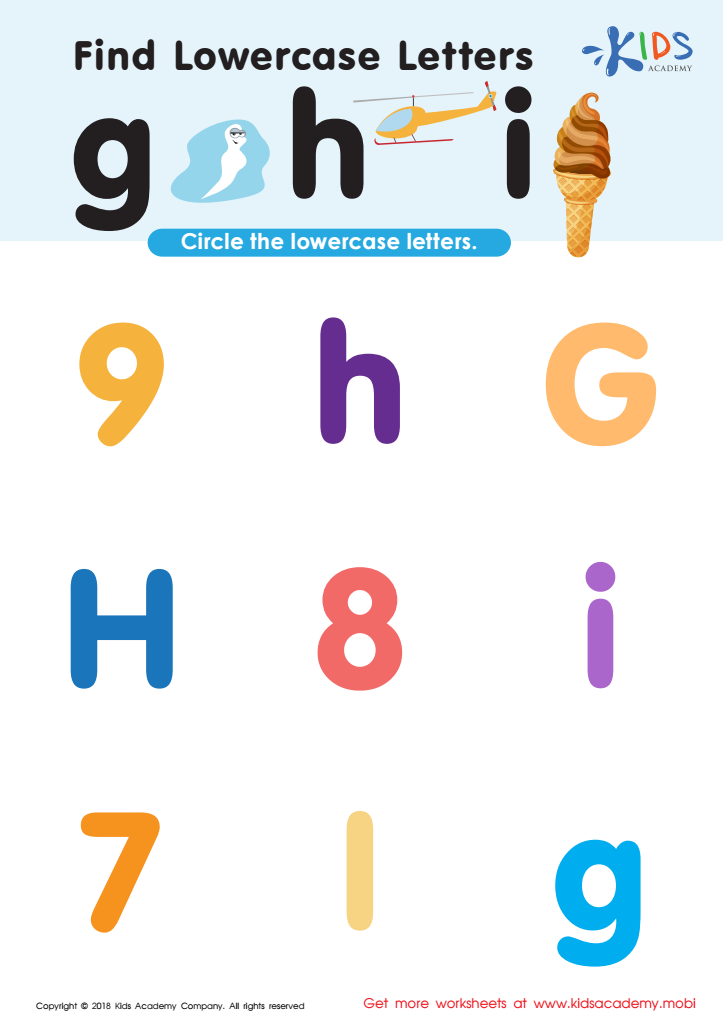
Find Lowercase Letters g h i Worksheet
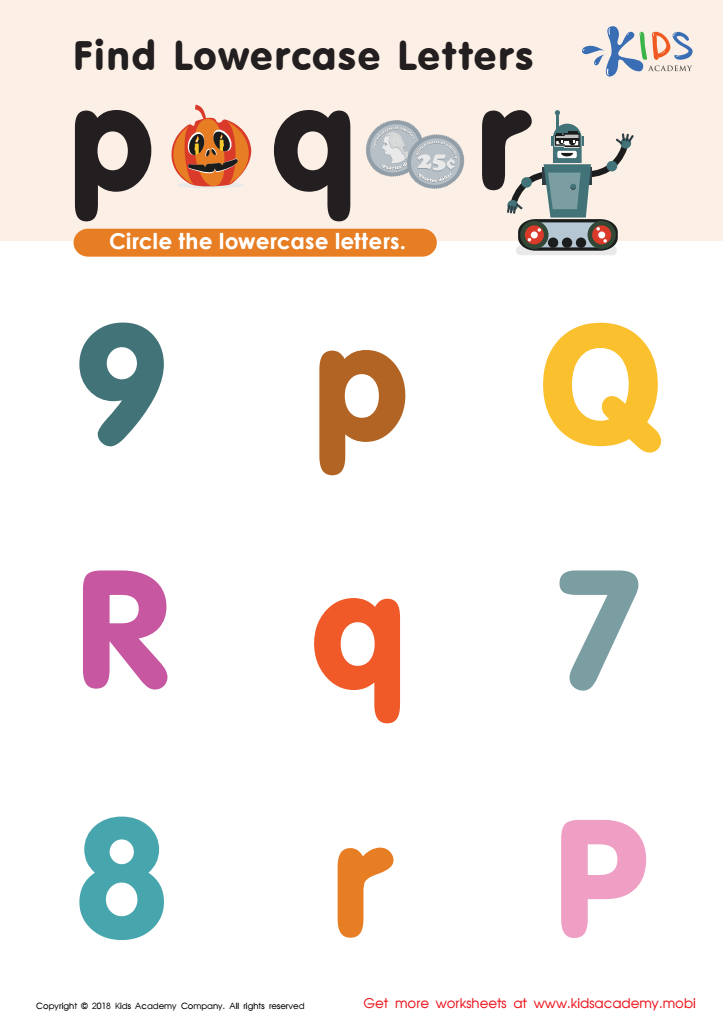
Find lowercase Letters p q r Worksheet
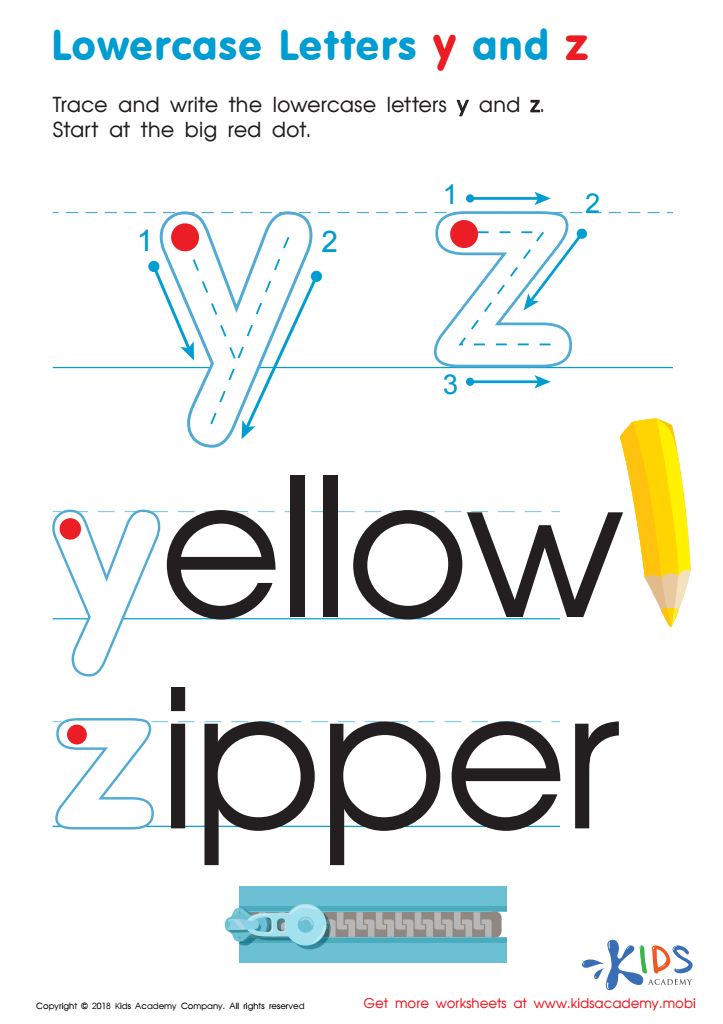
Lowercase Letters y z Worksheet
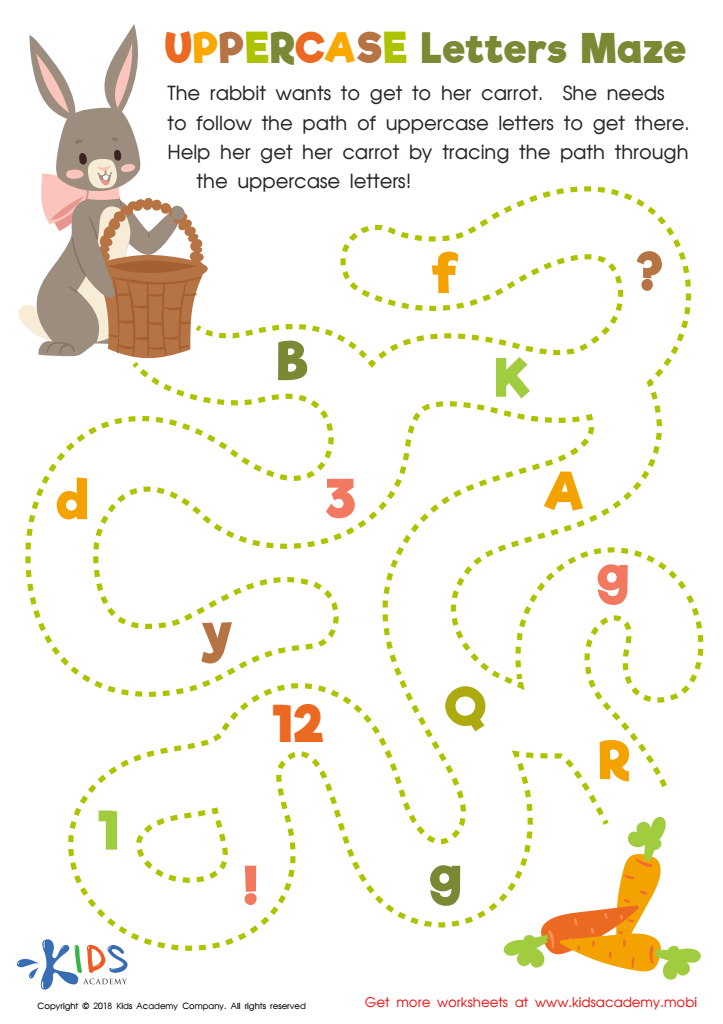
Uppercase Letters Maze Worksheet
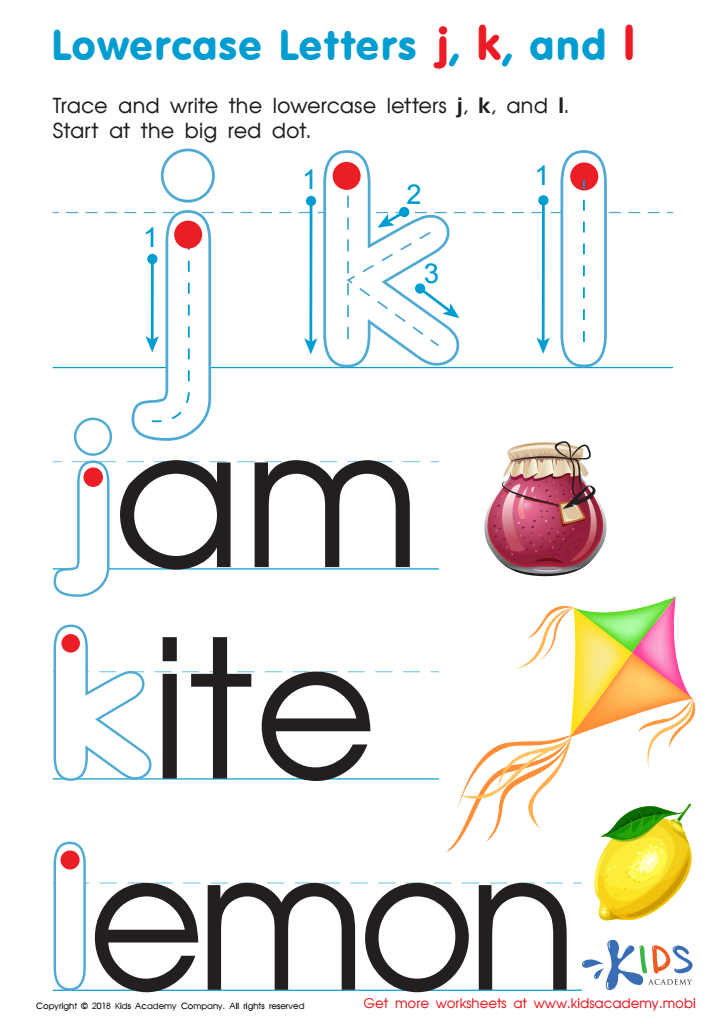
Lowercase Letters j k l Worksheet
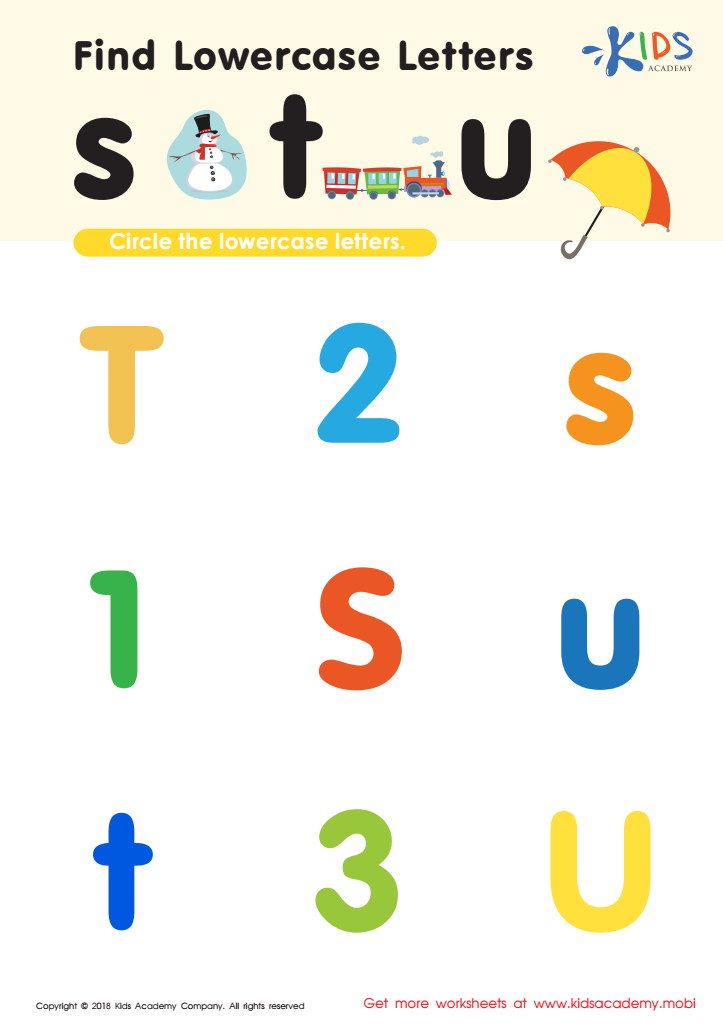
Find lowercase Letters s t u Worksheet
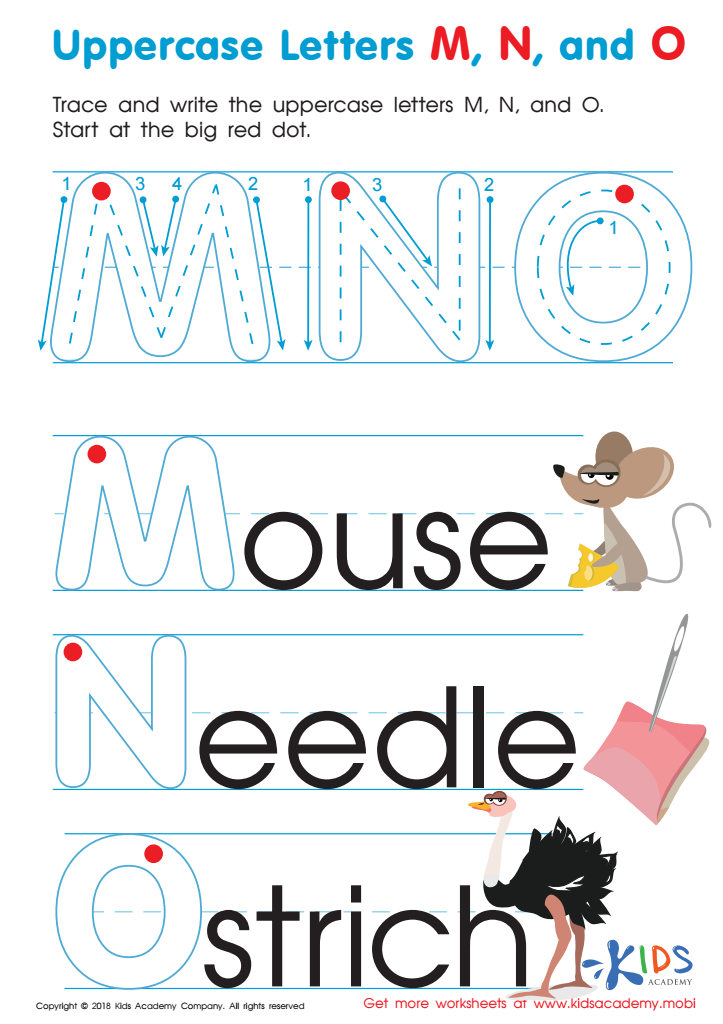
Uppercase Letters M, N, and O Worksheet
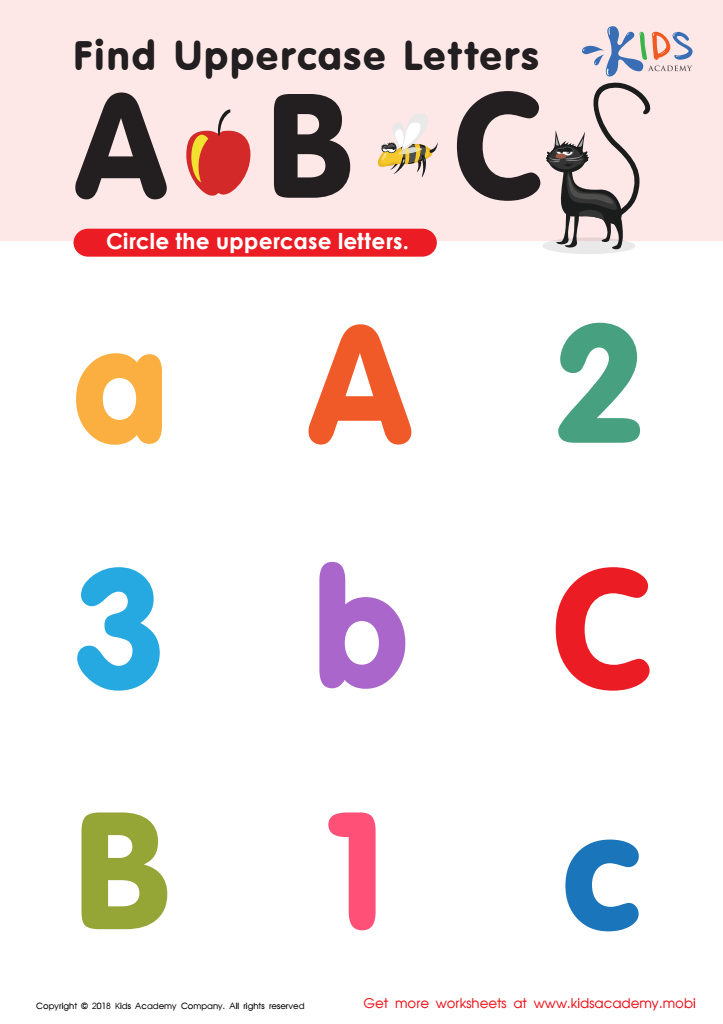
Find Uppercase Letters A, B, and C Worksheet
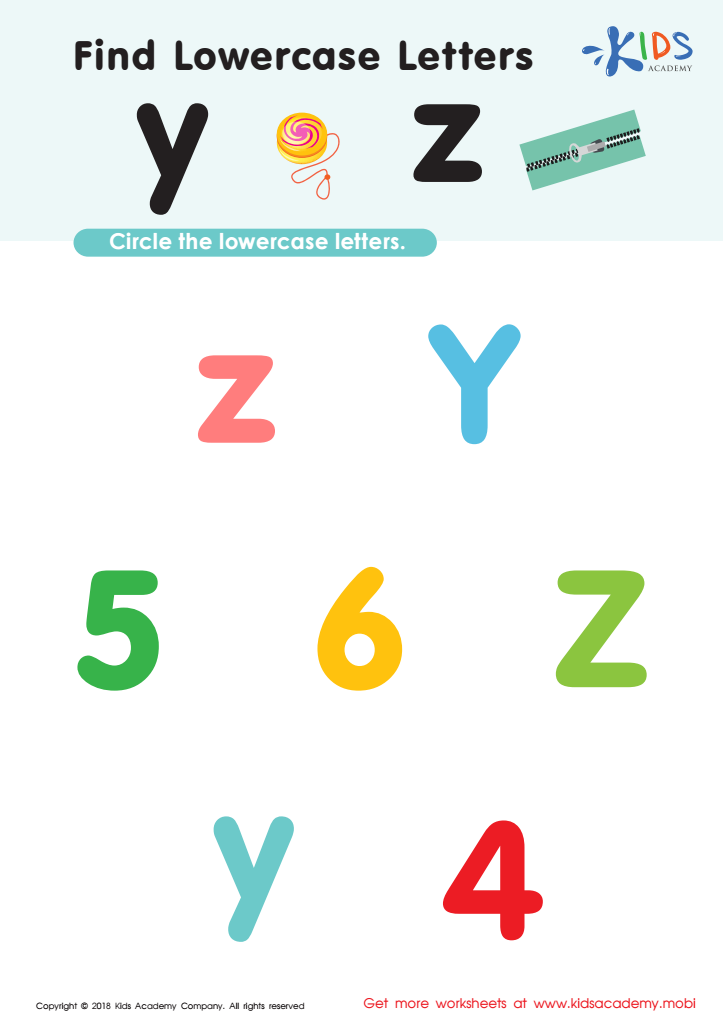
Find Lowercase Letters y z Worksheet
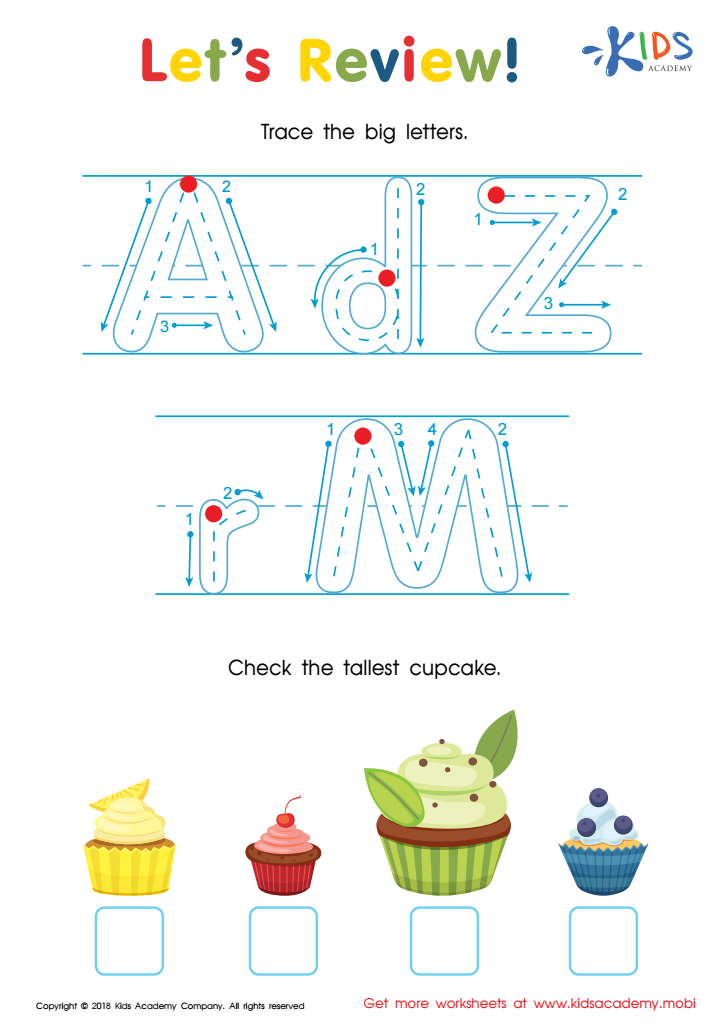
Let's Review! Big Letters Worksheet
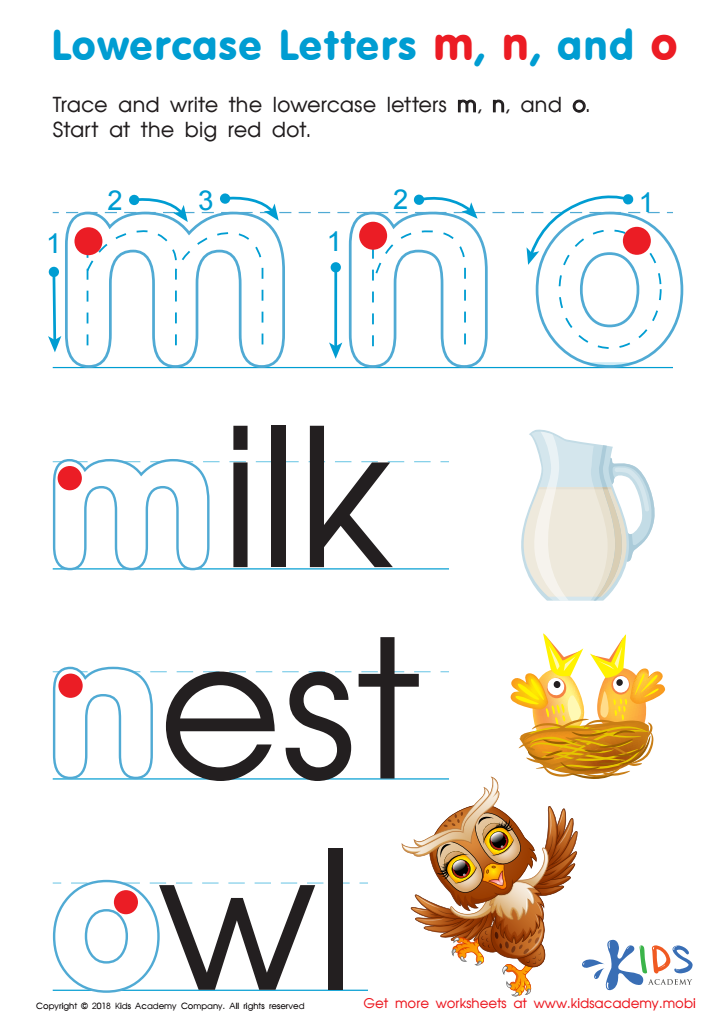
Lowercase Letters m n o Worksheet

Find Uppercase Letters V, W, X Worksheet
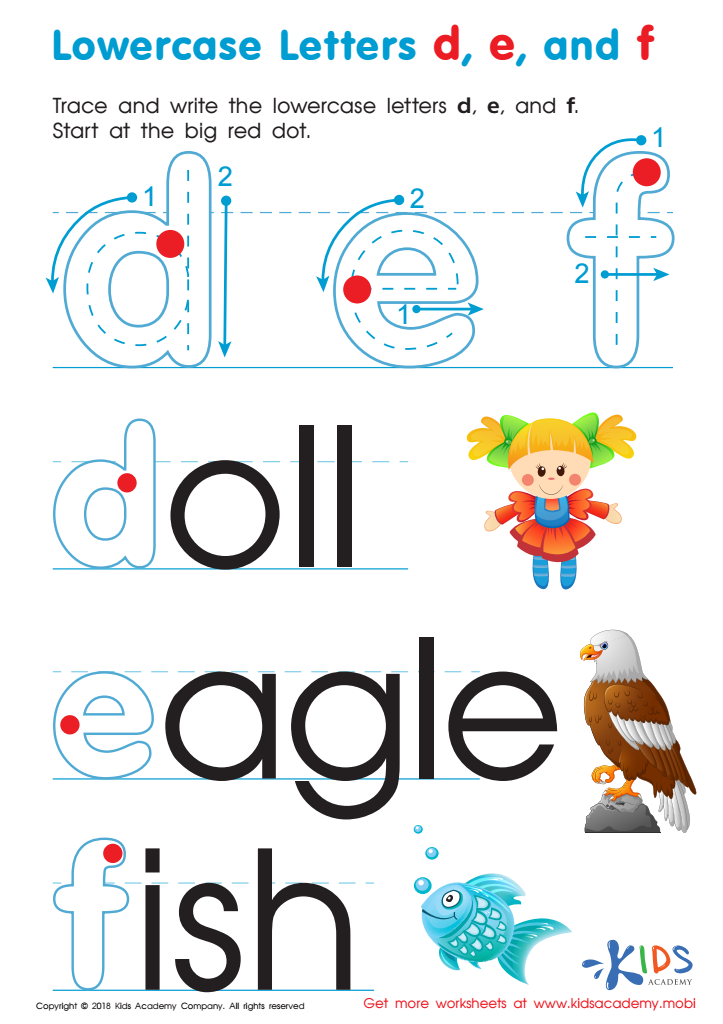
Lowercase Letters d e f Worksheet
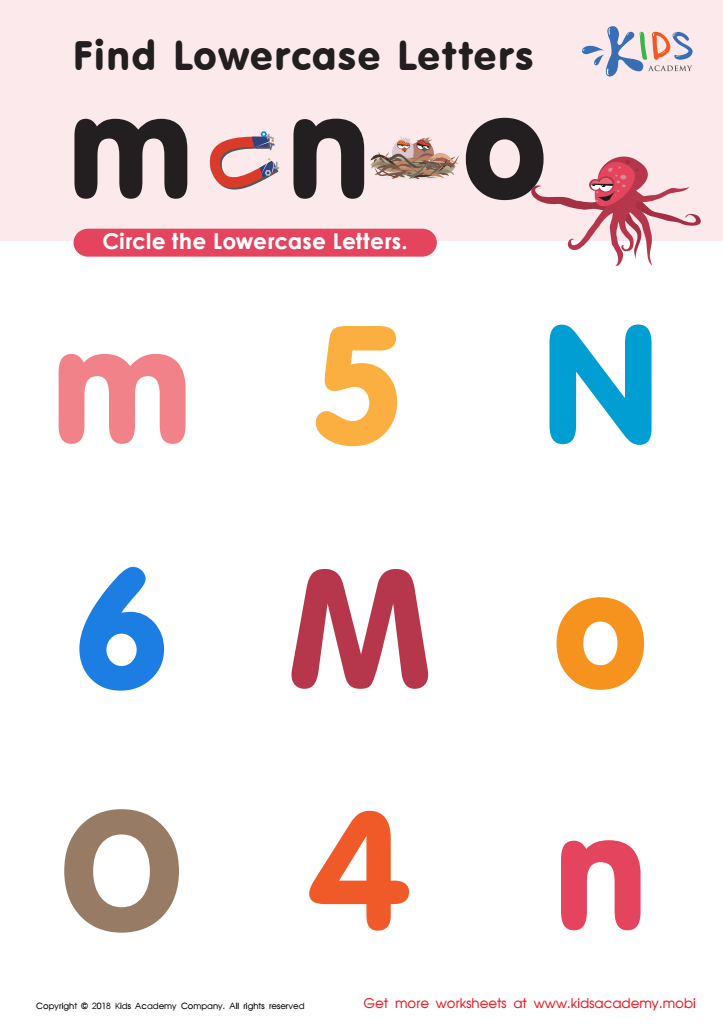
Find Lowercase Letters m n o Worksheet
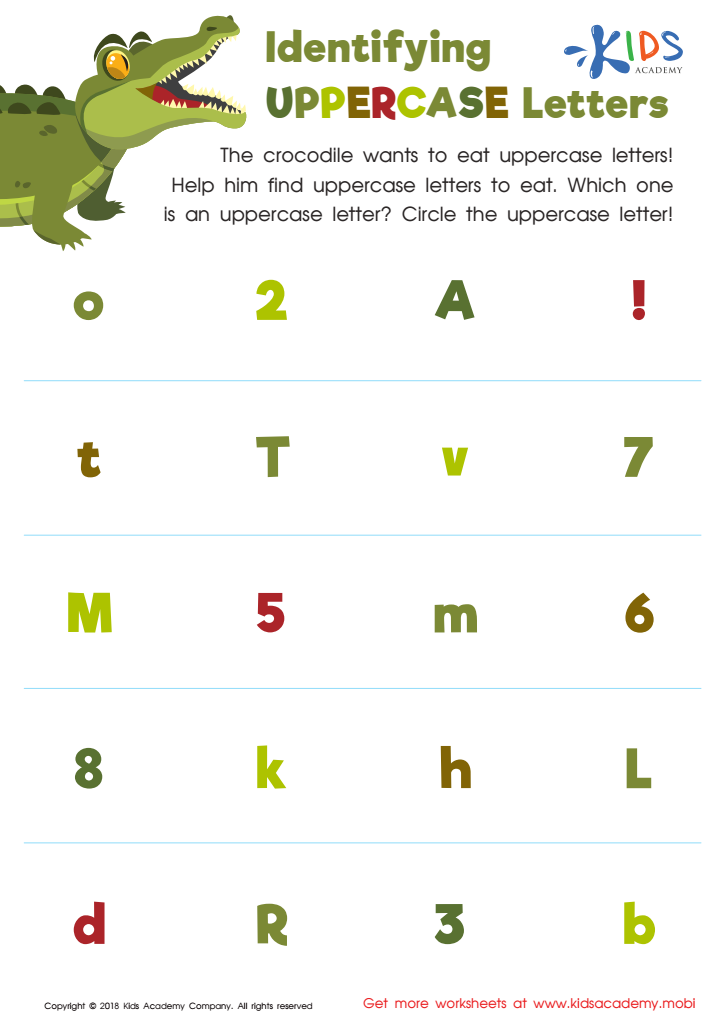
Identifying Uppercase Letters Worksheet
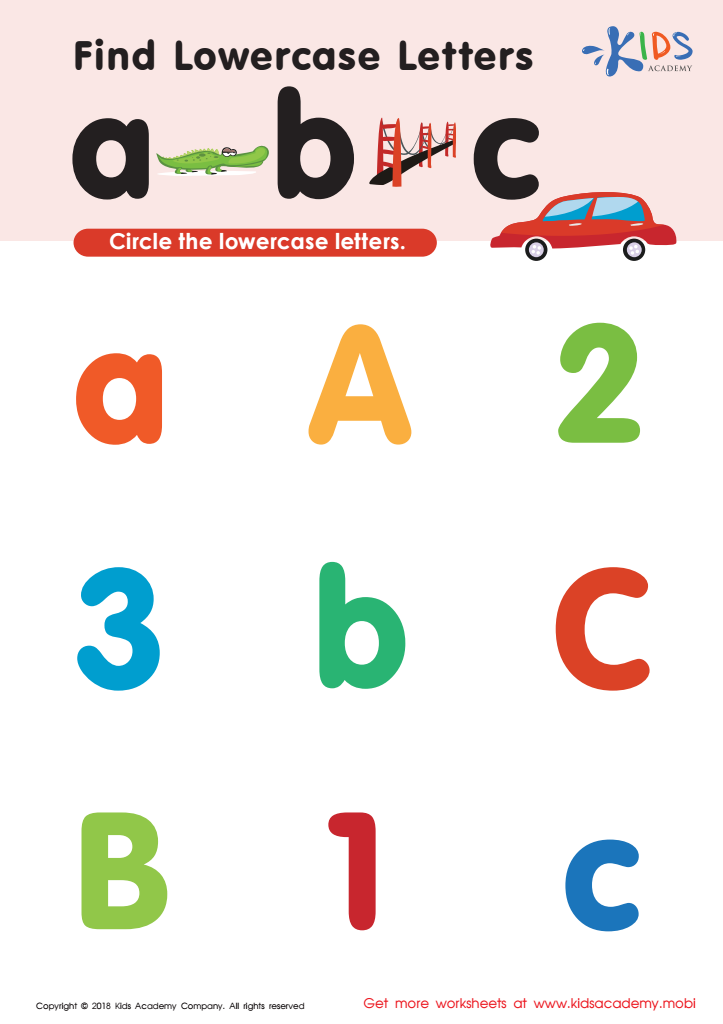
Find lowercase letters a b c Worksheet
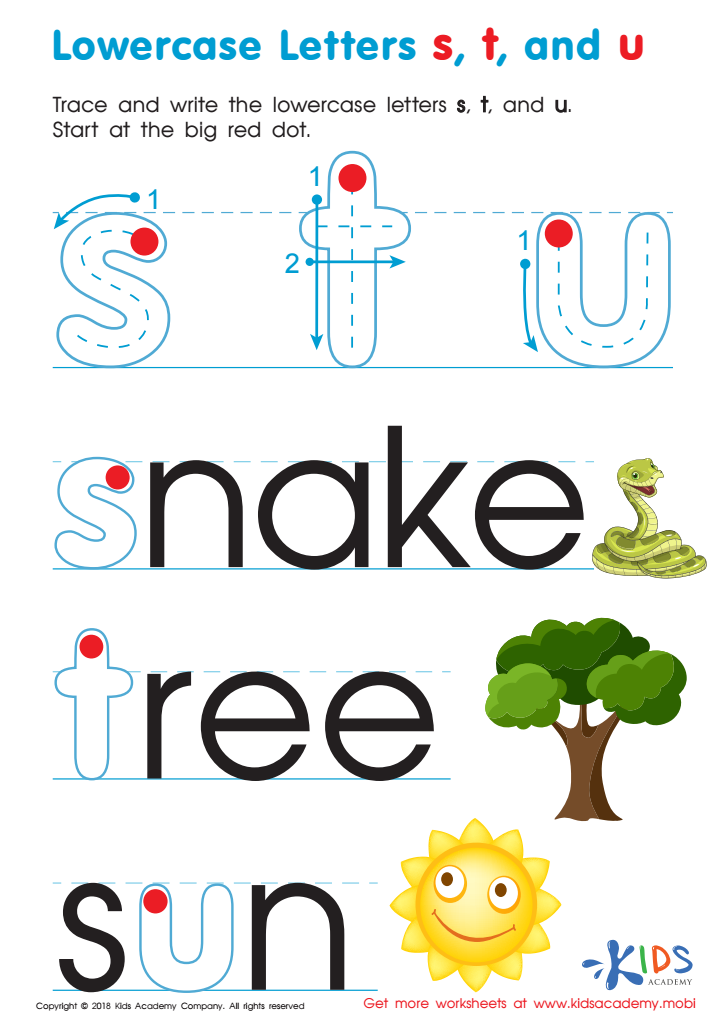
Lowercase Letters s t u Worksheet
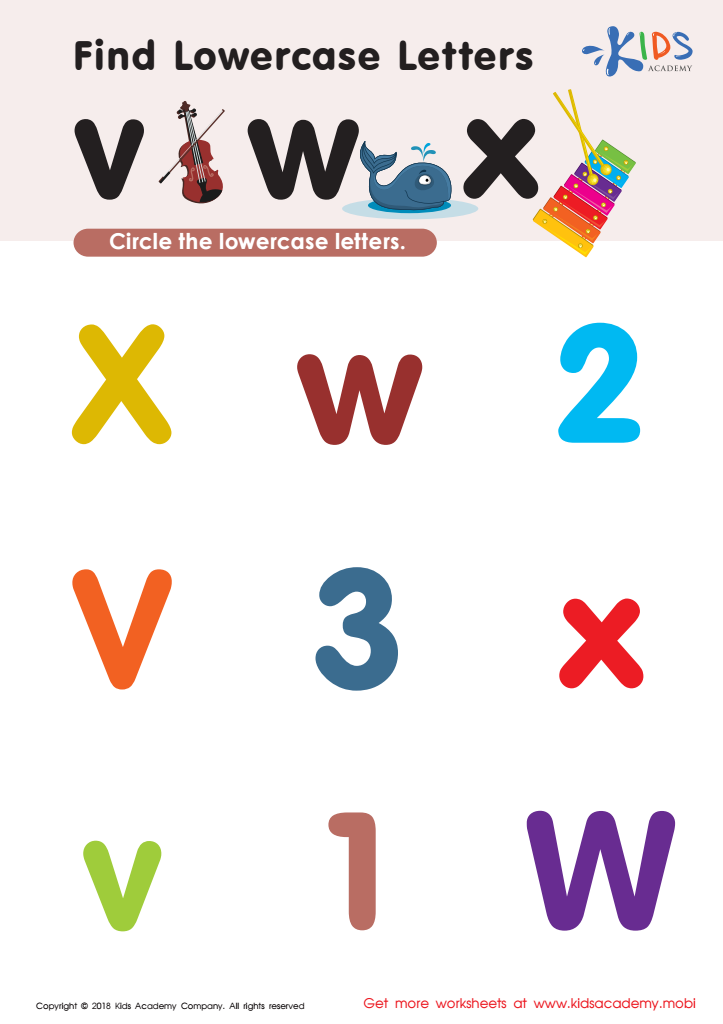
Find Lowercase Letters v w x Worksheet
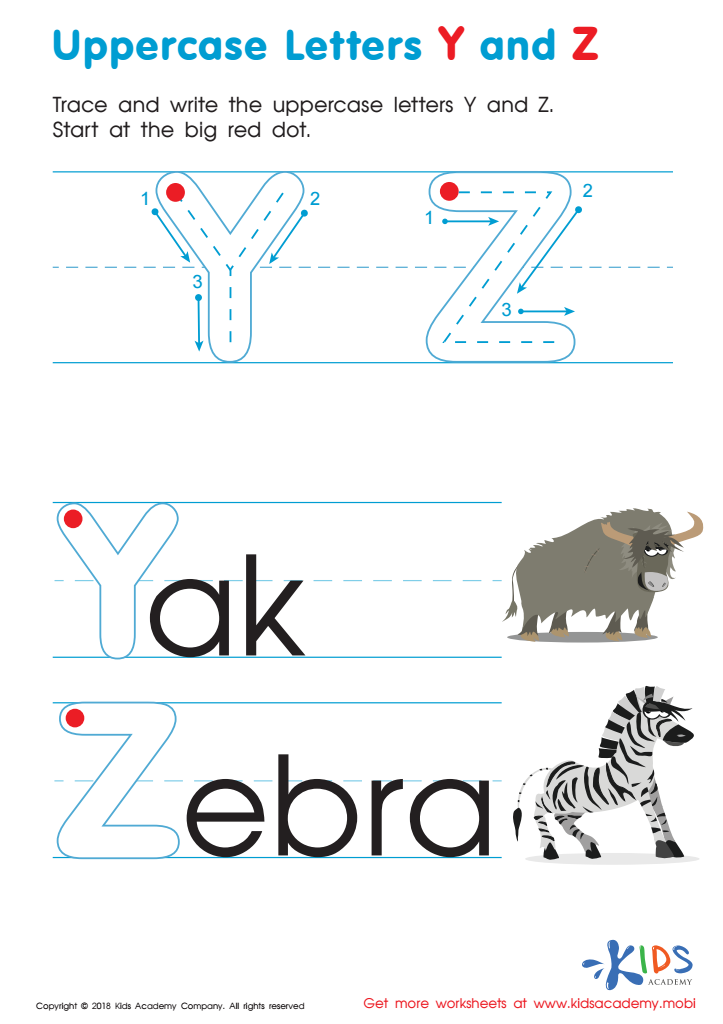
Uppercase Letters Y Z Worksheet
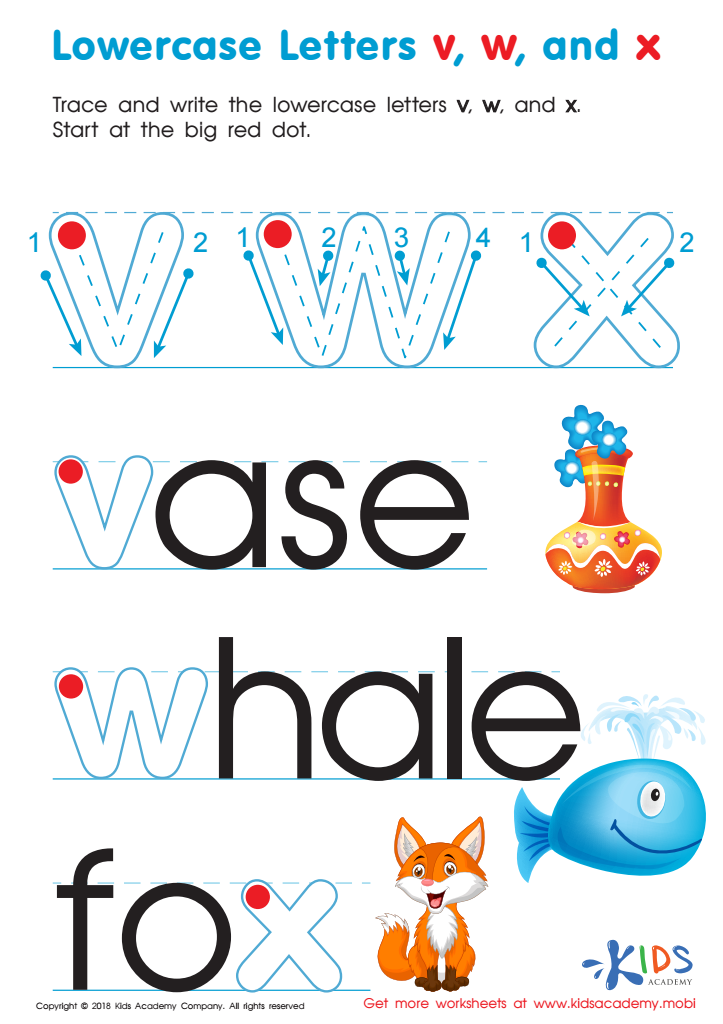
Lowercase Letters v w x Worksheet
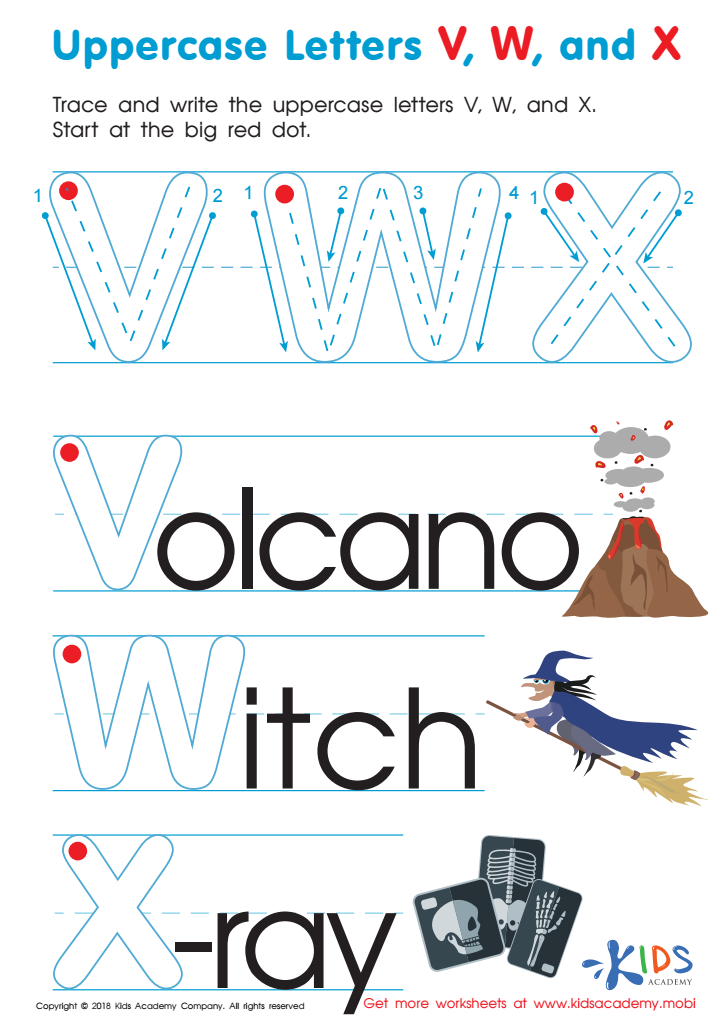
Uppercase Letters V, W, and X Worksheet






Fine motor skills are essential for young children as they lay the foundation for a variety of daily tasks and learning activities. For children aged 3-7, the ability to effectively express themselves through writing, particularly using normal upper and lowercase letters, is crucial for their educational development. Strong fine motor skills enable children to hold and manipulate writing instruments correctly, which directly affects their handwriting stability and legibility.
By age 3-7, children are also developing coordination and control, key components in forming letters accurately. This stage is essential for their literacy development; being able to write letters correctly helps with phonics and word formation, fostering early reading skills.
Parents and teachers should care about this development as proficient writers are often more confident in their academic performances, impacting their overall self-esteem. Additionally, repetitive practice of forming letters can enhance children's focus and concentration, further contributing to their cognitive development. Therefore, by supporting fine motor skill development and letter formation in preschool and early elementary settings, we endow children with the necessary tools to succeed in both their academic and everyday lives. Prioritizing these skills ensures that children are better equipped for future learning and social interactions.







