Reading comprehension Normal Vowel Diphthongs Worksheets for Ages 3-7
13 filtered results
-
From - To
Enhance your child's reading skills with our engaging Normal Vowel Diphthongs Worksheets, specifically designed for ages 3-7. These interactive worksheets focus on improving reading comprehension while introducing young learners to the essential concept of diphthongs. Through fun exercises and age-appropriate activities, children will develop the ability to recognize, read, and understand vowel combinations in various contexts. Our resources provide the perfect mix of education and enjoyment, ensuring that children build confidence in their reading abilities. Foster a love for learning with our easy-to-use worksheets, ideal for both classroom settings and home practice. Unlock your child's potential today!
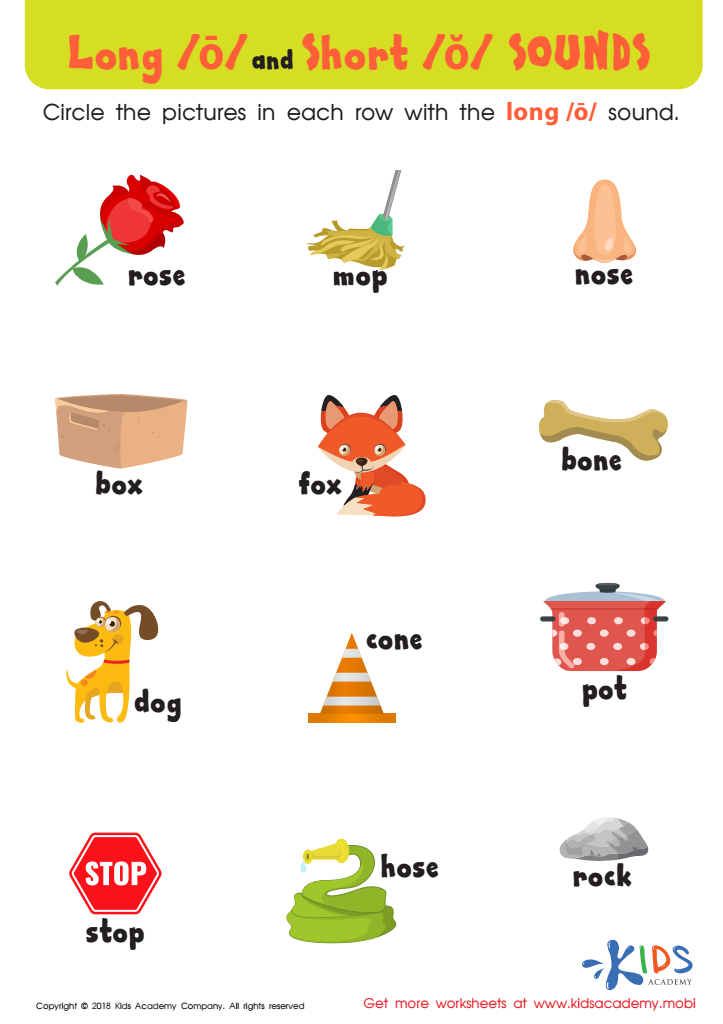
Reading: Long O and Short O Sounds Worksheet
 Assign to My Students
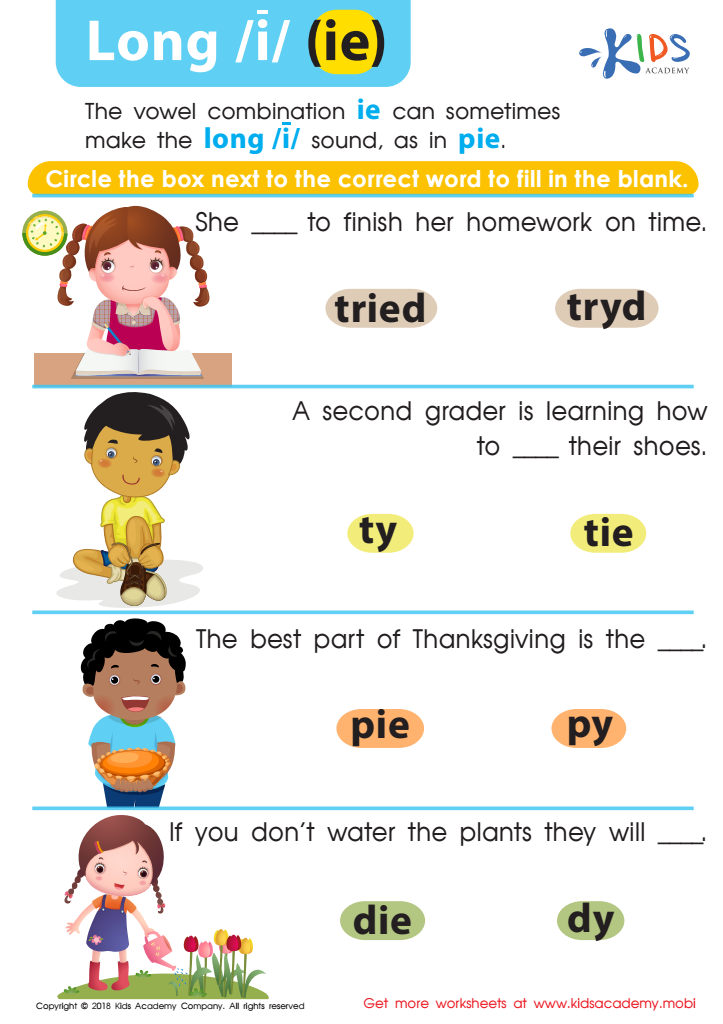
Reading: Long I and IE Worksheet
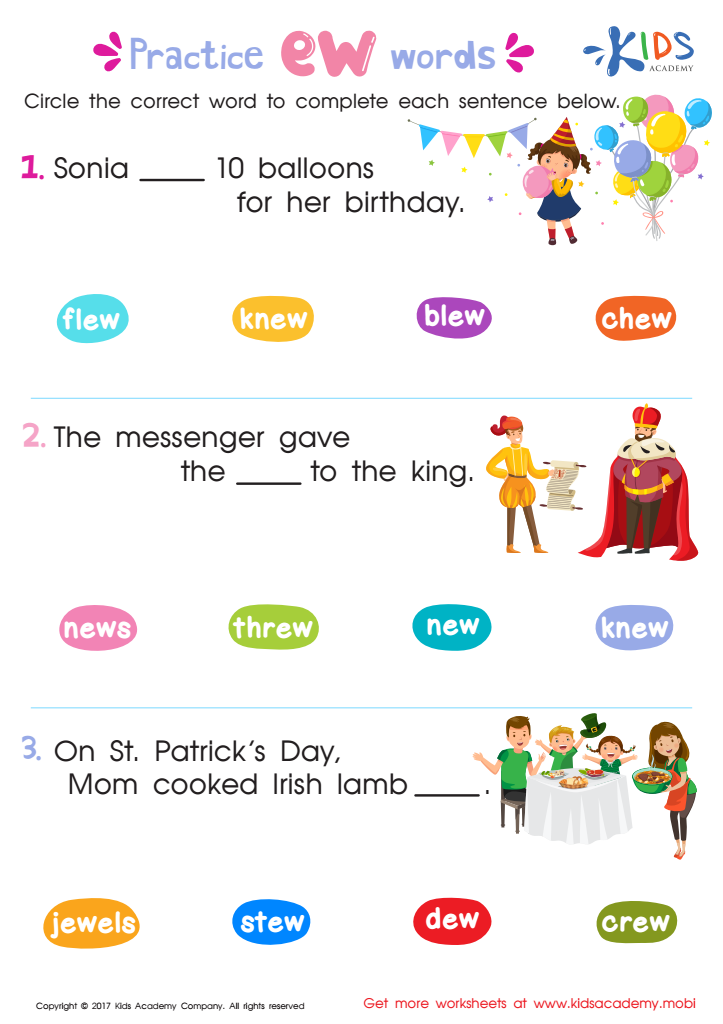
EW Words Worksheet
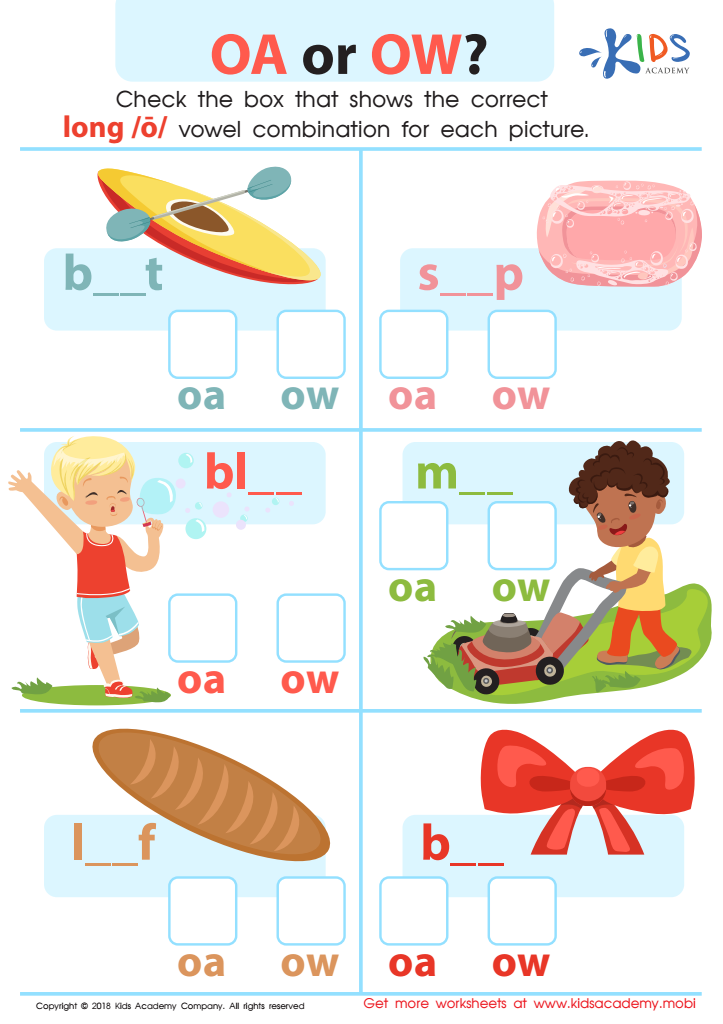
Reading: OA or OW Worksheet
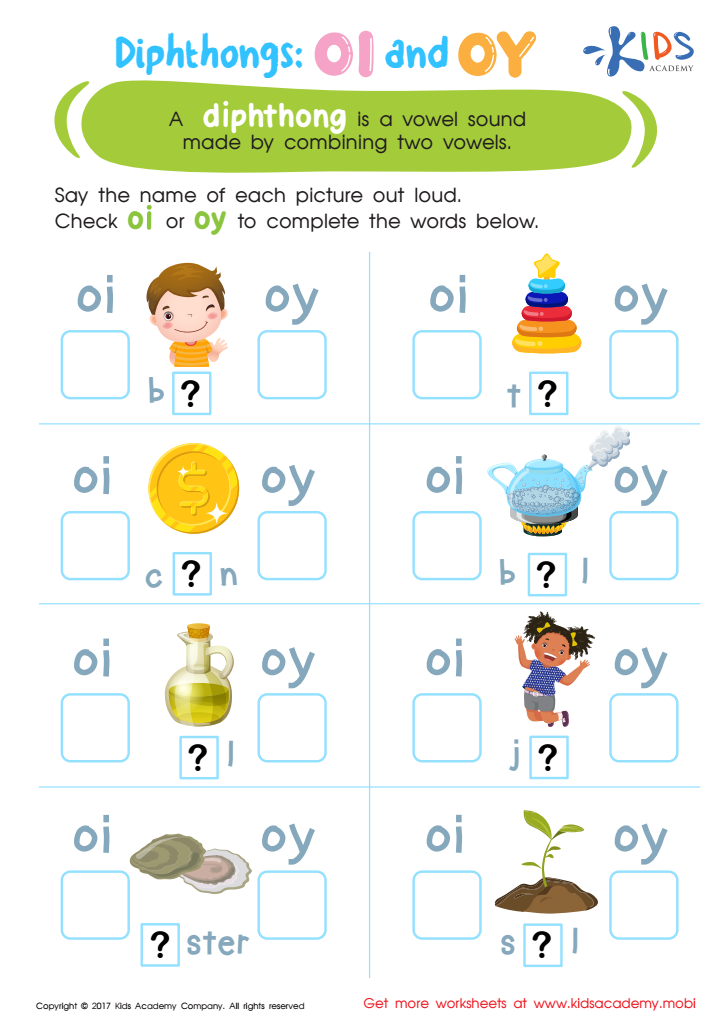
Vowel Diphthongs OI OY Worksheet
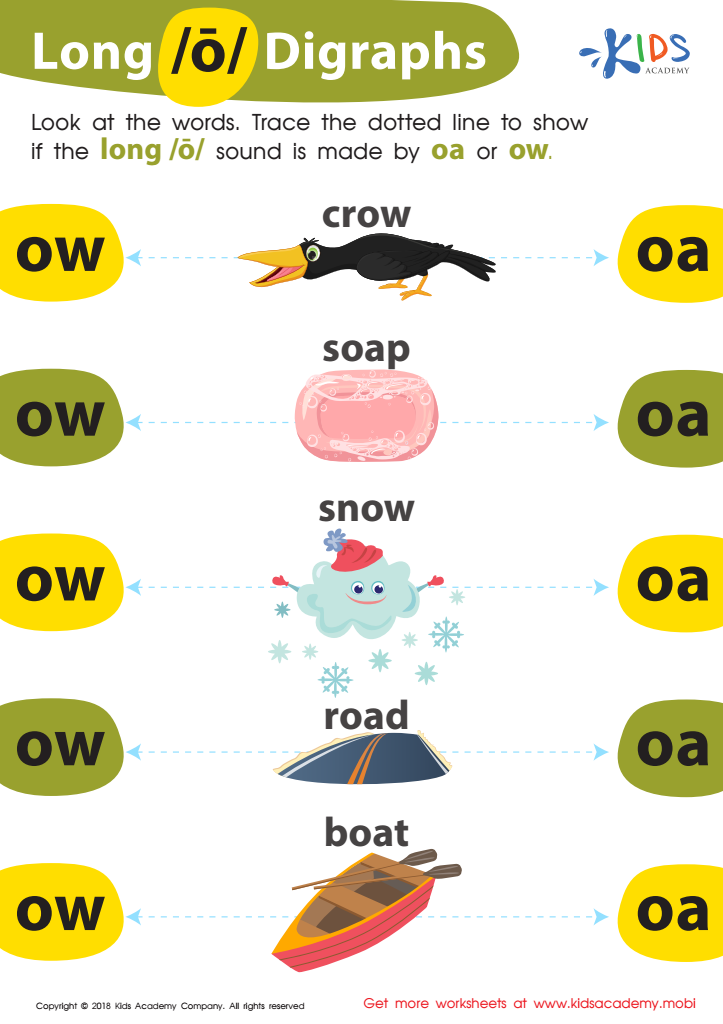
Reading: Long O Digraphs Worksheet
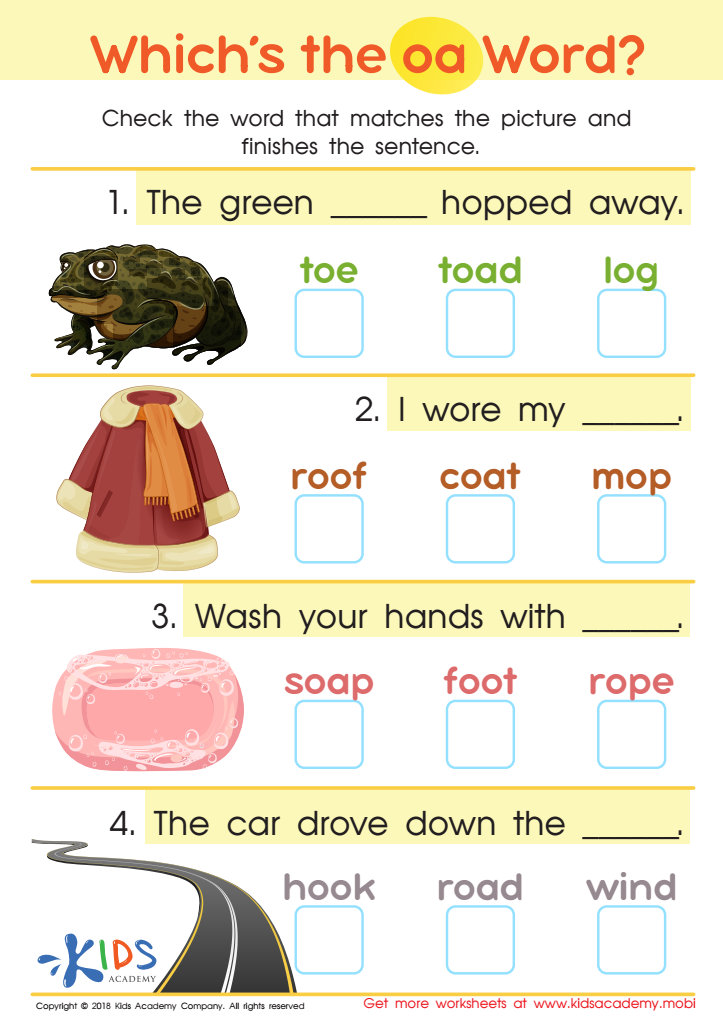
Which's the OA Word? Worksheet
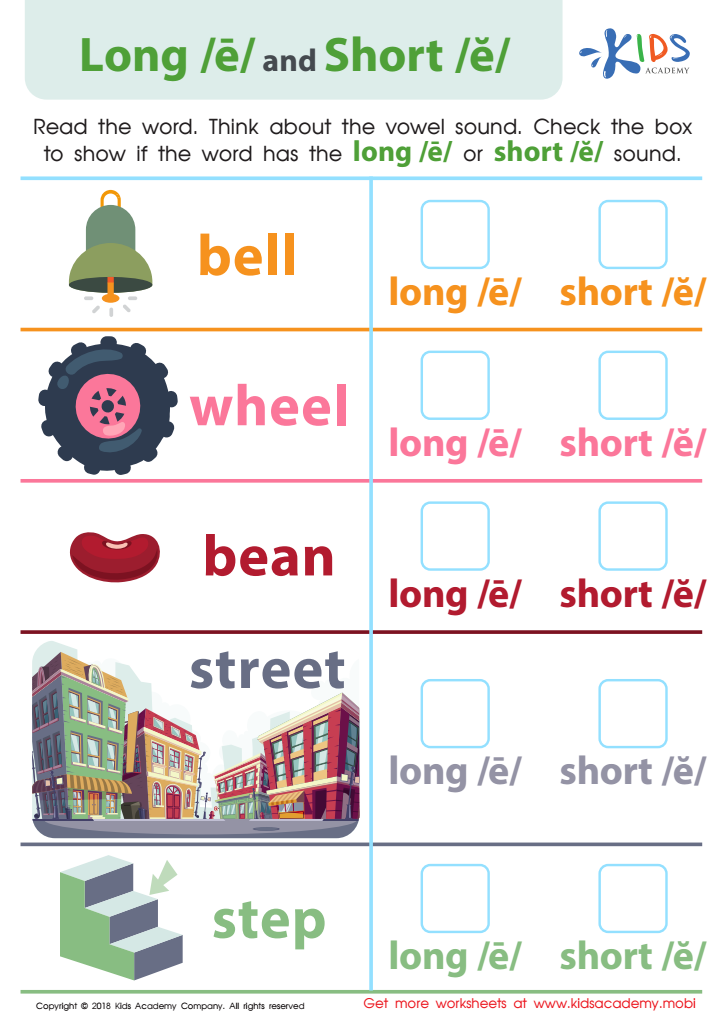
Reading: Long E and Short E Worksheet
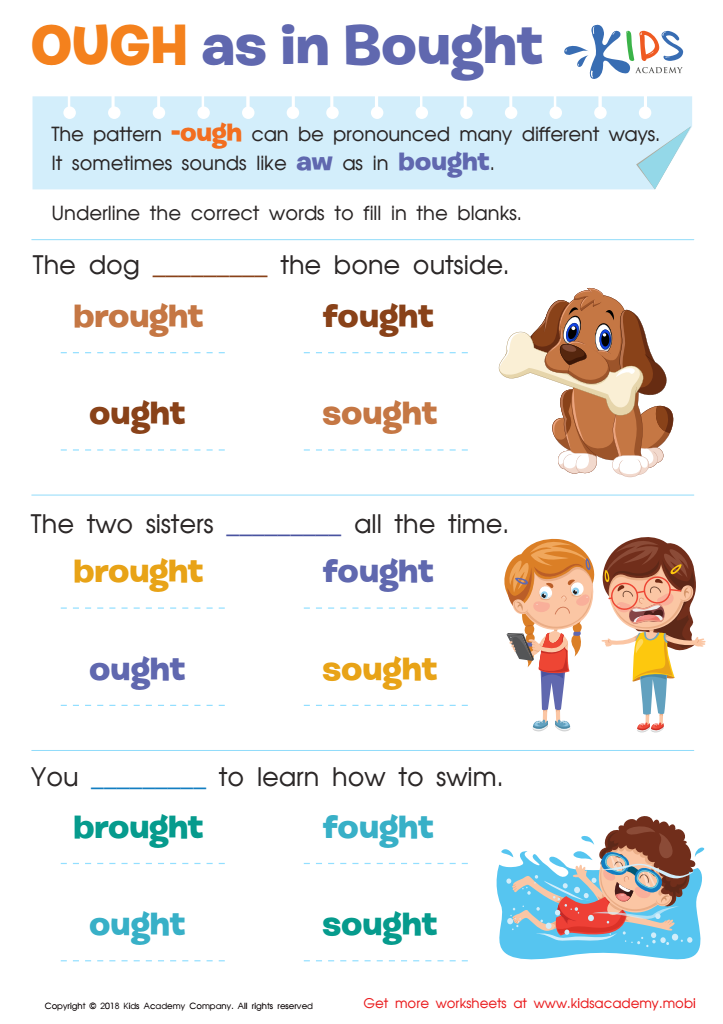
OUGH as in Bought Worksheet
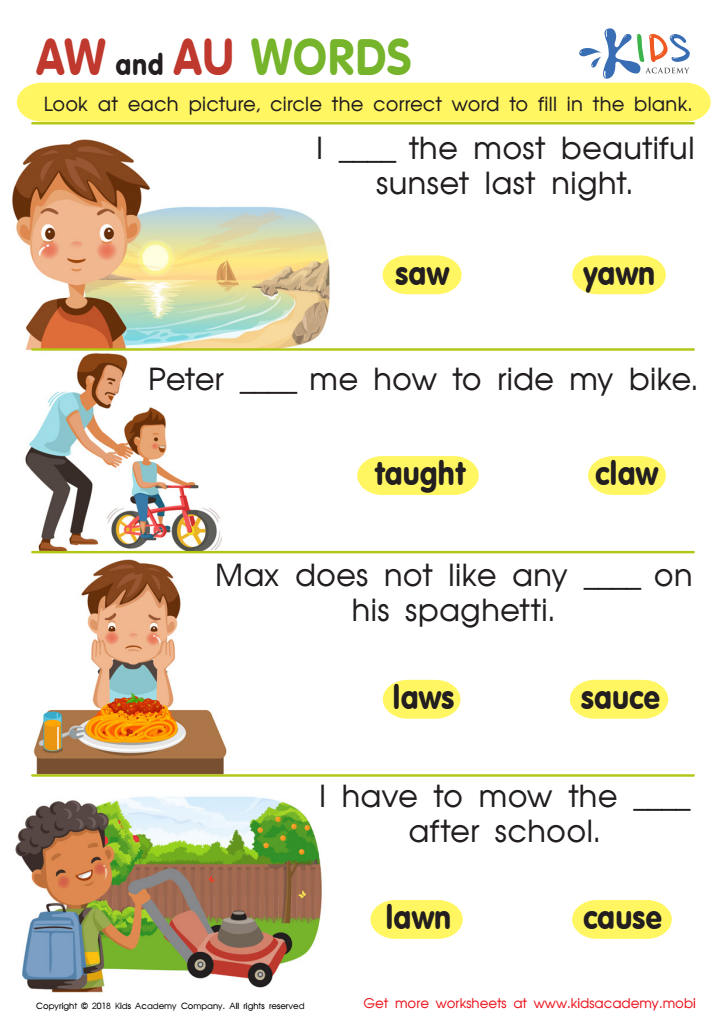
Reading: AW and AU Words Worksheet
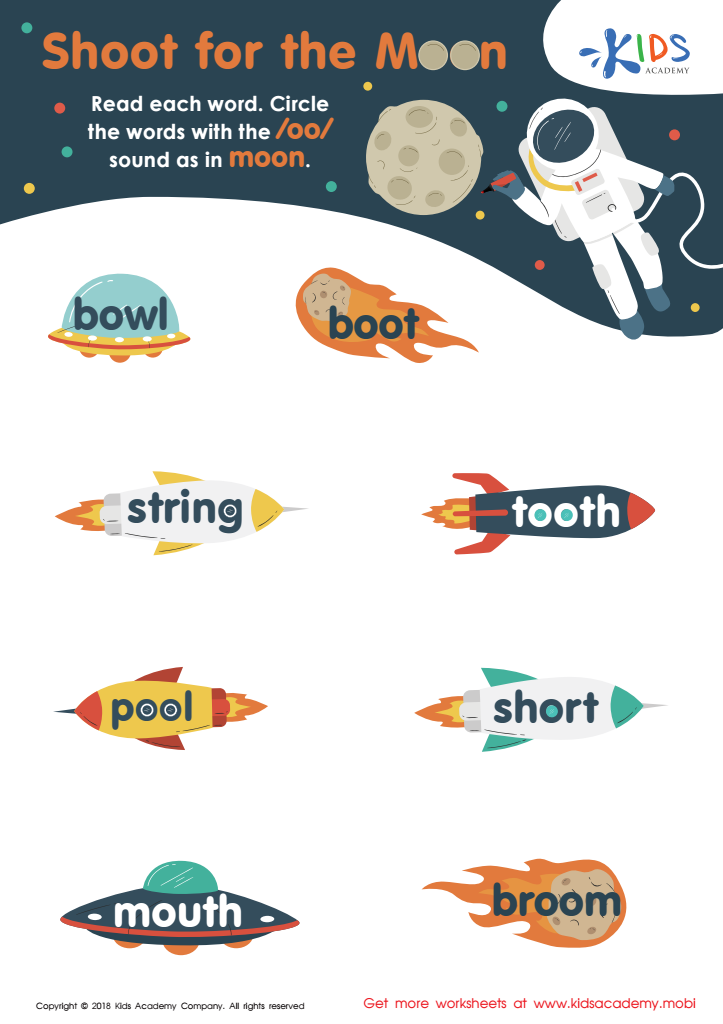
Reading: Shoot for the Moon Worksheet
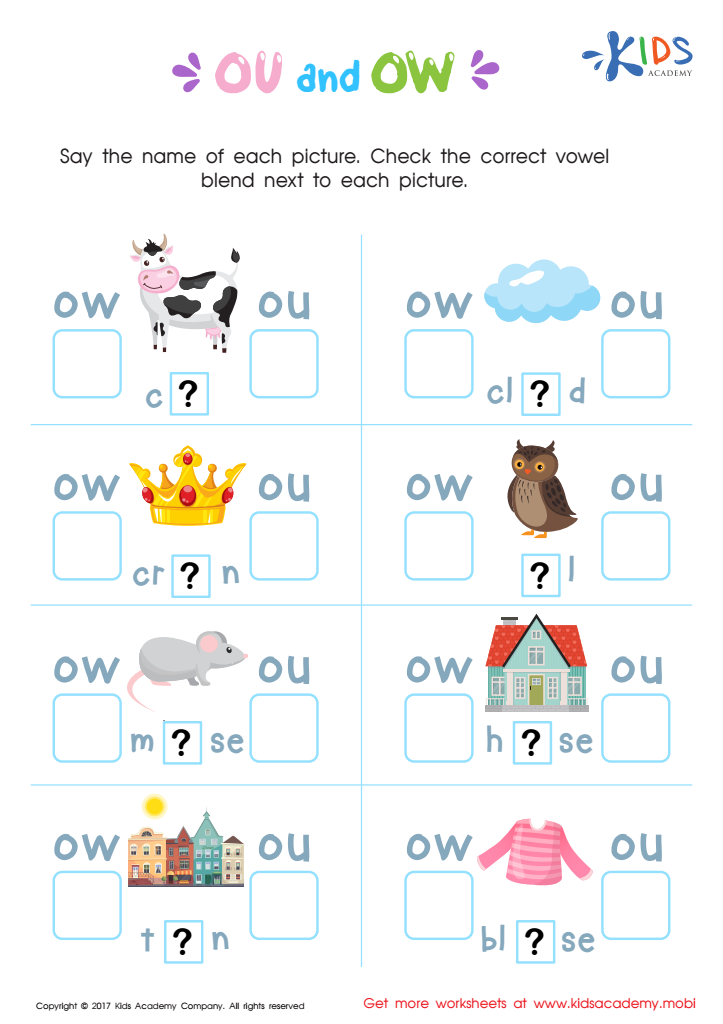
OU and OW Words Worksheet
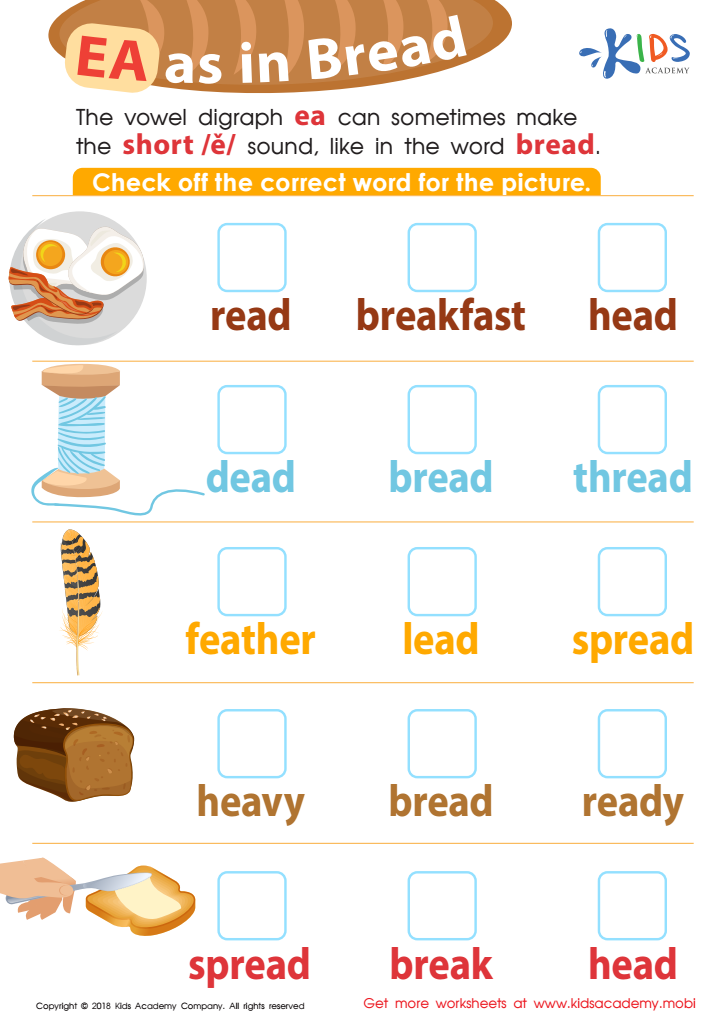
Reading: EA as in Bread Worksheet


Understanding normal vowel diphthongs is essential for reading comprehension among children aged 3-7. Diphthongs are complex vowel sounds that begin with one vowel sound and glide into another within the same syllable. For example, the sounds in words like "coin" or "out" illustrate how these combinations enrich our phonetic vocabulary.
Parents and teachers should care about this aspect of phonics because a solid grasp of vowel diphthongs enhances a child's ability to decode words, ultimately paving the way for better reading fluency and comprehension. When young learners accurately identify and understand diphthongs, they can sound out words more effectively, leading to improved reading skills.
Furthermore, comprehension is more than just recognizing words; it's about grasping the meaning behind them. A child who struggles with vowel sounds may lose confidence and enthusiasm for reading. By nurturing a strong phonetic foundation, parents and teachers foster a love for reading, empowering children to engage with diverse texts and ideas. This foundation not only supports academic achievement but also contributes to cognitive and language development, promoting lifelong skills essential for effective communication and critical thinking. Thus, prioritizing vowel diphthongs is a crucial investment in a child's educational journey.








