Filters

11 filtered results

Clear all filters
Favorites
With answer key
Interactive

11 filtered results

Difficulty Level

Grade


Unlock the potential of young readers with our Reading Comprehension Normal Vowels and Consonants Worksheets, designed for ages 3-7. These engaging activities help children recognize and differentiate between vowels and consonants, creating a solid foundation for reading fluency. Each worksheet features captivating exercises that enhance phonemic awareness, boost vocabulary, and improve reading comprehension. Perfect for classroom use or at-home learning, these worksheets are tailored to develop essential literacy skills in a fun and interactive way. Foster your child’s love for reading and watch them thrive as confident, proficient readers with our expertly crafted resources.

Check out this FREE Trial Lesson on Vowels and Consonants for age 3-7!

Short and Long Vowel Sort

Favorites
With answer key
Interactive
  • 3-7
  • Reading comprehension
  • Vowels and Consonants
  • Normal
Let's Check Long Vowels: Assessment Worksheet

Let's Check Long Vowels: Assessment Worksheet

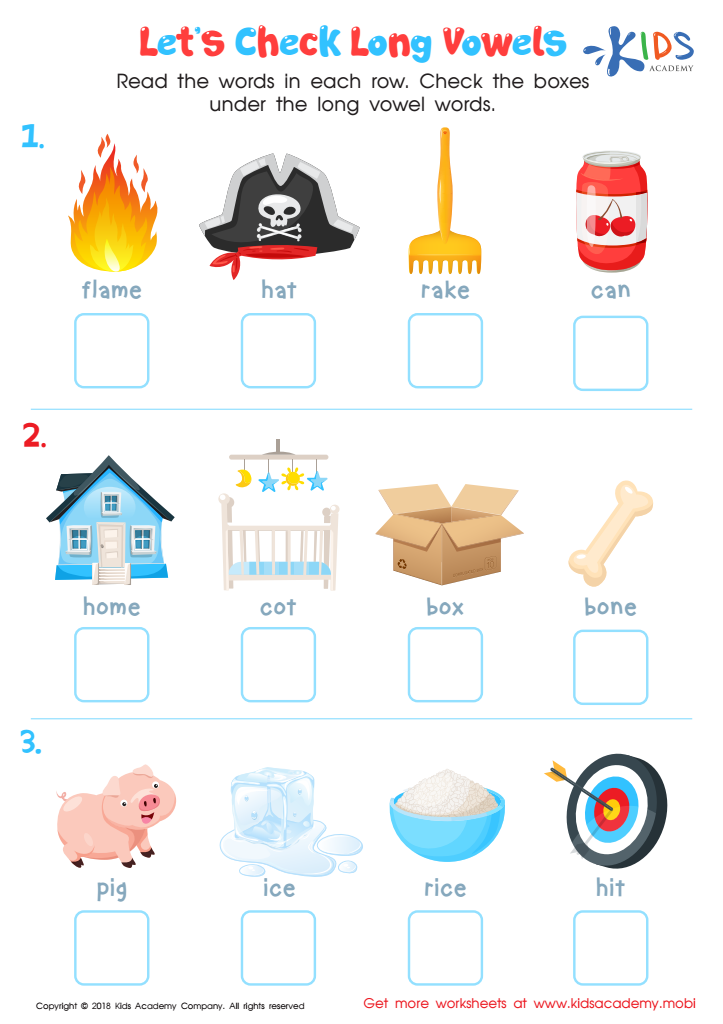
This worksheet helps your child identify objects and learn long vowel sounds. Ask them to say the names of the four objects in each row. Then, help them check the boxes to confirm they know the long vowel sounds. This will help them develop their reading skills.
Let's Check Long Vowels: Assessment Worksheet
Worksheet
short vowels Worksheet

short vowels Worksheet

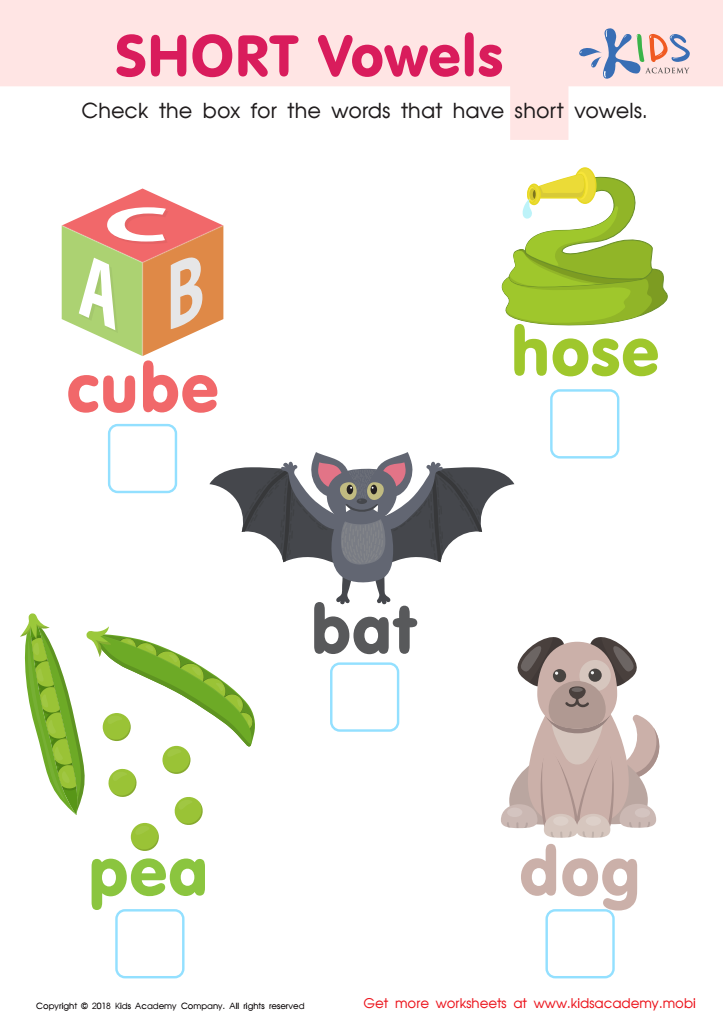
Say "dog" and notice how long it takes to pronounce the vowel. Is it short or long? Compare it to "pea" and use this worksheet to quickly assess your child's mastery. Have them name each picture and listen for the vowel sounds. Only check the boxes for words with short vowel sounds.
short vowels Worksheet
Worksheet
Reading: Long O Digraphs Worksheet

Reading: Long O Digraphs Worksheet

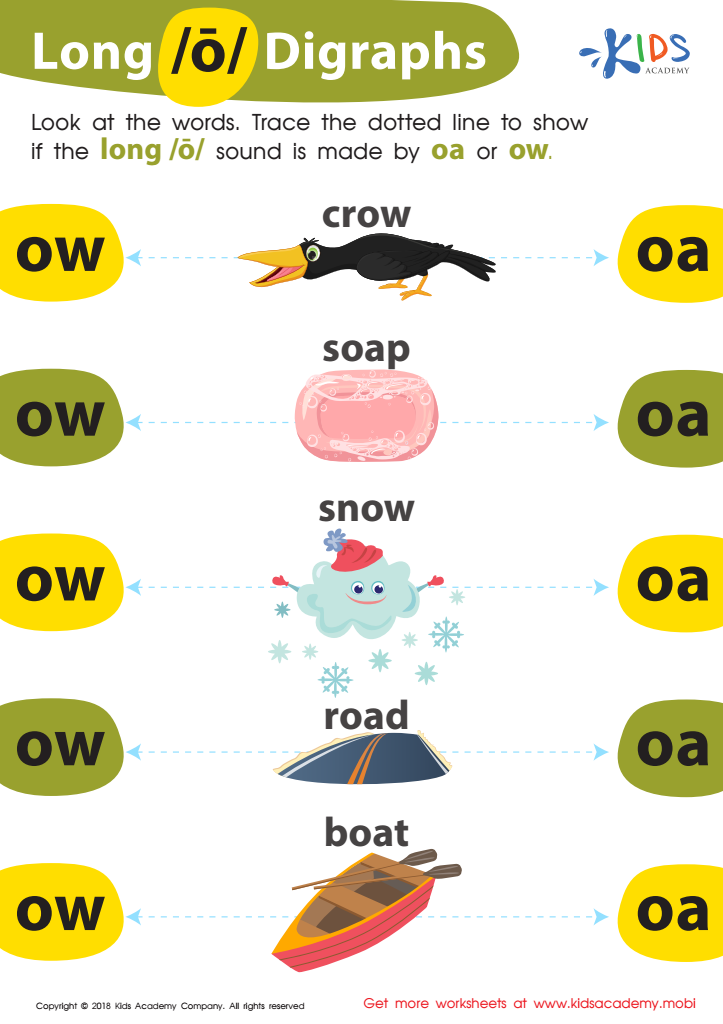
Reading and decoding words can be complex for learners when they start studying digraphs, two letters that make one sound. This worksheet focuses on the long O sound, /oa/ and /ow/. With the understanding of digraphs, students can decode more words and build their reading confidence.
Reading: Long O Digraphs Worksheet
Worksheet
Vowel and Consonant Sounds: Assessment Worksheet

Vowel and Consonant Sounds: Assessment Worksheet

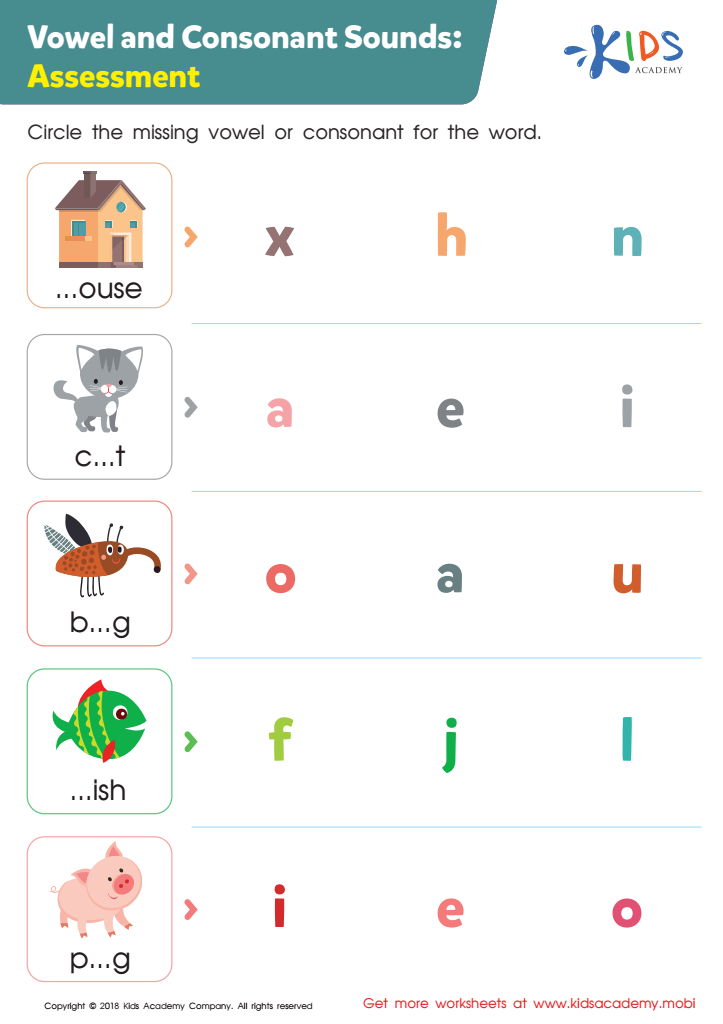
Test young elementary students on vowel and consonant sounds with this friendly phonics assessment worksheet. Get kids to name each image and look at the word underneath. Ask them to sound out the word, then circle the missing letter to complete. This will help assess their knowledge and skills!
Vowel and Consonant Sounds: Assessment Worksheet
Worksheet
Short Vowels /e/, /i/, and /u/ Worksheet

Short Vowels /e/, /i/, and /u/ Worksheet

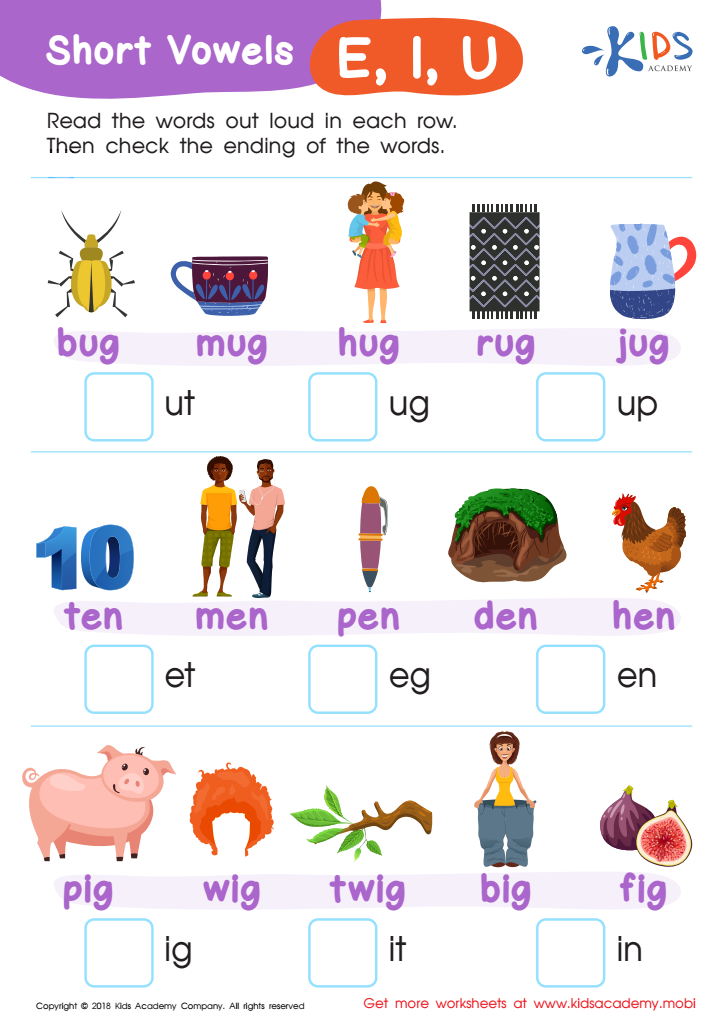
Your emergent reader can have fun while practicing their short vowel sounds with this free, brightly colored worksheet. They'll identify one-syllable words by their pictures, then match the correct ending for each. They'll gain an understanding of how short vowel sounds vary in closed syllables with different endings, without even realizing it!
Short Vowels /e/, /i/, and /u/ Worksheet
Worksheet
Why Vowels? Reading Worksheet

Why Vowels? Reading Worksheet

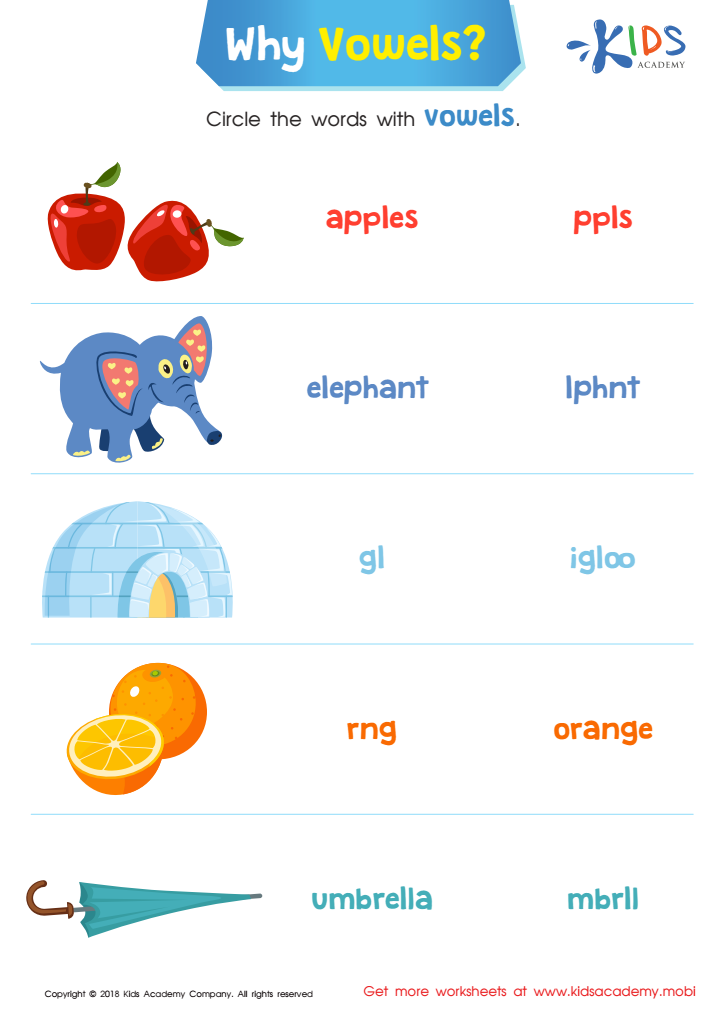
This worksheet teaches kids to spell words with vowels. It features familiar pics for them to recognize, and they practice fine motor skills by circling the correct spelling. It's an enjoyable way for kids to learn how to spell and promote reading skills.
Why Vowels? Reading Worksheet
Worksheet
Reading: AW and AU Words Worksheet

Reading: AW and AU Words Worksheet

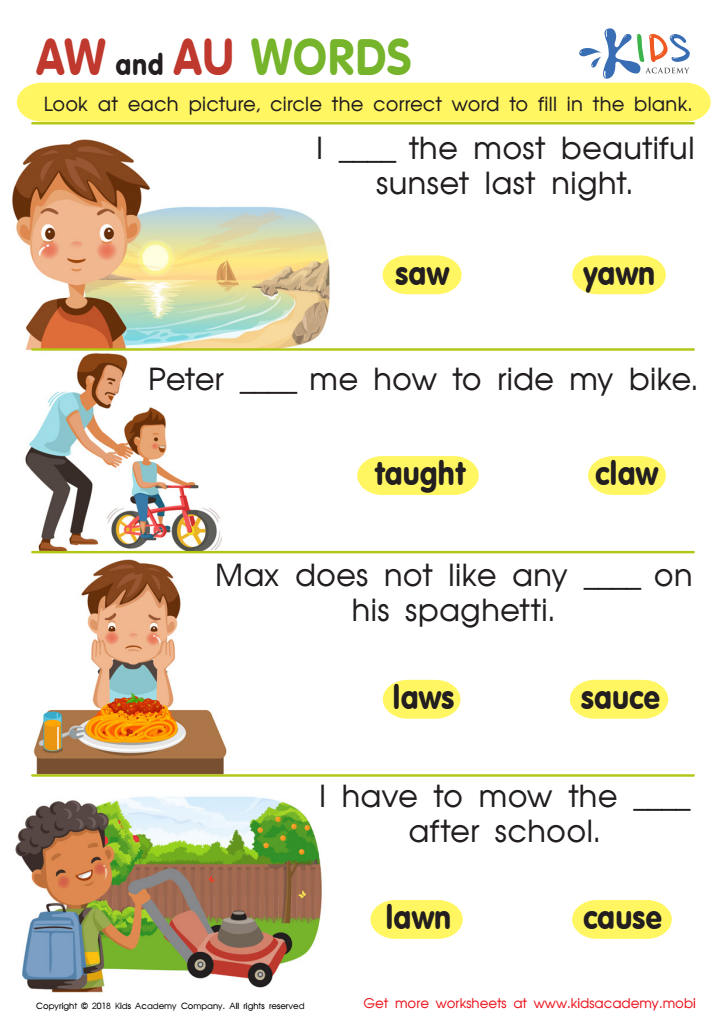
This worksheet helps kids recognize that /au/ and /aw/ can make the same sound. Students read sentences and pick the correct word with one of the digraphs. Understanding digraphs improves decoding and reading fluency. Perfect for reading and phonics classes.
Reading: AW and AU Words Worksheet
Worksheet
Long «u» Sound Worksheet

Long «u» Sound Worksheet

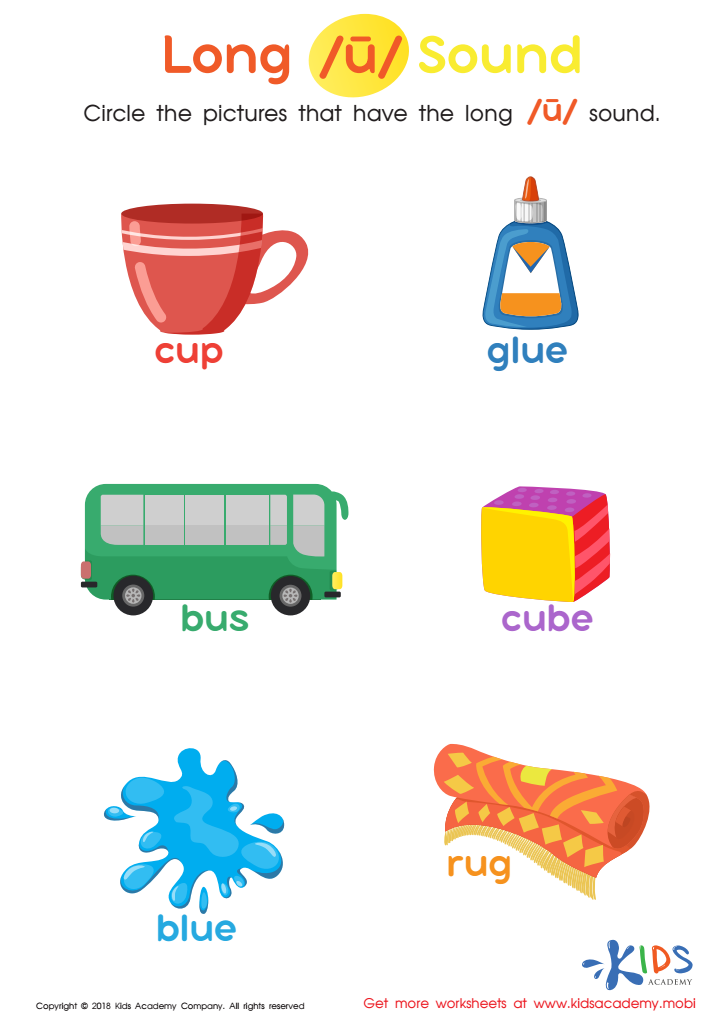
This fun and engaging free PDF worksheet teaches kids to differentiate between long and short «u» sounds. Through tracing circles around the correct words, they'll practice their fine motor skills while also recognizing patterns (silent-e for «ū» sound) in closed-syllable words. Bright and cheery pictures make it a great confidence booster for new readers!
Long «u» Sound Worksheet
Worksheet
Reading: AW Words Worksheet

Reading: AW Words Worksheet

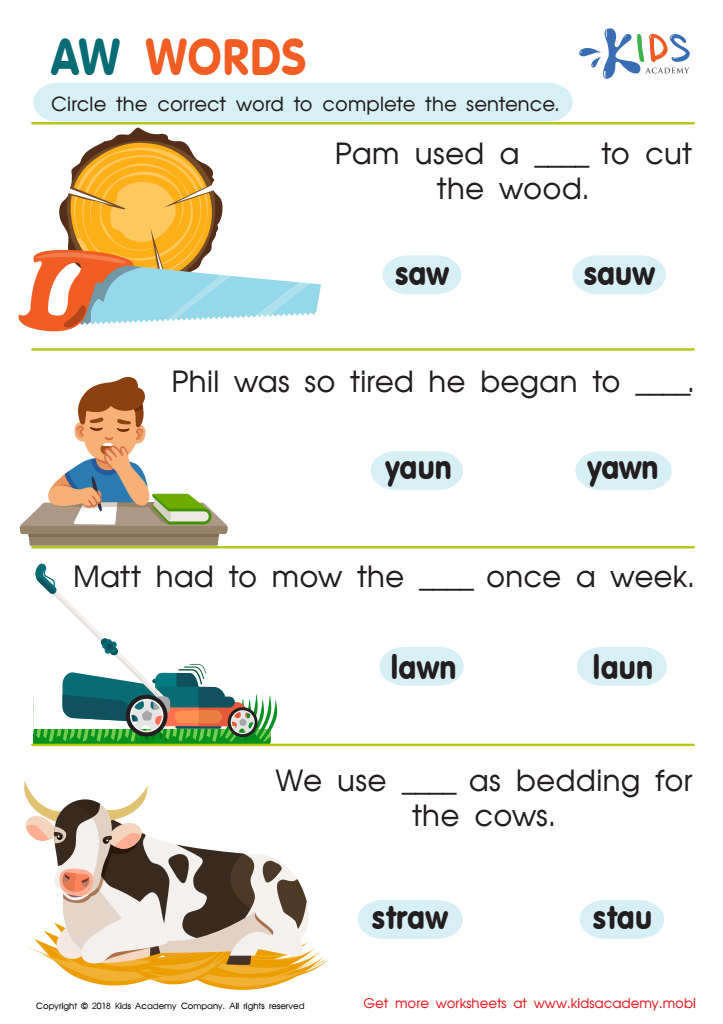
Practice decoding the /aw/ digraph with this printable. Students read sentences and select the word with the correct spelling to complete each one. Note, /aw/ is sometimes spelled /au/, so this worksheet helps prevent confusion. Have fun, and practice hard!
Reading: AW Words Worksheet
Worksheet
Long and Short Vowel Sentences: Assessment Worksheet

Long and Short Vowel Sentences: Assessment Worksheet

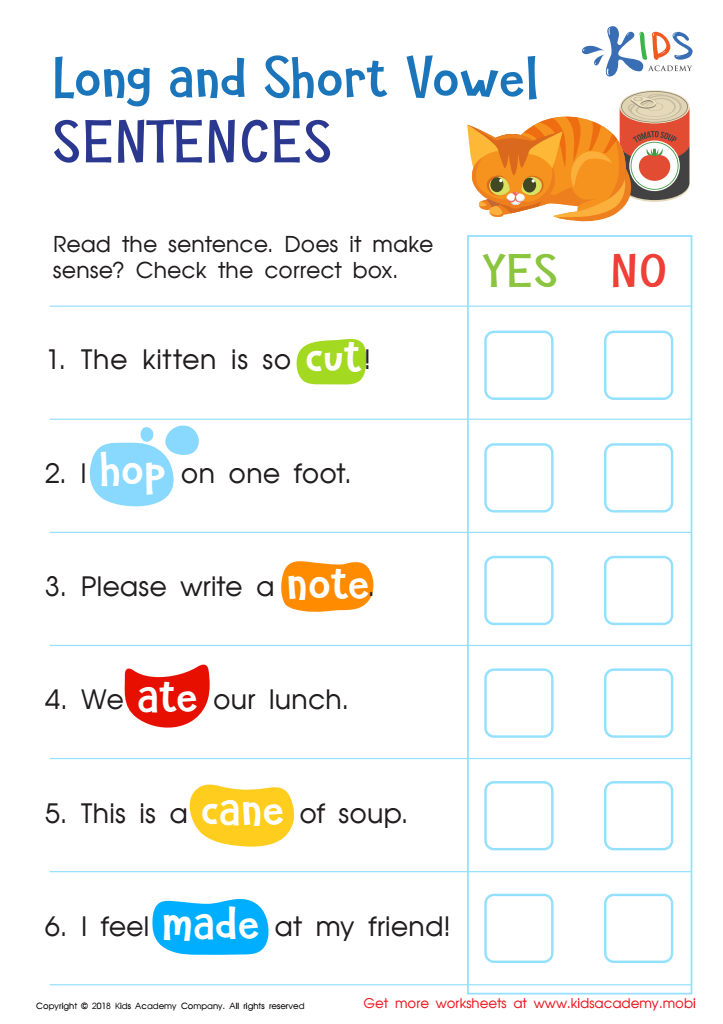
This printable worksheet helps kids practice differentiating between short and long vowel sounds. They'll use context clues to figure out which words make sense in simple sentences. A great way to build reading and writing skills!
Long and Short Vowel Sentences: Assessment Worksheet
Worksheet
Reading: IGH as Long I Worksheet


Reading: IGH as Long I Worksheet

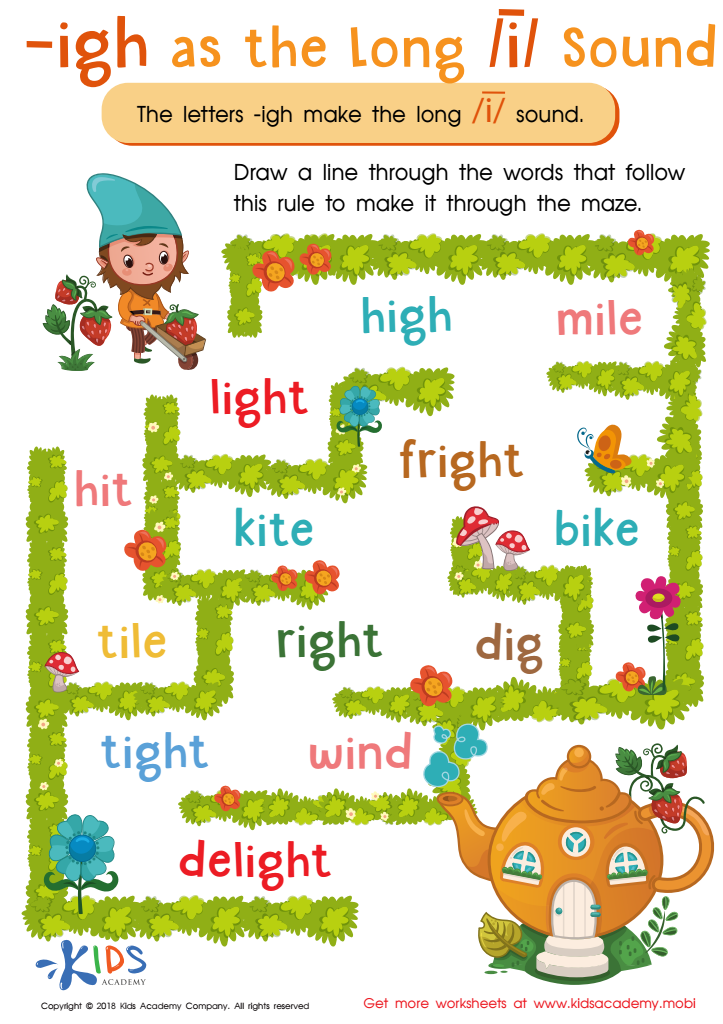
Kids can have fun and learn with this maze! They'll look for and read words with the 'long I' sound spelled 'igh'. Most words ending with 'T' have this spelling. Decode words while learning about long vowel sounds and their spellings.
Reading: IGH as Long I Worksheet
Worksheet


Parents and teachers should prioritize reading comprehension, focusing on normal vowels and consonants, for children ages 3-7 because these are foundational skills critical to literacy development. During these formative years, young children’s brains are highly receptive to language acquisition. Understanding vowels and consonants forms the basis of phonics, which is essential for decoding words, spelling, and pronunciation.

Early mastery of vowels and consonants aids in phonemic awareness, focusing on recognizing the individual sounds that letters and combinations make. This awareness is a key predictor of reading success. Without a solid grasp of basic phonics, children may struggle with more complex literacy skills later on, such as reading fluency, comprehension, and even writing.

Effective reading comprehension strategies enable children to grasp story elements, follow along with narratives, and build vocabulary, all of which contribute to a love of reading. These skills also translate to better academic performance beyond just language arts, as reading comprehension is integral for learning in subjects such as math, science, and social studies.

Supporting children in mastering these foundational language elements when they are more flexible and eager means setting them up for future academic success and fostering a lifelong love for reading and learning.