Alphabet tracing Normal Worksheets for Ages 3-7
5 filtered results
-
From - To
Discover our engaging Alphabet Tracing Normal Worksheets designed specifically for children ages 3-7. These printable worksheets help young learners master letter recognition and develop fine motor skills through interactive tracing activities. Each fun and colorful worksheet is thoughtfully crafted to inspire creativity while fostering a solid foundation in literacy. Ideal for home or classroom use, our alphabet tracing worksheets guide pre-readers and early writers on their educational journey. Promote confidence and enjoyment in learning as your child practices writing uppercase and lowercase letters! Access these essential resources and watch your little ones thrive in their literacy skills today!
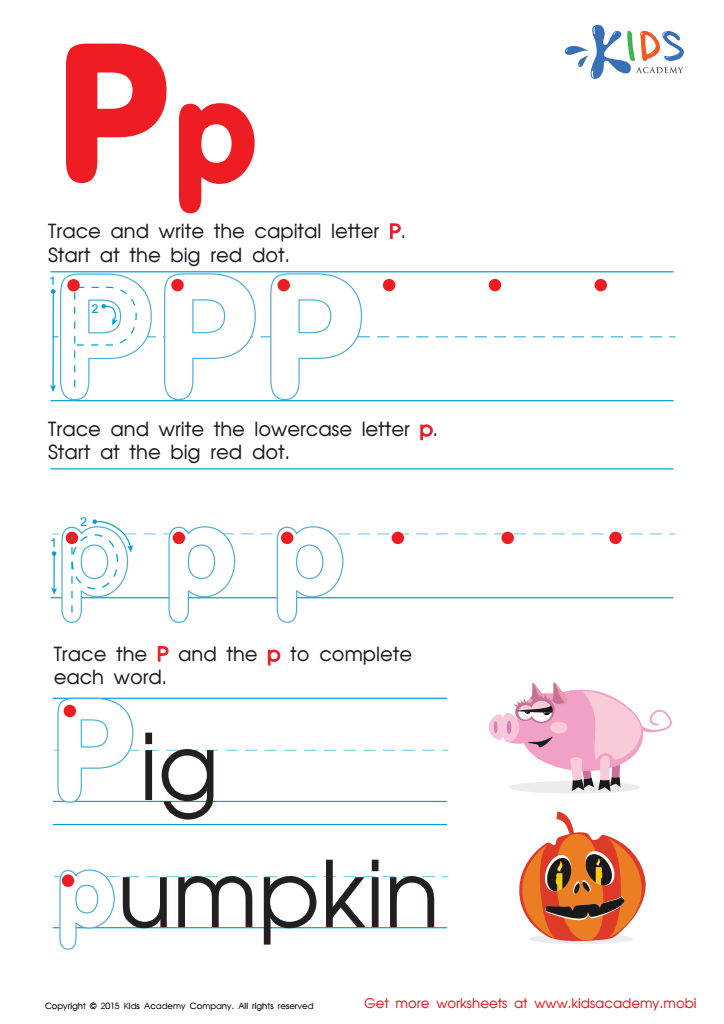
Letter P Tracing Page
 Assign to My Students
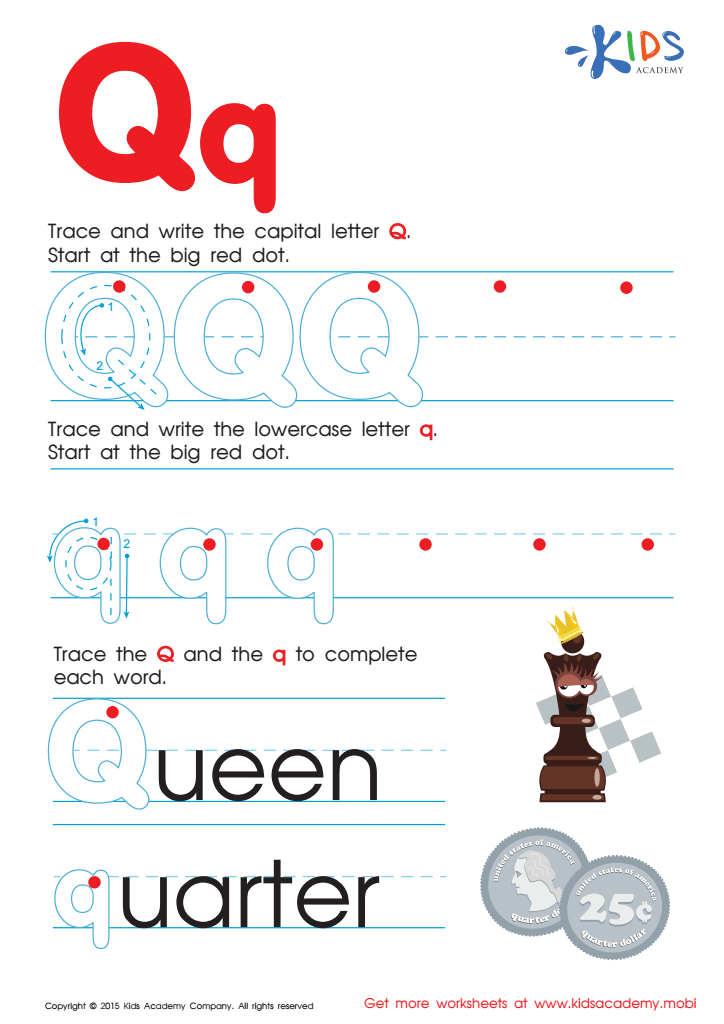
Letter Q Tracing Page

Letter H Tracing Page

Letter A Tracing Worksheet

Letter D Tracing Page







Alphabet tracing is a fundamental activity for children aged 3-7, as it plays a critical role in their early literacy development. First and foremost, it helps kids develop fine motor skills, which are essential for their overall handwriting abilities later in life. By tracing letters, young learners enhance their grip strength, hand-eye coordination, and finger dexterity—key components for effective writing.
Additionally, tracing empowers children to recognize letters and their corresponding sounds, laying the groundwork for reading. It aids in building familiarity with the alphabet in a hands-on way, fostering both visual and tactile learning. As children trace, they can verbally associate each letter with its phonetic sound, which strengthens phonemic awareness and promotes early literacy skills.
Moreover, this activity encourages concentration and focus, helping preschoolers and early school-age children practice patience and perseverance during learning tasks. It also provides an opportunity for parents and teachers to engage one-on-one with children, reinforcing positive relationships and creating a supportive learning environment.
In summary, alphabet tracing is not just about writing; it’s a multifaceted tool that enhances motor skills, literacy development, and cognitive engagement, and it is essential for preparing children for future academic success.








