Associative learning Normal Worksheets for Ages 3-7
4 filtered results
-
From - To
Discover the joy of learning with our Associative Learning Normal Worksheets designed for children ages 3-7! These engaging resources help young learners develop critical thinking and connection skills by associating ideas, words, and images. Perfect for home or classroom use, our printable worksheets encourage creativity and enhance cognitive development through fun activities. With a variety of topics and tasks, children will improve their ability to identify relationships and make connections within their world. Empower your child's learning journey today with our easy-to-use, interactive worksheets that support foundational learning and set the stage for lifelong knowledge! Browse and download now!
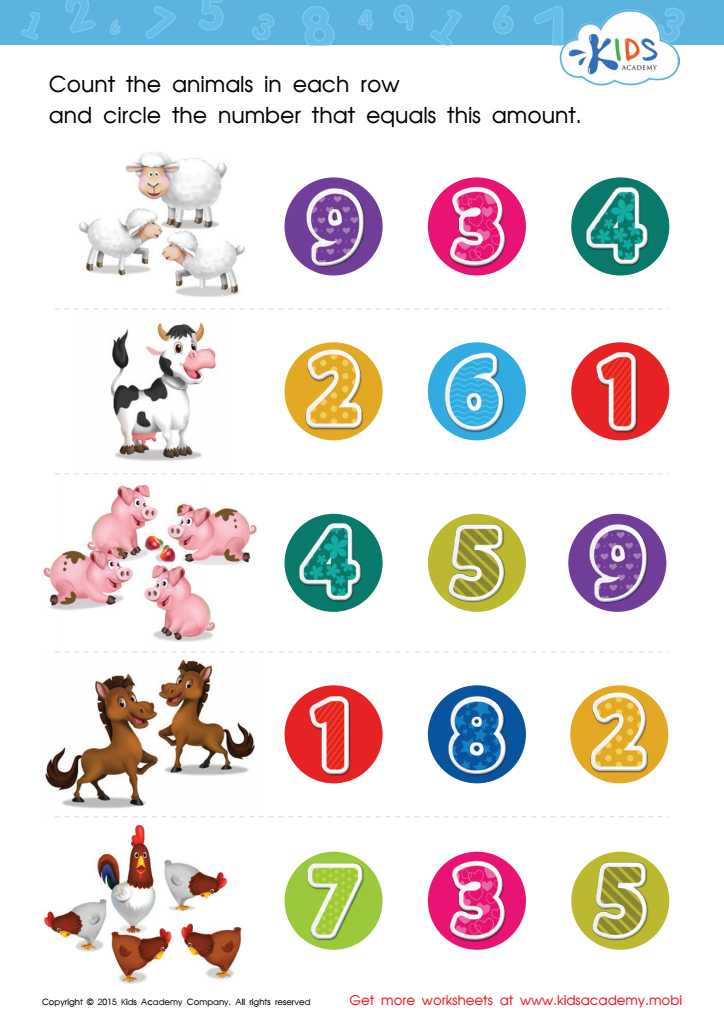
Count and Match 1 – 5 Math Worksheet
 Assign to My Students
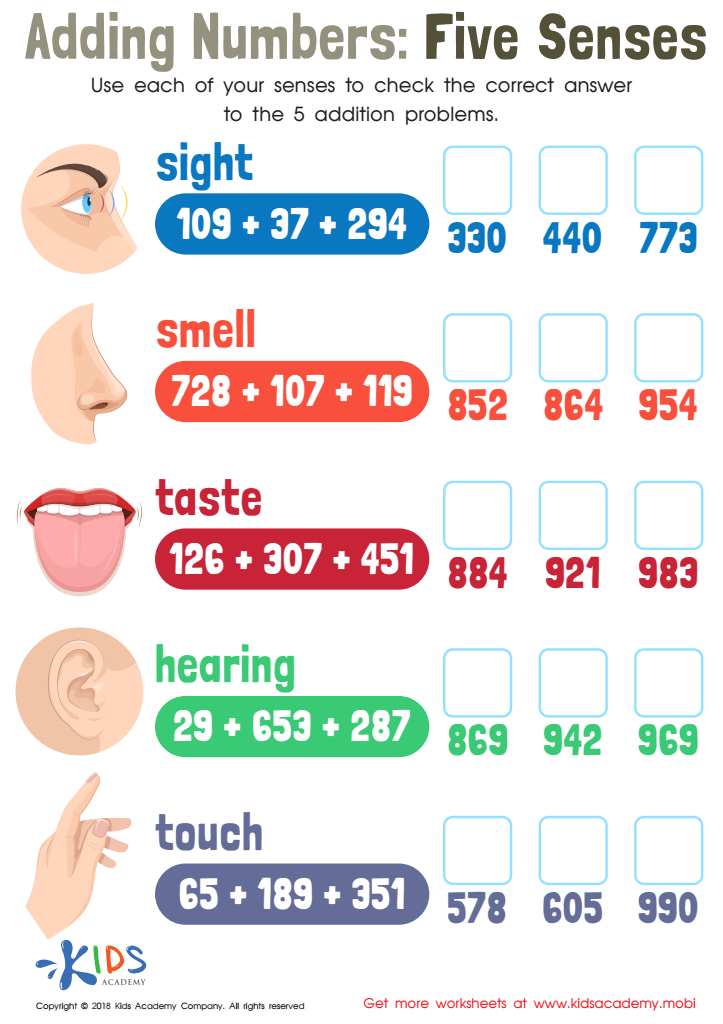
Adding Numbers: Five Senses Worksheet

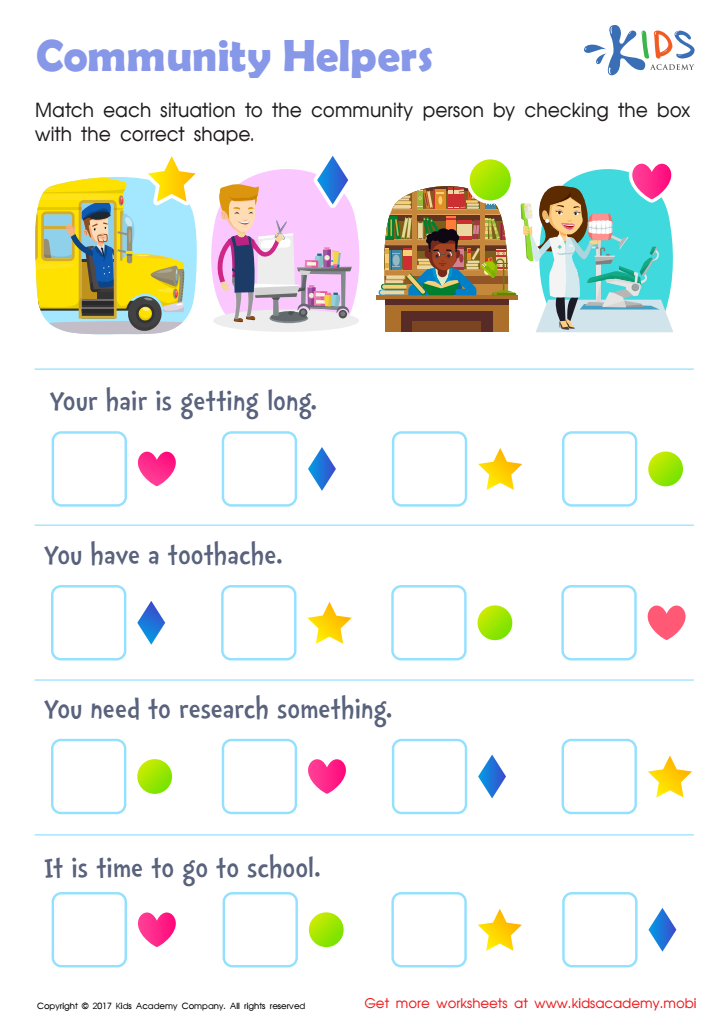







Associative learning is a fundamental process through which young children anticipate outcomes based on past experiences, playing a crucial role in their cognitive and social development from ages 3 to 7. Parents and teachers should care about this learning style because it impacts how children understand their environment and form relationships with others.
At this stage, children begin to create connections between actions and their consequences. For instance, they learn that if they share toys with a friend, they are more likely to receive shared play in return. By supporting associative learning, adults can help children develop critical skills such as empathy, cooperation, and conflict resolution, which are vital for socialization.
Additionally, engaging in activities that promote this type of learning—like storytelling, role-playing, or interactive games—can enhance children's problem-solving abilities and adaptability. These skills are essential for academic success and navigating complex social situations in later years.
By nurturing associative learning, parents and teachers can foster an enriching environment that encourages exploration, creativity, and emotional intelligence, ultimately laying a strong foundation for lifelong learning and healthy interpersonal relationships. Thus, investing time in this learning method profoundly benefits children's overall growth and development.








