Counting practice Normal Worksheets for Ages 3-7 - Page 2
35 filtered results
-
From - To
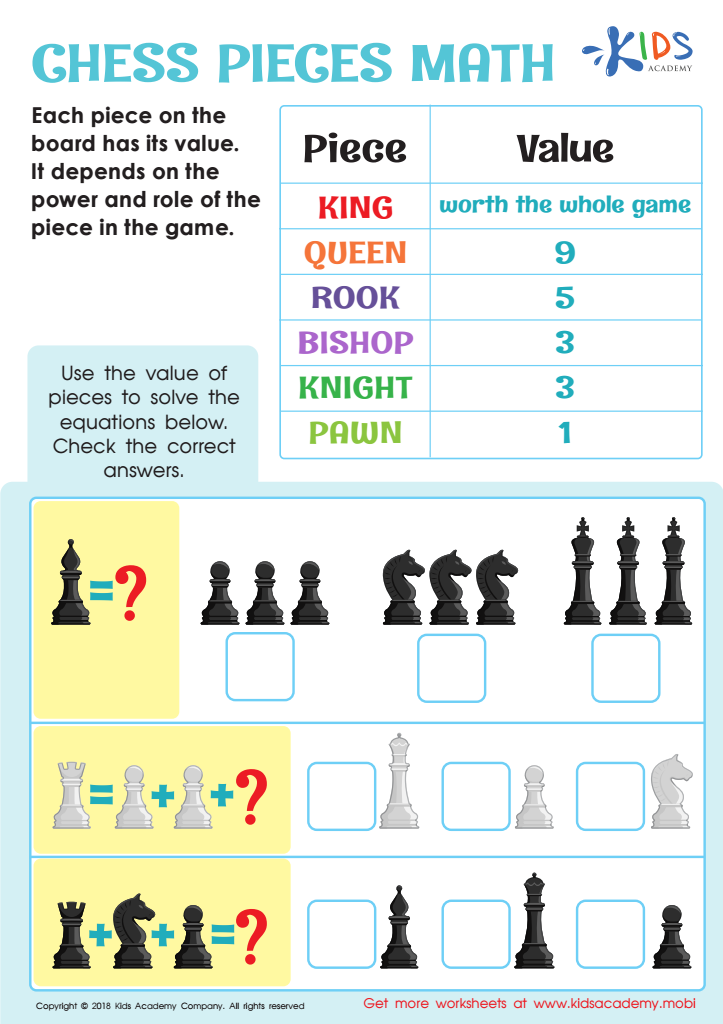
Chess Pieces Math Worksheet
 Assign to My Students
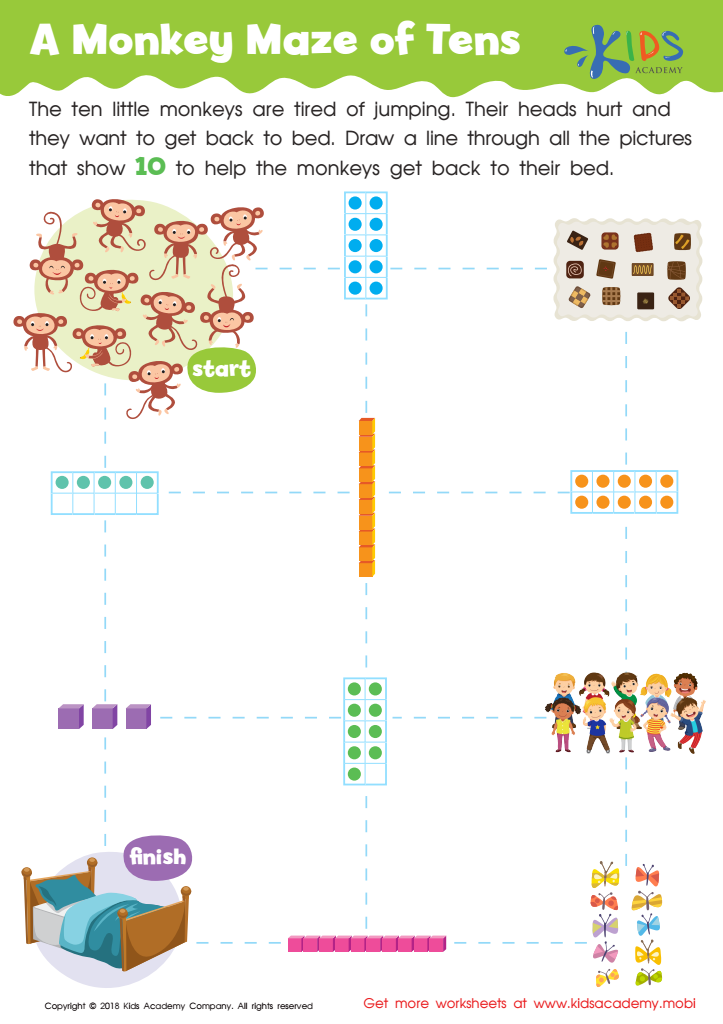
A Monkey Maze of Tens Worksheet
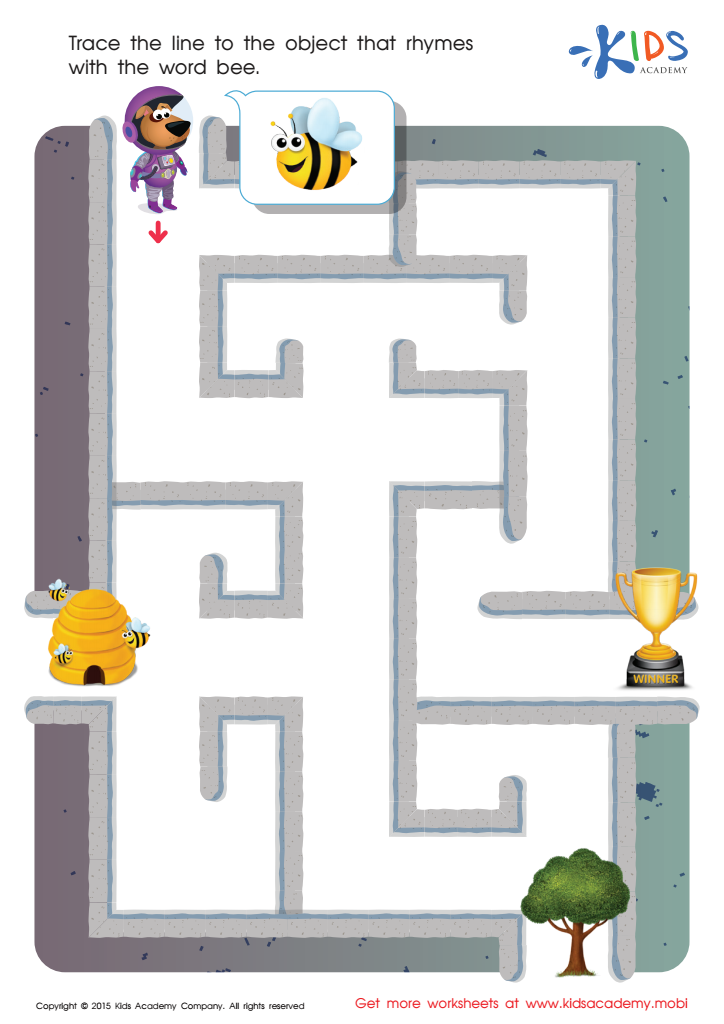
Bee Rhyming Words Worksheet
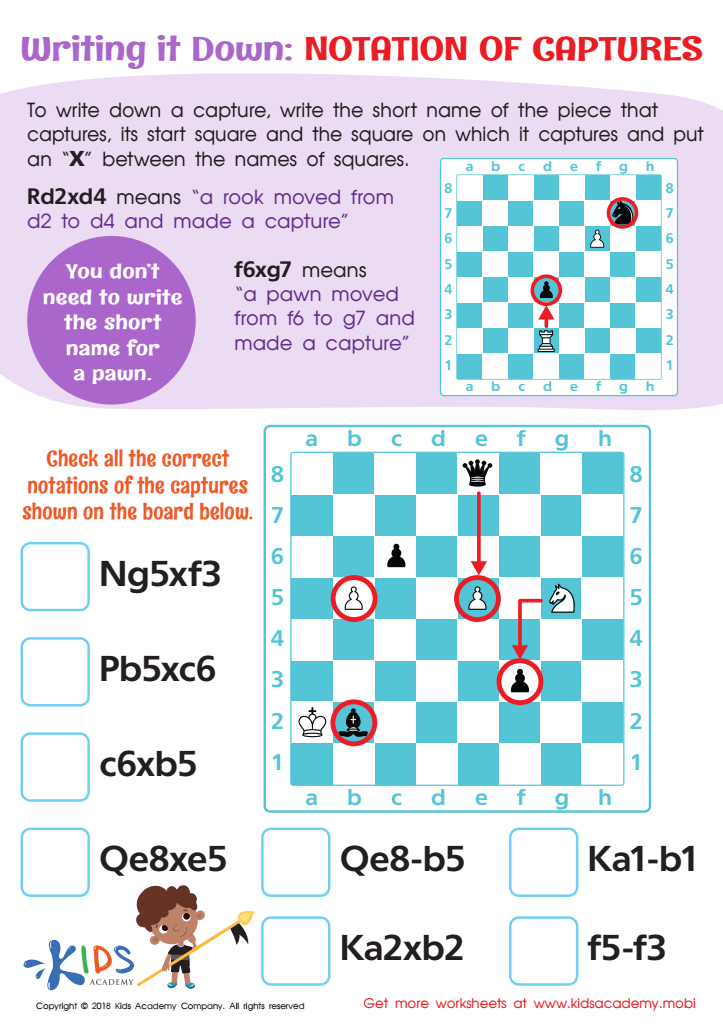
Notation of Captures Writing it Down Worksheet
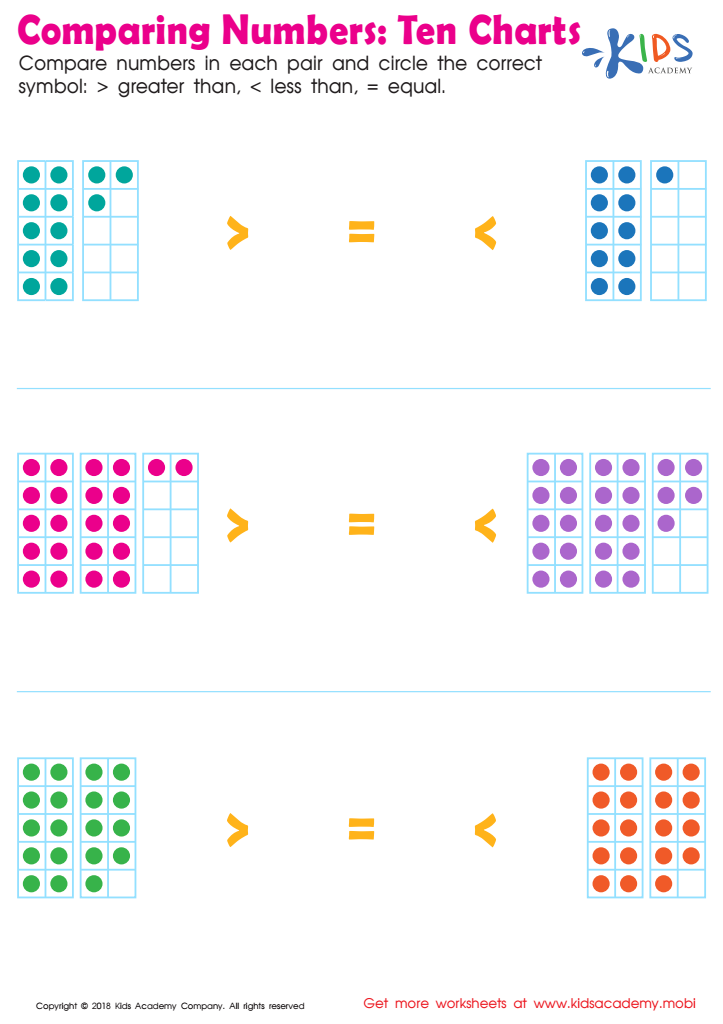
Ten Charts Worksheet
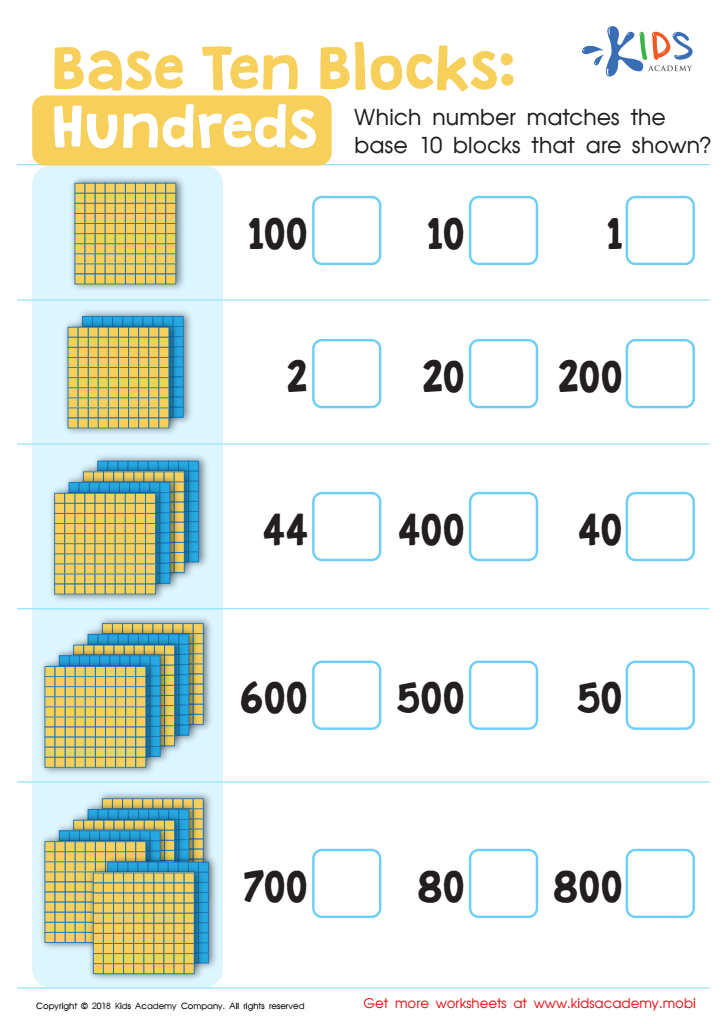
Base Ten Blocks: Hundreds Worksheet
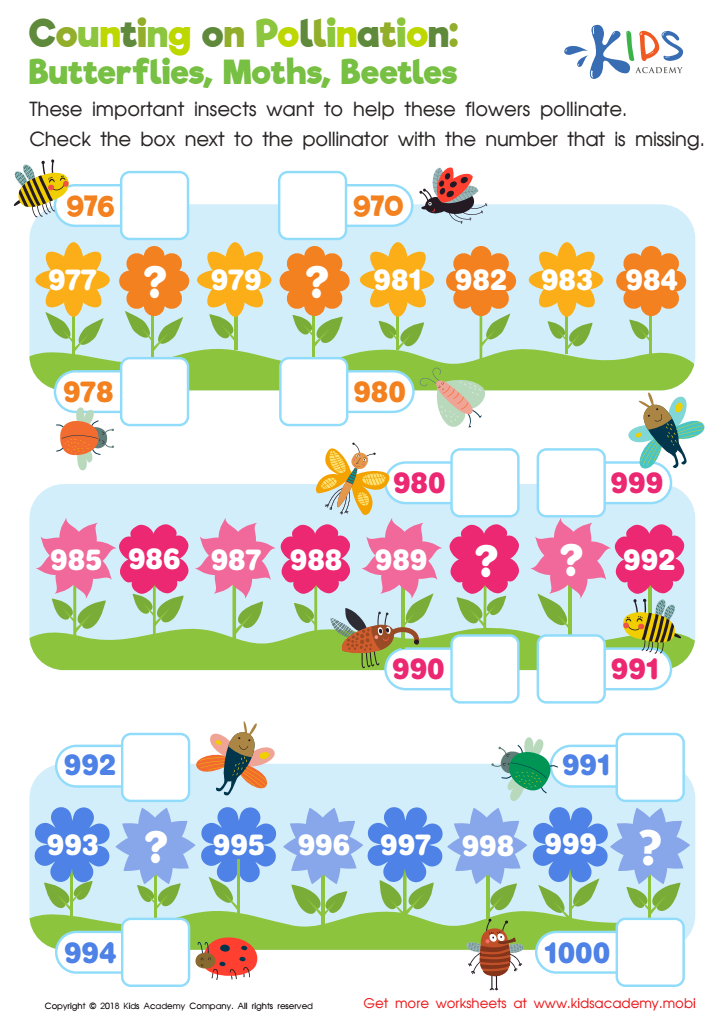
Counting on Pollination: Butterflies, Moths, Beetles Worksheet
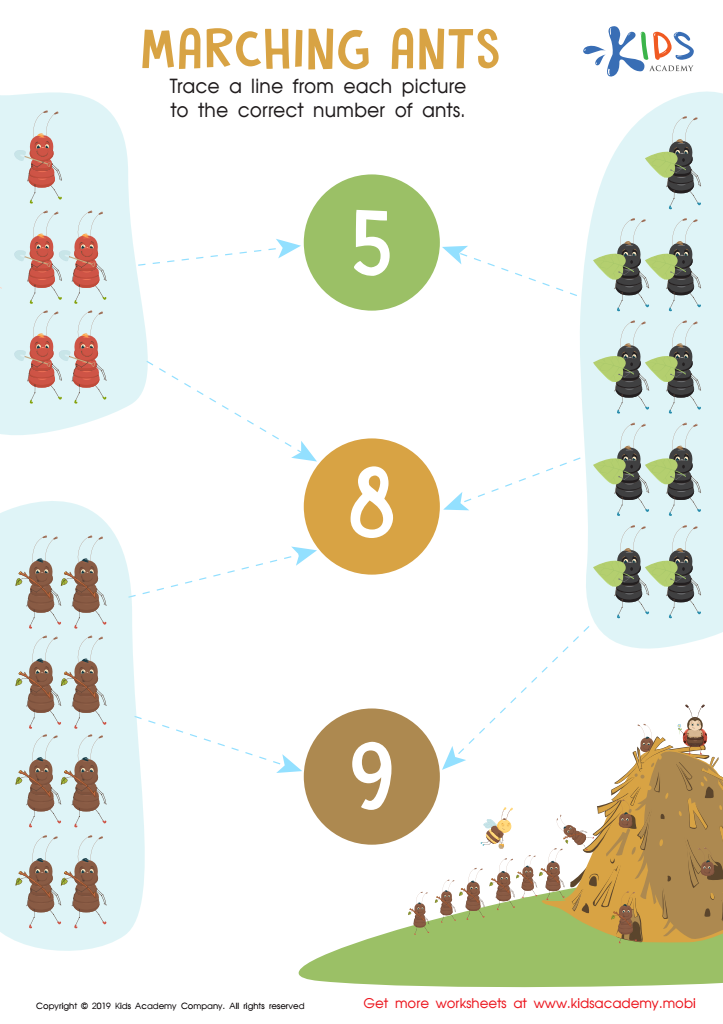
Marching Ants Worksheet
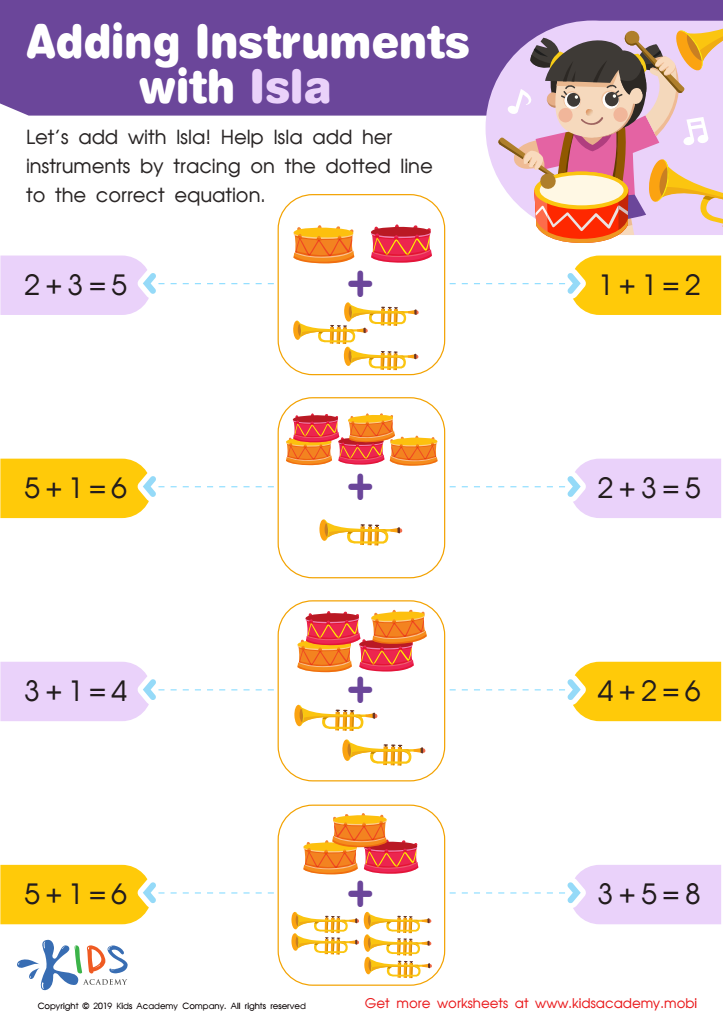
Adding Instruments with Isla Worksheet
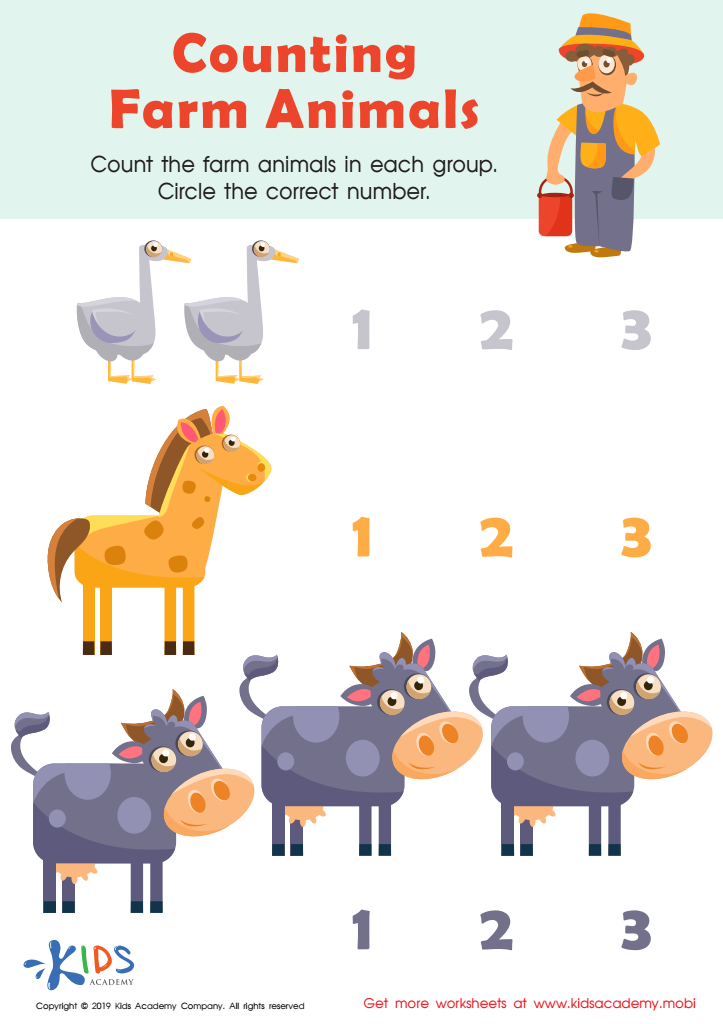
Counting Farm Animals Worksheet
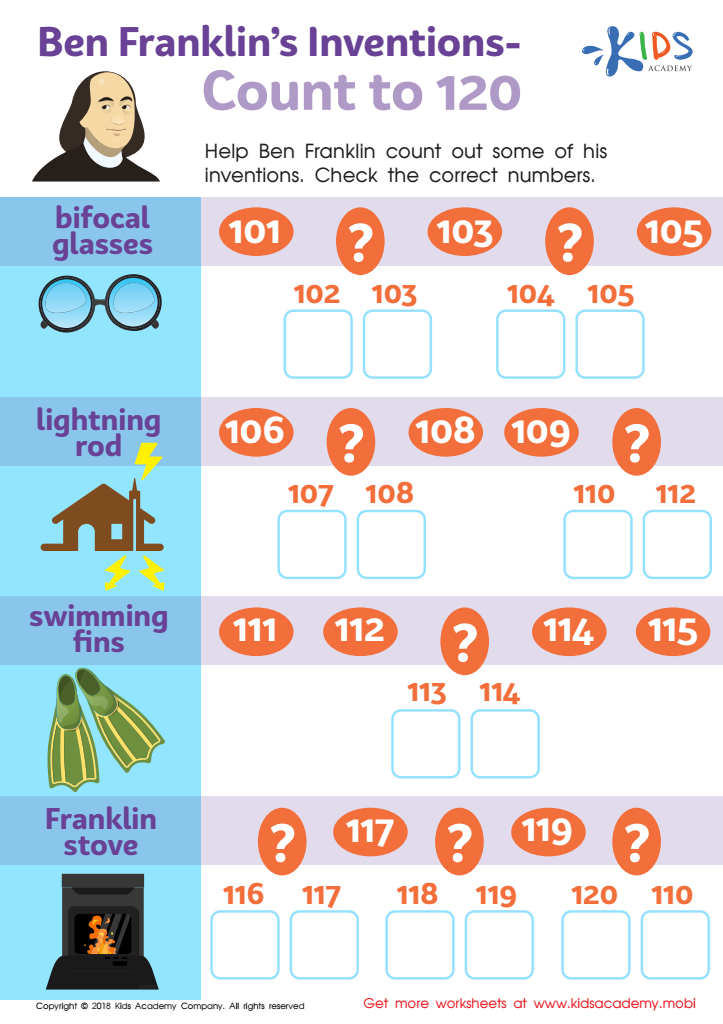
Ben Franklin’s Inventions – Count to 120 Worksheet





Counting practice is essential for children ages 3-7 as it forms the foundation of their numeracy skills, crucial for future academic success and daily life activities. At this developmental stage, kids are incredibly receptive to learning new concepts, and mastering counting from an early age promotes confidence in their mathematical abilities.
For parents and teachers, emphasizing counting helps children understand the basic principles of numbers, such as order, quantity, and the concept of 'more' or 'less'. This early introduction prepares them for more complex mathematical operations like addition, subtraction, and eventually, multiplication and division.
Moreover, counting practice enhances cognitive development. It improves memory, attention to detail, and problem-solving skills. For instance, activities like counting objects or numbers in sequences incorporate both visual and auditory learning, catering to varied learning styles among children.
Socially and emotionally, counting exercises also encourage patience, concentration, and turn-taking when done in group settings, fostering cooperative learning environments. Additionally, engaging in these activities at home or in school promotes parental involvement and teacher-student interaction, strengthening the bond and making learning fun.
In summary, counting practice for children ages 3-7 is indispensable as it builds a strong mathematical foundation, stimulates cognitive growth, and nurtures essential social skills, preparing them for future educational challenges.








