Critical Thinking Normal Worksheets for Ages 3-7 - Page 4
74 filtered results
-
From - To
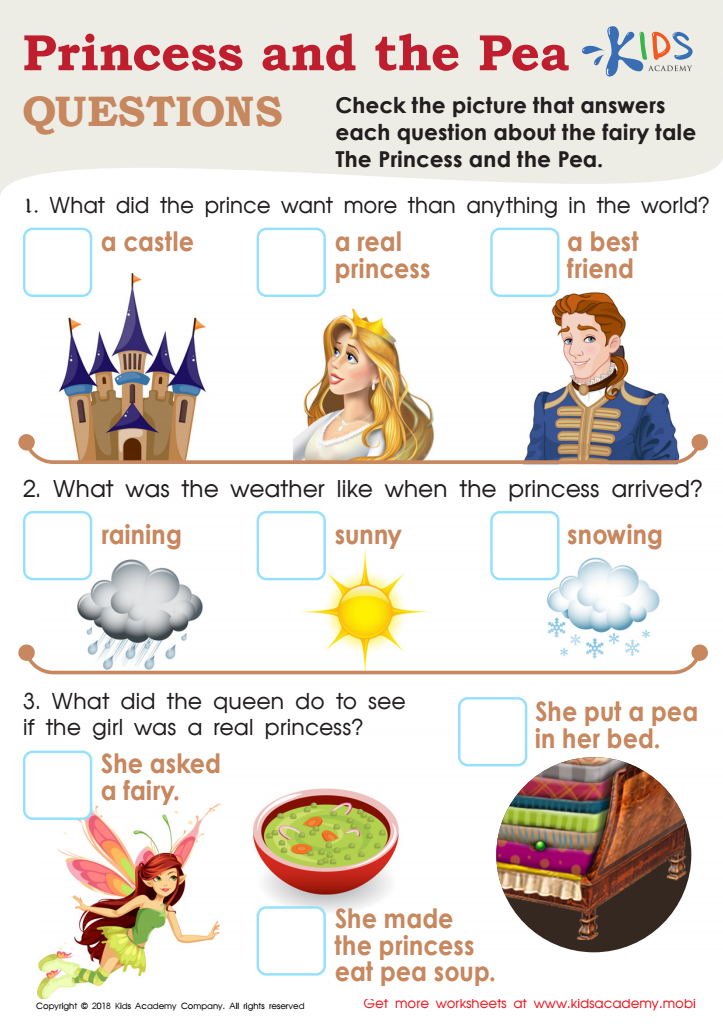
Princess and the Pea Questions Worksheet
 Assign to My Students
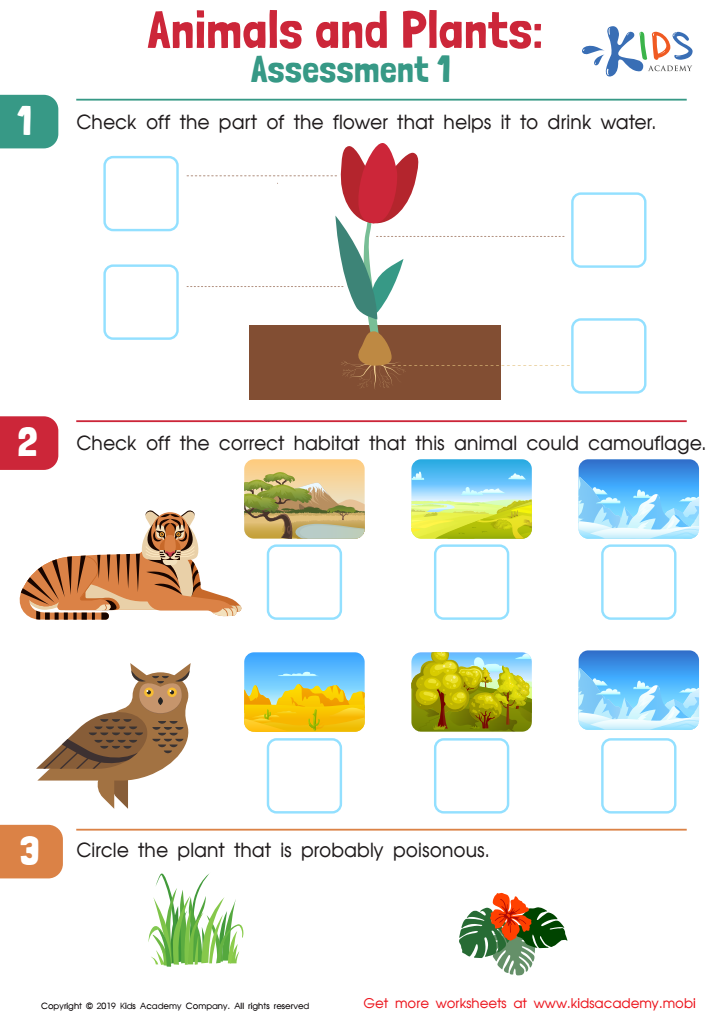
Animals and Plants: Assessment 1 Worksheet







Critical thinking is essential for children aged 3-7 as it lays the foundation for lifelong learning and problem-solving skills. During these formative years, children's brains are highly receptive to new information and experiences. Encouraging critical thinking helps them process and understand the world around them, fostering curiosity and open-mindedness.
Parents and teachers play a pivotal role in nurturing these skills. By promoting activities that require questioning, assessing evidence, and considering different viewpoints, adults help children develop the ability to think independently and make reasoned decisions. This not only boosts academic performance but also enhances social interactions, as children learn to empathize and see things from others' perspectives.
Moreover, critical thinking nurtures resilience. Children learn that it’s okay to make mistakes, which are opportunities for growth rather than failures. This growth mindset encourages persistence and adaptability, essential traits for success in various life situations.
Incorporating critical thinking into daily activities—such as storytime discussions, open-ended questions, and simple problem-solving games—can make learning engaging and fun. As a result, children become more confident, resourceful, and ready to tackle the challenges of an ever-evolving world, making critical thinking an indispensable part of early education.








