Developing analytical thinking Normal Worksheets for Ages 3-7
5 filtered results
-
From - To
Unlock your child's potential with our "Developing Analytical Thinking Worksheets" designed for ages 3-7! These engaging, age-appropriate worksheets focus on enhancing critical thinking skills through fun activities and challenges. Children will explore problems, make connections, and learn to investigate solutions, all while enjoying interactive content. Our diverse range of topics encourages creativity and a love for learning, laying a solid foundation for future educational success. Perfect for both home and classroom use, these worksheets can easily be incorporated into daily learning routines. Discover the joy of analytical thinking with our thoughtfully crafted resources that make learning enjoyable and effective!
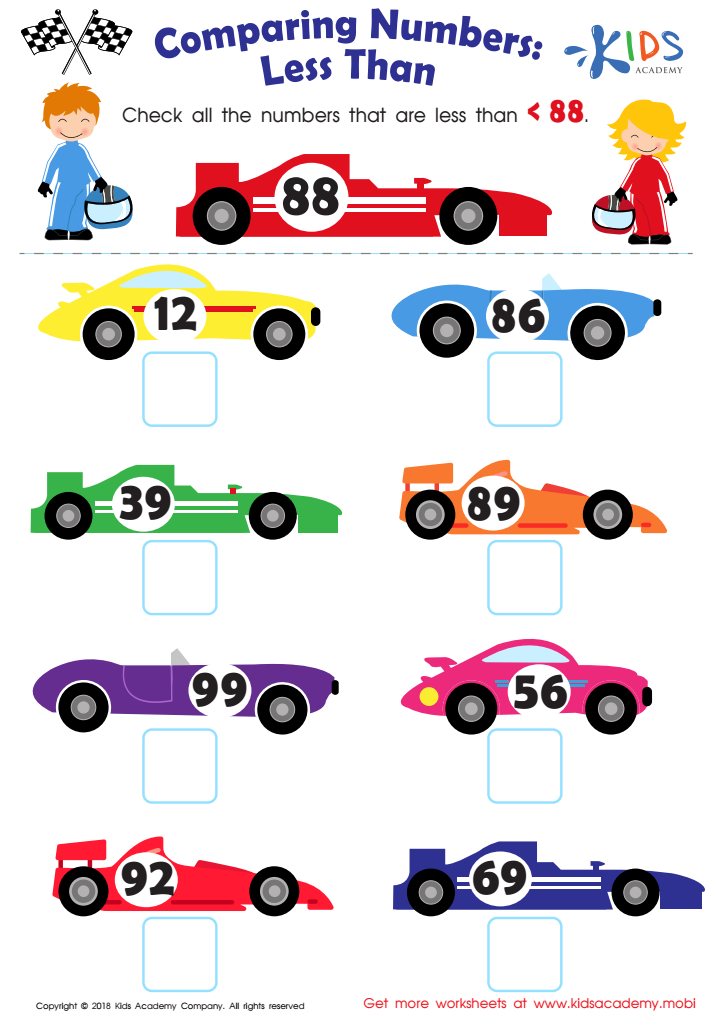
Less Than Worksheet
 Assign to My Students
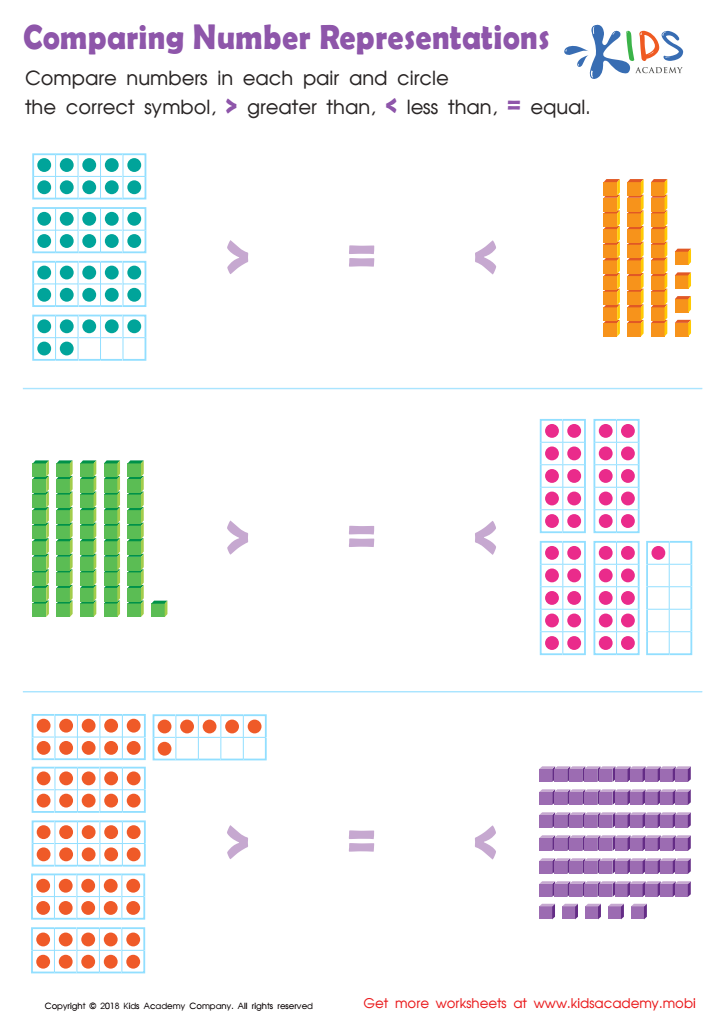
Comparing Number Representations Worksheet
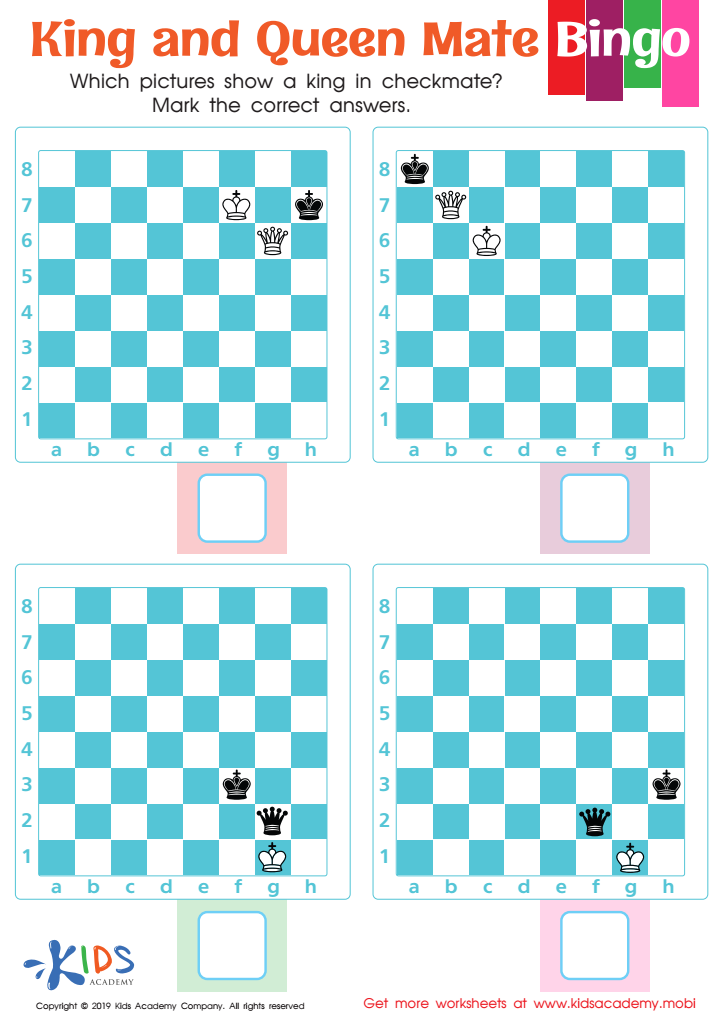
King and Queen Mate: Bingo Worksheet
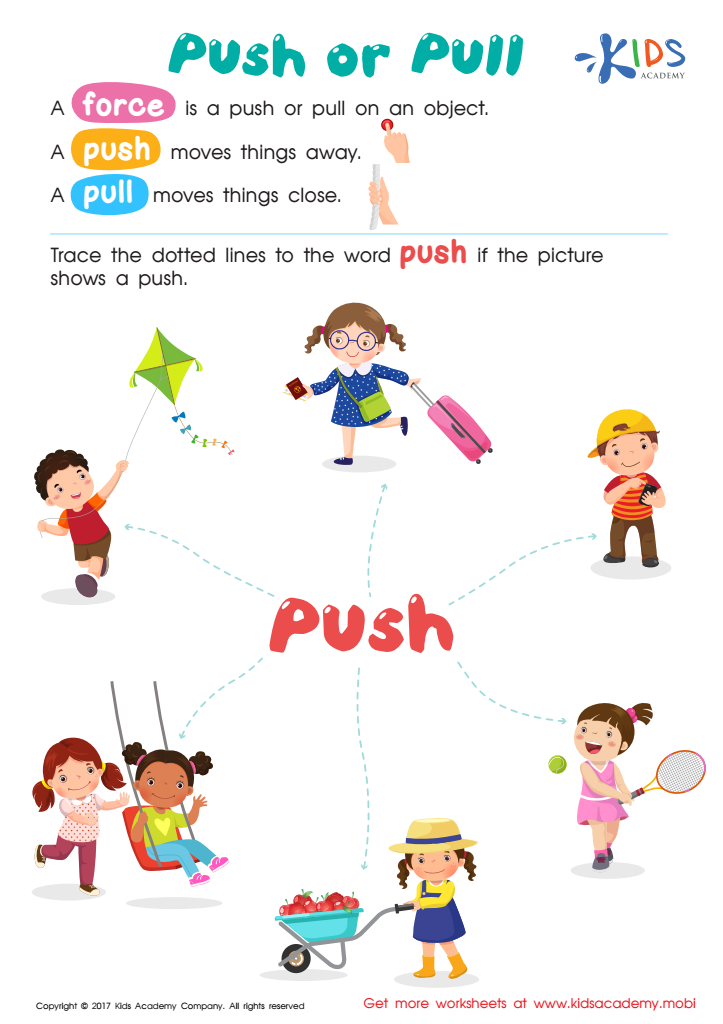
Push or Pull Worksheet
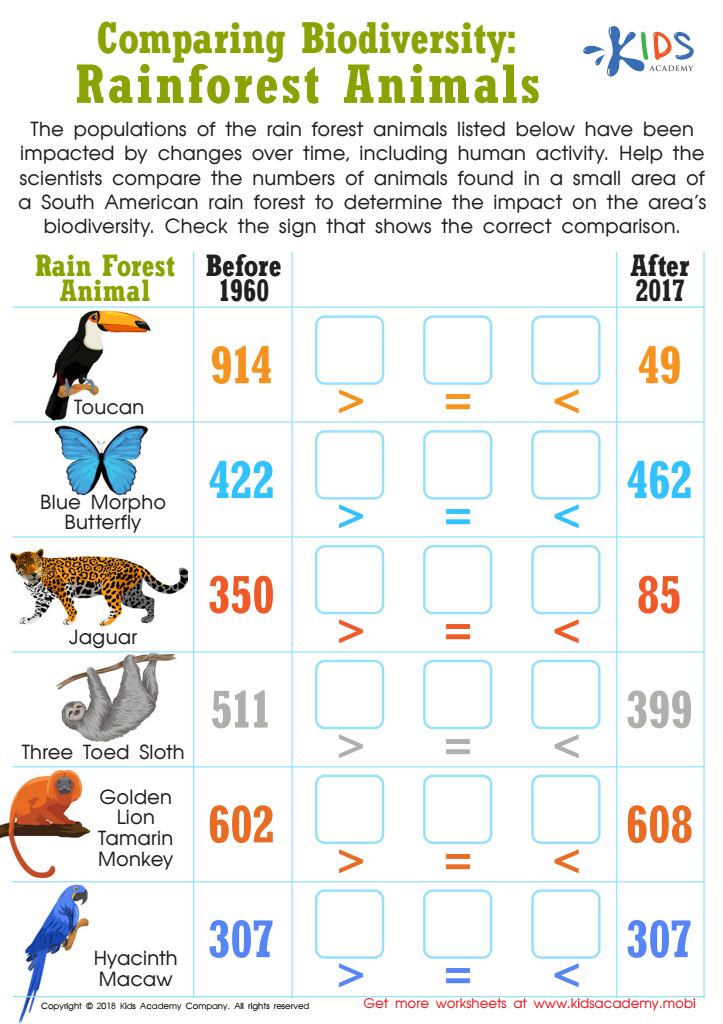
Comparing Biodiversity: Rainforest Animals Worksheet







Developing analytical thinking in young children aged 3-7 is crucial as it lays the foundation for their cognitive abilities and overall problem-solving skills. During these formative years, children's brains grow rapidly, making it an ideal time to nurture their analytical skills through play, exploration, and guided activities.
Parents and teachers should prioritize this development because analytical thinking fosters creativity and logical reasoning, encouraging children to ask questions, evaluate information, and solve problems independently. Engaging in activities like puzzles, sorting games, or simple science experiments allows children to practice critical thinking in an enjoyable context, enhancing their learning experience.
Moreover, strong analytical skills contribute to academic success as children enter school. They develop the ability to understand and process complex ideas, which is essential for subjects like math, science, and literacy. In addition to academic benefits, analytical thinking promotes better decision-making and emotional intelligence, enabling children to navigate social situations and challenges effectively.
Ultimately, when children build a solid foundation in analytical thinking, they become more confident learners and, as adults, are equipped with the essential skills required in a rapidly changing world. Investing in this crucial developmental stage fosters lifelong learning and resilience in children.








